Mark is an award-winning journalist who worked at 9to5Mac for over six years. He covers Apple and other topics related to the consumer technology industry.
This morning, Apple’s Black Friday sale went live in Australia, confirming our earlier report that it will be based around gift cards and not the usual discounts. Because this is the first time that Apple has provided a gift card-based deal for Black Friday, many readers have approached us with questions. We’ve asked around, and we have some answers. First, as we wrote in the previous post, here’s why Apple moved to gift cards:
An Apple employee reached out to share some details as to why Apple moved from standard discounts to gift cards for this year’s Black Friday festivities. According to this person, the switch has been long considered, and is not entirely influenced by Apple wanting to give customers incentives to spend more money through Apple. According to the person, the standard discounts for Black Friday required several months of preparation (each year) from Apple across several teams within the company. Apple was required to manually update the pricing for every product within its entire backend system for both the online and retail stores. This process is said to have been anything but seamless, and it was, as the source put it, a waste of time and resources. Gift cards, instead, take little effort from Apple to ship alongside products, and in some cases, the money savings (overall) will be even greater for the customer.
We understand that the gift card offer will not be combinable with any other promotions (such as the Education discount available on some products). Apple will also not be price matching products to deals available at other retailers. Apple will work with the customer to decide on which available Apple promotion will save the most money: gift card or education discount, for example.
As part of the American Black Friday sales tradition, Apple typically offers minimal discounts on its own products and third-party accessories via its online and physical retail stores. However, this year will be significantly different. According to multiple sources, Apple’s sales event this Friday will be based around gift cards, not discounts on products. If a customer buys a product from Apple on Black Friday, instead of receiving a discount, they will be given an Apple Store gift card. This gift card will likely not be able to be used at the time of purchase, solely at a later date. The setup is similar to that of Apple’s recent Back to School campaigns, but it is Apple Store cards, not iTunes cards…
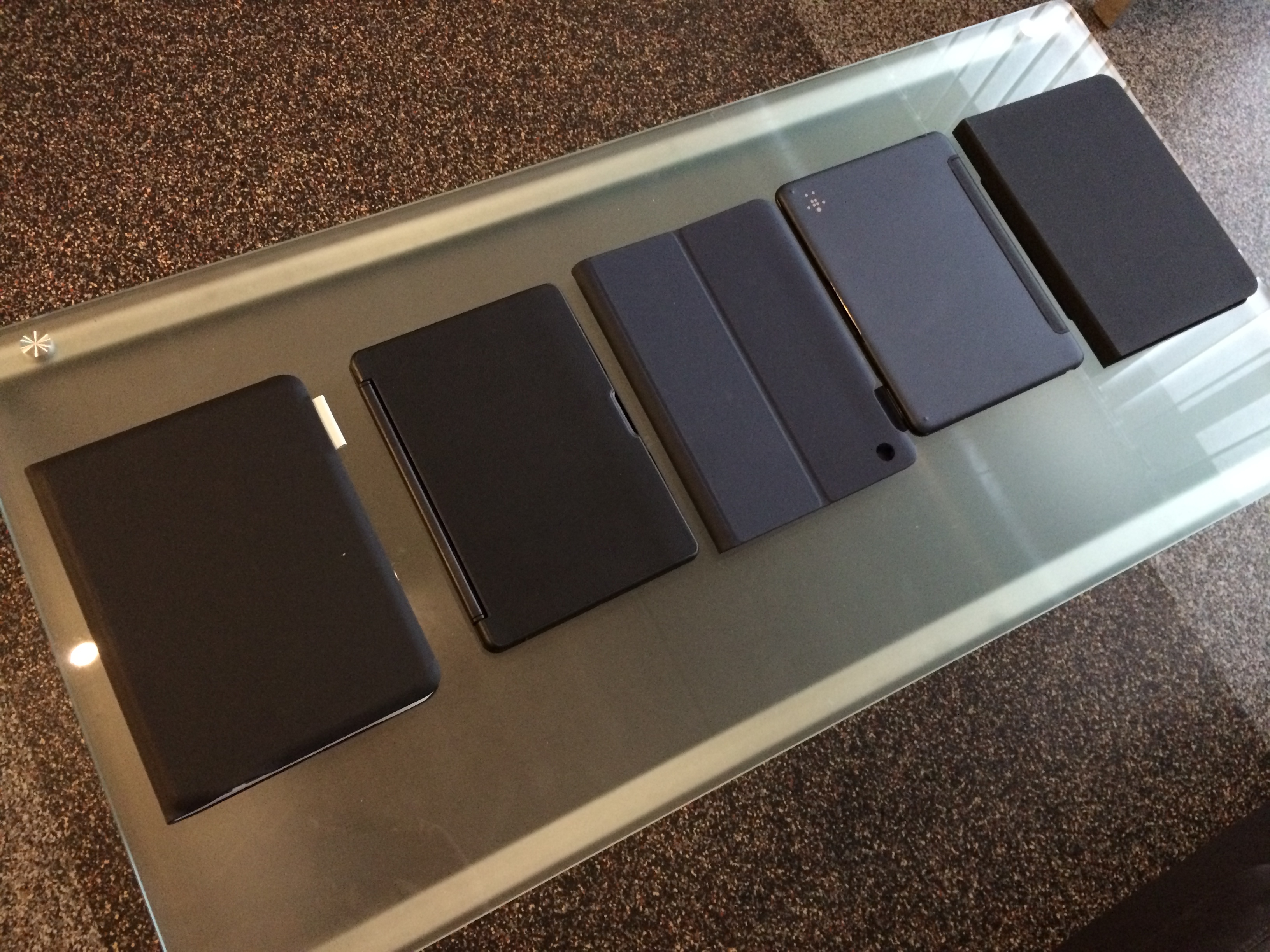
With its wide-range of applications, touchscreen capabilities, portability, and fast processing, the iPad Air has been regarded by many users as a tablet capable of content creation. Coming from a dedicated laptop, however, the Multi-Touch keyboard is a weakness. Not because it is incapable, but because it is sometimes slower to type with, less accurate, and less comfortable.
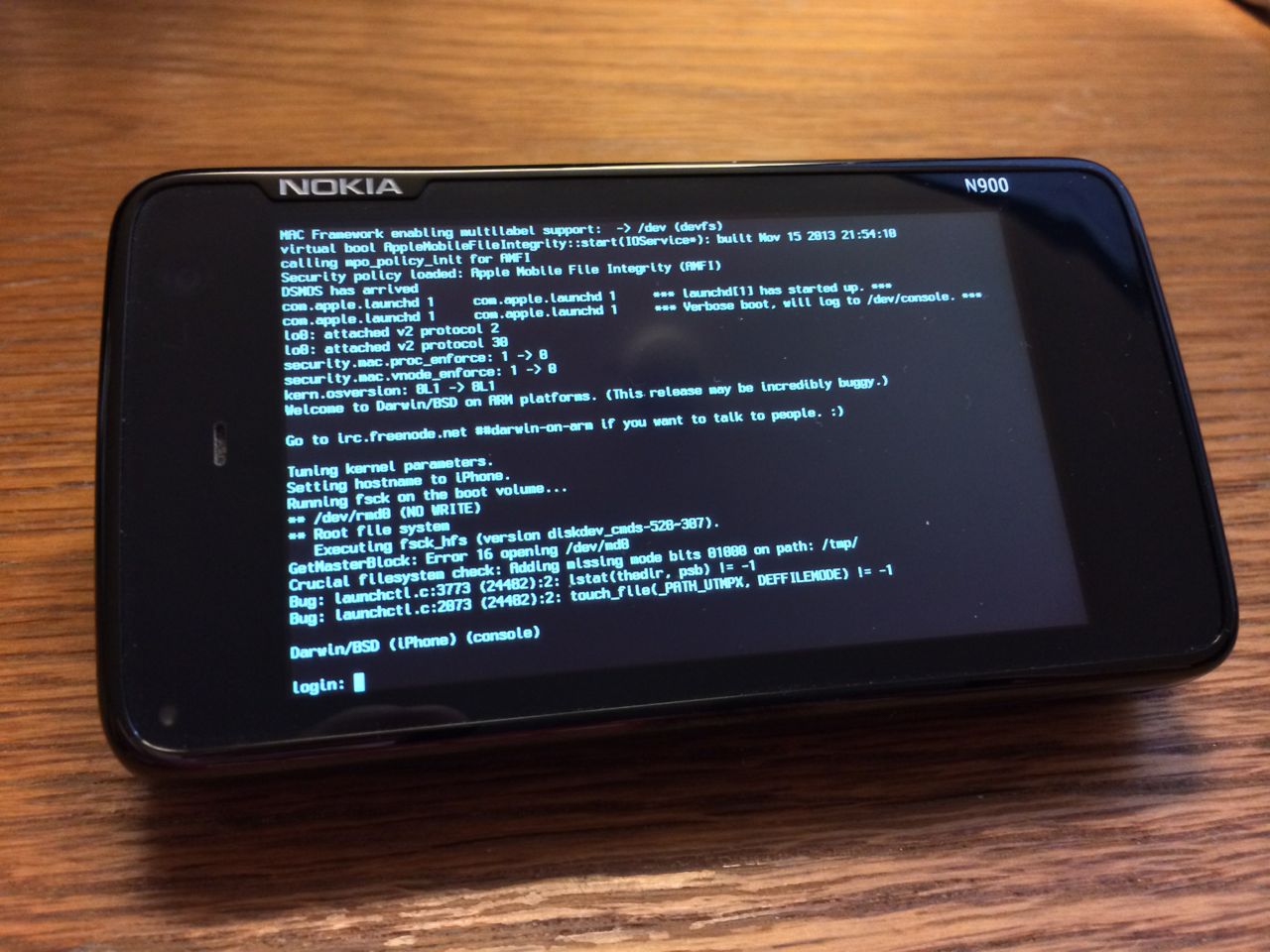
Software developer Winocm has managed to port the core elements of Apple’s iOS operating system to non-Apple devices. This core is known as the “XNU Kernel” and this is what Apple developed over a decade ago to create the foundation of OS X (and later, iOS). As can be seen in the image above from Steven Troughton-Smith, the system is successfully running on a Nokia N900 smartphone…
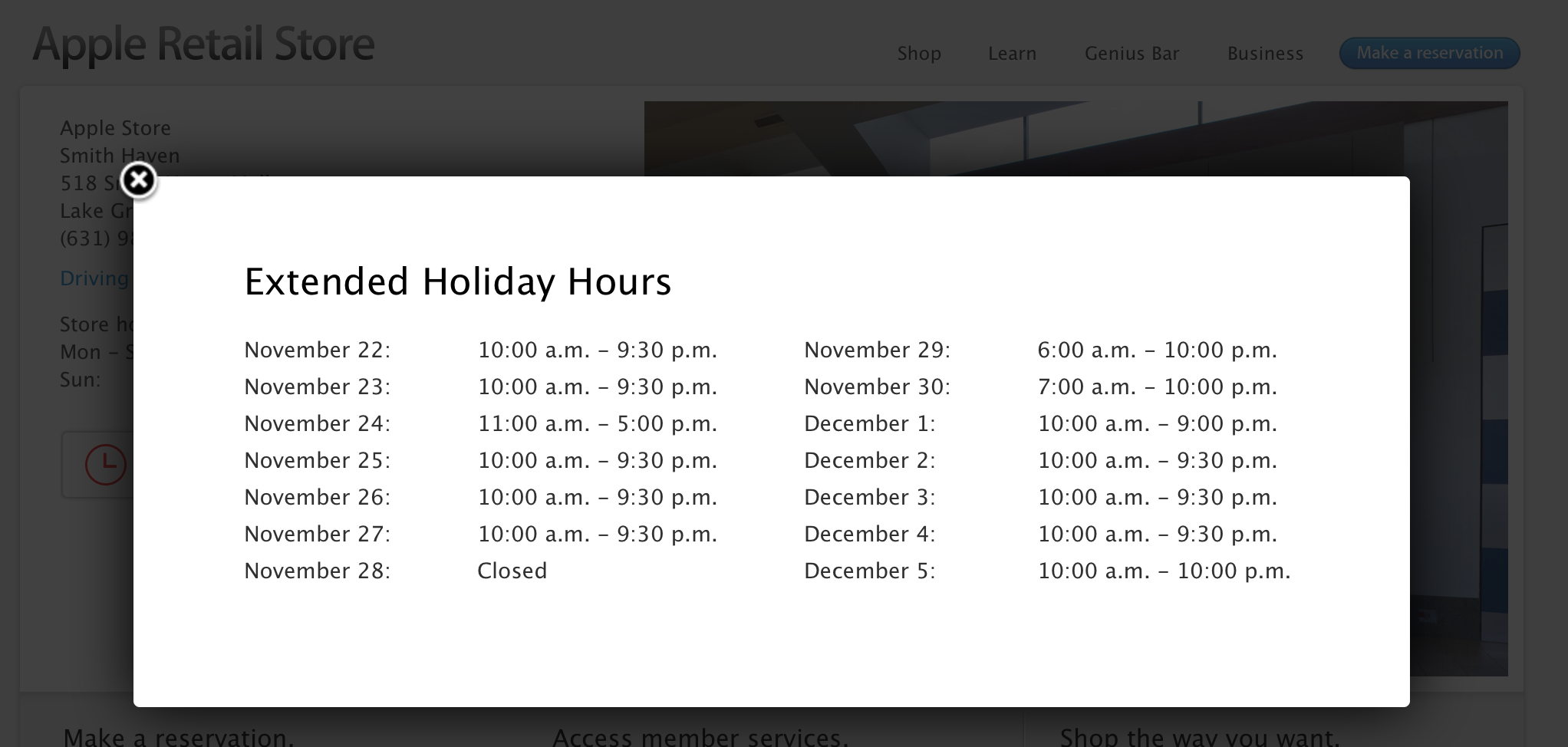
Select Apple Stores across the United States will open up at 6 AM for Black Friday on November 29th (via MacRumors). Apple typically holds a special shopping event with minor discounts on iPads, iPods, Macs, and third-party accessories on Black Friday, and we’re expecting Apple to do the same next Friday. Many Apple Stores in the U.S. will not be open at 6 AM on Black Friday, and many stores seem to be opening at their regular time, 7 AM, 8 AM, or 9 AM. The 6 AM stores seem to mainly be those in malls. It is best to check Apple’s retail hours on their website. Stores in Canada will open at their regular time, a couple hours earlier, or as early as 7 AM.
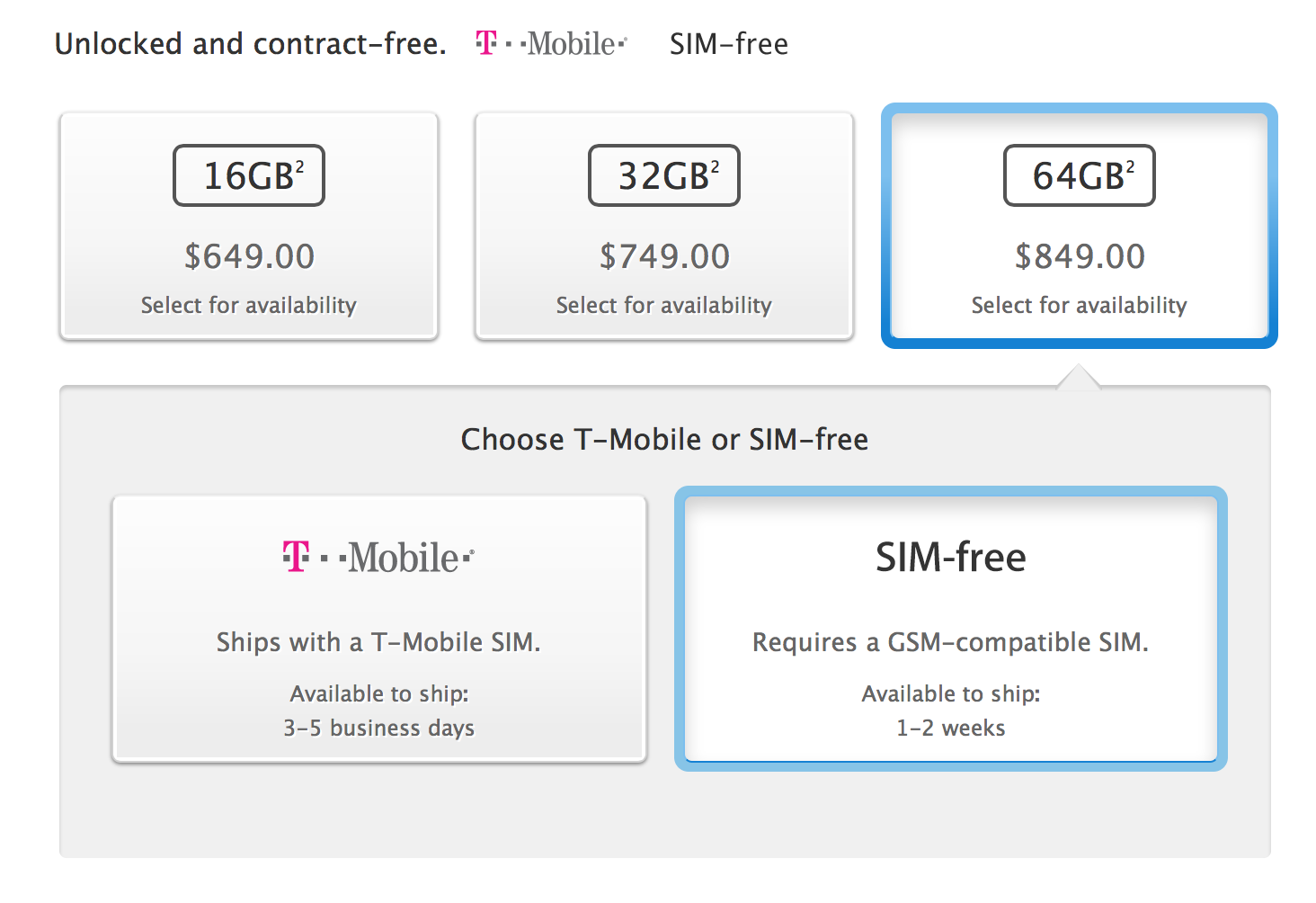
Apple today released an unlocked GSM version of the iPhone 5s on its online store for the United States. This version of the iPhone 5s includes the same exact capabilities of the non-unlocked models, but does not include a SIM card. Users who buy this version of the iPhone will need to supply their own SIM card. The central benefit of an unlocked iPhone is that it can work on many GSM networks across the globe with no contract. For frequent world travelers, this option is worth looking into…
Just last month, the NBA signed a $100 million deal with Samsung to utilize tablets court-side for instant replays. Turn the clock forward to this month, and Bloomberg has an extensive video interview with a company called Sportstec. Sportec provides 28 out of 30 of the NBA teams with iPads equipped with special software to analyze players, shots, and spots on the court. The software is exclusive to iOS devices. Players and coaches on these teams are all given iPads to improve their performance.
Customers entering an Apple Store (<a href="http://www.flickr.com/photos/klingon65/3840822757/in/photolist-6RpdN2-6RtfAW-6RJAHC-6TMNPK-6YaK9g-72ym3y-72ym69-76vgUH-76zcSC-7a46eP-7a46j2-7a46rZ-7a46vV-7a7VFJ-7bk1Cx-7dWBrd-7ebgkw-7fwqc8-7hjdSo-7pJoH8-7pJryH-7pNgDU-7pNhNW-7pNkxW-7rwhLM-7sVwEs-7tYcdD-bqqpoE-bqqqXs-bqqq3L-bDkiMB-bqqqwu-8gRXYQ-dDbgNk-crXJFW-dLxppW-co1G8N-dFMpEd-9SH1T9-bQrD92-aVVDhv-8gRXQC-8gRXR7-8gRXU7-8gNFZz-8gNFZV-8gRXSb-8gNG26-8gNG2H-8gRXTw-8gRXSw/">Photo by Gary Burke</a>)
iOS 7’s flashy launch earlier this year overshadowed a breakthrough new feature: iBeacons, a location-based technology with profound implications for industries such as retail. An iBeacon system could allow a store to install transmitters that would wirelessly connect to an iPhone and tell the phone its location with respect to items on shelves. This iPhone could then perform additional functionality if it is equipped with a specialized application. According to multiple sources, Apple is planning to soon enable just that in its retail stores… Expand Expanding Close
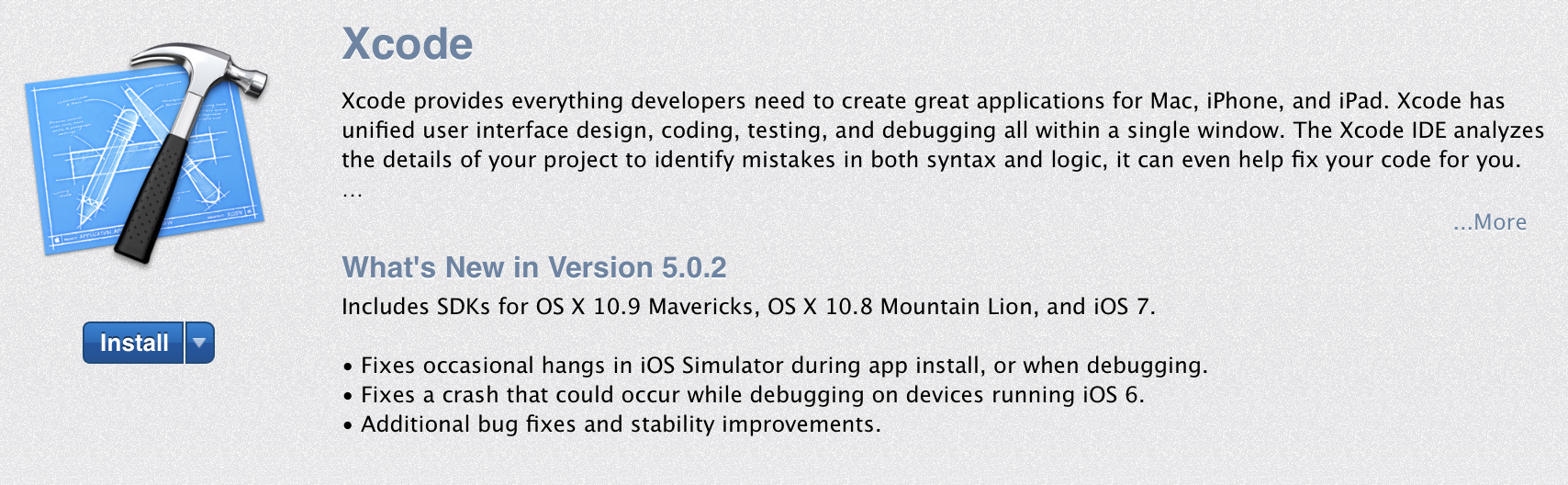
Versions for OS X Mavericks, OS X Mountain Lion, and OS X Lion are all available, and Apple asks developers to focus on the following during their testing:
General website compatibility, Accessibility, Viewing and annotating PDFs, Login autofill, Password autofill, Setting and using break points in Web Inspector
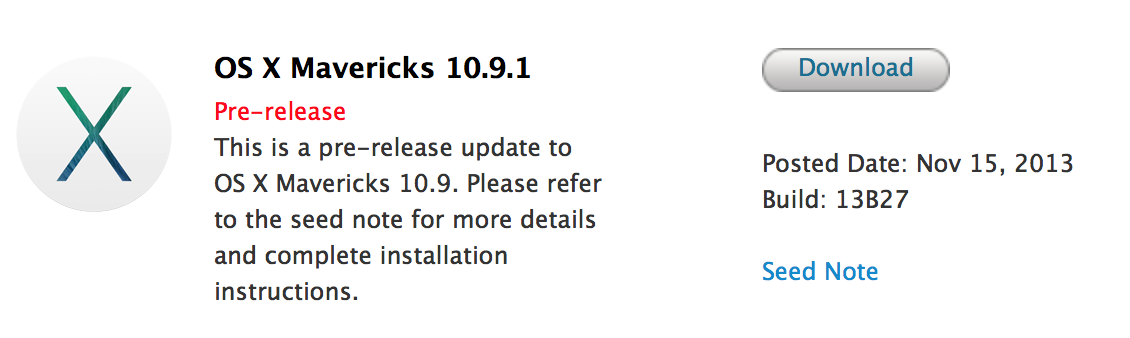
Apple has not said when the new release will become available for customers, but based on the increase in testing, the release will likely occur within the next couple of weeks. Apple is also internally testing updates to OS X Mavericks: 10.9.1 and 10.9.2.
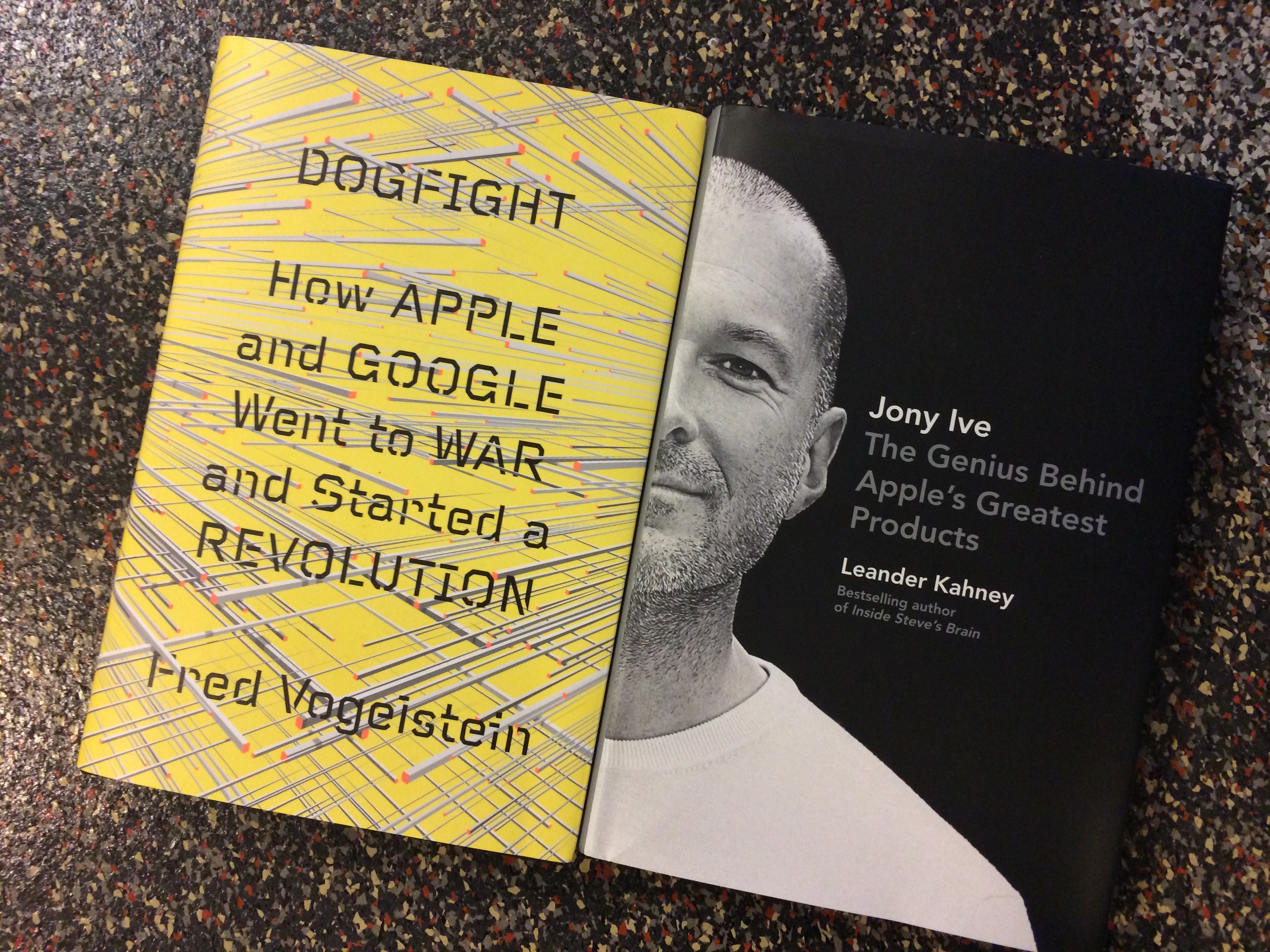
Dogfightfocuses on the emergence of both Apple and Google as the world’s two preeminent technology companies, and it details the competition of the two companies and the respective product development cycles of early iPhones and iPads and devices running Android. The book provides first-hand accounts of life working under Steve Jobs, and details the incredible run-up to the launch of the first iPhone in early 2007…
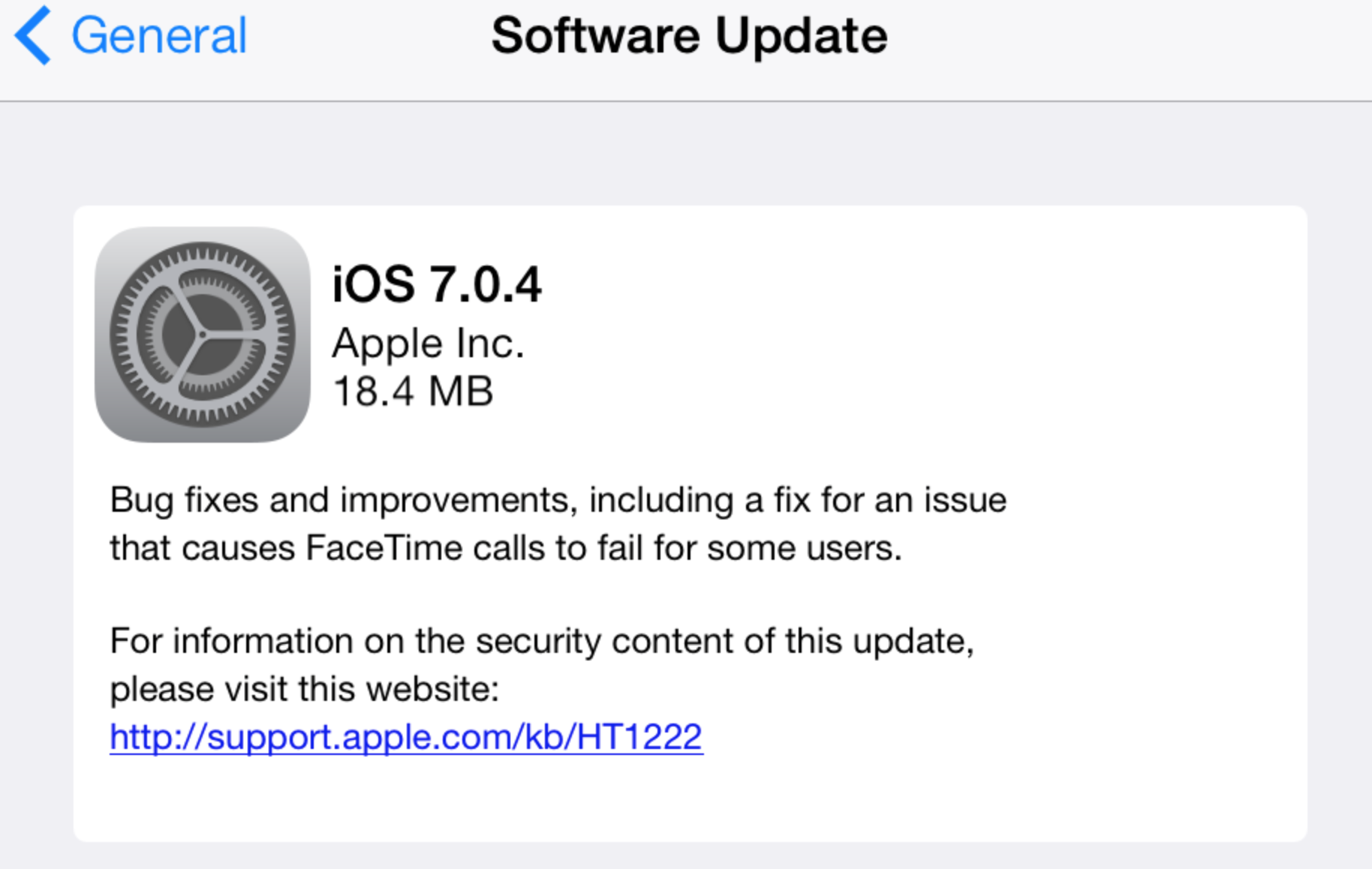
This morning, Apple has released iOS 7.0.4 for iPhone, iPad, and iPod touch. The update is a bug fix release with improvements. Apple notes that the update includes a fix for FaceTime calls that could fail for some users. The update is available over-the-air via the Software Update section in the iOS Settings app…
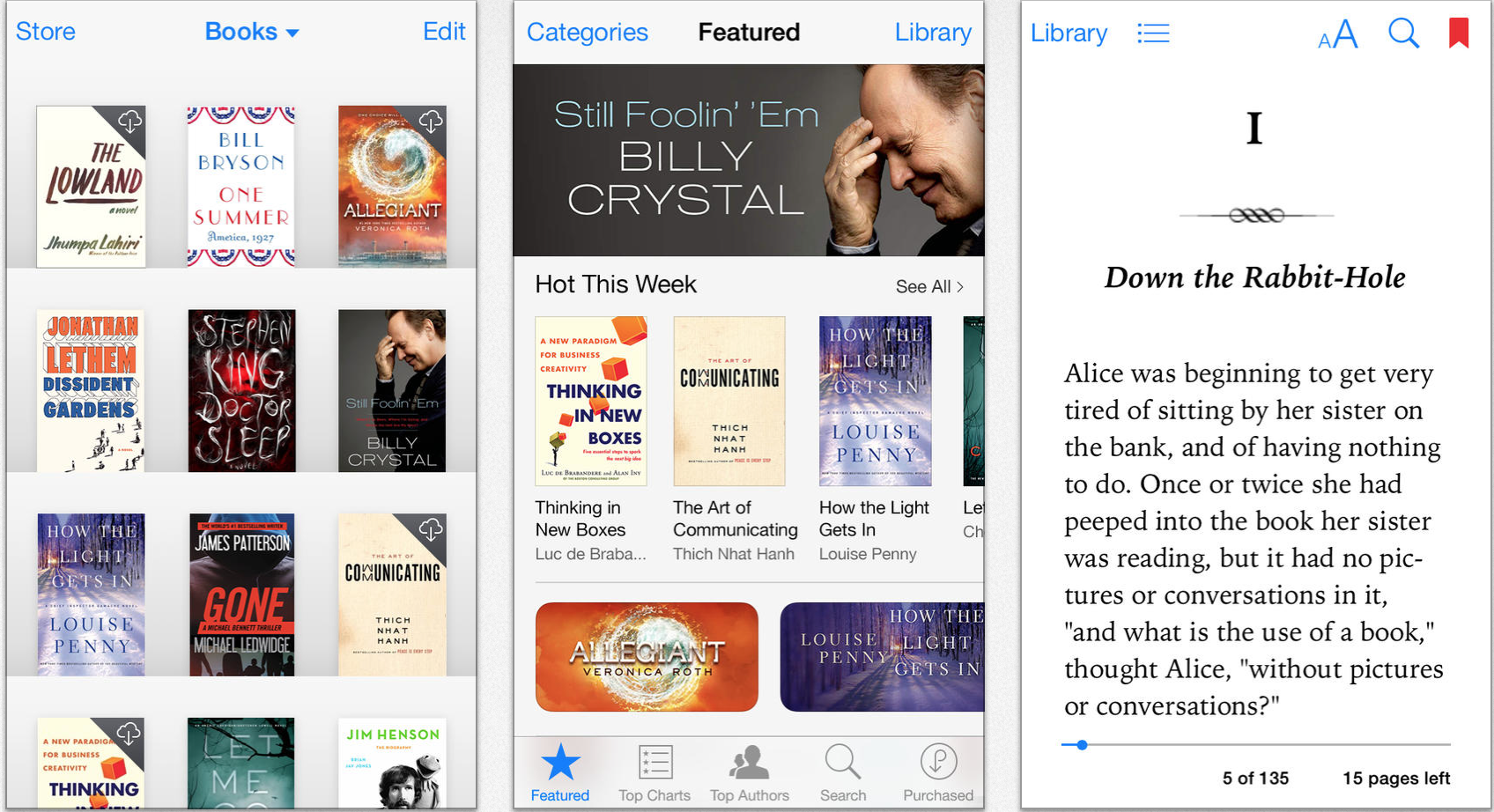
Following redesigns of many of its other applications, Apple has completely redesigned its iBooks application for iOS 7. The new iPhone, iPad, and iPod touch app follows the design aesthetic of the bundled Newsstand application, and also includes a completely redesigned iBookstore. The free update is available via the App Store now. For fans of the page curl effect in iBooks, you will be happy to know that it has not been removed.
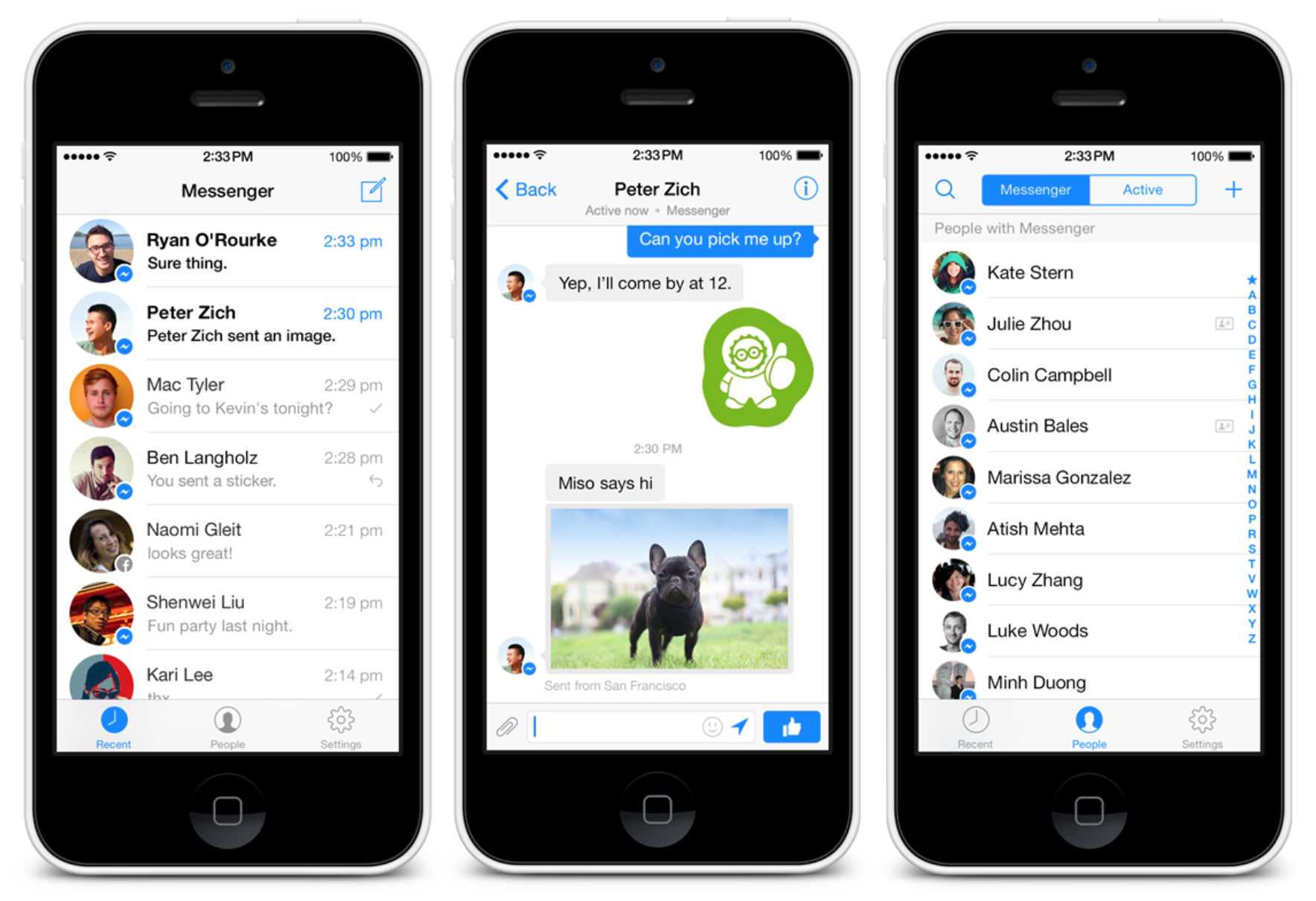
Update:The app is out… though BBM for iPad is (unsurprisingly?) just the iPhone app working stretched. Although the stretched iPhone app has always been available for cellular iPads, today’s update brings the app to wi-fi only models of the iPad and iPods.
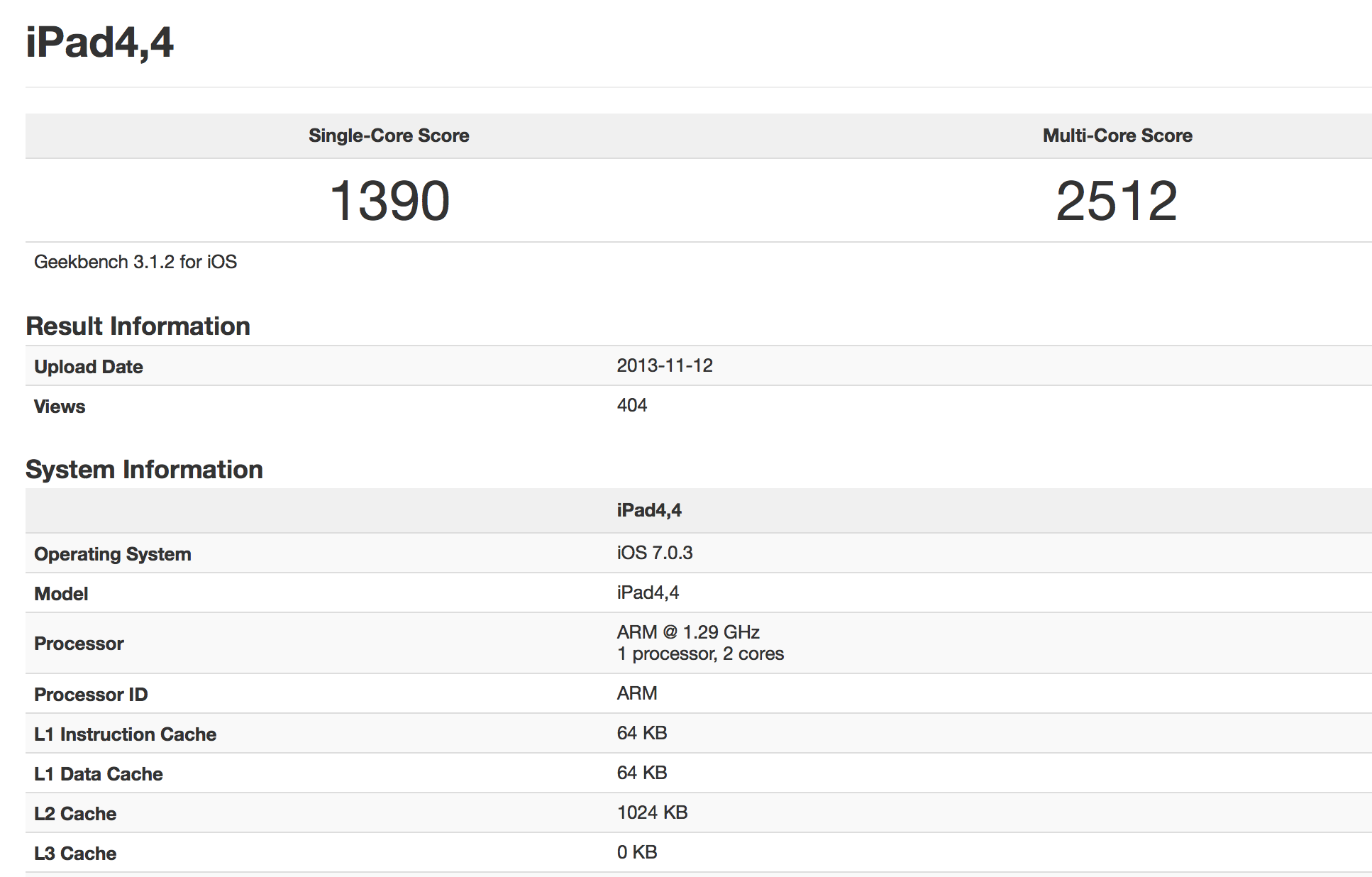
In real world usage, it is unlikely that users will notice difference in speed between the new two new Apple tablets, but the difference is interesting in light of both products including the same 64-bit A7 architecture. Perhaps the Mini is clocked at a slightly slower speed for thermal considerations due to the smaller overall form-factor or too keep the battery/encasing size to within millimeters of its predecessor while retaining the same 10 hour battery life.
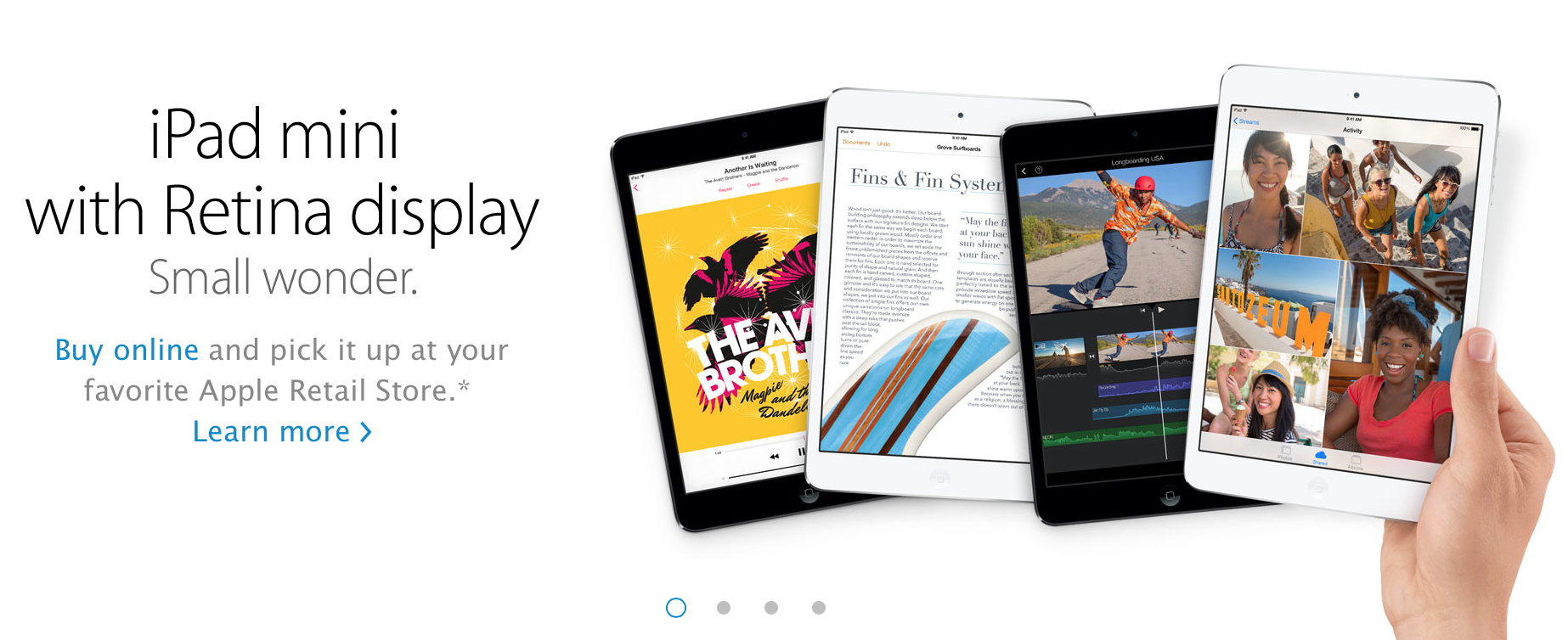
Due to “limited supply” and “high demand,” the new iPad mini with Retina display will be available at Apple Stores exclusively through the Personal Pickup service for the time-being. Personal Pickup allows a customer to purchase a Retina iPad mini via the Apple Online Store, then pick it up at an Apple Retail location of their choosing. This also means that a customer who wants a Retina iPad mini cannot simply walk-in to an Apple Store and buy one (yet). It’s likely that Apple will allow walk-in purchases when demand meets supply. Apple notified its retail employees of the current sales exclusivity to Personal Pickup customers, and Apple’s own retail website seems to imply similar…
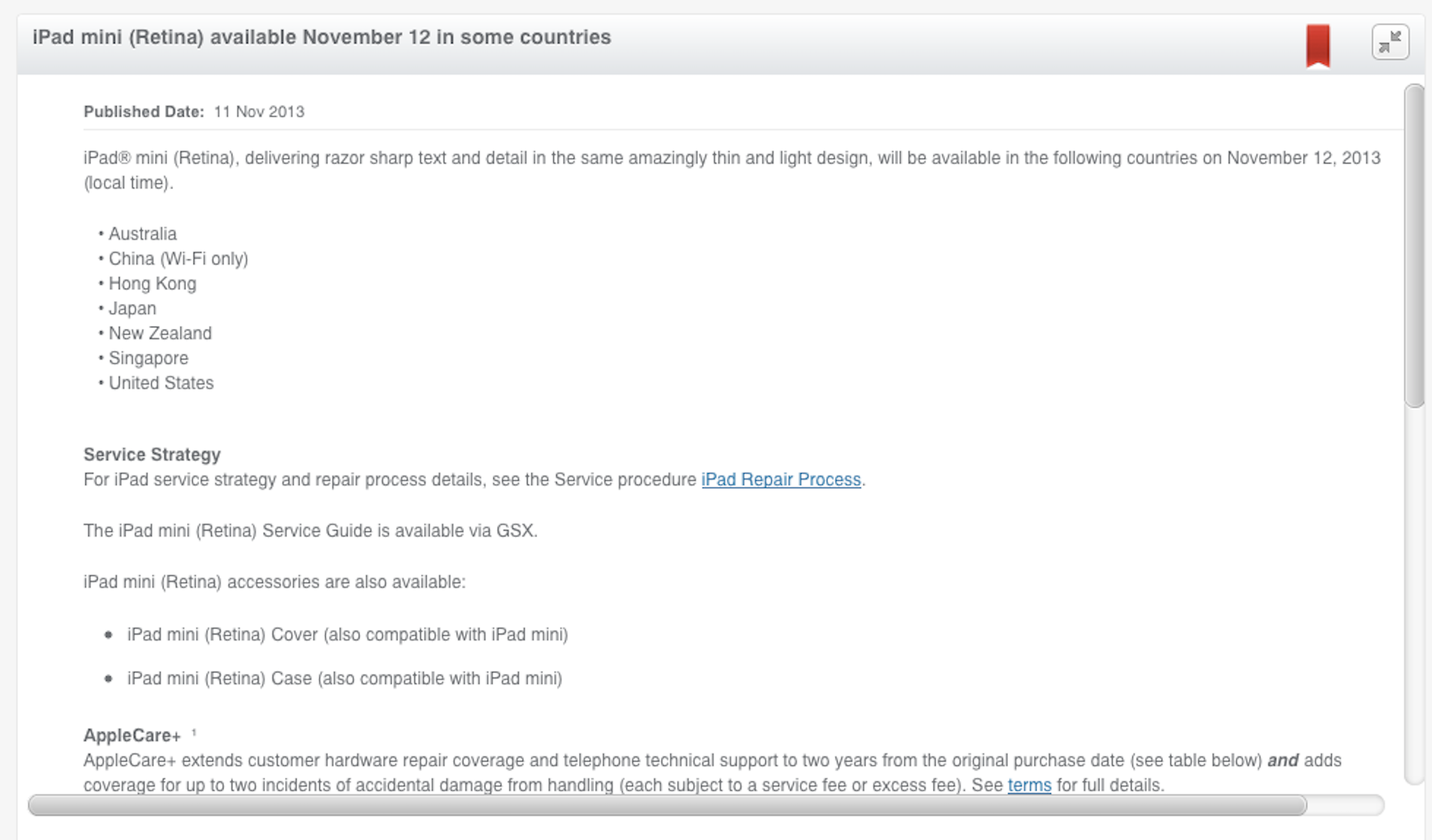
Apple’s internal “GSX” tool for Apple support technicians and resellers says that the iPad mini with Retina display will become available on November 12th. We’ve confirmed the existence of the above note in GSX, which was first noted by MacRumors, with multiple independent sources. The note says that the Retina iPad mini will become available in Australia, China, Hong Kong, Japan, New Zealand, Singapore, and the United States local time on Tuesday the 12th. Although this is confirmed to have come out of an Apple internal system, a Retina iPad mini launch date tomorrow seems very odd…



 Apple has not said when the new release will become available for customers, but based on the increase in testing, the release will likely occur within the next couple of weeks. Apple is also