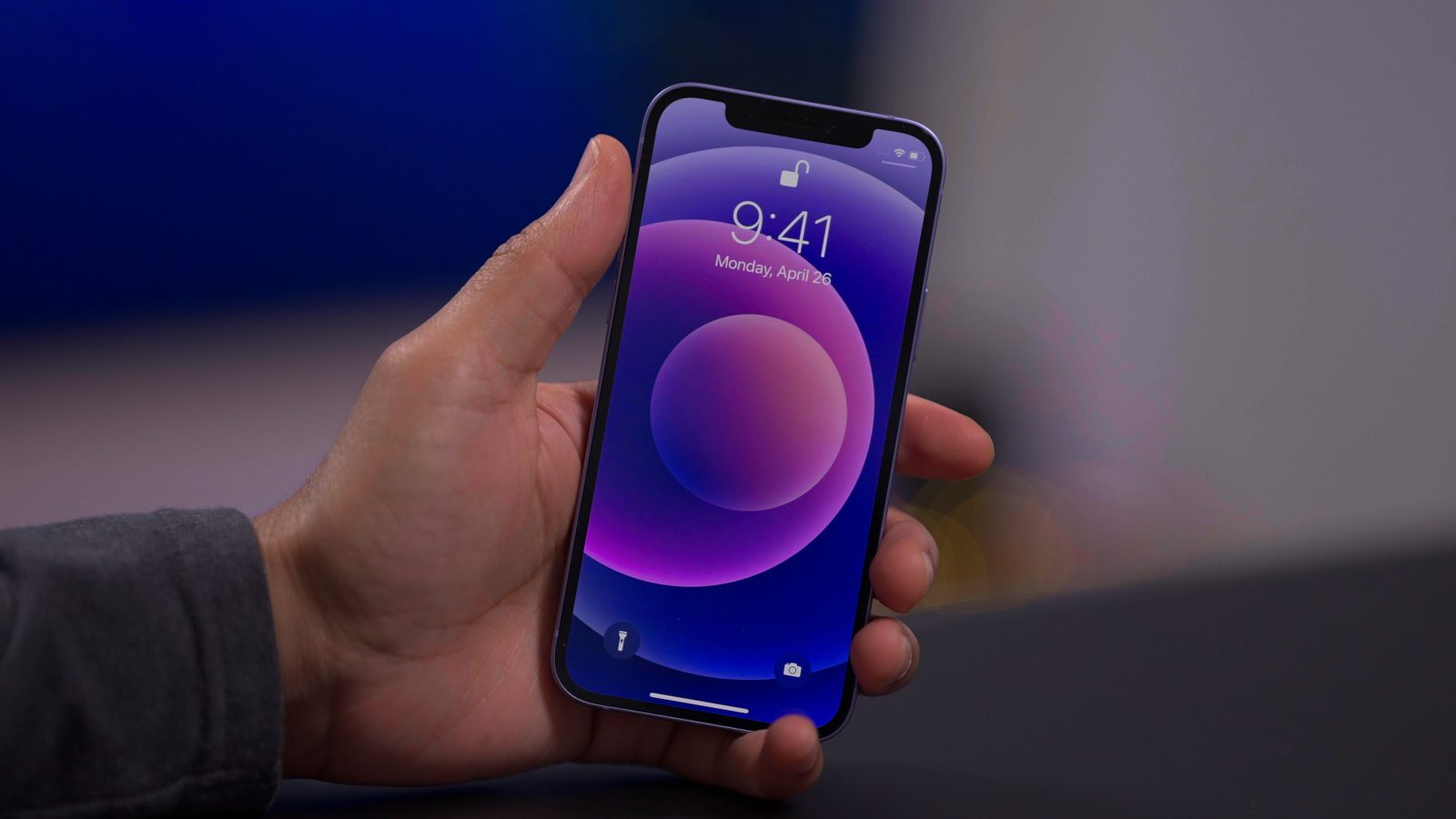
AAPL Company

See All Stories

Breaking news from Cupertino. We’ll give you the latest from Apple headquarters and decipher fact from fiction from the rumor mill.
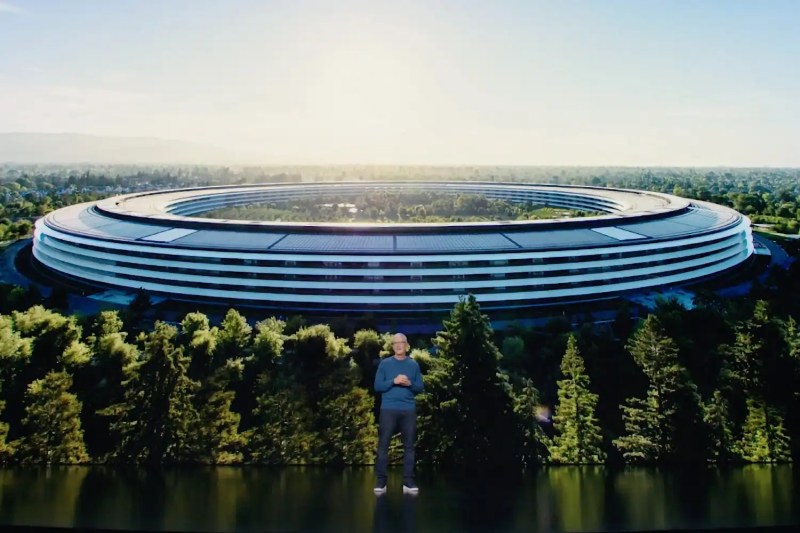
Apple Park Tim Cook AAPL

AAPL is a California-based computer company that became the most successful smartphone company in the world.

AAPL defined by Apple

Here’s how Apple defines itself:

Apple revolutionized personal technology with the introduction of the Macintosh in 1984. Today, Apple leads the world in innovation with iPhone, iPad, Mac, Apple Watch, and Apple TV. Apple’s five software platforms — iOS, iPadOS, macOS, watchOS, and tvOS — provide seamless experiences across all Apple devices and empower people with breakthrough services including the App Store, Apple Music, Apple Pay, and iCloud. Apple’s more than 100,000 employees are dedicated to making the best products on earth, and to leaving the world better than we found it.

Key AAPL history

From Apple I to iMac

Apple was founded in 1976 by Steve Jobs (Steve), Steve Wozniak (Woz), and (briefly) Ronald Wayne as a business partnership: Apple Computer Company. The following year it became Apple Computer, Inc. The company’s first product was the Apple I, a personal computer hand-built by Woz and sold in part-completed kit form. The Apple II and Apple III followed.

The modern Apple as we know it today began in 1983, with the launch of the first personal computer with a graphical user interface, the Lisa. Way too expensive to succeed, it was replaced by the Macintosh in 1984, launched with the single showing of a Ridley Scott commercial during the Super Bowl. The Macintosh transformed the world’s understanding of what a computer was, and would eventually lead to Microsoft adopting the GUI approach.

Steve Jobs and then Apple-CEO John Scully fell out in 1985, when Steve wanted to focus on the Macintosh while Scully wanted to put more attention on the Apple II, which was still selling well. That led to Steve being forced out of the company and going off to form NeXT.

Apple focused on selling Macintosh models at the highest possible margins, but would eventually fall foul of a mix of unsustainable pricing in the face of competition from Windows machines, and an overly complex product lineup. By 1996, the company was in trouble, and in 1997 Steve was brought back, along with the NeXT operating system, which would eventually form the basis of Mac OS X.

Steve simplified the Mac lineup and had industrial designer Jony Ive work on a whole new look for a consumer desktop Mac, the colorful iMac. The iMac, like the original Macintosh, again changed the world’s understanding of what a computer was, and who should want one.

From Apple Computer, Inc. to Apple, Inc.

In 2001, Apple launched the iPod. Although this wasn’t the first mp3 player, it was massively better than anything on the market at the time, and succeeded in turning a geeky piece of technology into a consumer electronics product with mass-market appeal.

The success of the iPod paved the way into other mobile devices. Apple was working on what would eventually become the iPad, when Steve realized that this was the basis of a smartphone. He diverted the team’s work into this, to launch the iPhone in 2007. The iPad launched later, in 2010.

The iPhone was yet another transformational product. While most other smartphones of the time were clunky devices with a keyboard and stylus, the iPhone was a sleek-looking device operated with a finger, and so simple that no user guide was needed. It was with the launch of the iPhone that Apple Computer, Inc. was renamed to Apple, Inc.

From Intel to Apple Silicon

While the iPhone, iPad, Apple Watch, and more are made with Apple-designed processors, the Mac lineup has historically relied on third-party companies for its CPUs. Over the years, Macs progressed from Motorola 680000 series chips through PowerPC to Intel.

In 2020, Apple began a two-year transition to the final stage in that journey, with Macs too finally getting Apple-designed chips. The first such is the M1 chip, used in the latest Mac mini, MacBook Air, and 13-inch MacBook Pro. Other Apple Silicon Macs followed.

AAPL today

Apple is one of the largest companies in the world. It was the first publicly traded company to hit a trillion-dollar valuation in 2018, $2 trillion in 2020, and $3T in 2022.

The company’s product lineup includes five different Mac families (MacBook Air, MacBook Pro, iMac, Mac Pro, and Mac mini); four iPad ranges (iPad mini, iPad, iPad Air, iPad Pro); four iPhone 12 models (12, 12 mini, 12 Pro, 12 Pro Max); three main Apple Watch models (SE, Series 3, Series 6); as well as other products, including Apple TV, AirPods, and HomePod mini.

In addition to hardware sales, Apple derives a growing proportion of its income from Services, including the App Store, iCloud, Apple Music, and Apple Pay.

Gurman: Apple rapidly expanding outside of Silicon Valley as it struggles to recruit and retain talent

AAPL is a key investment

Amid pushback regarding Apple’s plans to return to in-person work this fall, Mark Gurman at Bloomberg reports that Apple is “ramping up efforts to decentralize out of Silicon Valley.” In the latest edition of his Power On newsletter, Gurman reports that Apple has faced a variety of problems recruiting and retaining talent because of its emphasis on Silicon Valley.

Expand Expanding Close

Apple-backed ride-hailing service Didi Chuxing removed from App Store over privacy concerns

Back in 2016, Apple announced a $1 billion investment in the Chinese Uber competitor Didi Global, with Tim Cook saying the investment presented a variety of strategic opportunities for Apple. The investment also earned Apple a seat on Didi’s board.

Now, just days after going public with a US IPO, Didi Chuxing is under fire for illegally collecting user data, and the China Cyberspace Administration has now ordered the app to be removed from the App Store.

Expand Expanding Close

Apple suppliers in India selected for incentives, likely to be used for iPad production

Apple suppliers in India selected for incentives

Two Apple suppliers in India have been selected to receive manufacturing incentives, which are likely to be used for iPad production in the country. The scheme is known as a production-linked incentive (PLI) plan.

Foxconn and Wistron were among the companies to qualify for cash-back deals in return for boosting their manufacturing operations in the country …

Expand Expanding Close

Apple says in-person work is ‘essential’ and will not go back from its hybrid work plan

AAPL company Apple Park

Earlier this month, Tim Cook announced in an internal memo that Apple is going to adopt a new hybrid work plan that will require employees to work in-person at least three days a week. While this has resulted in some controversy, the company reaffirmed that it has no plans to go back on its decision, as it considers in-person work “essential.”

Expand Expanding Close
Stars call for UK gadget tax

Celebrities call for UK gadget tax, which would include Apple products

A number of high-profile British actors, artists, and authors are calling for a UK gadget tax of anywhere from 1% to 3% to “fairly reward creators and performers in making a living from their content.” They have dubbed the proposal “the Smart Fund.”

The tax would be applied to any device that can be used to download and store “creative content,” so would apply to iPhones, iPads, and Macs …

Expand Expanding Close

Report: Tim Cook called Nancy Pelosi and other members of Congress to warn against antitrust legislation [U]

Tim Cook received his annual stock payout Apple

Update June 24, 2021: Nancy Pelosi has now confirmed that she spoke with Apple CEO Tim Cook on the phone, but did not share many details. According to Politico’s Leah Nylen, Pelosi told Cook: “If you have a substantive concern, put it forth as Congress works its well.”


A new report from The New York Times today details that Apple CEO Tim Cook has personally reached out to Speaker Nancy Pelosi and other members of Congress to voice concern about looming antitrust legislation. According to the report, Cook personally called Speaker Pelosi in the days after antitrust legislation targeting big tech was introduced earlier this month.

Expand Expanding Close

Apple continues crackdown on leaks, sends warning letters to prominent sources

iPhone 12

Apple is taking action against some of the most prominent leakers in the Apple community. “Kang,” one of the most reliable and well-known Apple leakers, posted on Weibo this week that he received a letter from a law firm representing Apple about information he had previously leaked. This comes after 9to5Mac recently reported that Apple also made changes to its internal development process to crack down on leaks.

Expand Expanding Close

Opinion: Apple could have avoided the App Store mess by listening to Schiller in 2011

App Store mess could have been avoided

Apple is currently busy trying to extricate itself from an App Store mess. It’s making calls, writing letters, publishing white papers, and conducting interviews, all in an attempt to reverse the antitrust tide.

Some of the moves it is making frankly signal desperation, and it’s astonishing to me that the company missed an opportunity to enjoy a PR dream instead of its current defensive nightmare.

It’s not like Apple couldn’t see this coming – it had internal discussions about the issue a full decade ago …

Expand Expanding Close

Apple pens letter to House Judiciary Committee saying proposed antitrust legislation would ‘create a race to the bottom for privacy’

Ahead of the House Judiciary Committee holding another hearing on antitrust legislation later this morning, Apple has published its full letter explaining how the proposed legislation would undermine the security of the iPhone and App Store. The letter is addressed to Chairmen Nadler and Cicilline, and Ranking Members Jordan and Buck and is signed by Timothy Powderly, Apple’s senior director of government affairs.

Expand Expanding Close

Ireland doesn’t want to increase 12.5% tax paid by Apple, Google, and others

Ireland doesn't want to increase tax paid by Apple, Google and others

The 12.5% corporate tax paid by Apple, Google, Microsoft, and other companies to Ireland would have to end under a global tax plan orchestrated by the Biden administration – and the Irish government isn’t happy about it.

The G7 nations and the European Union reached agreement in principle that all member countries would impose a minimum corporate tax of 15%. Ireland had previously expressed concern about this, and now says it thinks the rate should be “negotiable” …

Expand Expanding Close