AAPL Company

See All Stories

Breaking news from Cupertino. We’ll give you the latest from Apple headquarters and decipher fact from fiction from the rumor mill.
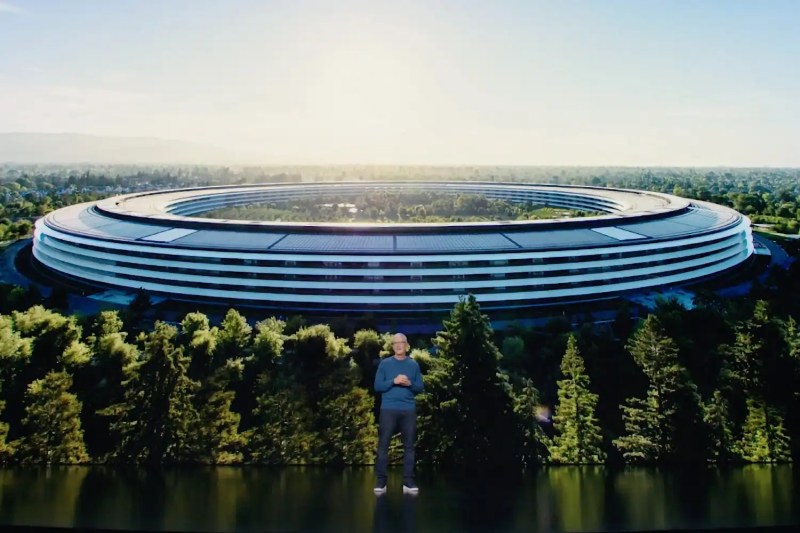
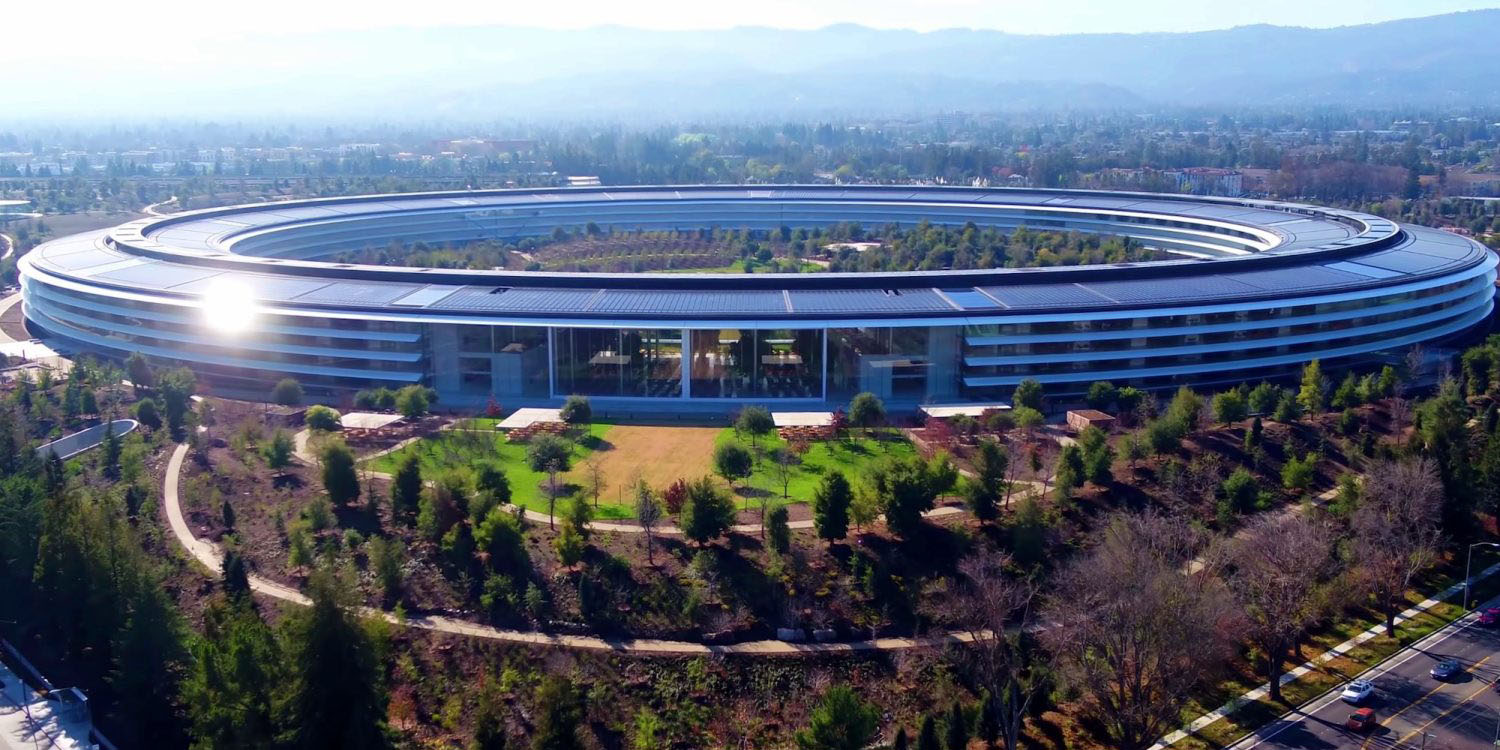
Apple Park Tim Cook AAPL

AAPL is a California-based computer company that became the most successful smartphone company in the world.

AAPL defined by Apple

Here’s how Apple defines itself:

Apple revolutionized personal technology with the introduction of the Macintosh in 1984. Today, Apple leads the world in innovation with iPhone, iPad, Mac, Apple Watch, and Apple TV. Apple’s five software platforms — iOS, iPadOS, macOS, watchOS, and tvOS — provide seamless experiences across all Apple devices and empower people with breakthrough services including the App Store, Apple Music, Apple Pay, and iCloud. Apple’s more than 100,000 employees are dedicated to making the best products on earth, and to leaving the world better than we found it.

Key AAPL history

From Apple I to iMac

Apple was founded in 1976 by Steve Jobs (Steve), Steve Wozniak (Woz), and (briefly) Ronald Wayne as a business partnership: Apple Computer Company. The following year it became Apple Computer, Inc. The company’s first product was the Apple I, a personal computer hand-built by Woz and sold in part-completed kit form. The Apple II and Apple III followed.

The modern Apple as we know it today began in 1983, with the launch of the first personal computer with a graphical user interface, the Lisa. Way too expensive to succeed, it was replaced by the Macintosh in 1984, launched with the single showing of a Ridley Scott commercial during the Super Bowl. The Macintosh transformed the world’s understanding of what a computer was, and would eventually lead to Microsoft adopting the GUI approach.

Steve Jobs and then Apple-CEO John Scully fell out in 1985, when Steve wanted to focus on the Macintosh while Scully wanted to put more attention on the Apple II, which was still selling well. That led to Steve being forced out of the company and going off to form NeXT.

Apple focused on selling Macintosh models at the highest possible margins, but would eventually fall foul of a mix of unsustainable pricing in the face of competition from Windows machines, and an overly complex product lineup. By 1996, the company was in trouble, and in 1997 Steve was brought back, along with the NeXT operating system, which would eventually form the basis of Mac OS X.

Steve simplified the Mac lineup and had industrial designer Jony Ive work on a whole new look for a consumer desktop Mac, the colorful iMac. The iMac, like the original Macintosh, again changed the world’s understanding of what a computer was, and who should want one.

From Apple Computer, Inc. to Apple, Inc.

In 2001, Apple launched the iPod. Although this wasn’t the first mp3 player, it was massively better than anything on the market at the time, and succeeded in turning a geeky piece of technology into a consumer electronics product with mass-market appeal.

The success of the iPod paved the way into other mobile devices. Apple was working on what would eventually become the iPad, when Steve realized that this was the basis of a smartphone. He diverted the team’s work into this, to launch the iPhone in 2007. The iPad launched later, in 2010.

The iPhone was yet another transformational product. While most other smartphones of the time were clunky devices with a keyboard and stylus, the iPhone was a sleek-looking device operated with a finger, and so simple that no user guide was needed. It was with the launch of the iPhone that Apple Computer, Inc. was renamed to Apple, Inc.

From Intel to Apple Silicon

While the iPhone, iPad, Apple Watch, and more are made with Apple-designed processors, the Mac lineup has historically relied on third-party companies for its CPUs. Over the years, Macs progressed from Motorola 680000 series chips through PowerPC to Intel.

In 2020, Apple began a two-year transition to the final stage in that journey, with Macs too finally getting Apple-designed chips. The first such is the M1 chip, used in the latest Mac mini, MacBook Air, and 13-inch MacBook Pro. Other Apple Silicon Macs followed.

AAPL today

Apple is one of the largest companies in the world. It was the first publicly traded company to hit a trillion-dollar valuation in 2018, $2 trillion in 2020, and $3T in 2022.

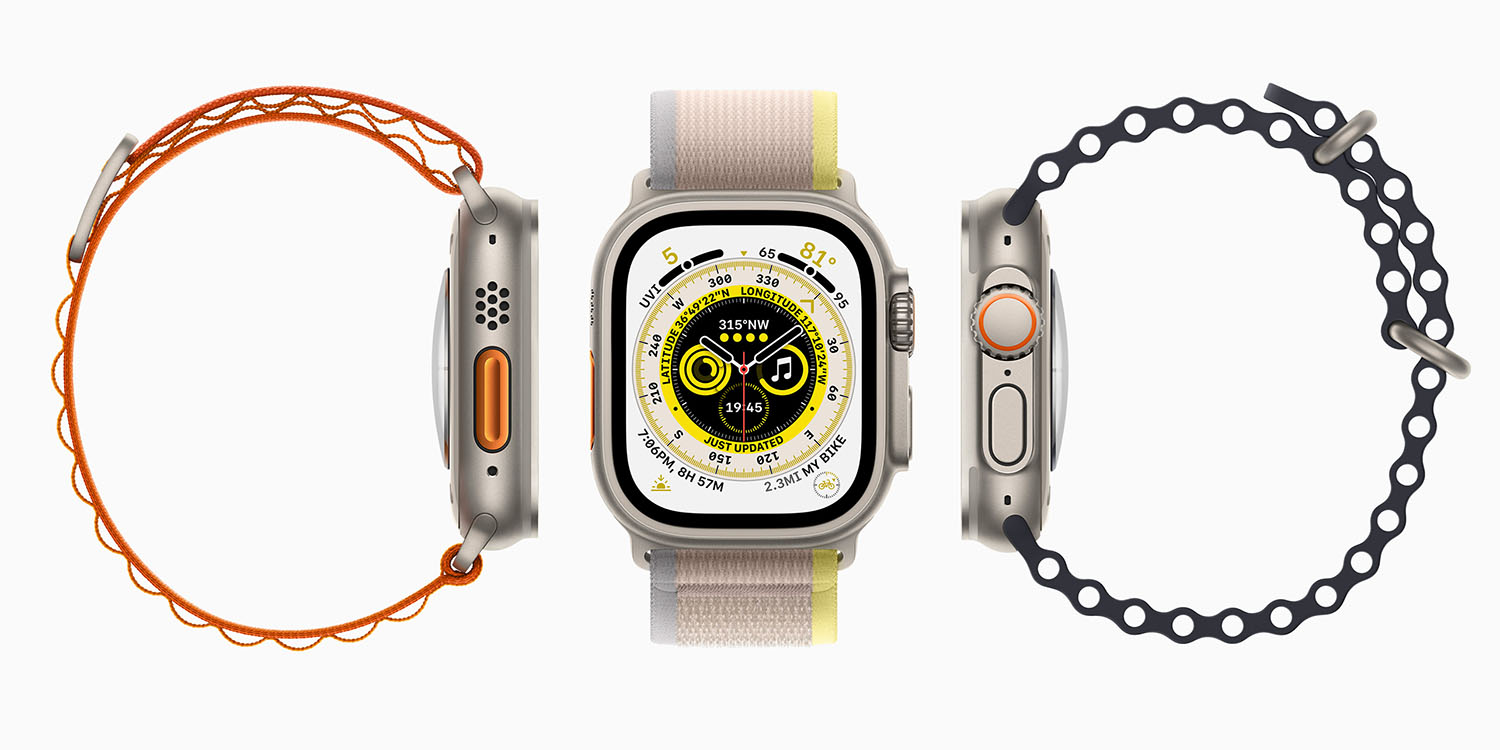
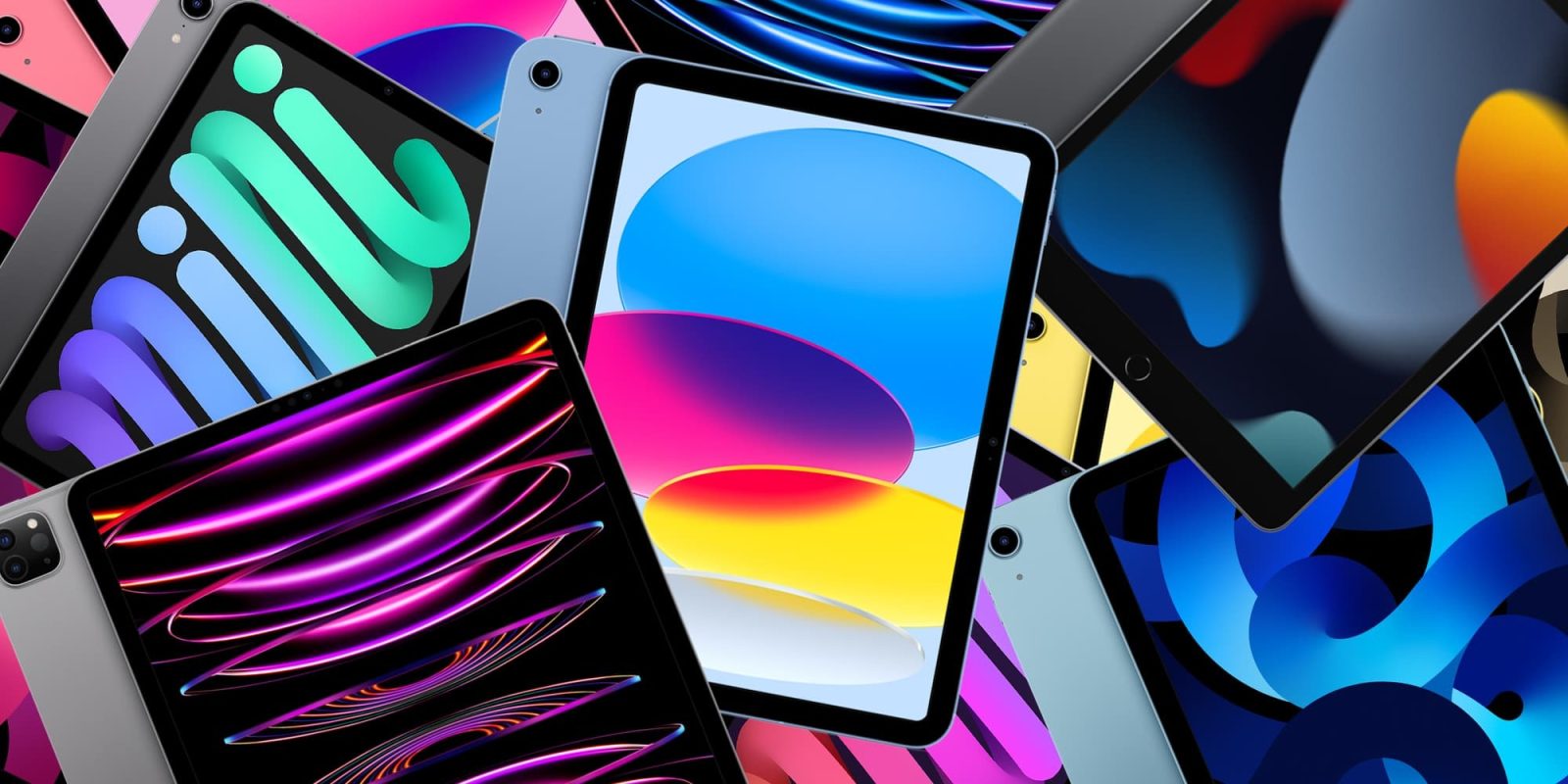
The company’s product lineup includes five different Mac families (MacBook Air, MacBook Pro, iMac, Mac Pro, and Mac mini); four iPad ranges (iPad mini, iPad, iPad Air, iPad Pro); four iPhone 12 models (12, 12 mini, 12 Pro, 12 Pro Max); three main Apple Watch models (SE, Series 3, Series 6); as well as other products, including Apple TV, AirPods, and HomePod mini.

In addition to hardware sales, Apple derives a growing proportion of its income from Services, including the App Store, iCloud, Apple Music, and Apple Pay.

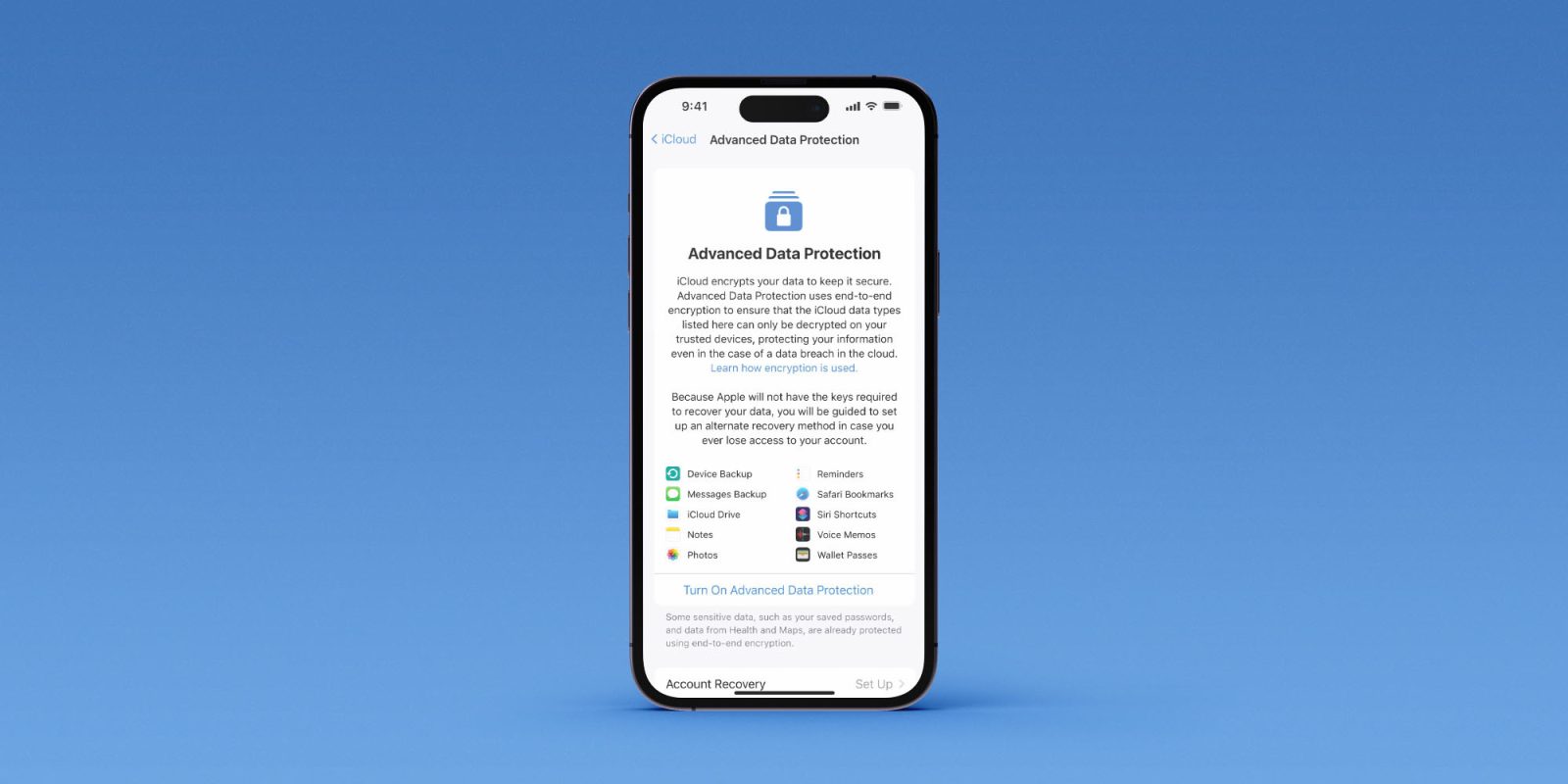
Apple debuts Advanced Data Protection to bring end-to-end encryption to Messages in iCloud, Photos, device backups, much more

advanced data protection

Apple today has announced a dramatic expansion of end-to-end encryption for its various cloud services. Called Advanced Data Protection, this initiative expands end-to-end encryption to a number of additional iCloud services, including iCloud device backups, Messages backups, Photos, and much more.

Expand Expanding Close

Apple Silicon made in America – explaining the conflicting reports [Comment]

Site default logo image

Apple CEO Tim Cook said yesterday that TSCM Arizona plants would see Apple Silicon made in America. This appeared to contradict earlier reports that the US plants would always remain a step behind the most advanced chip tech TSMC uses in Taiwan.

On the face of it, Cook’s statement would seem to trump earlier “inside source” reports – but the stated timings are problematic, leaving open two distinct possibilities …

Expand Expanding Close

Tim Cook introduces TSMC Arizona factory: ‘These chips can be proudly stamped Made in America’

Tim Cook arizona

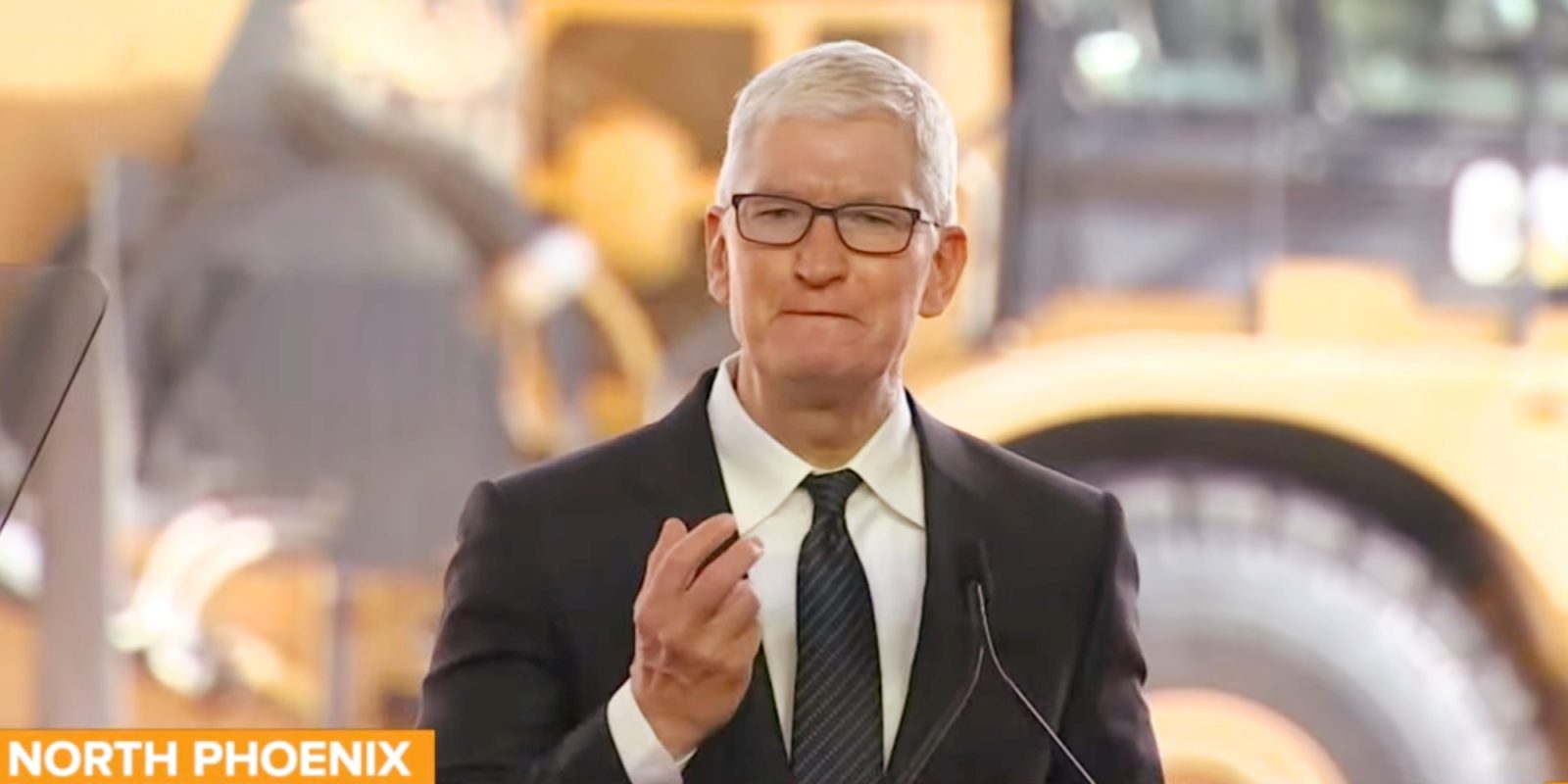
As expected, Apple CEO Tim Cook paid a visit to Arizona today, where he toured the upcoming TSMC semiconductor plant alongside President Joe Biden. During remarks at the event, Cook confirmed that TSMC will manufacture chips for Apple at this new TSMC plant, saying that the chips will be “proudly stamped ‘Made in America’.”

Expand Expanding Close

TSMC Arizona chip plants see investment tripled, but will never make latest A-series or M-series chips

TSMC Arizona chip plants | Sunrise over Phoenix, Arizona

Later today, Apple CEO Tim Cook will be attending a celebratory event for the upcoming TSMC Arizona chip plants in Arizona. We’re now learning a little more about the company’s plans, including a tripling of the original investment.

However, it’s becoming even clearer that US-made chips are never going to rival those TSMC makes in its home country, Taiwan …

Expand Expanding Close

Apple anti-union tactics used in Atlanta were illegal, says US labor board prosecutor

Apple anti-union | Group of protestors outside a store

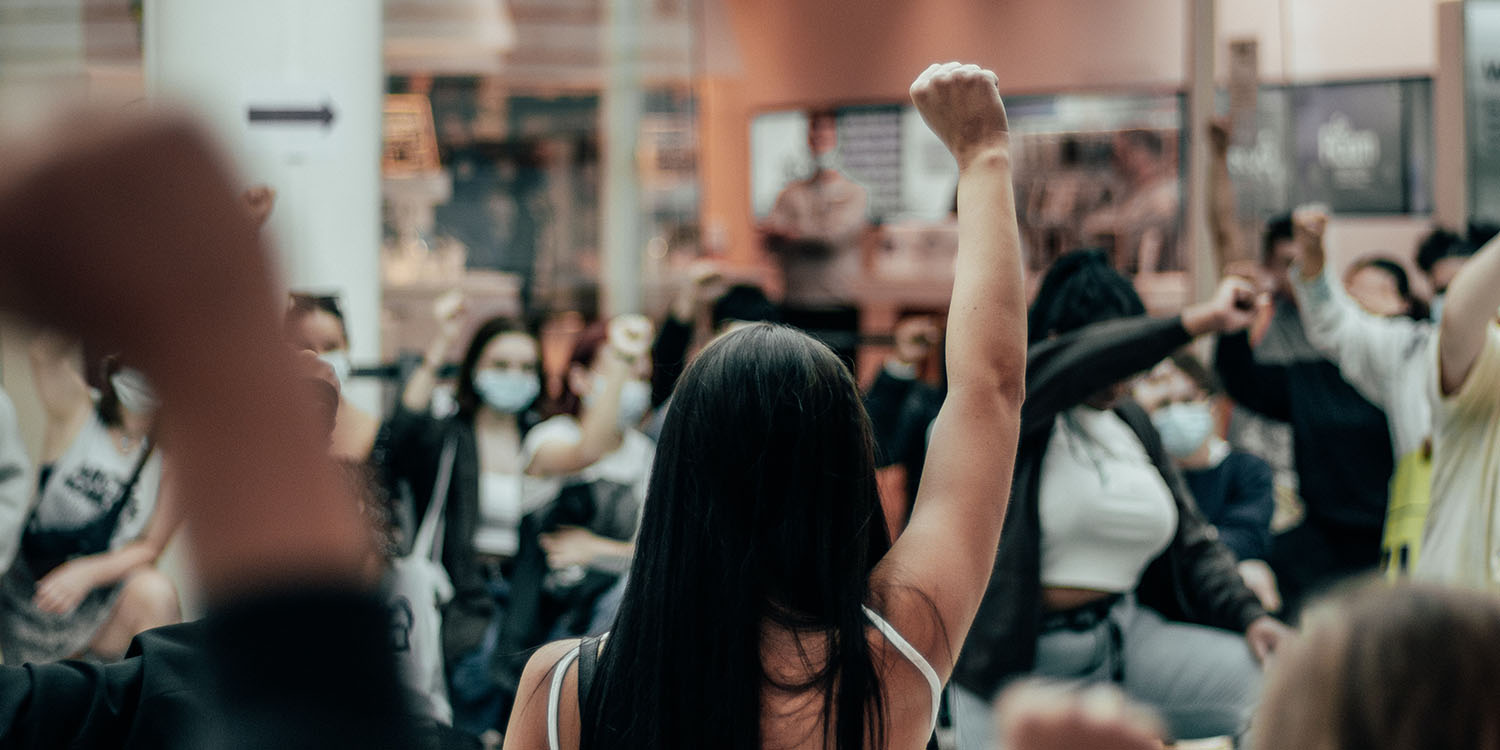
The National Labor Relations Board’s Atlanta regional director has concluded that Apple anti-union tactics deployed in the Atlanta store broke the law. The company’s actions led to a planned unionization bid being abandoned after what was described as “intense union-busting” by Apple.

The next stage in the National Labor Relations Board investigation will be for a panel of NLRB judges to rule on the matter …

Expand Expanding Close

Microsoft mulls ‘super app’ for iPhone as it fails to outbid Google for default search deal

microsoft super app iphone

Microsoft wants to ramp up its mobile efforts with a new “super app” for iPhone that would combine a number of different features into a single app. According to The Information, Microsoft’s hope is that such an app would help it break further into mobile search, which is currently dominated by Apple and Google.

Expand Expanding Close

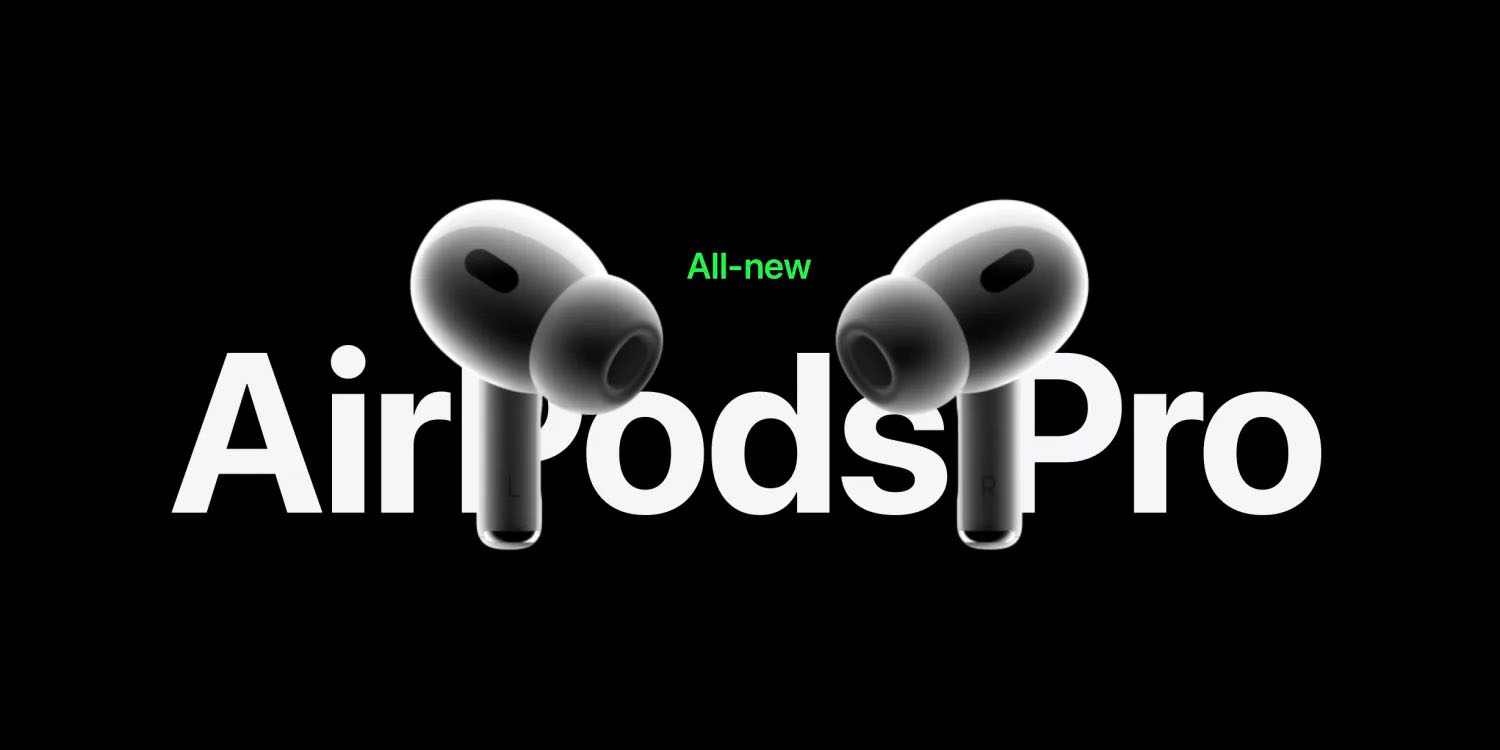
AirPods Pro 2 sales see Apple grow its wireless headphone market share by 34%

AirPods Pro 3

Strong AirPods Pro 2 sales played a major role in Apple substantially increasing its share of the TWS (True Wireless Stereo) market, according to a new market intelligence report.

Apple substantially grew its already-strong lead over the rest of the market during Q3, as second-placed Samsung saw its Galaxy Buds shipments fall by 25% …

Expand Expanding Close

Apple Q1 2023 revenue will be badly hit, as iPhone production a month away from normal

Apple Q1 2023 | Empty wallet

Apple Q1 2023 revenue seems certain to be badly hit following disruption to iPhone 14 production, with a Foxconn source today saying that production is not expected to return to normal levels until late December, or early January.

The company says that the COVID-19 outbreak within its biggest plant has now been “brought under control,” but did not give any official timeline for restoring full production …

Expand Expanding Close

Elon Musk says Apple is Twitter’s largest ad client; has now ‘fully resumed’ advertising on the platform

Musk mocks Apple | Aerial photo of Apple Park campus

During a Twitter Space this evening, Elon Musk confirmed that Apple has “fully resumed advertising” on Twitter. This comes less than a week after Musk publicly shamed Apple for having “mostly stopped advertising on Twitter” and questioned if the company hated “free speech in America.”

Expand Expanding Close

Apple will use US chips from TSMC’s Arizona plant; Tim Cook attending event

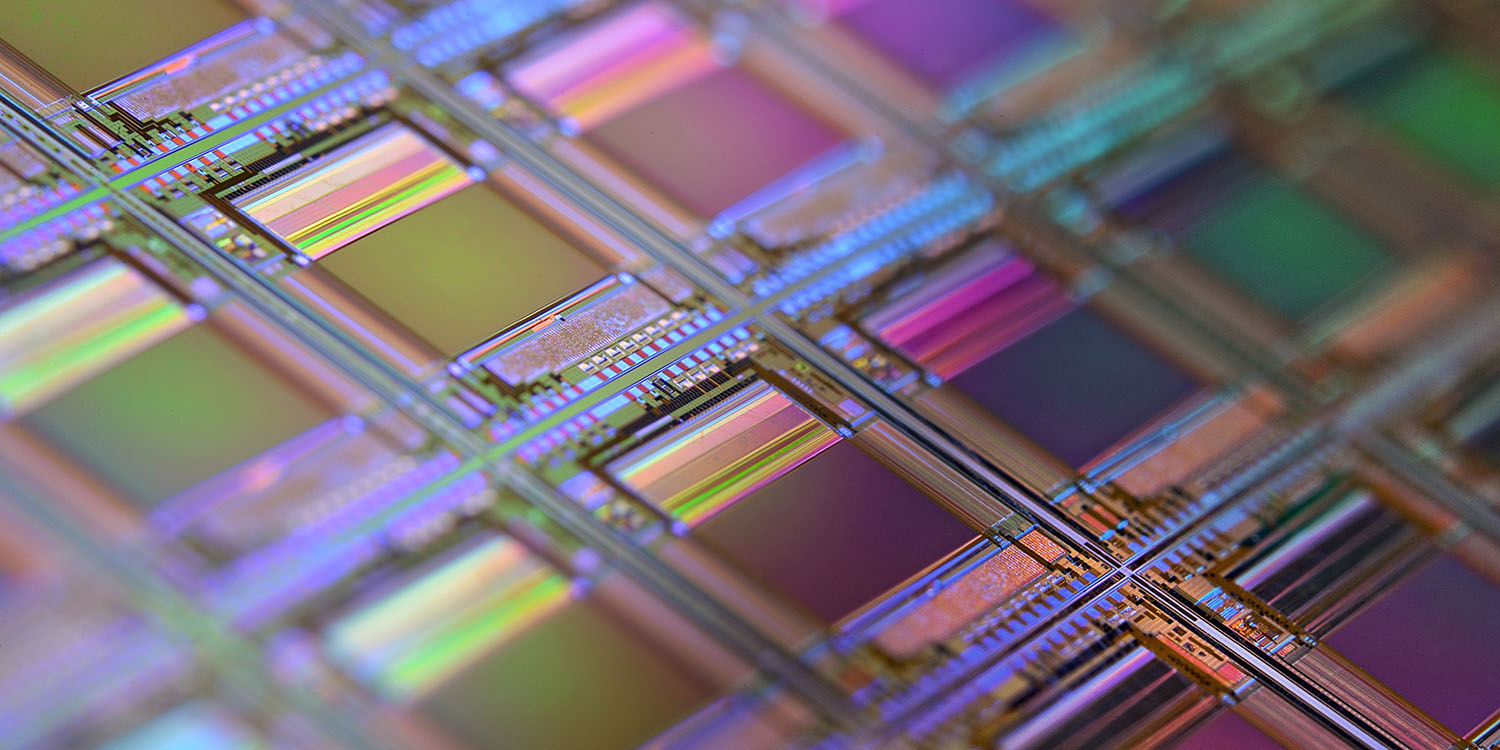
Apple will use US chips | Close-up of silicon wafer

Apple will definitely use US chips made in TSMC’s Arizona plant, according to a new report today, which says that around a third of chips made there will be for the iPhone maker. Additionally, the plant’s capabilities will be boosted to 4nm chips, rather than the 5nm plans originally announced.

There have long been indications that Apple would be a key customer, and it appears that all doubt will be removed next week, as Tim Cook is said to be attending a TSMC event on Tuesday …

Expand Expanding Close

Apple’s dependence on China reduced to 36%, but iPhone remains hugely exposed

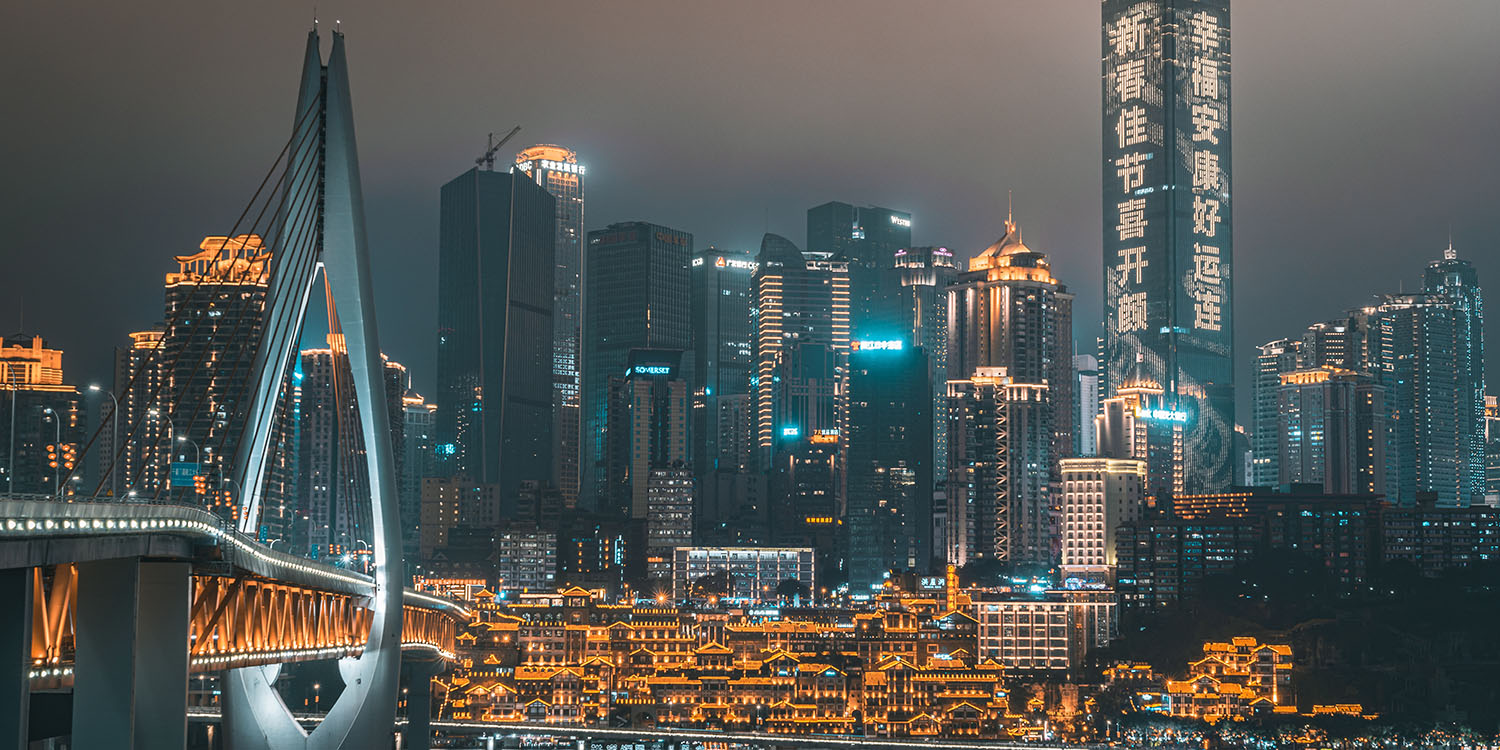
Apple's dependence on China | Chongqing skyline at night

Apple’s dependence on China has never been brought into sharper focus than now, with COVID-19-related disruption at the biggest iPhone assembly plant costing the company an estimated billion dollars per week.

A new report says that the company’s efforts to diversify production have continued to make progress, but that iPhone production remains hugely dependent on China …

Expand Expanding Close

Butterfly keyboard lawsuit resolved after judge approves payout of $50-$395 to MacBook owners

Site default logo image

The butterfly keyboard lawsuit has been resolved after a judge approved Apple’s proposed payouts to owners of MacBook, MacBook Air, and MacBook Pro models with the faulty keyboard design.

Owners whose machines required repair are set to receive compensation that ranges from $50 to $395, depending on the extent of the work needed. However, the payouts will be made only to those who purchased their MacBooks in US states covered by the class action suit …

Expand Expanding Close

iPhone City lockdown ended, as Foxconn plant troubles estimated to cost Apple $1B/week

iPhone City lockdown | Zhengzhou skyline

The iPhone City lockdown has ended, allowing free movement of residents and workers in Zhengzhou, China. The move will help relieve pressures at the Foxconn plant after a massive production disruption that is estimated to have cost Apple around a billion dollars a week in lost iPhone sales.

The ending of COVID-19 restrictions in the city will allow Foxconn to exit the closed-loop production process, which has been a key factor in the plant’s recent troubles

Expand Expanding Close

Union busting lawsuit planned, as battle between Apple and its store staff intensifies

Union busting lawsuit | Apple Store staff

Apple faces the prospect of a union busting lawsuit, over alleged illegal activities designed to persuade Apple retail staff to abandon plans to unionize. It follows two formal complaints about the company breaking the law in the US.

Union organizers are collecting information on anti-union moves in order to prepare a case. It comes shortly after staff at the St Louis Apple Store suspended unionization plans in the face of what was described as “increased hostility” toward workers …

Expand Expanding Close

Mass resignations of iPhone workers after unrest, with report of 30% production loss

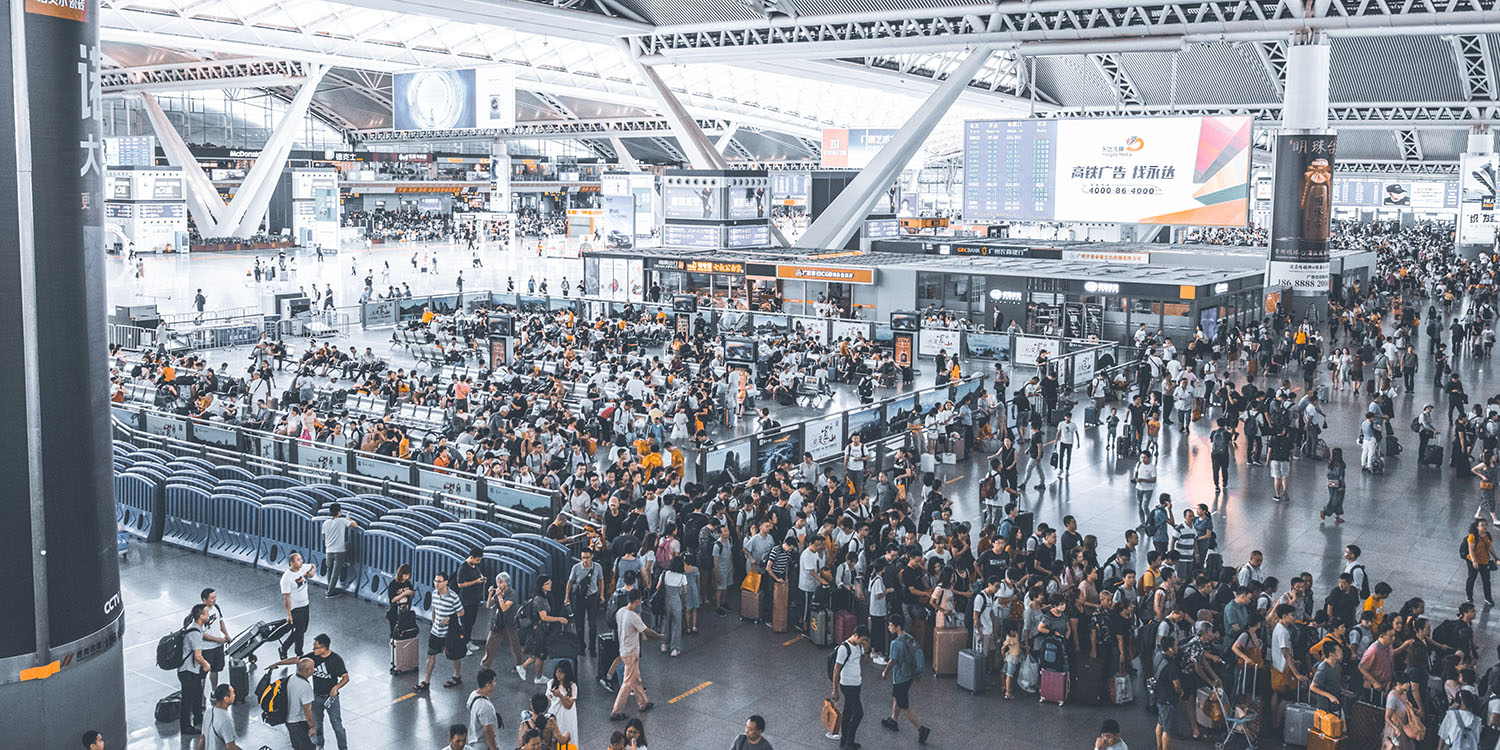
Mass resignations of iPhone workers | A crowded train station

There have been mass resignations of iPhone workers following the recent unrest at the plant, caused by Foxconn failing to pay the promised recruitment bonuses, and growing fears about the COVID-19 outbreak within the plant. More than 20,000 new hires are said to have left.

An internal estimate reportedly says that more than 30% of production could be lost, with iPhone 14 production already falling way behind demand in the crucial run up to the holidays …

Expand Expanding Close