AAPL Company

See All Stories

Breaking news from Cupertino. We’ll give you the latest from Apple headquarters and decipher fact from fiction from the rumor mill.
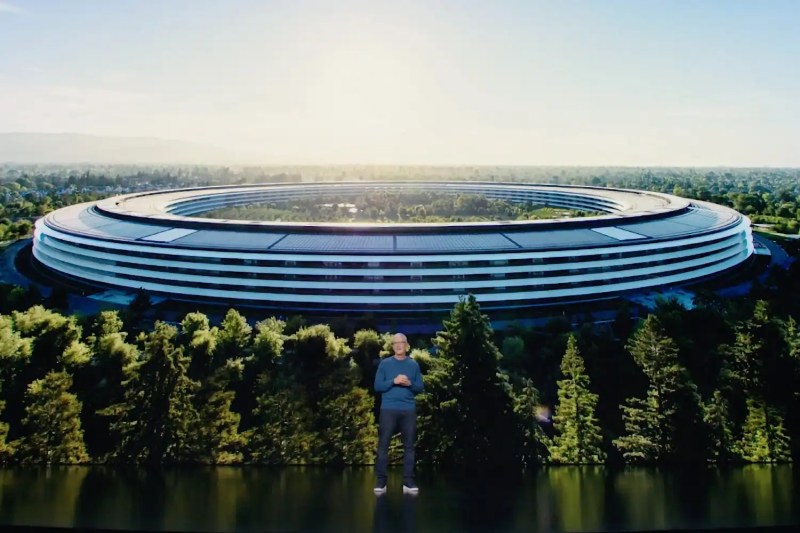
Apple Park Tim Cook AAPL

AAPL is a California-based computer company that became the most successful smartphone company in the world.

AAPL defined by Apple

Here’s how Apple defines itself:

Apple revolutionized personal technology with the introduction of the Macintosh in 1984. Today, Apple leads the world in innovation with iPhone, iPad, Mac, Apple Watch, and Apple TV. Apple’s five software platforms — iOS, iPadOS, macOS, watchOS, and tvOS — provide seamless experiences across all Apple devices and empower people with breakthrough services including the App Store, Apple Music, Apple Pay, and iCloud. Apple’s more than 100,000 employees are dedicated to making the best products on earth, and to leaving the world better than we found it.

Key AAPL history

From Apple I to iMac

Apple was founded in 1976 by Steve Jobs (Steve), Steve Wozniak (Woz), and (briefly) Ronald Wayne as a business partnership: Apple Computer Company. The following year it became Apple Computer, Inc. The company’s first product was the Apple I, a personal computer hand-built by Woz and sold in part-completed kit form. The Apple II and Apple III followed.

The modern Apple as we know it today began in 1983, with the launch of the first personal computer with a graphical user interface, the Lisa. Way too expensive to succeed, it was replaced by the Macintosh in 1984, launched with the single showing of a Ridley Scott commercial during the Super Bowl. The Macintosh transformed the world’s understanding of what a computer was, and would eventually lead to Microsoft adopting the GUI approach.

Steve Jobs and then Apple-CEO John Scully fell out in 1985, when Steve wanted to focus on the Macintosh while Scully wanted to put more attention on the Apple II, which was still selling well. That led to Steve being forced out of the company and going off to form NeXT.

Apple focused on selling Macintosh models at the highest possible margins, but would eventually fall foul of a mix of unsustainable pricing in the face of competition from Windows machines, and an overly complex product lineup. By 1996, the company was in trouble, and in 1997 Steve was brought back, along with the NeXT operating system, which would eventually form the basis of Mac OS X.

Steve simplified the Mac lineup and had industrial designer Jony Ive work on a whole new look for a consumer desktop Mac, the colorful iMac. The iMac, like the original Macintosh, again changed the world’s understanding of what a computer was, and who should want one.

From Apple Computer, Inc. to Apple, Inc.

In 2001, Apple launched the iPod. Although this wasn’t the first mp3 player, it was massively better than anything on the market at the time, and succeeded in turning a geeky piece of technology into a consumer electronics product with mass-market appeal.

The success of the iPod paved the way into other mobile devices. Apple was working on what would eventually become the iPad, when Steve realized that this was the basis of a smartphone. He diverted the team’s work into this, to launch the iPhone in 2007. The iPad launched later, in 2010.

The iPhone was yet another transformational product. While most other smartphones of the time were clunky devices with a keyboard and stylus, the iPhone was a sleek-looking device operated with a finger, and so simple that no user guide was needed. It was with the launch of the iPhone that Apple Computer, Inc. was renamed to Apple, Inc.

From Intel to Apple Silicon

While the iPhone, iPad, Apple Watch, and more are made with Apple-designed processors, the Mac lineup has historically relied on third-party companies for its CPUs. Over the years, Macs progressed from Motorola 680000 series chips through PowerPC to Intel.

In 2020, Apple began a two-year transition to the final stage in that journey, with Macs too finally getting Apple-designed chips. The first such is the M1 chip, used in the latest Mac mini, MacBook Air, and 13-inch MacBook Pro. Other Apple Silicon Macs followed.

AAPL today

Apple is one of the largest companies in the world. It was the first publicly traded company to hit a trillion-dollar valuation in 2018, $2 trillion in 2020, and $3T in 2022.

The company’s product lineup includes five different Mac families (MacBook Air, MacBook Pro, iMac, Mac Pro, and Mac mini); four iPad ranges (iPad mini, iPad, iPad Air, iPad Pro); four iPhone 12 models (12, 12 mini, 12 Pro, 12 Pro Max); three main Apple Watch models (SE, Series 3, Series 6); as well as other products, including Apple TV, AirPods, and HomePod mini.

In addition to hardware sales, Apple derives a growing proportion of its income from Services, including the App Store, iCloud, Apple Music, and Apple Pay.
Site default logo image

Lisa Jackson gives NBC’s Today a look inside of Apple’s North Carolina data center

Apple gave NBC’s Today a rare look inside its Maiden, NC data center during a segment on the company’s efforts to use more green energy (via AppleInsider). Apple’s NC data center is powered entirely by reusable energy, including a massive solar farm and on-site biogas cells.

Jackson notes that Apple sometimes generates even more solar power than it needs, which allows the excess to go toward supplying energy to the city’s power grid

The segment also includes a look at the inner workings of the data center, which serves as the center of Apple’s iCloud and other online operations. You can see the entire clip below.

Apple’s fix for FaceTime woes in iOS 6? Upgrade to iOS 7

Apple has released a new support document explaining some of the issues that iOS 6 users have experienced lately when trying to make FaceTime calls. Along with an explanation, there’s finally a fix in sight that’s also detailed on the support page. What’s the fix? Update to iOS 7.

First spotted by MacRumors, the support document informs users of a pretty obvious solution to the problem. If you’re using a device that supports iOS 7, you’ll need to update to the latest version of iOS 7. If the device in question isn’t compatible with iOS 7, update to iOS 6.1.6 to resolve the FaceTime bug.


Expand
Expanding
Close

Apple, Google & others settle in anti-trust suit over no-poaching agreements for $324M

Site default logo image

Reuters reports today that Apple, Google, Adobe, and Intel have settled in the long running antitrust lawsuit filed by employees alleging the companies entered into agreements to not hire employees from one another. Apple previously settled out of court in a lawsuit brought on by the Department of Justice for the same practices, but the class-action suit from employees settled today was given the go ahead last year.

Four major tech companies including Apple and Google have agreed to settle a large antitrust lawsuit over no-hire agreements in Silicon Valley, according to a court filing on Thursday.

The lawsuits have exposed many emails between Steve Jobs, Google executives and others showing the companies regularly discussed agreements in place to prevent hires from the other companies.

“This is an excellent resolution of the case that will benefit class members. We look forward to presenting it to the Court and making the terms available,” stated Dermody, Co-Lead Counsel for the Plaintiff Class. 

The trial for the lawsuit was scheduled to take place next month in May, but Reuters says Apple today settled along with the three other companies. Unfortunately there aren’t any details yet on exactly what Apple and others agreed to in the settlement. The terms of the deal will remain confidential until next month when the plaintiffs file settlement papers.

Update: Reuters now reports that the total paid between all the companies is $324 million, a significant sum of money putting Apple’s share in the neighborhood of $100M since it is the biggest company involved. Divided between the 64,000 plaintiffs however, the total stretches to just over $5000 per person.
Expand
Expanding
Close

Francisco Tolmasky, the then 20-year old that developed Mobile Safari, talks about his ride with Steve Jobs launching the iPhone

Site default logo image

Tolmasky via Flickr

The New York Times profiles Francisco Tolmasky who was hired out of college early by Apple in 2006 to work on Mobile Safari in the run up to the launch of the iPhone. It is hard to imagine a more difficult first job than working with Steve Jobs on something so important.

Mr. Jobs was taking a monthlong vacation, so Mr. Tolmasky had to wait for him to return to give his personal blessing for the hiring. “He was super guarded about the project, and he was probably suspicious of some random 20-year-old,” Mr. Tolmasky said. “I remember being very frustrated. This was, like, an impossible task.”

It wasn’t just Mobile Safari…
Expand
Expanding
Close

Tim Cook auctioning lunch meeting at Apple HQ for charity

Site default logo image

It was only just a year ago when Tim Cook raised $610,000 for charity through an auction to have coffee with the Apple CEO himself. This time the subject will move from coffee to lunch with the head of the company at Apple Headquarters in Cupertino. The charity auction is hosted by the website Charitybuzz just like last time and hopes to raise $100,000 for the RFK Center for Justice and Human Rights. It’s likely however that the charity auction will raise much more than its goal as last year’s goal of $50,000 was far exceeded at $610,000 before wrapping up.
Expand
Expanding
Close

Apple tops J.D. Power’s 2014 survey in smartphone satisfaction across all U.S. carriers

Site default logo image

J.D. Power, which previously awarded the iPhone highest in consumer satisfaction for smartphones eight years in a row, today released a report that puts Apple on top for customer satisfaction by carrier. While measure four key metrics— performance, physical design, features, and ease of operation— across the four major carriers, J.D. Power found Apple and the iPhone’s overall score ranked #1 for Sprint, Verizon, AT&T and T-Mobile. However, in most cases, it’s only beating Samsung by a small margin.

The report also shared some stats on overall satisfaction for carriers and the most requested features for new devices from consumers:
Expand
Expanding
Close

Site default logo image

7-for-1 AAPL split to encourage smaller investors, may also open entry to Dow Jones Index

It wasn’t just Apple’s earnings and iPhone sales that took people by surprise yesterday: the company also announced a 7-to-1 stock split.

A stock split is where a company divides one expensive share into two or more cheaper shares. In theory, there’s no benefit to this: it’s just like splitting a $100 bill into two $50 bills. You end up with the same amount of money and the same share of the wealth. But in practice, a lower share price tends to encourage investment, partly because it allows smaller investments and partly because stock splits tend to signal that a share price is likely to continue to increase.

Most stock splits are 2-to-1, sometimes 3-to-1. A 7-to-one split is highly unusual, and in yesterday’s earnings call, Tim Cook explained the reason (via Business Insider).

We are taking this action to make Apple stock more accessible to a larger number of investors. Each shareholder of record at the close of business on June the 2nd, 2014 will receive six additional shares for every outstanding share held on the record day and trading will begin on a split-adjusted basis on June the 9th, 2014.

It’s a move not without risks. By reducing the share price, you make it easier to buy and sell stock, which can make the share price more volatile. But Apple’s board of directors probably figure that small investors are more likely to be those with loyalty to the company rather than the big institutional investors who may take a much more short-term view.

Vox also points out that the lower share price (a $550-ish share today will be split into seven $80-ish shares) would make AAPL eligible for inclusion in the Dow Jones Index. Surprisingly, inclusion in the index is not automatic, based on company size, but is a decision made by a committee – which until now has excluded Apple.

If a company with a very high share price — like Apple before the split — joined the index, it would badly skew the index. This has kept Apple out of the Dow even though as the country’s largest or second-largest company, it clearly deserves to be in.

Again, there’s no practical benefit to being included in the Dow, but it may make the stock attractive to more conservative investors who view the index as a list of ‘safe’ companies.

Cook says new products ‘closer than it’s ever been’, ponders mobile payments

Site default logo image

In Cook’s latest interview with The Wall Street Journal, the Apple CEO largely reiterates his comments about the company’s values and the product creation process but also expanded on his opinion of mobile payments.

Cook said that their strong results should qualm some of the recent anti-Apple chatter. However, he added that it will likely take the addition of some new products to change people’s minds…
Expand
Expanding
Close

Site default logo image

How would a 4.7-inch iPhone 6 stack up against today’s Android phones?

If the larger screen sizes offered by Android phones has played a significant role in the purchase decisions of those who’ve moved away from the iPhone, it’ll be very interesting to see how many return when the iPhone 6 is launched, with its rumored 4.7-inch and 5.5-inch screens.

MacRumors forum member deuxani decided to create a virtual line-up to see how the 4.7-inch model would stack up against the most popular of today’s Android handsets.

While it’s been strongly rumored that the iPhone 6 will have ultra-thin bezels left and right, Touch ID means that the iPhone 6 would be taller than its 4.7-inch Android competitors – especially as it seems unlikely Apple would abandon its vertical symmetry.

The height of the phone would likely be similar to the Nexus 5 and LG G2, with 5- and 5.2-inch screens respectively.

It would, however, still be smaller that its two main competitors, the Samsung Galaxy S5 and HTC One.

Other rumors regarding the iPhone 6 are that it will have a rounded profile, the power button moved from the top to the right (for easier use with a larger screen) and rectangular volume controls.

Even without the larger screen, the iPhone doesn’t appear to be doing too badly at attracting Android owners. Tim Cook revealed in yesterday’s earnings call that more than 60 percent of iPhone 4S and 5c buyers have switched from Android. Apple reported double-digit growth in iPhone sales year-on-year, selling 43.7M handsets in the previous quarter.

Analysts respond to AAPL earnings, rating the stock a strong buy

Site default logo image

Photo: USA Today

Early overnight reports collated by Fortune unsurprisingly show analysts pleased by the higher-than-expected iPhone numbers, with five out of five rating the stock a buy, their price targets ranging from $75 to $252 above yesterday’s closing value. Apple reported iPhone sales of 43.7B against expectations of 38B, and revenue of $45.6B against the consensus estimate of $43.5B.

  • Katy Huberty, Morgen Stanley: Price target $630

  • Gene Munster, Piper Jaffray: Price target $640

  • Brian Marshall, ISI: Price target $600

  • Brian White, Cantor Fitzgerald: Price target $777

  • Peter Misek, Jefferies: Price target $625  …


Expand
Expanding
Close

By the numbers: a breakdown of Apple’s Q2 2014 earnings call

Site default logo image

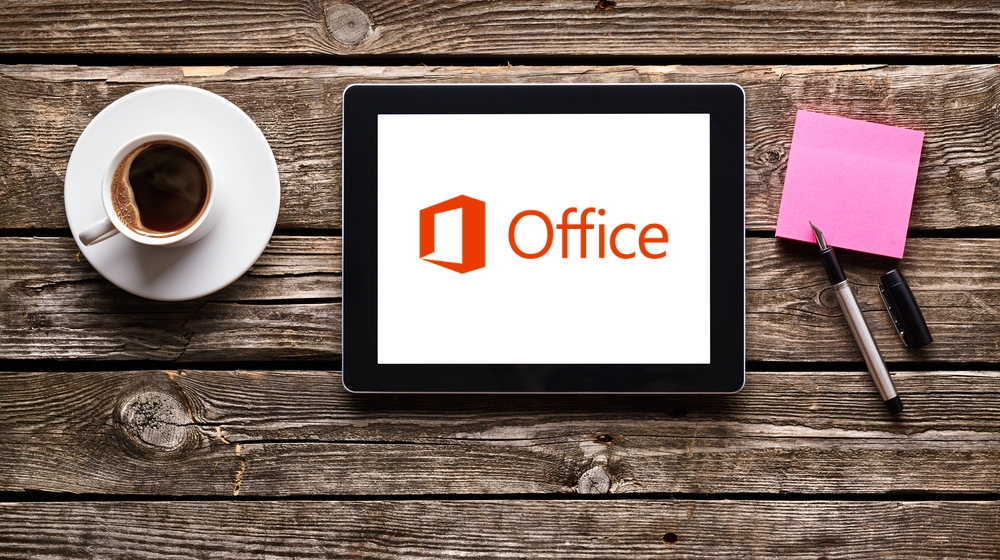
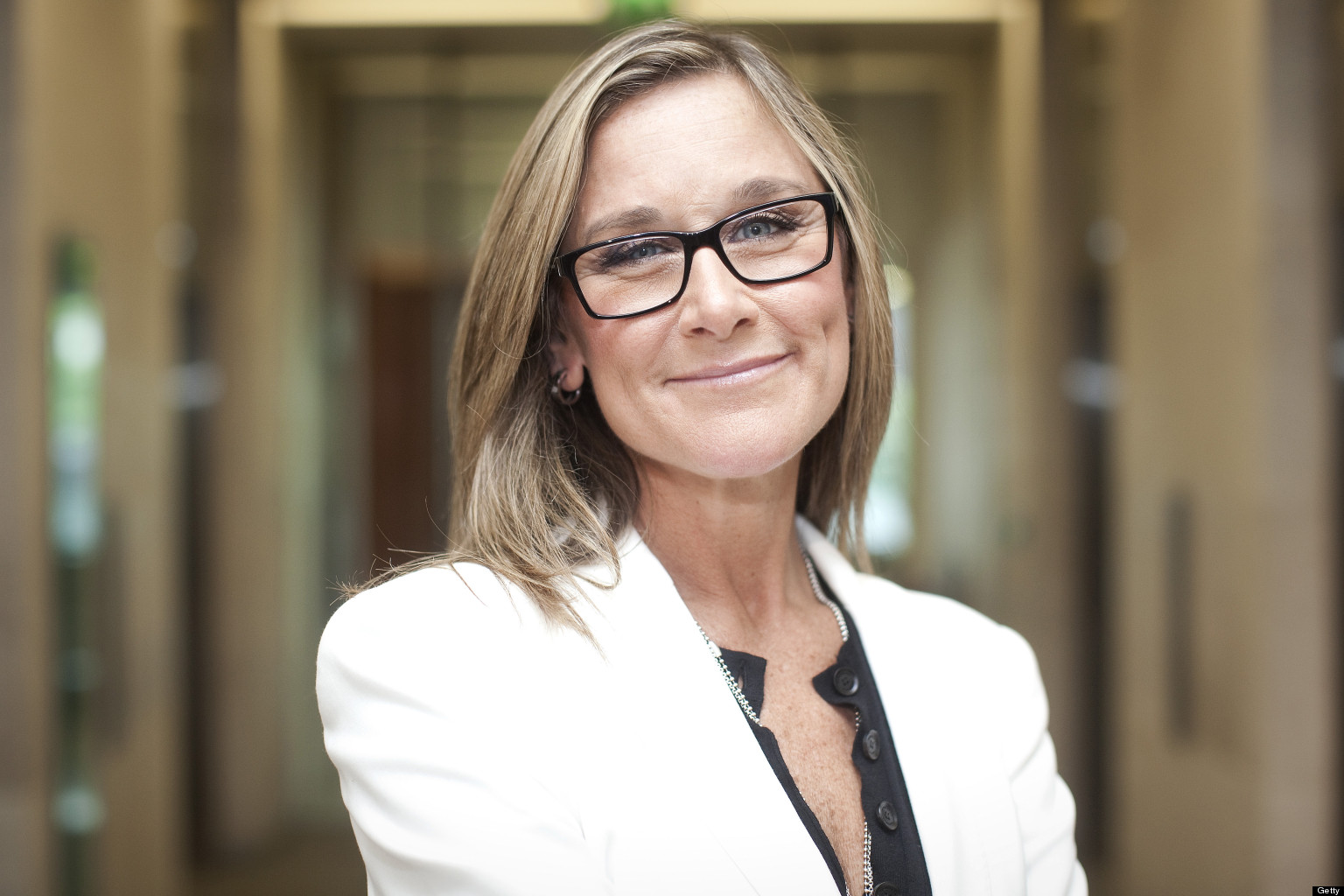
Apple went over its Q2 2014 earnings today on its quarterly conference call with CEO Tim Cook and incoming CFO Luca Maestri. The company announced that former Burberry CEO Angela Ahrendts will finally be joining the executive team as SVP of Retail. Cook also addressed the recent debut of Microsoft’s Office productivity suite on the iPad.

But, as with any earnings call, the numbers that define Apple’s success or failure in the market took center stage. Here are some of the big ones you might have missed:


Expand
Expanding
Close

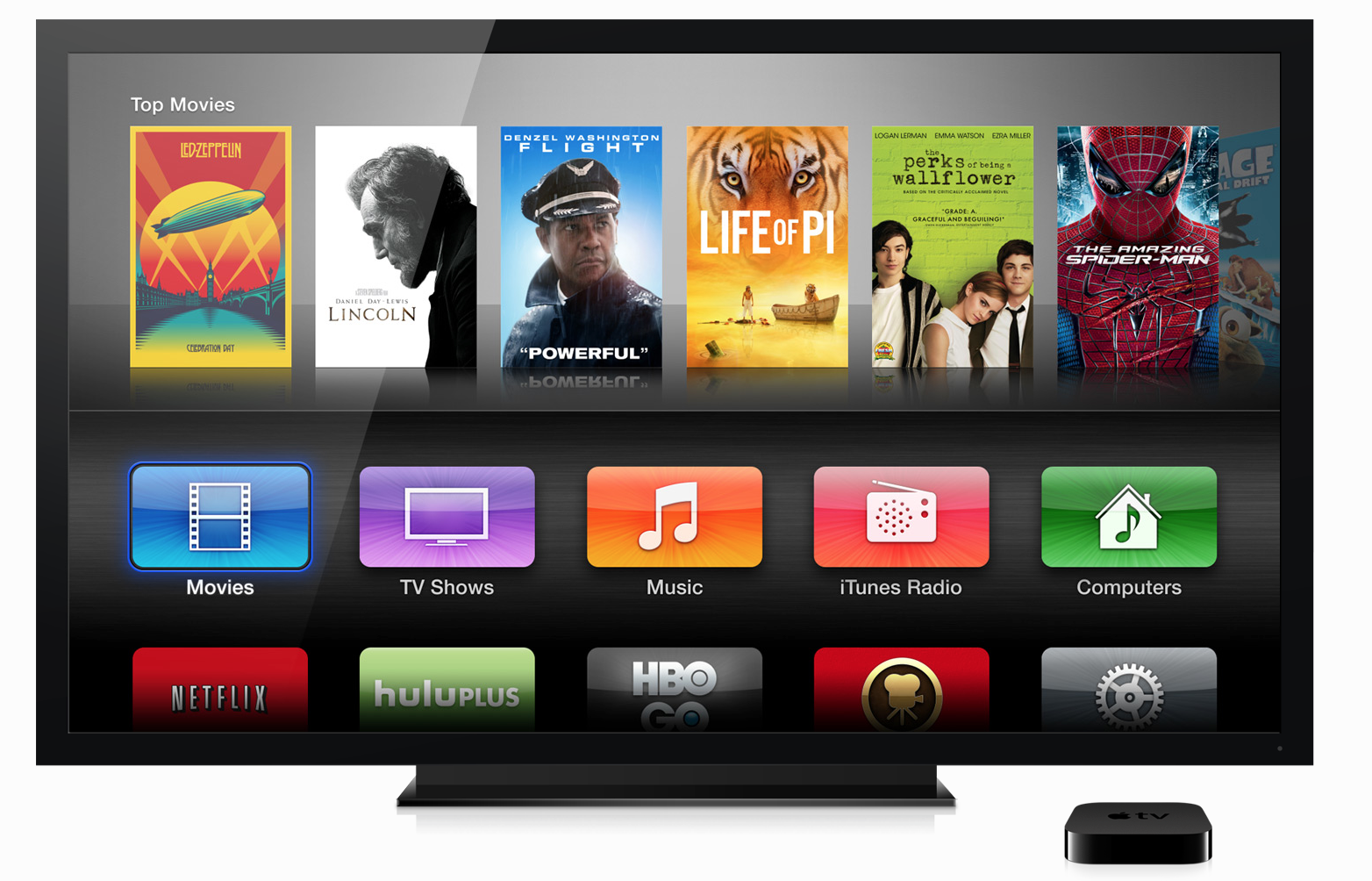
Apple announces 20 million Apple TVs sold through Q2 2014

Site default logo image

During Apple’s earnings call this evening, Apple CEO Tim Cook announced that the company has sold 20 million Apple TV boxes through the second quarter of 2014. Sharing this number is out of the ordinary for Apple, as it generally doesn’t break down specific sales for its set-top box like it does for other products.

Apple’s decision to give us specific sales information for the Apple TV, however, does corroborate with its move earlier this year to present the device as its own product line, as opposed to an accessory. Cook also said on the call that Apple TV is over a billion dollar market, which means that it is no longer just a “hobby” for the company.


Expand
Expanding
Close

Site default logo image

Tim Cook: 60+% of iPhone 4s and 5c buyers are ‘Android Switchers’

The success of Apple’s low end phones, the 3.5-inch iPhone 4s and the colorful plastic 5c, has been questioned since the current lineup was launched last year. But in today’s earnings call,  Tim Cook might have just explained why Apple keeps the lower end devices in its stable: They bring in the lower-end Android crowd. Specifically Cook said 62% of iPhone 4s, which is usually free (or cheaper) with a plan in the US buyers and 60% of iPhone 5c buyers were switching from Android.

Cook previously compared Android to Europe in its fragmentation and had some harsh words for some of the low end Android tablets in enterprise saying Apple would never produce or label products of that low quality. 
Expand
Expanding
Close

Tim Cook addresses iPad sales slowdown, says Microsoft should have released Office sooner

Site default logo image

On Apple’s earnings call, Tim Cook directly addresses concerns surrounding iPad. Notably, he calls out Office as helping iPad sales somewhat but ‘frankly’ admits that Microsoft should have released Office for iPad sooner. He says that in the time that Microsoft waited, other companies including Apple have released very-competitive productivity alternates to Office, likely referencing iWork.


Expand
Expanding
Close

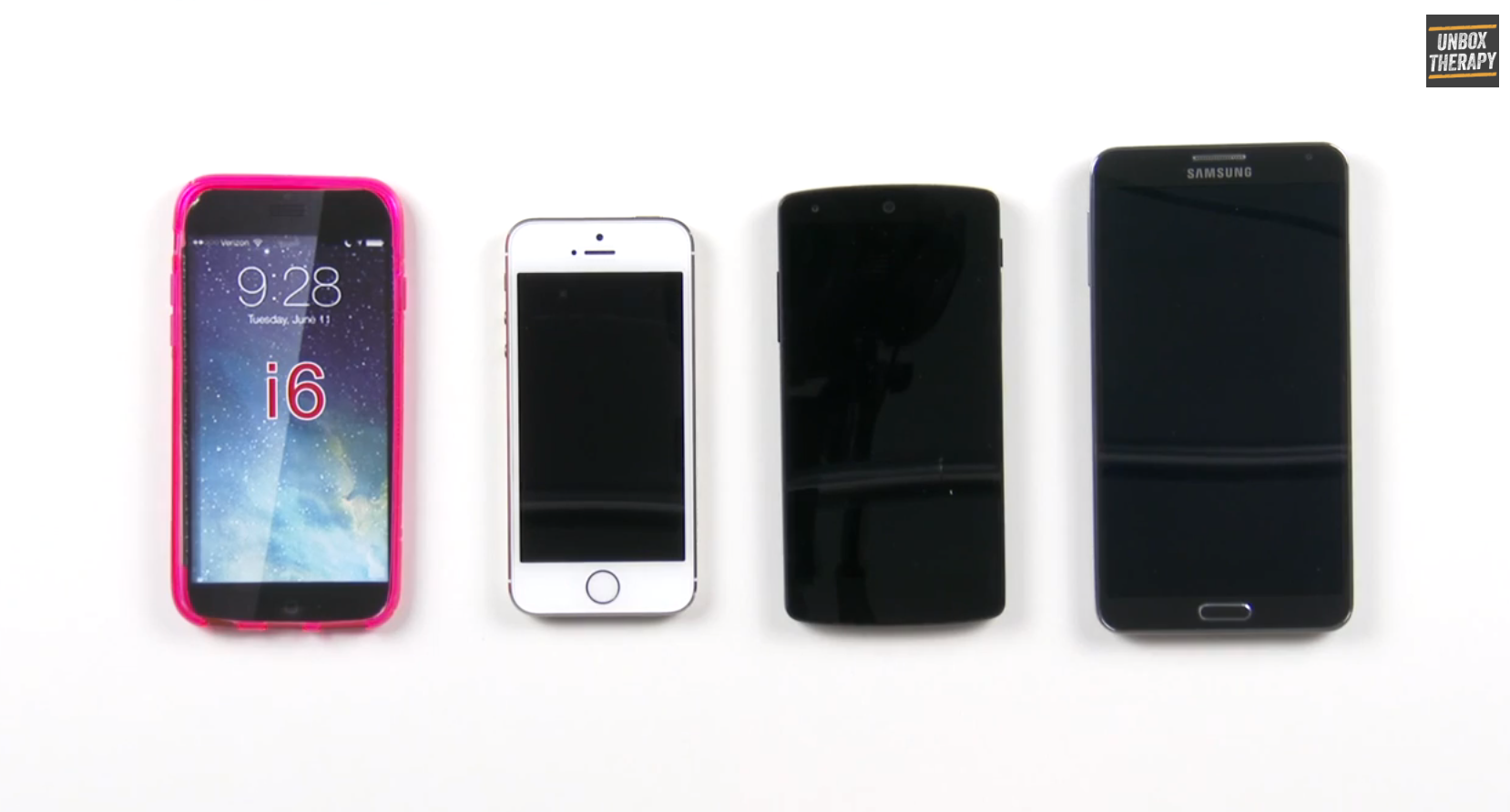
New video compares alleged iPhone 6 case to iPhone 5s, Nexus 5, and Galaxy Note 3

A new video published by Unbox Therapy provides a closer look at an alleged third-party case for Apple’s upcoming iPhone 6 that was recently shown off in a set of photos. The case’s design definitely falls in line with previous leaks and rumors that we’ve reported on, but could be a manufacturer’s attempt to take a risk and get ahead of the game.

The video below compares the case’s design to the iPhone 5s, Nexus 5, and Samsung Galaxy Note 3. Surprisingly, the case’s layout almost lines up perfectly with Google’s Nexus 5, which gives us a good idea of the iPhone 6’s overall form-factor if the leaked specifications used to manufacture this case are correct.


Expand
Expanding
Close

Live blog: Apple’s Q2 2014 earnings call

Site default logo image

Credit: <a href="http://9to5mac.com/author/michaelsteeber/" target="_blank">Michael Steeber</a>

As we previously shared last month, Apple is scheduled to hold its quarterly conference call to discuss its earnings report from the second quarter of its fiscal year: this includes 43 million iPhones, 16 million iPads, and 4 million Macs. As the company reported, it earned $45.6 billion in revenue during Q2. Apple has already made news as it announced the first split of its stock since February 2005.

In terms of product announcements during that timeframe, Apple was relatively quiet; it expanded iTunes Radio to Australia and added NPR support, rebranded iOS in the Car as CarPlay with compatible cars arriving later this year, introduced a cheaper 8GB iPhone 5c in several non-US markets, replaced the iPad 2 with the iPad 4 at the same price point, and announced its worldwide developer conference scheduled for June 2. Apple is currently positioned to save new products for the latter half of the year as it did in 2013.

Investors and analysts are sure to raise this point during the call, and we’ll be listening and bringing you coverage starting at 5pm EST/ 2pm PST.
Expand
Expanding
Close

Apple reports $45.6 billion revenue for Q2 2014: 43.7m iPhones, 16.3m iPads, 4.1m Macs, 2.7m iPods

Site default logo image

Apple just announced its second quarter results for 2014 with revenue for the quarter coming in at $45.6 billion. That’s compared to the guidance it previously provided of $42 – $44 billion and estimates by analysts averaging approximately $43.5B. Apple’s $45.6 billion in revenue reported today is also up from the $43.6 billion in revenue in the year ago quarter.

Break down of device sales for Q2 2014 include 43.7m million iPhones, 16.3 million iPads, and 4.1 million Macs. Compare that to an average of 38M iPhones, 19.3M iPads, 4M Macs, and 3M iPods predicted by the analysts leading up to today. In the same quarter last year, Apple sold 37.4 million iPhones, 19.5 million iPads, just under 4 million Macs, and 5.6 million iPods.

It also reported net quarterly profit of $10.2 billion, or $11.62 per diluted share in contrast to quarterly net profit of $9.5 billion, or $10.09 per diluted share in the same quarter last year.

“We’re very proud of our quarterly results, especially our strong iPhone sales and record revenue from services,” said Tim Cook, Apple’s CEO. “We’re eagerly looking forward to introducing more new products and services that only Apple could bring to market.”

“We generated $13.5 billion in cash flow from operations and returned almost $21 billion in cash to shareholders through dividends and share repurchases during the March quarter,” said Peter Oppenheimer, Apple’s CFO. “That brings cumulative payments under our capital return program to $66 billion.”

Apple is providing guidance for its next quarter of revenue between $36 billion and $38 billion.

The question of the day for Tim Cook and other Apple executives on today’s call will surely be the new product categories that Cook previously said were coming across 2014 and have yet to make an appearance in the first quarter. With Apple’s WWDC developer conference just around the corner, we’ll have to wait and see if Cook gives us any clues of what’s to come during the call today at 2:00 p.m. PST/5:00 p.m. EST. Stay tuned to our live blog for coverage. 

Apple’s full press release is below:
Expand
Expanding
Close

Apple to increase share buybacks to $90 billion, announces seven-to-one stock split, increase dividend to $3.29 per share

Site default logo image


As part of Apple’s earnings releases, Apple has announced an extension to its buyback plans. The company will now buyback an additional $30 billion of Apple stock, totalling $90 billion, significantly accelerating its original plans.

Apple® today announced that its Board of Directors has authorized another significant increase to the Company’s program to return capital to shareholders. The Company expects to utilize a total of over $130 billion of cash under the expanded program by the end of calendar 2015.

The board has also announced a seven-for-one stock split beginning June 2nd 2014. Apple last split its stock in 2005, nine years ago. Apple will also increase the dividend by about 8 percent to $3.29 per common share. This will begin on May 15th. Apple plans to increase its dividend every year. In an interview with the Wall Street Journal, Cook said that the buyback will “show you how much confidence we have in the future of the company”.


Expand
Expanding
Close

Site default logo image

Apple giving employees company-branded, reusable water bottles for Earth Day

As Apple continues to observe Earth Day this year with its new Tim Cook-narrated “Better” film and detailed environmental report card site, the Cupertino company is issuing Apple-branded reusable water bottles to both corporate and retail employees to promote responsible.

In its message to employees, Apple says that 16,420 plastic bottles can be saved through reusable water bottle use, and Apple employees alone can save 22 tons of plastic waste per year (that’s 44,000 pounds) using a reusable water bottle.

Each water bottle features an Apple logo as well as a colored band picked by each employee. In Apple’s message to employees, the company said retail locations will receive their Earth Day company-issued reusable water bottles at a later date as distribution is currently taking place for Cupertino employees.
Expand
Expanding
Close

Site default logo image

GameStop’s Simply Mac Apple Specialist stores adding 50 new locations next year

As video game retailer GameStop continues to diversify its retail portfolio, the company says it will dramatically expand its Apple product-focused Simply Mac retail locations throughout 2015, the Star-Telegram reports.

Raines said GameStop’s confidence in rapid growth at the small chains, acquired for about $110 million last year, is buoyed by their strong ties to industry leaders AT&T and Apple.

Steve Bain and Jason Ellis, the executives who built Simply Mac and Spring Mobile, continue to run the operations for GameStop and see strong growth opportunities. After opening 23 stores this year, Bain said, the company plans to open 50 more Simply Mac stores in 2015.

Simply Mac is an authorized Apple Specialist retail chain founded in 2006 and bought by GameStop in 2012. News of its expansion is good news for Apple consumers as Simply Mac typically looks for markets where Apple lacks a retail presence like Shreveport, Louisiana; Springfield, Missouri, and a couple dozen midwestern locations across Utah, Colorado, and more.

[tweet https://twitter.com/SammyWalrusIV/status/458964744419151872]

iOS 7.1 code indicates Apple working on Siri for Apple TV

Site default logo image

Code found within the iOS 7.1 SDK suggests that Siri is headed to the Apple TV in future. Pierre Blazquez first found the reference on Friday. 9to5Mac has since confirmed that the code does exist in both iOS 7.1 and iOS 7.1.1’s files. The reference does not exist in 7.0.6.

The file is a supporting property-list resource for Assistant (Apple’s internal name for Siri), containing information about the feature. The UIDeviceFamily array declares what platforms are compatible with the feature.

As shown by Apple’s documentation, ‘1’ and ‘2’ represent the iPhone/iPod touch and iPad families. The ‘3’ represents the Apple TV family.


Expand
Expanding
Close

Samsung bought two patents specifically for use in Apple trial, say attorneys

Site default logo image

In the ongoing patent trial where Apple is claiming Samsung infringed five of its patents, and Samsung is claiming Apple did the same to two of its patents, it has been suggested that Samsung bought the two patents concerned specifically to sue Apple. The allegation was made by Apple’s attorneys, reports The Verge.

The original inventors on the video patent, for instance, originated in Oklahoma, and the gallery patent originally belonged to Hitachi. In the case of the video patent, Samsung disclosed that it paid $2.39 million to acquire it in 2010, the same year FaceTime debuted alongside the iPhone 4. Apple hopes that will stand in stark contrast with its five patents, two of which were filed the day the company introduced the iPhone, and all developed within the company …


Expand
Expanding
Close

Apple airs new “Powerful” TV ad, promoting content creation on the iPhone 5s

Site default logo image

[youtube https://www.youtube.com/watch?v=ODmfmUWqlSA]

Update: Apple has now posted an accompanying microsite for the ad, featuring the ads shown in the video.

Apple has begun airing a new iPhone 5s ad this evening, first premiering on ABC during Agents Of SHIELD. This ad, featuring the interesting song ‘Gigantic‘ by the Pixies, takes a very different tone than the “Metal Mastered” ad released in October, which showed that gold really is best.

The ad shows common and uncommon tasks people can accomplish with their iPhone, such as creating music, tracking their health, shooting videos and photos, and playing games. The ad ends with the tagline “You’re more powerful than you think”. A new page on Apple’s website shows off the ad along with the featured software.


Expand
Expanding
Close