Mac

See All Stories

Apple’s Mac lineup consists of MacBook, MacBook Air, MacBook Pro, iMac, Mac Pro, and Mac Mini. The Mac runs macOS for its operating system.
Mac lineup

History

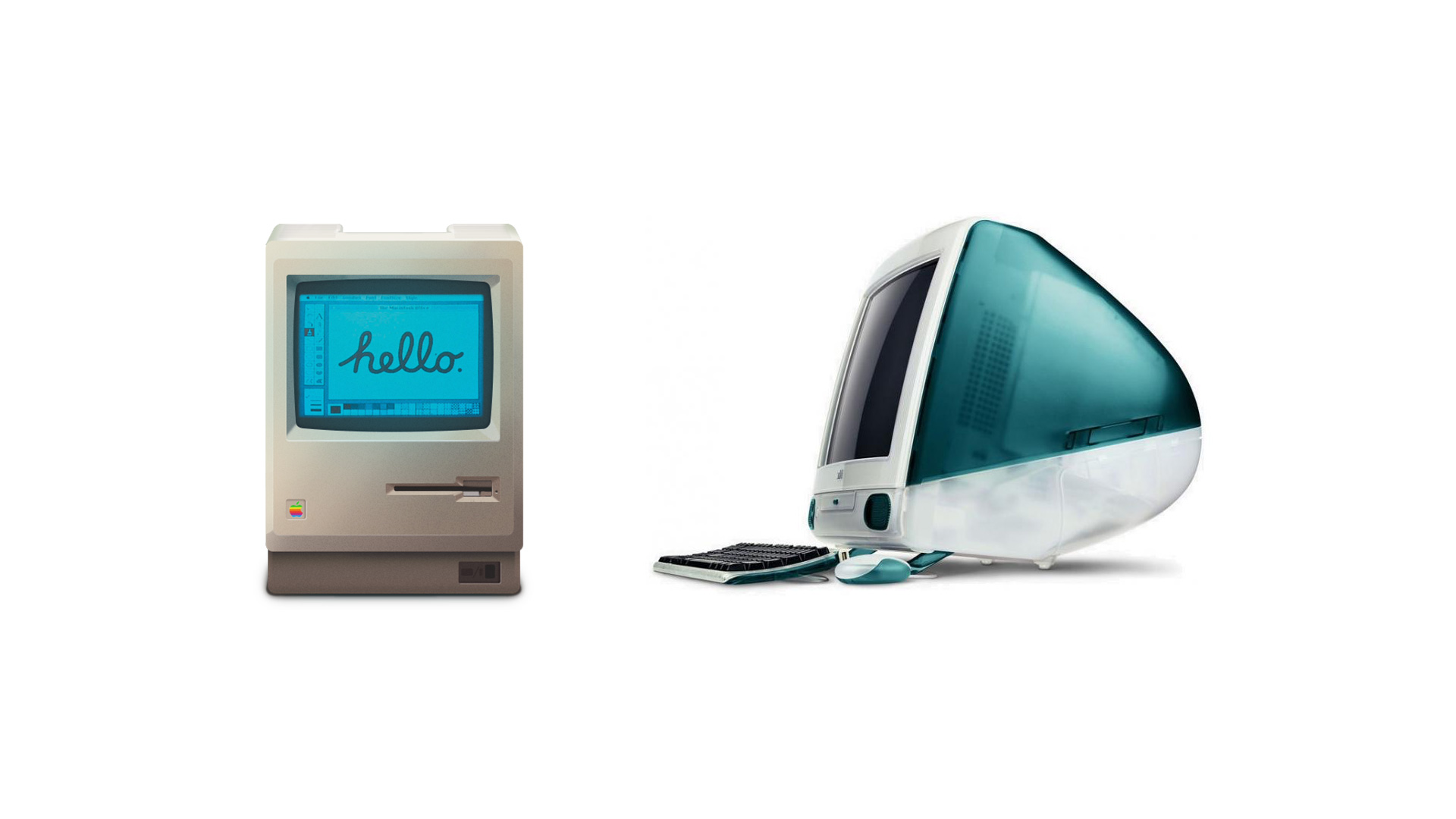
The Mac is Apple’s lineup of computers, and it can be considered the company’s oldest product. The name “Mac” comes from the original Macintosh, which was introduced in 1984 and is also considered the first personal computer for the masses to have a graphical user interface. The first Macintosh hit the stores on January 24, 1984, costing $2,945.

Among all these years, Apple has introduced many different Mac models, ranging from desktops to laptops to professional tower machines. The current lineup consists of the MacBook Air, MacBook Pro, Mac mini, iMac, and Mac Pro. However, there have been other Mac models were discontinued, such as the eMac, MacBook, and iMac Pro.

The history of modern Macs began in 1998, a year after Steve Jobs returned to Apple. Apple had dozens of Macintosh computers at that time, but Steve decided to rethink the entire lineup. In 1998, Apple announced the iMac G3, which ditched the floppy disk and serial ports in favor of USB connectors.
Macintosh and iMac G3.

Unlike the Macintosh, the first iMac was considered a huge success — not only for its technology, but also for its unique design with colorful translucent plastic. Apple quickly expanded the Mac lineup with other models, which included the iBook and PowerBook (which became the MacBook and MacBook Pro) and the PowerMac, which is now the Mac Pro.

macOS

What makes a Mac the Mac is the macOS operating system, which has also had a long history since the introduction of the first Macintosh. Initially called Mac OS, the operating system was rebuilt when Steve Jobs returned to Apple.

The first version of Mac OS X was released on March 24, 2001 with a new interface that is still present in some ways in current versions of macOS. Apple’s desktop operating system comes with many free applications such as Pages, Keynote, Numbers, iMovie, and GarageBand.

With macOS, users also have access to deep integrations with other Apple devices. For instance, you can answer calls and send SMS from your iPhone using your Mac. Handoff lets you switch from one device to the other and pick up where you left off. Apple Watch users can unlock their computer without entering a password, and you can even copy and paste between devices.
macOS Sonoma

Apple’s desktop operating system is also integrated with services offered by the company, such as iCloud, Apple Music, and Apple TV+.

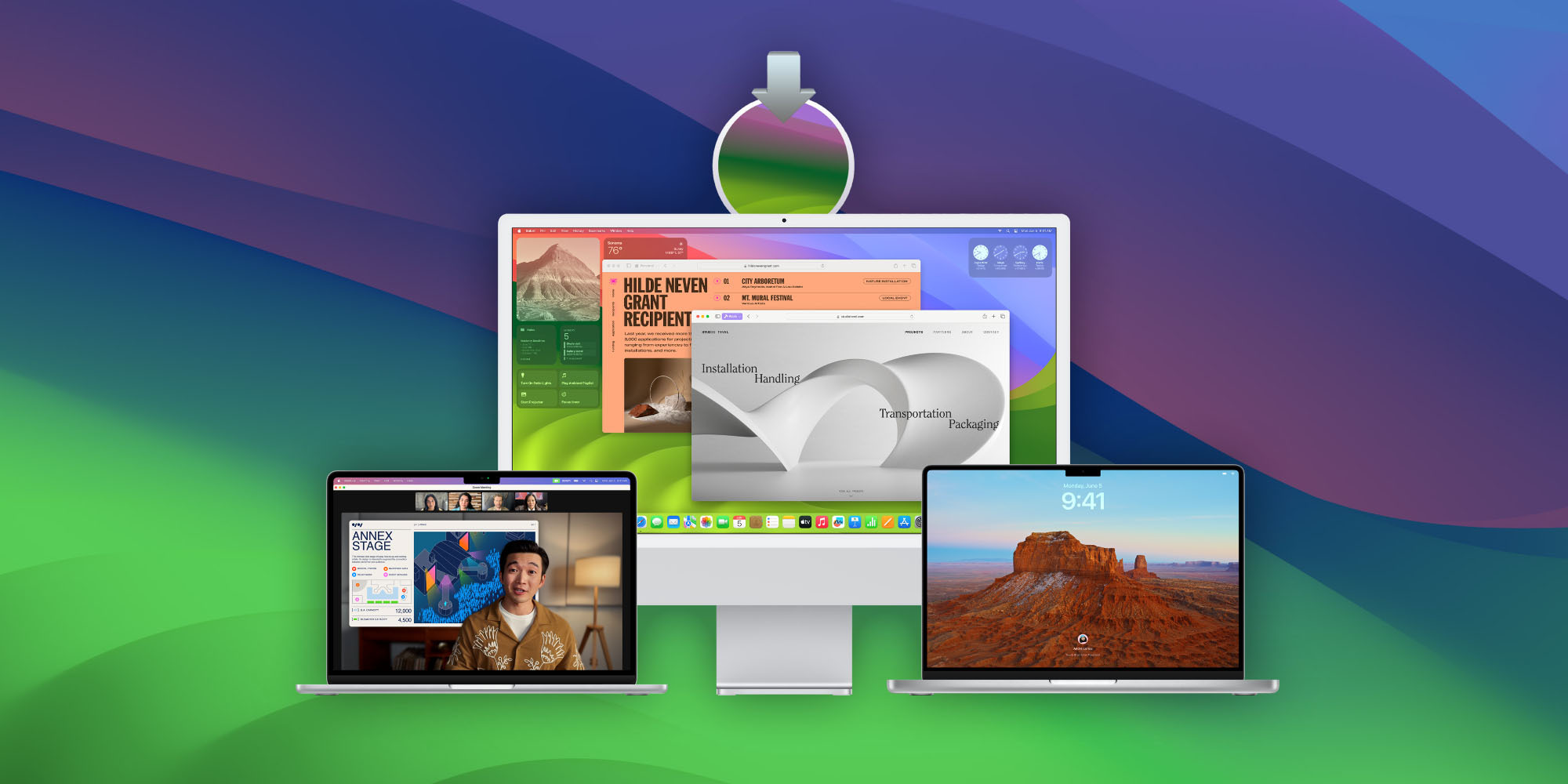
The current version of macOS is Sonoma (version 14), which features new slow-motion screen savers, widgets on desktop, camera effects on FaceTime and other apps, web apps, passkey sharing, improved PDF support, and Game Mode. The update also comes with a new API that lets developers easily port Windows games to macOS.

Architecture Transitions

The Mac has had three major architecture transitions in its history. Apple’s first computers ran on Motorola processors, but the company decided to migrate to the new PowerPC platform in 1994. While this brought benefits at the time, the PowerPC processors were not delivering what Apple expected.

It was in 2005 that Apple confirmed the transition from PowerPC to Intel. Intel processors had become faster and more efficient than PowerPC, which enabled the development of new Mac computers that were more powerful and also more compact. Developers have been given access to a Developer Transition Kit running Mac OS X Tiger with Intel Pentium 4 to update their apps before the transition begins.
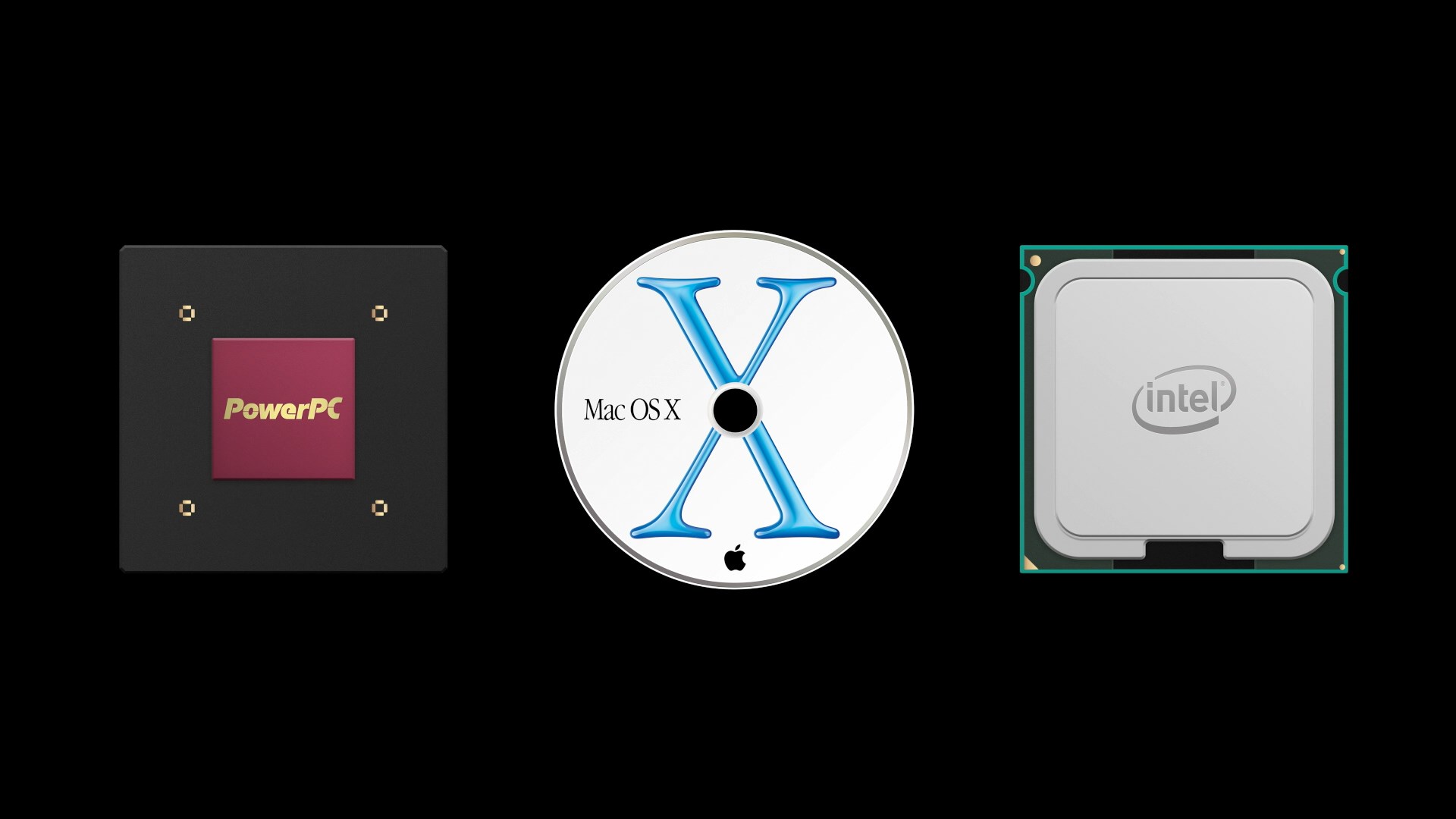
Power PC, Mac OS X, and Intel processor.

Apple said that the transition would begin in June 2006 and be finished by the end of 2007. However, the transition to Intel was fully completed in August 2006 when the company replaced the PowerMac with the new Intel Mac Pro.

As the years went by, Apple once again felt the need to have more powerful and efficient processors for its computers. This time, the company was already working on its own chips for the iPhone and iPad. In June 2020, Apple confirmed that it was changing the architecture of the Mac, now from Intel to ARM chips, which are called Apple Silicon.

Apple offered a Mac mini DTK running on the same A12Z Bionic chip as the 2020 iPad Pro. This way developers could once again update their apps ahead of the transition. In addition to being more powerful and energy efficient, the ARM architecture of Apple Silicon chips has enabled Macs to run iOS apps for the first time.
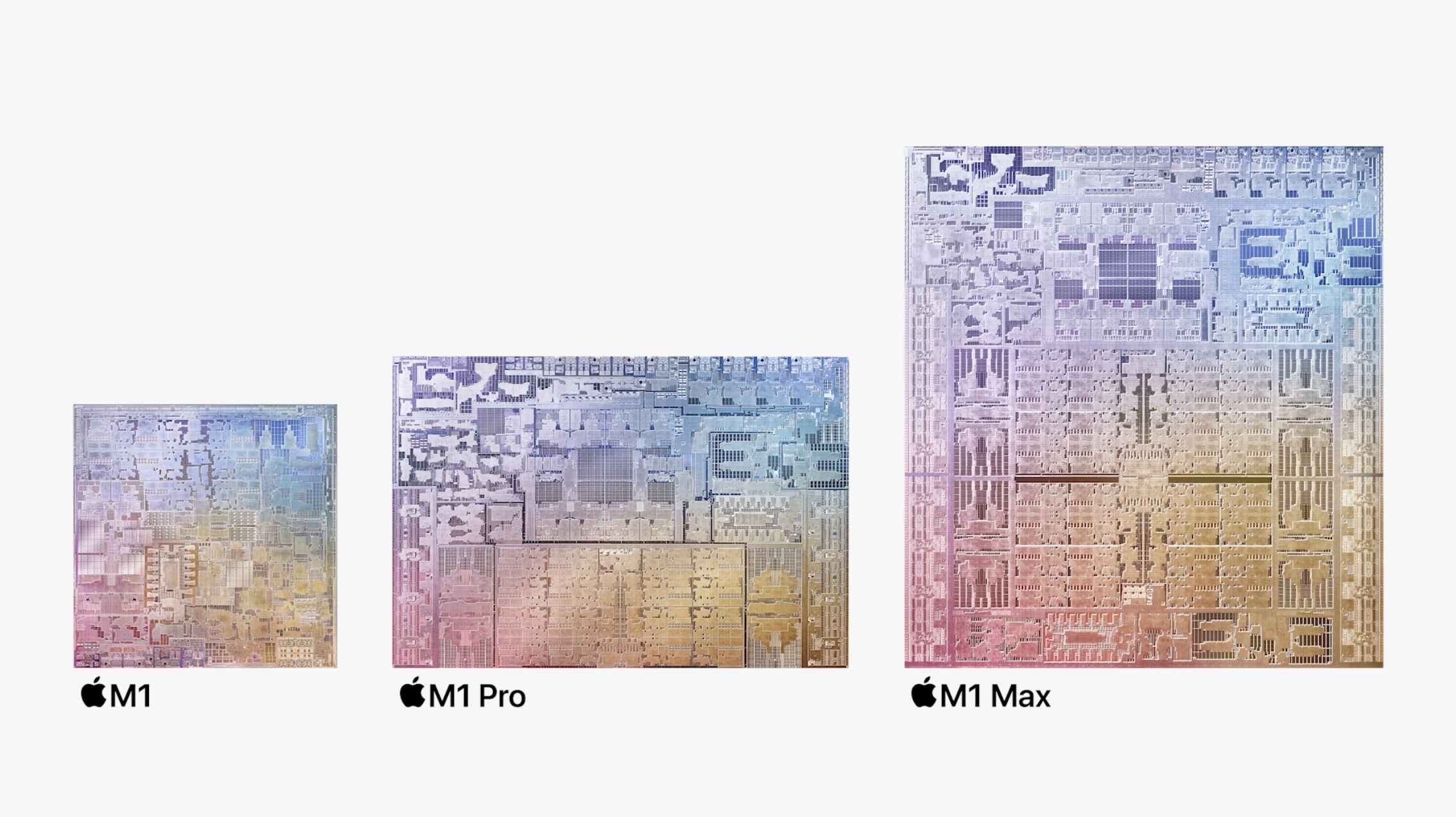
Apple M1 chip | Mac

The first Apple Silicon Macs were released in November 2020 with the M1 chip. The company later introduced more powerful variants of the M1 chip, called M1 Pro, M1 Max, and M1 Ultra. Macs with Apple Silicon have become known for being more powerful while consuming much less power, which has resulted in MacBooks with extended battery life.

In June 2022, Apple introduced the M2 chip, which is around 20% faster than the M1 and also supports more RAM. M2 also has more powerful variants: M2 Pro, M2 Max, and M2 Ultra.

Apple unveiled the M3, M3 Pro, and M3 Max chips in October 2023. The main highlight of this generation is the 3 nanometer technology, the same as the A17 Pro chip. The M3 family also features better GPUs with support for hardware-accelerated ray-tracing.

Current Mac lineup

Apple currently sells a variety of Mac computers, which includes MacBooks, Mac mini, iMac, and Mac Pro. While some of the Macs have already been updated with an Apple Silicon chip, others remain with Intel processors.

MacBook Air

The MacBook Air is Apple’s most affordable laptop and it has become popular for its light, compact design. The 2022 version is powered by the M2 chip and is offered with 8GB, 16GB, or 24GB of RAM. Plus, it has a new, edge-to edge 13.6-inch Retina display.

The laptop features Touch ID and has two Thunderbolt 3 compatible USB-C ports, a MagSafe connector for charging, and a headphone jack. Prices start at $1099 in the US. It’s offered in silver, space gray, starlight, and midnight.
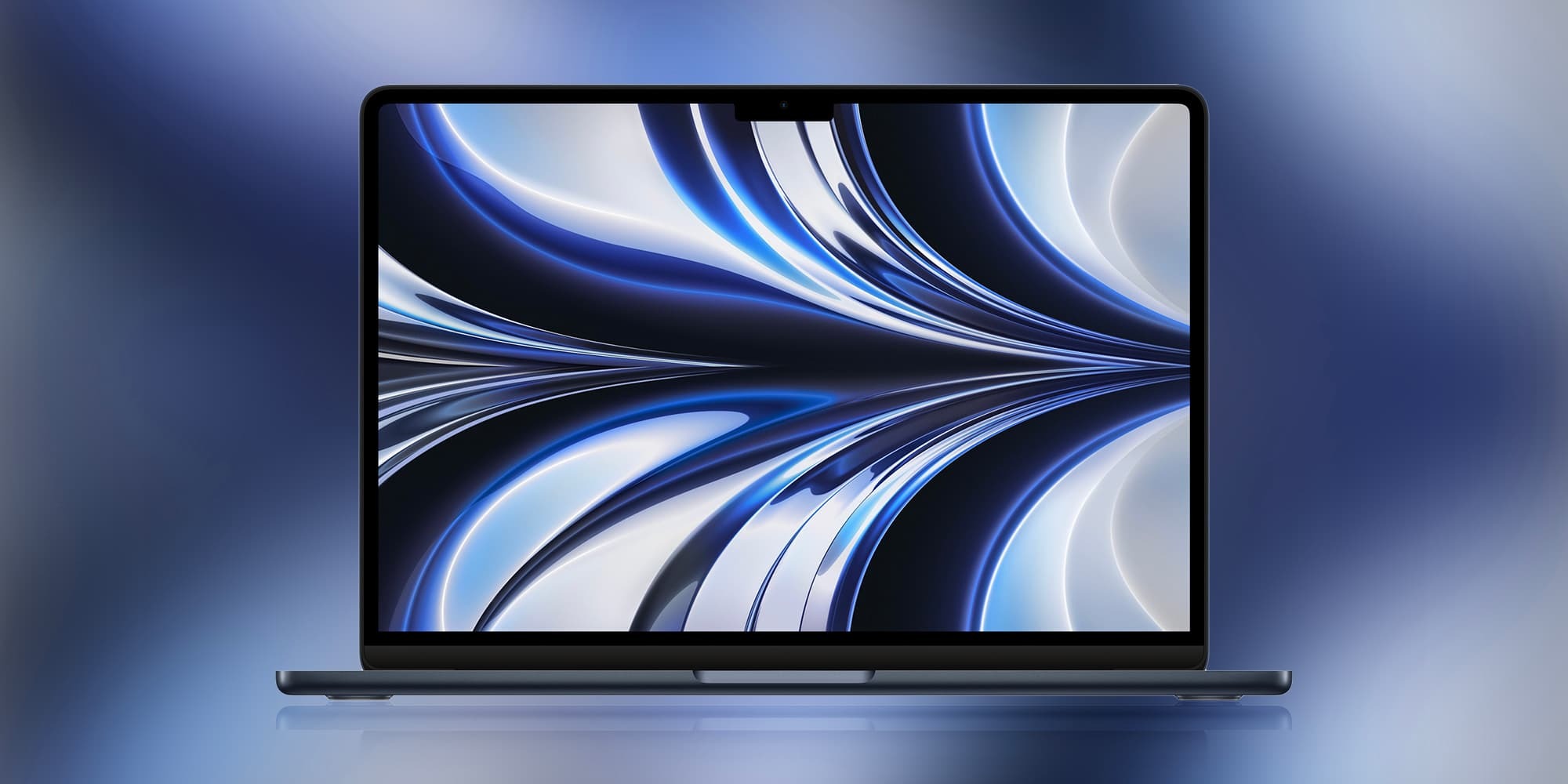
M2 MacBook Air.

A year later, Apple introduced the first 15-inch MacBook Air. It has essentially the same hardware as the smaller version with a similar design, but with a larger display. Prices start at $1299 in the US.Apple is still selling the M1 MacBook Air for prices starting at $999.

MacBook Pro

The 2023 MacBook Pro is available in multiple versions, and customers can choose between 14-inch and 16-inch screen sizes. For the first time, Apple has introduced a less expensive version of the 14-inch MacBook Pro with the base M3 chip. This version has the same design and display as the high-end versions, except that it only has two USB-C ports instead of three.
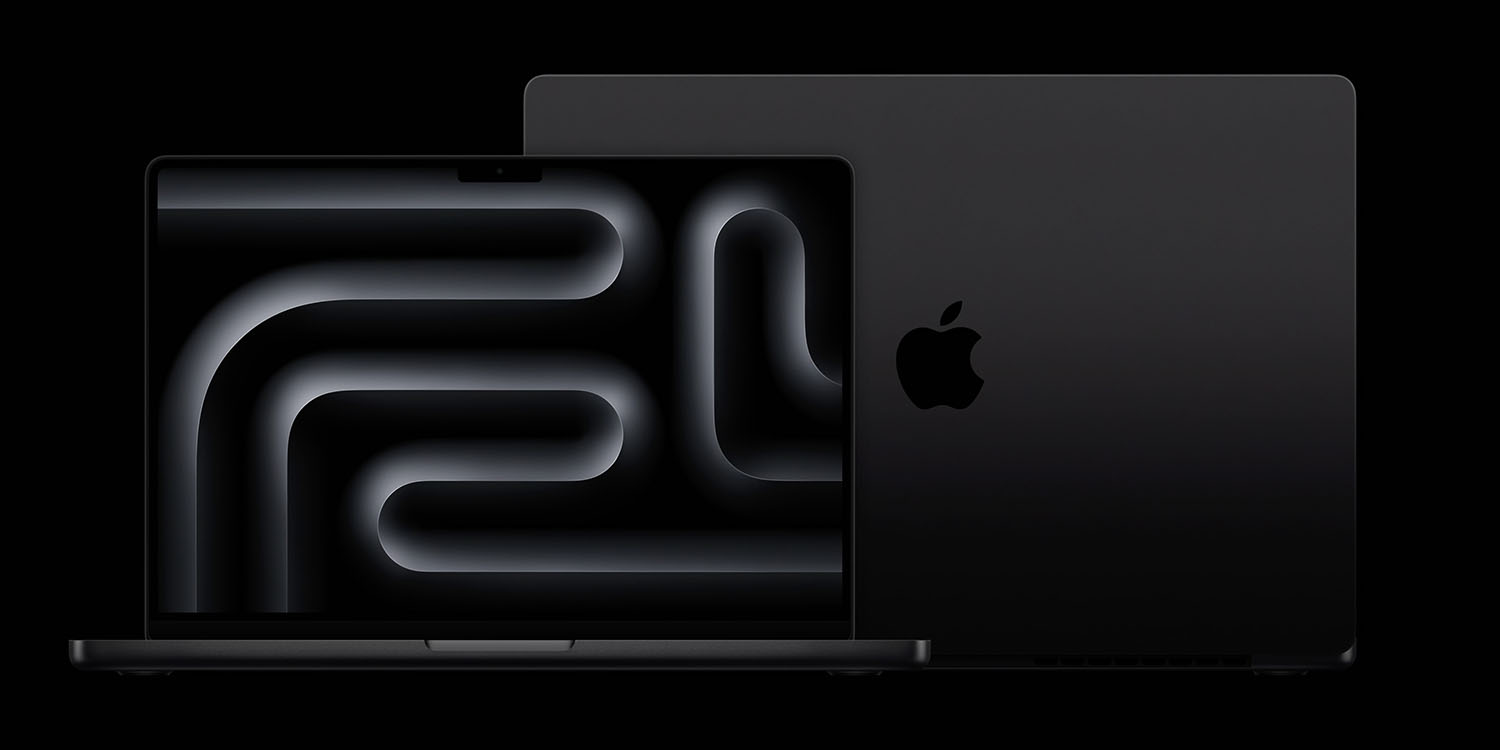
M3 MacBook Pro

The most expensive versions of the MacBook Pro are equipped with the more powerful M3 Pro and M3 Max chips. The laptop can be configured with up to 128GB of RAM and 8TB SSD. These versions also come in a new Space Black color.

Unlike the MacBook Air, the MacBook Pro comes with an HDMI port and an SD card reader. It also features MagSafe and Touch ID on the keyboard. Apple no longer sells MacBooks with the Touch Bar. Prices start at $1,599 in the US.

Mac mini

Mac mini is the cheapest Mac currently available since it’s basically a desktop without a built-in display or other peripherals. The base model with the M2 chip features one Ethernet port, two USB-C/Thunderbolt 4 ports, HDMI 2.0, two USB-A ports, and a headphone jack.

Apple sells a more powerful version of the Mac mini with the M2 Pro chip, which also comes with four USB-C ports instead of two. Mac mini can be configured with up to 32GB of RAM and up to 8TB of storage. Customers can also opt for a 10 Gigabit Ethernet port. The Apple Silicon Mac mini is only available in silver, while the now discontinued Intel model was available in space gray.
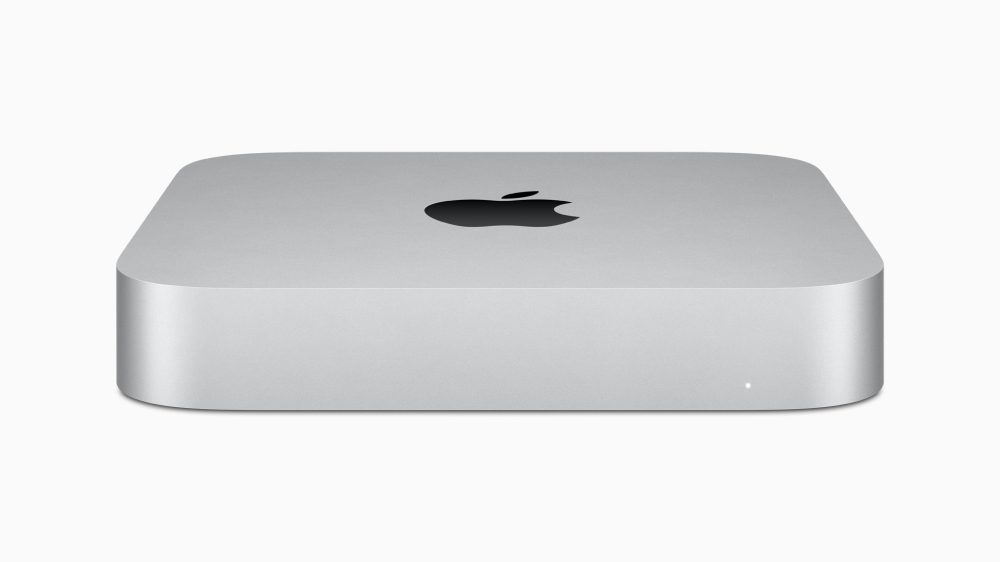
Apple Silicon Mac mini.

Prices for the Mac mini start at $599 in the US. Again, it’s worth noting that it doesn’t come with a keyboard or mouse in the box – you need to buy them separately or use your current ones.

Mac Studio

Mac Studio represents a new category between Mac mini and Mac Pro. It features a design based on the Mac mini, but with a taller body to support the more powerful hardware and also a better cooling system.

The new Mac Studio is targeted at professional users who work with demanding tasks such as video editing, 3D rendering, and machine learning. 

Embraced by creative pros everywhere, Mac Studio now delivers next-generation power in the form of the lightning-fast M2 Max and the boundary-breaking M2 Ultra. It packs outrageous performance and extensive connectivity in an unbelievably compact form, putting everything you need within easy reach and transforming any space into a studio.

By default, Mac Studio already comes with the M2 Max chip, 32GB of RAM, and 512GB SSD storage. A more expensive option lets users customize Mac Studio with M2 Ultra. While M2 Max has a 12-core CPU and a 30-core GPU, M2 Ultra doubles all of those specs. The new chip has a 24-core CPU and a 60-core GPU.

Mac Studio can also be configured with up to 192GB of RAM and 8TB of SSD storage. The machine offers up to six Thunderbolt ports, 10 Gigabit Ethernet, headphone jack, two USB-A ports, and one HDMI port.
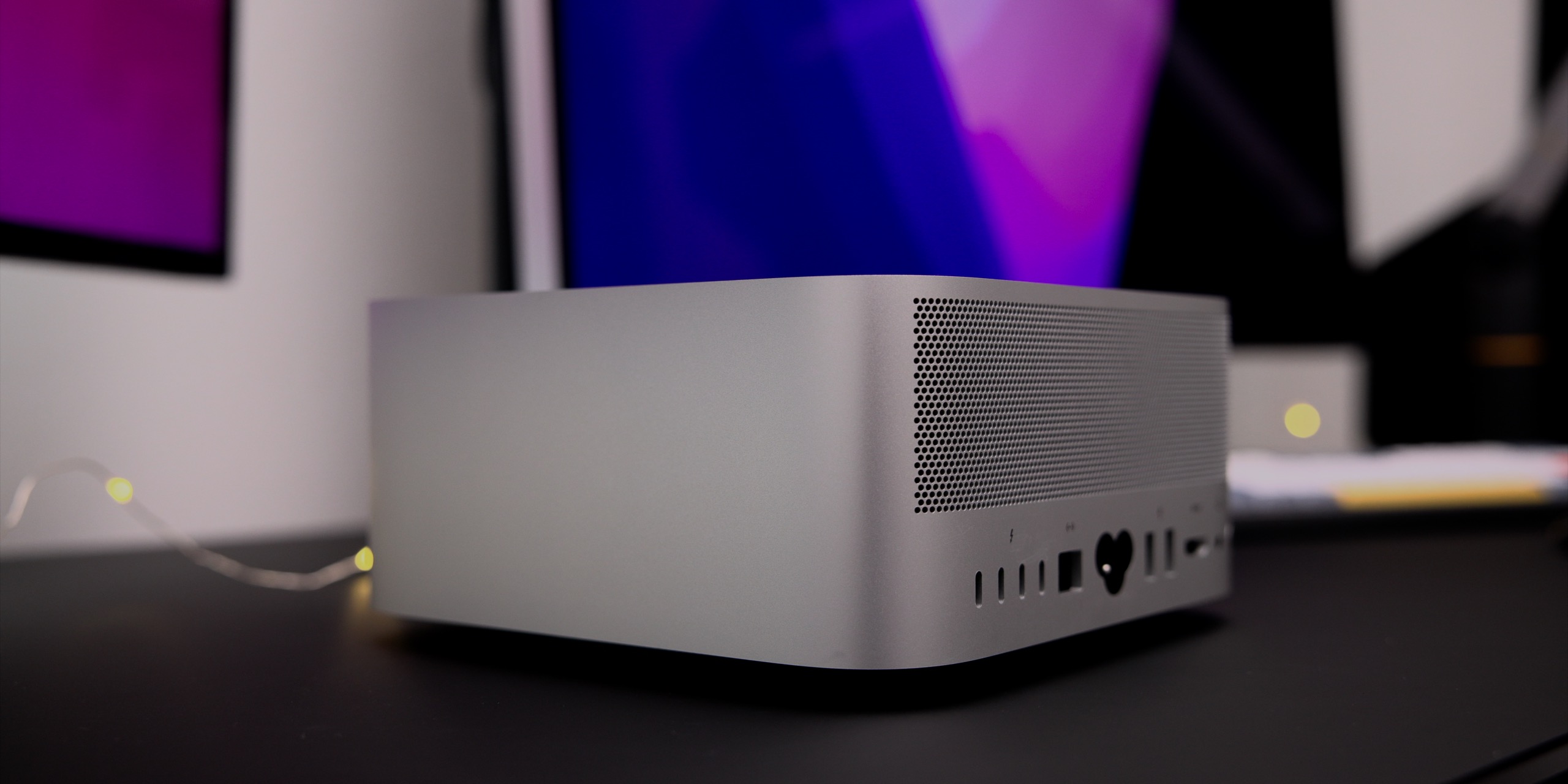
Mac Studio

Apple has been rumored to be working on new versions of this machine with the M3 Max and M3 Ultra chips. However, these versions may not be ready until 2025. Bloomberg’s Mark Gurman said in November last year that the M3 Ultra chip “hasn’t yet gone into broad testing” inside Apple.

In the US, prices for the Mac Studio with M2 Max chip start at $1999. The M2 Ultra chip version starts at $3999. Just like the Mac mini, Mac Studio doesn’t come with a keyboard and mouse in the box. You can find accessories for your Mac Studio here.

iMac

iMac is Apple’s most popular desktop computer with an all-in-one construction. It features a 4.5K display in its 24-inch version and a 5K display in the 27-inch version. At the same time, Apple still sells an entry-level iMac with a regular 1080p display.

The 24-inch iMac is the first to feature the M1 chip, the same as in the Mac mini, MacBook Air, and MacBook Pro. This allowed Apple to introduce a completely redesigned model with a slimmer design, which is also offered in seven new colors. Customers can customize the new 24-inch iMac with up to 16GB of RAM and 2TB of storage.
Site default logo image

The company ships the 24-inch iMac with Magic Mouse and Magic Keyboard, plus a Lightning cable for recharging accessories. Prices in the US start at $1299. Apple has discontinued its old 21.5-inch iMac and the 27-inch iMac 5K.

Mac Pro

Mac Pro is a computer built for professional users who depend on extremely powerful hardware. Available in tower and rack versions, it has a completely modular design. That means users can replace RAM, SSD, GPU, and other internal components.

By default, it features four USB-C/Thunderbolt 3 ports, two USB-A ports, and two 10Gb Ethernet ports. However, the ports can be expanded using the PCI Express slots. Apple also ships the computer with a Magic Mouse and Magic Keyboard, but it does not come with an external monitor included.

All models feature Intel Xeon W processors, which are the most powerful processors offered by Intel. Consumers can configure Mac Pro with up to 28-core processor, 1.5TB RAM, and 8TB of SSD storage. In addition to supporting multiple dedicated GPUs, Apple also offers the Afterburner card — which accelerates the decoding of ProRes videos.

The company recently updated the Mac Pro with new graphics card modules, which include Radeon Pro W6800X and Radeon Pro W6900X.

Site default logo image

Mac Pro prices start at $5999 in the US.

Rumors about upcoming Macs

Top stories about the Mac

Apple seeds fourth tvOS 9.2.1, iOS 9.3.2, & OS X 10.11.5 betas to testers

Site default logo image

Apple has released the fourth beta of its iOS 9.3.2 update to both developers and public beta testers today. OS X El Capitan 10.11.5 and tvOS 9.2.1 also saw a fourth beta release for developers today. The latest developer and public betas haven’t seen any major changes as it appears they are turning out to be more bug fix releases than anything. Simultaneous use of Low Power Mode and Night Shift had been reactivated as of iOS 9.3.2 beta 2.


Expand
Expanding
Close

Quitter: a new Mac app from the creator of Instapaper [Video]

Marco Arment is well known for working at Tumblr, creating Instapaper and Overcast, and for being a fairly prolific podcaster. Needless to say, he’s dabbled his toes in lot of different areas. One area that has remained virtually untouched by Arment is, oddly enough, the Mac.

As someone whose name is so synonymous with iOS development, it’s surprising that Quitter, a brand new app based around auto-quitting distracting apps after a set period of inactivity, is Arment’s first app release for the Mac.
Expand
Expanding
Close

How-To: Find your MacBook’s battery cycle count and learn what it means about its battery life

Recently I noticed that my Late 2013 MacBook Pro with Retina Display seemed to be dying at a faster clip. Naturally, I assumed that the battery might be going bad.

After checking the battery cycle count, I learned that I was probably wrong about the battery being bad, as the cycle count was still well within the normal life span of my MacBook. Here’s how I was able to verify that everything was okay with my MacBook’s battery.


Expand
Expanding
Close

Site default logo image

Apple updates iMovie for Mac with navigation & visual improvements, more

Apple today is rolling out a small update to its iMovie video editing software on the Mac. The update bumps the app to version 10.1.2 and follows an update that fixed YouTube sharing bugs and improved stability. Today’s update includes a couple of changes that improve navigation, as well as your standard bug fixes and stability improvements.

Expand
Expanding
Close

Apple releases Safari Technology Preview 3, iOS 9.3.2 public beta 3 & OS X 10.11.5 dev beta 3

Site default logo image

Apple has begun seeding the third update to its Safari Technology Preview, iOS 9.3.2 public beta 3, and OS X 10.11.5 developer beta 3. Safari’s update today includes changes in the way it works with JavaScript, CSS, web APIs, Web Inspector, rendering, security, networking and accessibility. iOS 9.3.2’s latest developer and public betas haven’t seen any major changes as it appears that this release is turning out to be more of a small bug fix release. Simultaneous use of Low Power Mode and Night Shift has been reactivated as of iOS 9.3.2 beta 2.


Expand
Expanding
Close

How-To: Quickly resize images on OS X using a Service with Automator

Every day I use a handy service created with Automator to resize images exported from 4K footage to a smaller size. It’s easy to resize images in an app like Preview or Pixelmator, but using a service works better for me since it can batch resize multiple images in seconds, and it’s directly accessible from the Finder. Here’s how you can create your own handy image resizing service using Automator.
Expand
Expanding
Close

CloudMagic’s Sender Profile helps you discover more about your contacts

Email apps are a dime a dozen at this point, and each one is continuously attempting to compete with others in any way they can. Today, CloudMagic takes their app one step further in a small, but significant way. With Sender Profile, CloudMagic will now be able to quickly show you more information on the contact emailing you using various social media sources.


Expand
Expanding
Close

Does a standing desk really make a difference? Hands-on with the UpDesk PowerUp

Site default logo image

I’ve always been intrigued about the idea of a standing desk, but I’ve never been motivated to actually try one until recently. As someone who sits at a desk and blogs about Mac and iOS for a living, I was particularly interested in seeing what type of benefits such a desk could offer.

Enter the PowerUp from UpDesk, a Nashville-based company that specializes in standing desks. The PowerUp, as its name alludes to, is a motorized standing desk that can lower and raise with the press of a button.

I’ve been testing out the PowerUp for the last few weeks, and have collected some thoughts and observations about the setup. Does it really make a difference in my day to day Mac and iOS blogging workflow?
Expand
Expanding
Close

Satechi launches inexpensive, Mac-matching docking station w/4K HDMI GigE and 4xUSB 3 hub

Popular peripheral maker Satechi is launching a new compact hub for Macs called Aluminum Mini Docking Station. The new hub expands one USB 3 port into four USB 3 ports plus adds access other networking and audio/video ports. Like a lot of other Satechi hardware, Aluminum Mini Docking Station is color-matched in silver to fit in with an iMac or Mac mini too.


Expand
Expanding
Close

Opinion: Apple’s MacBook lineup has a storage problem

Yesterday, we showed you how to upgrade late model MacBooks with a 480GB or 1TB SSD. In some cases these upgrades might yield eight times the original capacity of the machine’s internal storage.

While it’s certainly nice to have the option of upgrading, such enhancements do come with downsides. First, there’s the price: it’s $600 to upgrade to a 1TB drive. Second, the upgrade breaks Boot Camp support.

But $600 is relatively cheap when you compare what it costs to score a MacBook with a 1TB SSD. MacBooks feature faster PCIe storage, but it’s still a high price to pay for something so vital — and so cheap by today’s standards.

Apple’s MacBook line has an issue with internal flash storage prices. It’s a problem that continues to worsen, especially as Apple has made it increasingly difficult for users to upgrade.
Expand
Expanding
Close

Microsoft introducing Skype for Business Mac Preview w/ Outlook calendar integration

Microsoft is getting serious with the Mac today with its new Skype for Business preview for OS X. The new business-focused version of Skype for Mac runs on OS X El Capitan and focuses on creating an enterprise-friendly experience. IT professionals can request access to the new Skype for Business Mac Preview starting today.


Expand
Expanding
Close

Dropbox Project Infinite will show all your cloud files in the Finder … without taking up any local space

Dropbox is today announcing a new upcoming feature of its platform, codenamed Project Infinite. When Infinite rolls out, you’ll be able to see all your files and folders stored on Dropbox in the Finder, but they won’t take up any space until they are needed. The company is currently targeting the feature at business users.

This means your Dropbox storage can be far larger in total size than your local disk (as is common with modern setups of 1 TB Dropbox tiers and small SSDs) with on-demand instantaneous access to any file at any time over the Internet …


Expand
Expanding
Close

Apple Q2 earnings expectations: 51 million iPhones, $52 billion revenue, first quarterly decline since 2003

Later today, at about 4.30 PM ET, Apple will announce its financial earnings results for fiscal Q2, including the latest three-month sales numbers for iPhone, iPad and Mac.

Although Apple is still going to post profits in the billions, still one of the most successful companies the world by all metrics, investor expectations are low as the company guidance indicates it will report its first decline in year-over-year quarterly revenue since 2003. The primary cause? Falling iPhone sales …


Expand
Expanding
Close

Review: OWC’s Aura PCIe flash storage lets you upgrade the storage capacity of your Mid-2013 and later MacBook [U: Now works with Boot Camp]

As an owner of a Late 2013 MacBook Pro with Retina Display, it’s slowly beginning to show its age. However, I find that this machine, an i7-powered rig with 16GB of RAM, is still plenty powerful for the applications that I run on a day-to-day basis. For example, with Final Cut Pro X, it’s not the fastest machine in the world (it lacks dedicated graphics), but it’s still plenty competent when it comes to editing and exporting 4K videos.

The biggest bottleneck that I’ve encountered with this computer is its storage capabilities, and that’s something I’ve been trying to deal with since the day I purchased it. With only 256 GB of flash storage, space has been hard to come by since day one. That wouldn’t be so bad if there was a way to upgrade the amount of internal storage, but sadly there has been no upgrade solution…until now.

Back in early March, OWC made a splash by announcing the very first flash storage upgrade solution the MacBook Pro as far back as the Late-2013 product cycle, and the MacBook Air, as far back as the Mid-2013 product cycle. Yes, finally! MacBook Pro and MacBook Air owners with qualifying machines can come out of the storage dark ages with OWC’s new Aura PCIe flash storage upgrade.

Expand
Expanding
Close

Teardown shows new Apple’s 12-inch MacBook adds tamper-evident screws, very minor improvements

Our friends over at iFixit are doing their ritual teardown of Apple’s new 12-inch MacBook, and while the new device is essentially the same as the previous generation save for some refreshed components, the repair guide site also noticed some tweaks as far as repairability goes.

Most notably, Apple replaced a tri-wing screw with a much more common Phillips screw, which is always a plus for allowing easier repairs, although it continues to use its proprietary Pentalobe screws on the exterior of the case. That might be the only new positive for the updated MacBook, however, as iFixit also notes that it discovered hinge screws for the device which are “filled with some sort of substance that disintegrates when you insert a screwdriver.” The site speculates that it appears to be an Apple effort at “tamper-evident screws,” which in theory could allow the company to know if a third-party or DIY repair attempt has been made voiding warranty. Or as iFixit put it, “make you feel like a hoodlum for repairing your own machine.”


Expand
Expanding
Close

Review: Griffin’s BreakSafe is the magnetic USB-C connection the 12-inch MacBook needs

Site default logo image

One of the most interesting accessories that came out of the Consumer Electronics Show earlier this year was Griffin’s BreakSafe Magnetic USB-C Power Cable. As a 12-inch MacBook owner (and lover), one of the things I’ve missed the most with the machine is the MagSafe connection. Apple introduced the MagSafe technology 10 years ago, but thanks to the switch to a single USB-C connection, it is nowhere to be found on the ultra-slim MacBook.

That’s where Griffin’s BreakSafe comes in the. Retailing for $39.99, the BreakSafe is a six-foot-long magnetic USB-C cable. The BreakSafe brings the laptop-saving MagSafe technology that Apple users have to love to the 12-inch MacBook. And it does it surprisingly well, but it’s not perfect…


Expand
Expanding
Close

Review: KEF Egg Wireless Digital Music System – an expensive, but glorious-sounding speaker solution

The KEF Egg digital wireless speaker system certainly lives up to its name. The shape of the speakers are a peculiar half-egg shape that make you question whether or not you should take them seriously.

A quick listen, and that question is answered with authority. Despite the peculiar look, these speakers mean business in the sound department.

Not only do these speakers sound good, but they also work well in a variety of different environments and with a variety of sources. KEF Egg is a Bluetooth speaker, a Hi-Fi USB speaker, and features traditional optical input as well. This means that the Egg works well in a bedroom, an office environment, or even in the living room.

At $499, these speakers are anything but cheap, but if you’re searching for a pair of flexible speakers possessing high-end sound, then the KEF Egg might be worth saving up for.
Expand
Expanding
Close

Site default logo image

Giveaway: SteelSeries Apex M800 Mechanical Keyboard

Last week, we reviewed the SteelSeries Apex M800 Mechanical Keyboard. The review was largely positive, citing the keyboard’s Mac-centric keycaps, individual LED lights and tactile key switches.

The SteelSeries Apex M800 is one of the more unique keyboards that we’ve tried, as each individual key can be customized with key bindings and LEDs. With SteelSeries’ Engine 3 software, customization is only a few clicks away.

We’re giving away this $170 keyboard to one of our fabulous readers. Check inside to learn how to win.
Expand
Expanding
Close

Wozniak: Apple should pay 50% tax, the same as I do

In an interview with the BBC on national British radio, Apple co-founder Steve Wozniak said that he believes Apple should pay 50% tax, along with all other companies. He said he doesn’t like the distinction of different rules between corporations and individuals.

Today, although Apple has never been found to evade tax or conduct illegal practices, it does not pay at top-rate tax, using a variety of financial engineering schemes to redirect profits elsewhere, such as Ireland, with significantly lower tax requirements.


Expand
Expanding
Close

Apple releases iOS 9.3.2 + OS X 10.11.5 public beta 2

Apple has just released the latest public builds of its iOS 9.3.2 and OS X 10.11.5 updates out to beta testers. Both platforms saw developer builds released yesterday, with small bug fixes noted in the release notes. Most interesting to note is that Apple once again has allowed a combination of Low Power Mode and Night Shift to be enabled simultaneously on iOS devices.


Expand
Expanding
Close

WWDC Rumor Roundup: Everything Apple could announce at its upcoming event

Siri for Mac with OS X 10.12, iTunes and App Store redesigns, improved iCloud encryption, and original programming for the Apple TV. These are just a few of the projects Apple has reportedly been working on and they are also likely candidates for stage time at its upcoming WWDC press event and developer conference. Add in the last of the Macs that are due for updates and the usual dose of new developer tools, and we already have a lot to look forward to at WWDC slated for June 13-17.

Below we take a look at the latest rumors and reports for all of the expected product updates and new features in the cards for the event.


Expand
Expanding
Close