Mac

See All Stories

Apple’s Mac lineup consists of MacBook, MacBook Air, MacBook Pro, iMac, Mac Pro, and Mac Mini. The Mac runs macOS for its operating system.
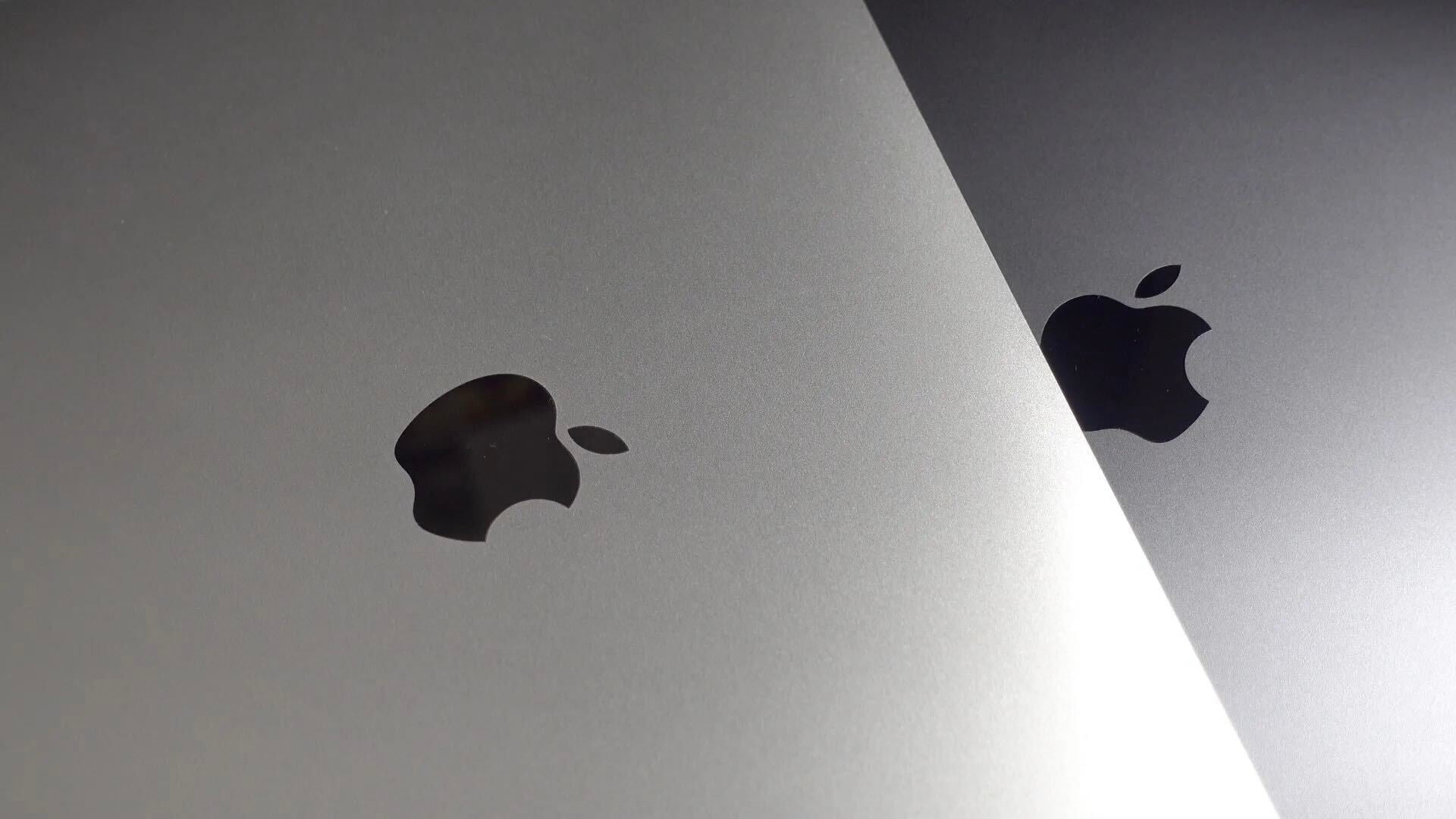
Mac lineup

History

The Mac is Apple’s lineup of computers, and it can be considered the company’s oldest product. The name “Mac” comes from the original Macintosh, which was introduced in 1984 and is also considered the first personal computer for the masses to have a graphical user interface. The first Macintosh hit the stores on January 24, 1984, costing $2,945.

Among all these years, Apple has introduced many different Mac models, ranging from desktops to laptops to professional tower machines. The current lineup consists of the MacBook Air, MacBook Pro, Mac mini, iMac, and Mac Pro. However, there have been other Mac models were discontinued, such as the eMac, MacBook, and iMac Pro.

The history of modern Macs began in 1998, a year after Steve Jobs returned to Apple. Apple had dozens of Macintosh computers at that time, but Steve decided to rethink the entire lineup. In 1998, Apple announced the iMac G3, which ditched the floppy disk and serial ports in favor of USB connectors.
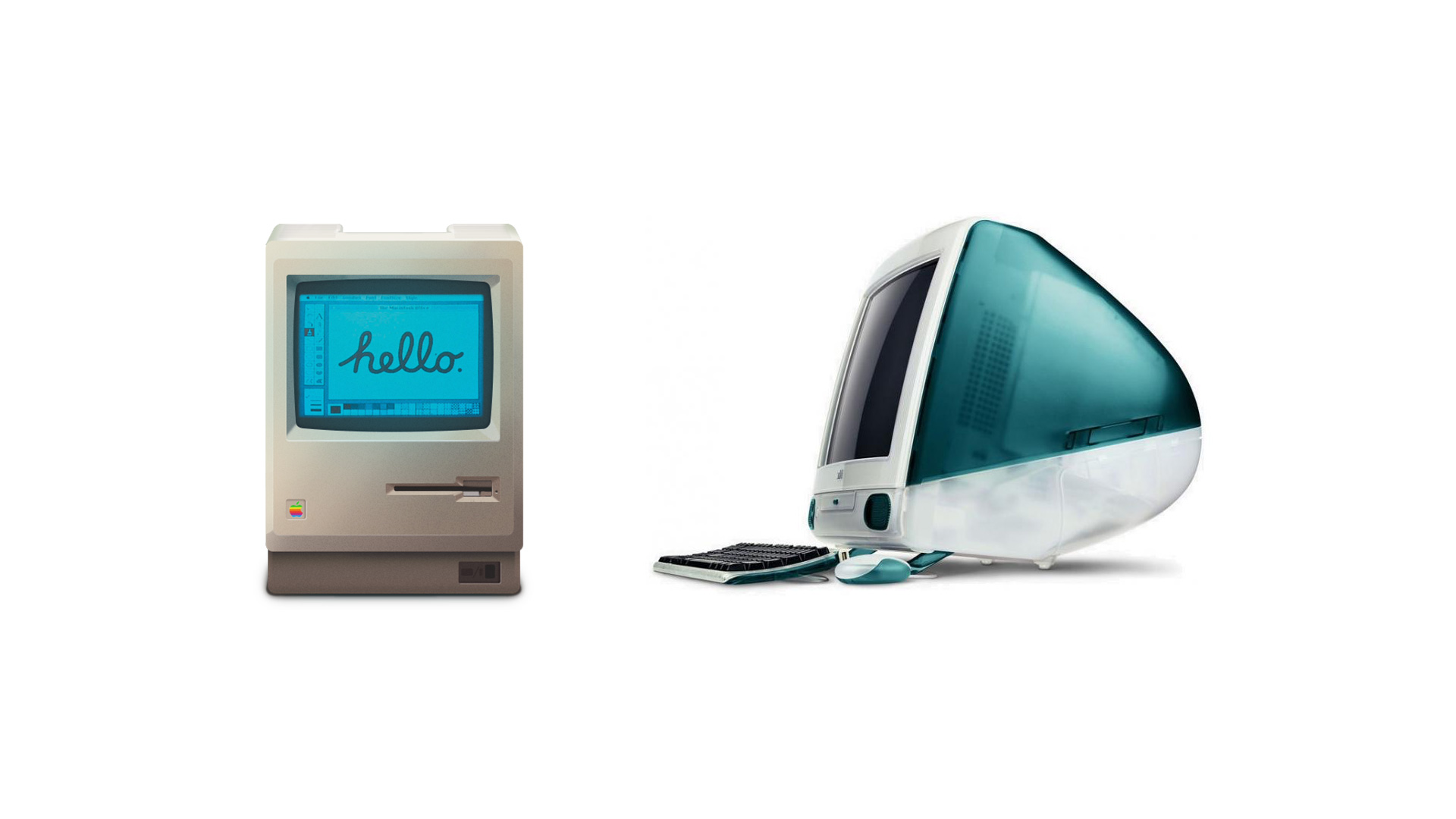
Macintosh and iMac G3.

Unlike the Macintosh, the first iMac was considered a huge success — not only for its technology, but also for its unique design with colorful translucent plastic. Apple quickly expanded the Mac lineup with other models, which included the iBook and PowerBook (which became the MacBook and MacBook Pro) and the PowerMac, which is now the Mac Pro.

macOS

What makes a Mac the Mac is the macOS operating system, which has also had a long history since the introduction of the first Macintosh. Initially called Mac OS, the operating system was rebuilt when Steve Jobs returned to Apple.

The first version of Mac OS X was released on March 24, 2001 with a new interface that is still present in some ways in current versions of macOS. Apple’s desktop operating system comes with many free applications such as Pages, Keynote, Numbers, iMovie, and GarageBand.

With macOS, users also have access to deep integrations with other Apple devices. For instance, you can answer calls and send SMS from your iPhone using your Mac. Handoff lets you switch from one device to the other and pick up where you left off. Apple Watch users can unlock their computer without entering a password, and you can even copy and paste between devices.
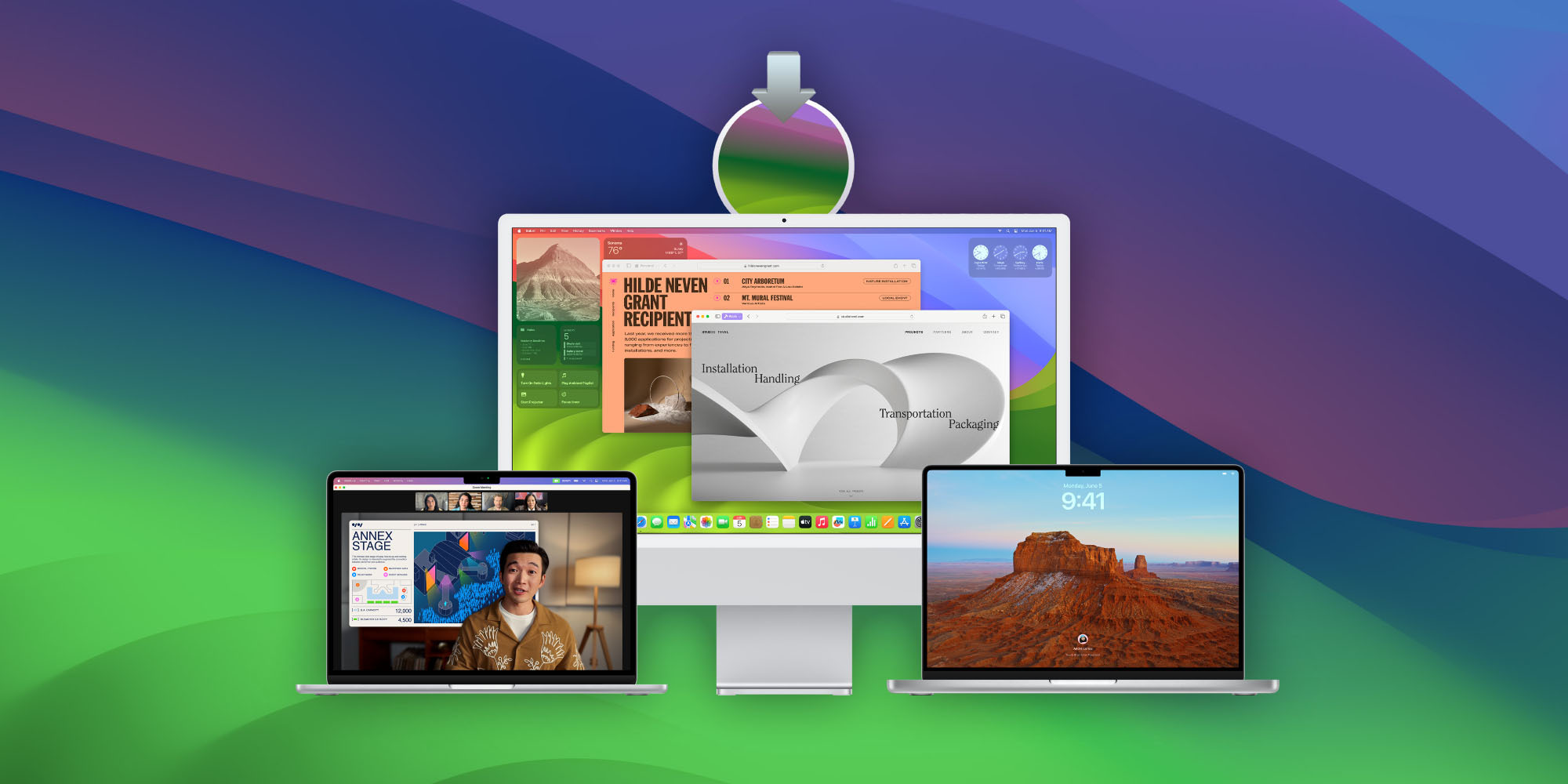
macOS Sonoma

Apple’s desktop operating system is also integrated with services offered by the company, such as iCloud, Apple Music, and Apple TV+.

The current version of macOS is Sonoma (version 14), which features new slow-motion screen savers, widgets on desktop, camera effects on FaceTime and other apps, web apps, passkey sharing, improved PDF support, and Game Mode. The update also comes with a new API that lets developers easily port Windows games to macOS.

Architecture Transitions

The Mac has had three major architecture transitions in its history. Apple’s first computers ran on Motorola processors, but the company decided to migrate to the new PowerPC platform in 1994. While this brought benefits at the time, the PowerPC processors were not delivering what Apple expected.

It was in 2005 that Apple confirmed the transition from PowerPC to Intel. Intel processors had become faster and more efficient than PowerPC, which enabled the development of new Mac computers that were more powerful and also more compact. Developers have been given access to a Developer Transition Kit running Mac OS X Tiger with Intel Pentium 4 to update their apps before the transition begins.
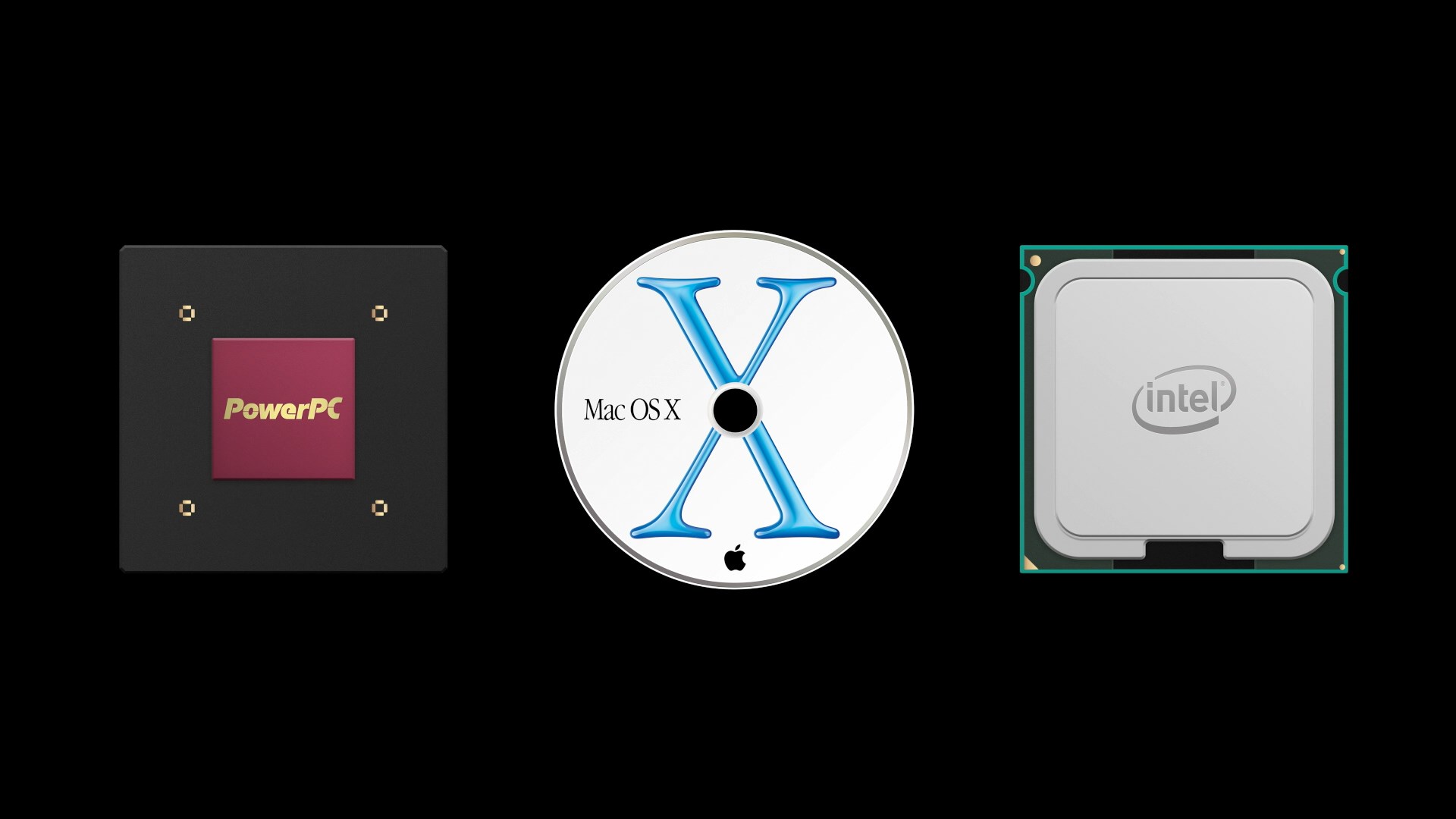
Power PC, Mac OS X, and Intel processor.

Apple said that the transition would begin in June 2006 and be finished by the end of 2007. However, the transition to Intel was fully completed in August 2006 when the company replaced the PowerMac with the new Intel Mac Pro.

As the years went by, Apple once again felt the need to have more powerful and efficient processors for its computers. This time, the company was already working on its own chips for the iPhone and iPad. In June 2020, Apple confirmed that it was changing the architecture of the Mac, now from Intel to ARM chips, which are called Apple Silicon.

Apple offered a Mac mini DTK running on the same A12Z Bionic chip as the 2020 iPad Pro. This way developers could once again update their apps ahead of the transition. In addition to being more powerful and energy efficient, the ARM architecture of Apple Silicon chips has enabled Macs to run iOS apps for the first time.
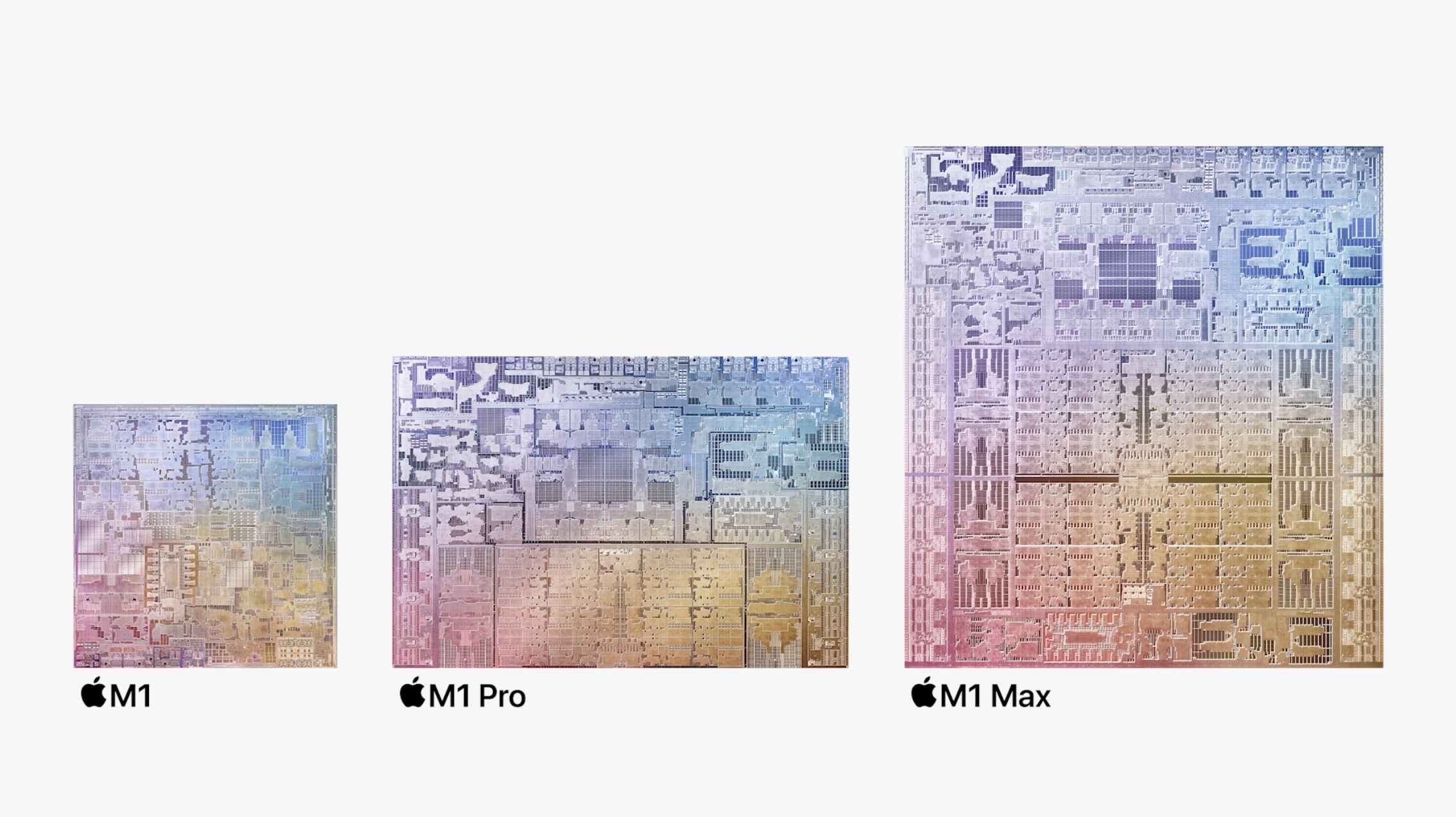
Apple M1 chip | Mac

The first Apple Silicon Macs were released in November 2020 with the M1 chip. The company later introduced more powerful variants of the M1 chip, called M1 Pro, M1 Max, and M1 Ultra. Macs with Apple Silicon have become known for being more powerful while consuming much less power, which has resulted in MacBooks with extended battery life.

In June 2022, Apple introduced the M2 chip, which is around 20% faster than the M1 and also supports more RAM. M2 also has more powerful variants: M2 Pro, M2 Max, and M2 Ultra.

Apple unveiled the M3, M3 Pro, and M3 Max chips in October 2023. The main highlight of this generation is the 3 nanometer technology, the same as the A17 Pro chip. The M3 family also features better GPUs with support for hardware-accelerated ray-tracing.

Current Mac lineup

Apple currently sells a variety of Mac computers, which includes MacBooks, Mac mini, iMac, and Mac Pro. While some of the Macs have already been updated with an Apple Silicon chip, others remain with Intel processors.

MacBook Air

The MacBook Air is Apple’s most affordable laptop and it has become popular for its light, compact design. The 2022 version is powered by the M2 chip and is offered with 8GB, 16GB, or 24GB of RAM. Plus, it has a new, edge-to edge 13.6-inch Retina display.

The laptop features Touch ID and has two Thunderbolt 3 compatible USB-C ports, a MagSafe connector for charging, and a headphone jack. Prices start at $1099 in the US. It’s offered in silver, space gray, starlight, and midnight.
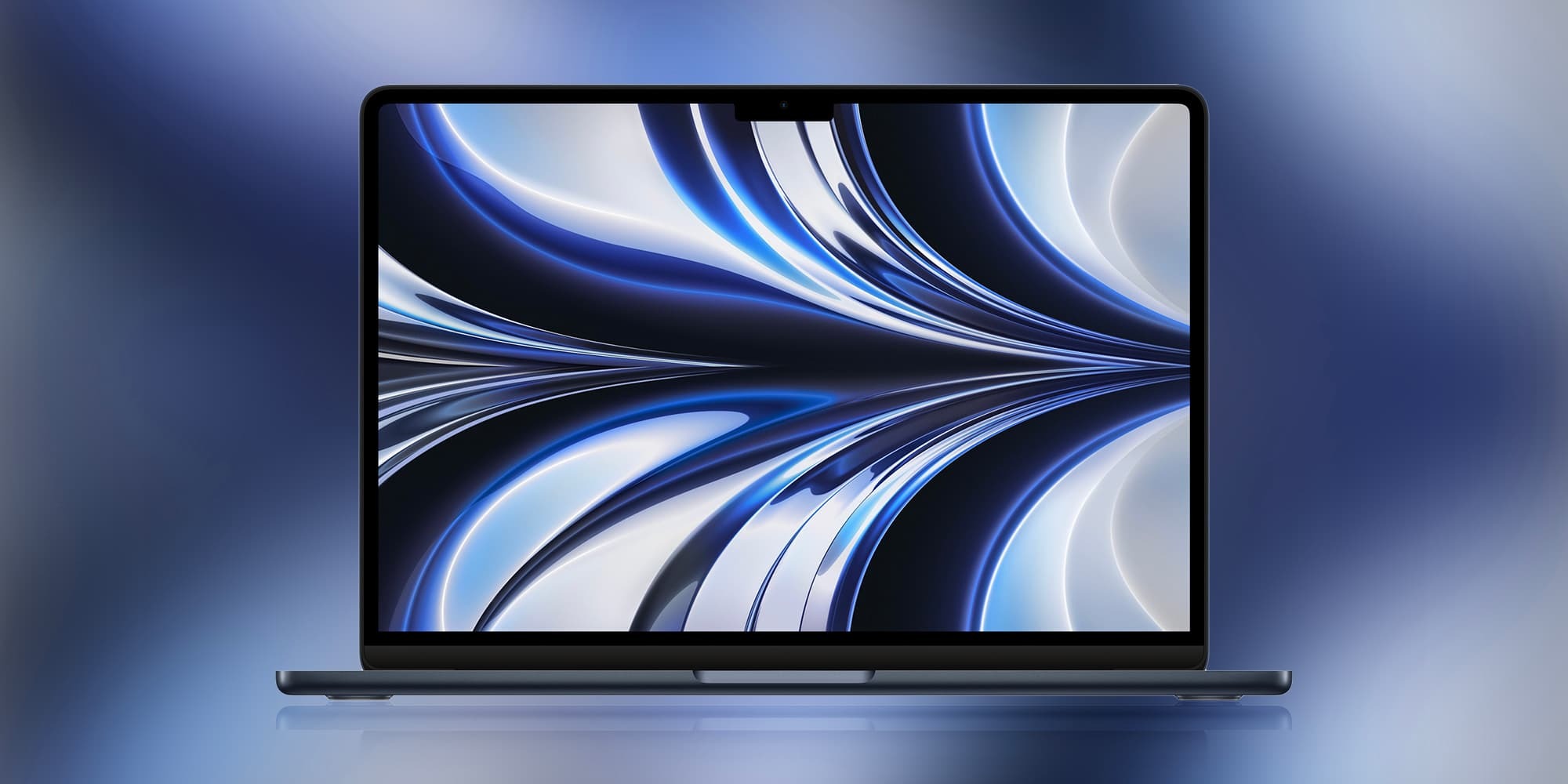
M2 MacBook Air.

A year later, Apple introduced the first 15-inch MacBook Air. It has essentially the same hardware as the smaller version with a similar design, but with a larger display. Prices start at $1299 in the US.Apple is still selling the M1 MacBook Air for prices starting at $999.

MacBook Pro

The 2023 MacBook Pro is available in multiple versions, and customers can choose between 14-inch and 16-inch screen sizes. For the first time, Apple has introduced a less expensive version of the 14-inch MacBook Pro with the base M3 chip. This version has the same design and display as the high-end versions, except that it only has two USB-C ports instead of three.
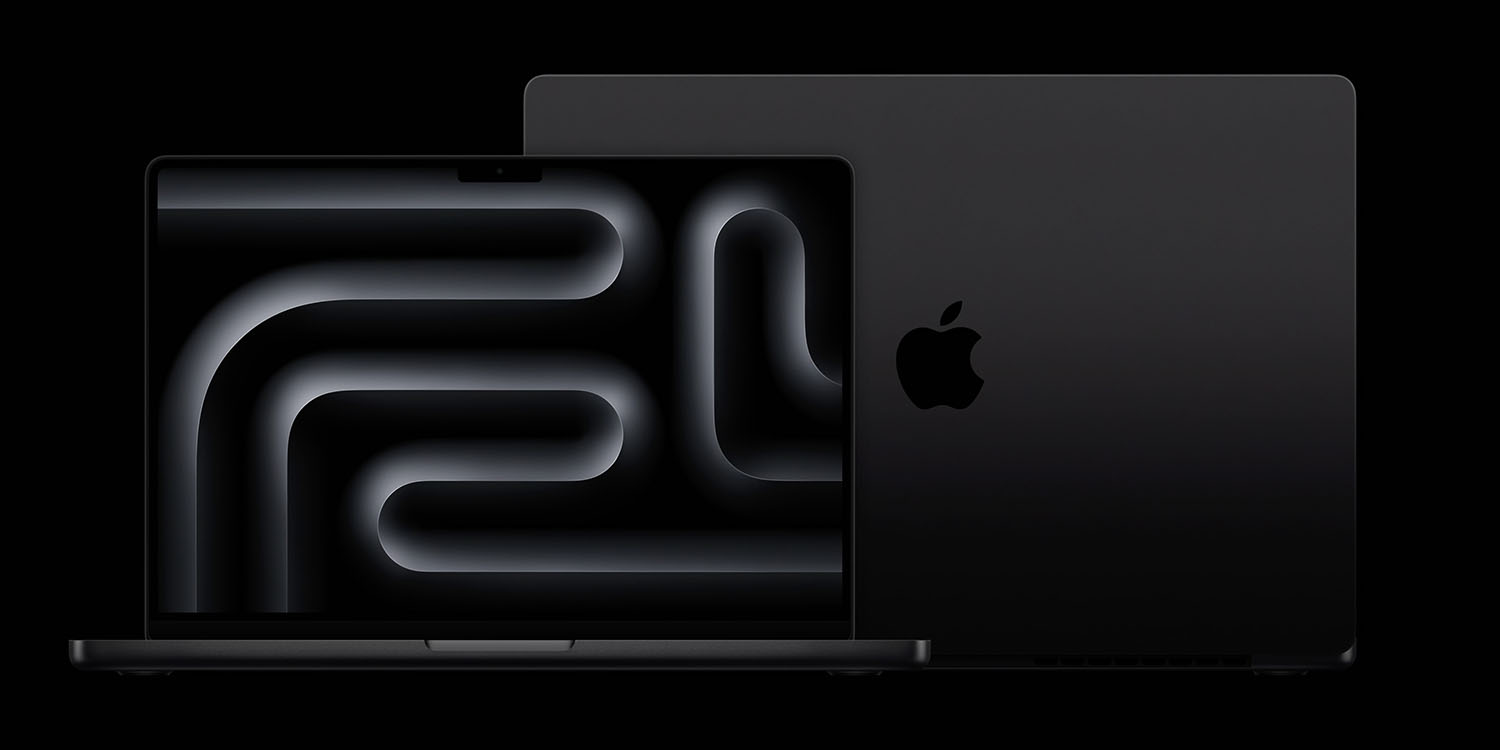
M3 MacBook Pro

The most expensive versions of the MacBook Pro are equipped with the more powerful M3 Pro and M3 Max chips. The laptop can be configured with up to 128GB of RAM and 8TB SSD. These versions also come in a new Space Black color.

Unlike the MacBook Air, the MacBook Pro comes with an HDMI port and an SD card reader. It also features MagSafe and Touch ID on the keyboard. Apple no longer sells MacBooks with the Touch Bar. Prices start at $1,599 in the US.

Mac mini

Mac mini is the cheapest Mac currently available since it’s basically a desktop without a built-in display or other peripherals. The base model with the M2 chip features one Ethernet port, two USB-C/Thunderbolt 4 ports, HDMI 2.0, two USB-A ports, and a headphone jack.

Apple sells a more powerful version of the Mac mini with the M2 Pro chip, which also comes with four USB-C ports instead of two. Mac mini can be configured with up to 32GB of RAM and up to 8TB of storage. Customers can also opt for a 10 Gigabit Ethernet port. The Apple Silicon Mac mini is only available in silver, while the now discontinued Intel model was available in space gray.
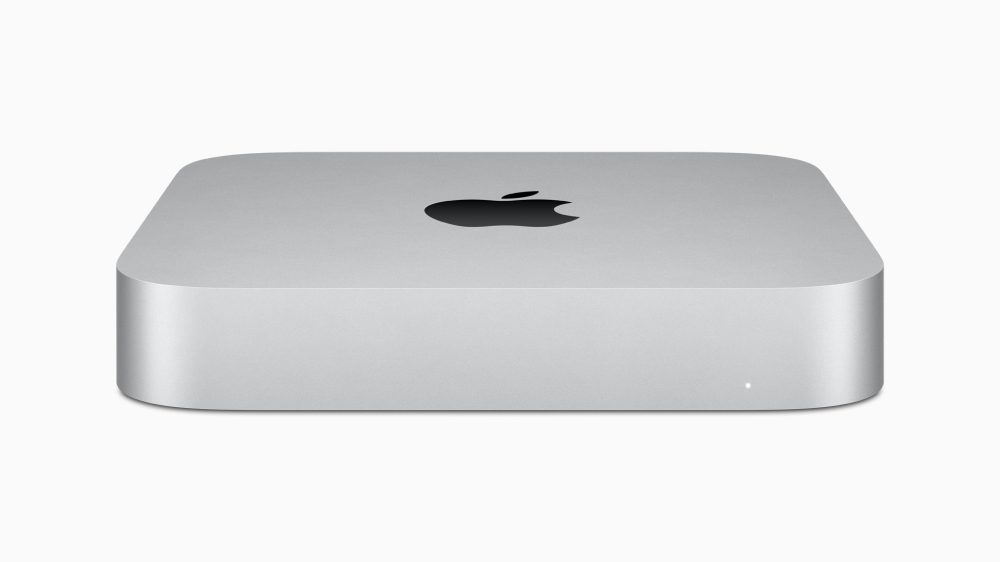
Apple Silicon Mac mini.

Prices for the Mac mini start at $599 in the US. Again, it’s worth noting that it doesn’t come with a keyboard or mouse in the box – you need to buy them separately or use your current ones.

Mac Studio

Mac Studio represents a new category between Mac mini and Mac Pro. It features a design based on the Mac mini, but with a taller body to support the more powerful hardware and also a better cooling system.

The new Mac Studio is targeted at professional users who work with demanding tasks such as video editing, 3D rendering, and machine learning. 

Embraced by creative pros everywhere, Mac Studio now delivers next-generation power in the form of the lightning-fast M2 Max and the boundary-breaking M2 Ultra. It packs outrageous performance and extensive connectivity in an unbelievably compact form, putting everything you need within easy reach and transforming any space into a studio.

By default, Mac Studio already comes with the M2 Max chip, 32GB of RAM, and 512GB SSD storage. A more expensive option lets users customize Mac Studio with M2 Ultra. While M2 Max has a 12-core CPU and a 30-core GPU, M2 Ultra doubles all of those specs. The new chip has a 24-core CPU and a 60-core GPU.

Mac Studio can also be configured with up to 192GB of RAM and 8TB of SSD storage. The machine offers up to six Thunderbolt ports, 10 Gigabit Ethernet, headphone jack, two USB-A ports, and one HDMI port.
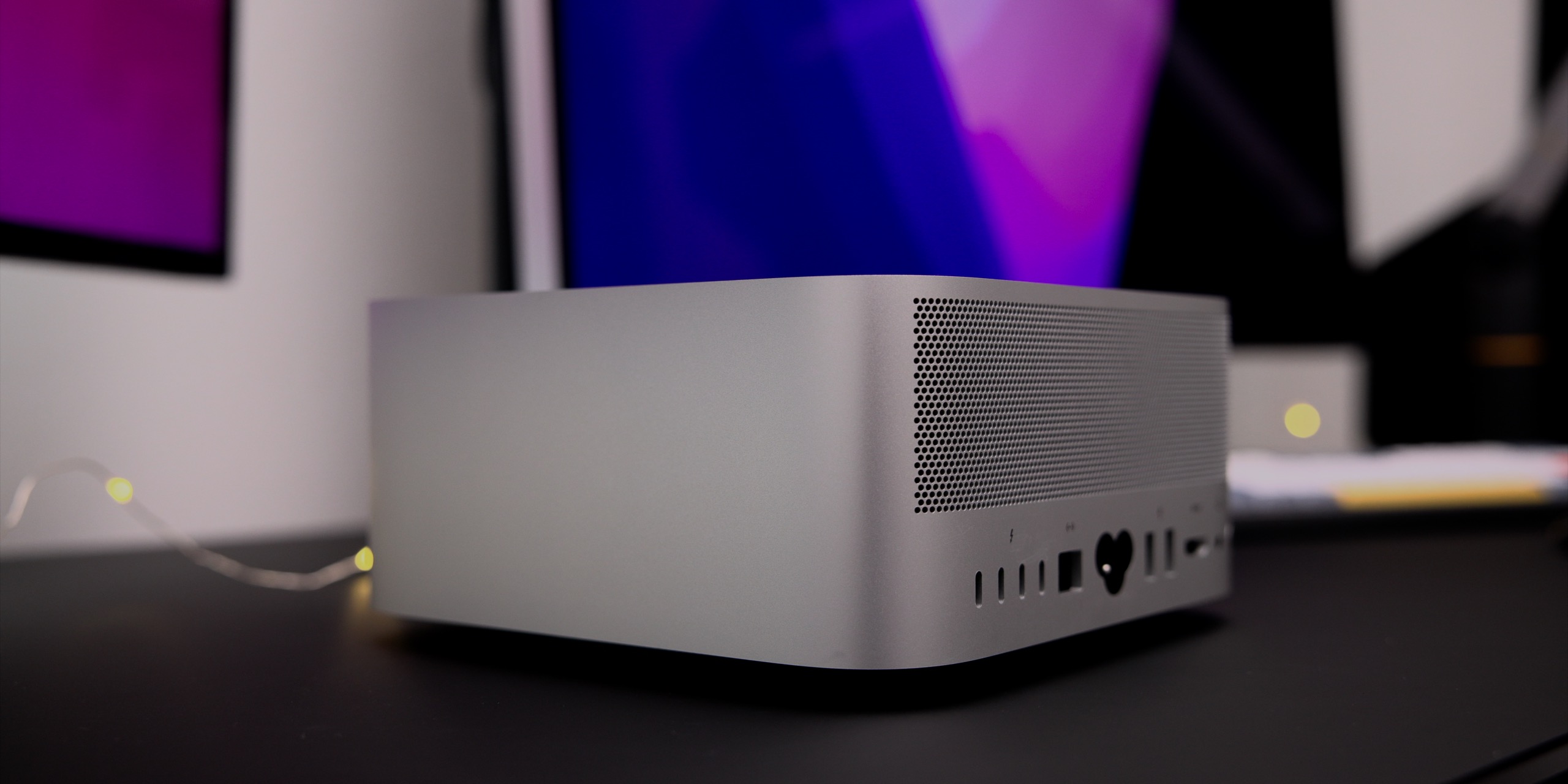
Mac Studio

Apple has been rumored to be working on new versions of this machine with the M3 Max and M3 Ultra chips. However, these versions may not be ready until 2025. Bloomberg’s Mark Gurman said in November last year that the M3 Ultra chip “hasn’t yet gone into broad testing” inside Apple.

In the US, prices for the Mac Studio with M2 Max chip start at $1999. The M2 Ultra chip version starts at $3999. Just like the Mac mini, Mac Studio doesn’t come with a keyboard and mouse in the box. You can find accessories for your Mac Studio here.

iMac

iMac is Apple’s most popular desktop computer with an all-in-one construction. It features a 4.5K display in its 24-inch version and a 5K display in the 27-inch version. At the same time, Apple still sells an entry-level iMac with a regular 1080p display.

The 24-inch iMac is the first to feature the M1 chip, the same as in the Mac mini, MacBook Air, and MacBook Pro. This allowed Apple to introduce a completely redesigned model with a slimmer design, which is also offered in seven new colors. Customers can customize the new 24-inch iMac with up to 16GB of RAM and 2TB of storage.
Site default logo image

The company ships the 24-inch iMac with Magic Mouse and Magic Keyboard, plus a Lightning cable for recharging accessories. Prices in the US start at $1299. Apple has discontinued its old 21.5-inch iMac and the 27-inch iMac 5K.

Mac Pro

Mac Pro is a computer built for professional users who depend on extremely powerful hardware. Available in tower and rack versions, it has a completely modular design. That means users can replace RAM, SSD, GPU, and other internal components.

By default, it features four USB-C/Thunderbolt 3 ports, two USB-A ports, and two 10Gb Ethernet ports. However, the ports can be expanded using the PCI Express slots. Apple also ships the computer with a Magic Mouse and Magic Keyboard, but it does not come with an external monitor included.

All models feature Intel Xeon W processors, which are the most powerful processors offered by Intel. Consumers can configure Mac Pro with up to 28-core processor, 1.5TB RAM, and 8TB of SSD storage. In addition to supporting multiple dedicated GPUs, Apple also offers the Afterburner card — which accelerates the decoding of ProRes videos.

The company recently updated the Mac Pro with new graphics card modules, which include Radeon Pro W6800X and Radeon Pro W6900X.

Site default logo image

Mac Pro prices start at $5999 in the US.

Rumors about upcoming Macs

Top stories about the Mac

Site default logo image

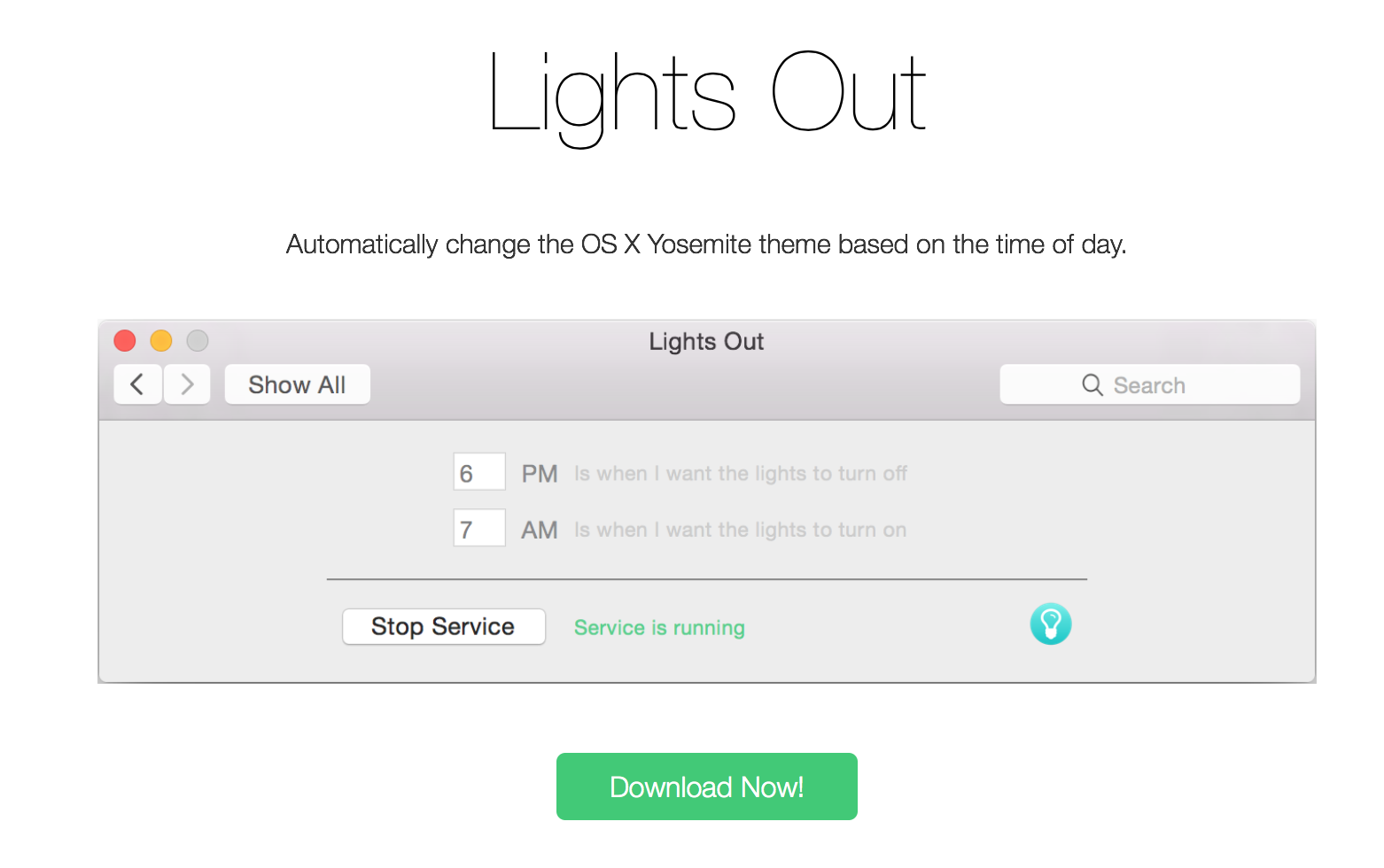
Make OS X Yosemite’s dark mode turn on automatically with this neat utility

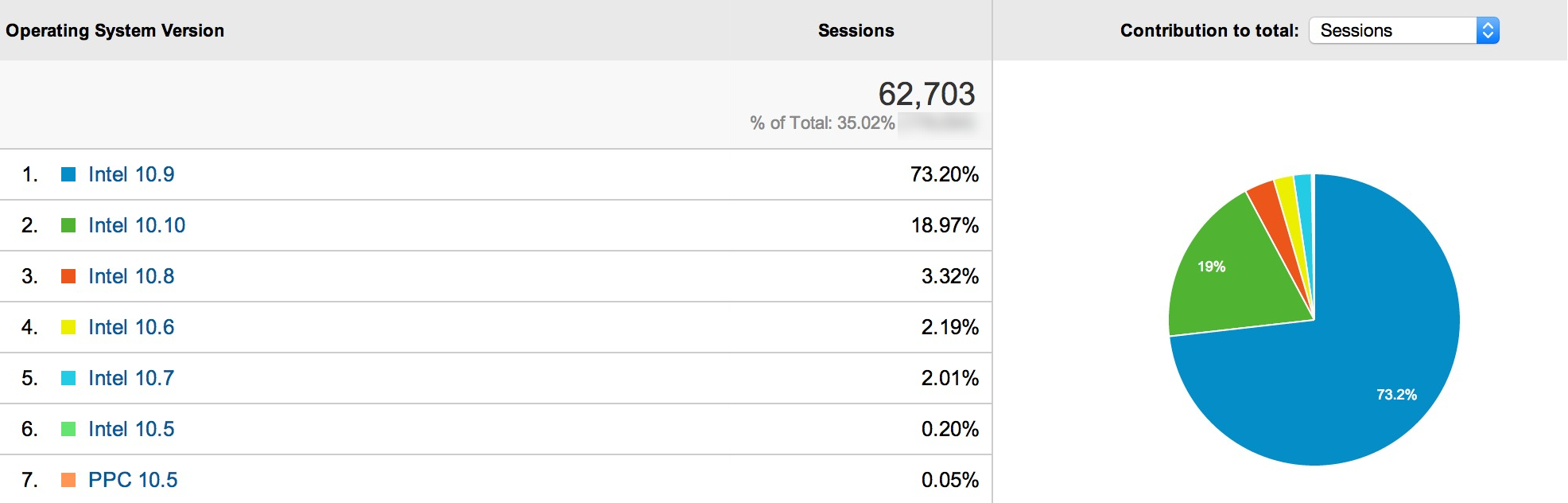
Although OS X Yosemite is still a few months out from public release, the public beta and developer seeds means the OS is already seeing wide adoption — hence, apps for Yosemite are already starting to surface. In fact, the unreleased OS already makes up 18% of Mac users on 9to5Mac, already the second most popular version of OS X.


Expand
Expanding
Close

Site default logo image

Security researchers say USB security ‘broken,’ can take over Macs or PCs

The USB standard has a fundamental security flaw that allows an attacker to take over any device it is connected to, whether PC or Mac, say security researchers in a frightening piece by Wired.

Describing the proof-of-concept Karsten Nohl and Jakob Lell plan to present at the Black Hat conference next week, they say the weakness is fundamental to the way in which USB works. Rather than storing malicious files on a USB device, the researchers managed to hack the USB controller chip that enables a USB device to communicate with a computer, changing its firmware. That means it can allow absolutely any USB device, from a USB key to a keyboard, to be compromised.

“These problems can’t be patched,” says Nohl, who will join Lell in presenting the research at the Black Hat security conference in Las Vegas. “We’re exploiting the very way that USB is designed.”

“You can give it to your IT security people, they scan it, delete some files, and give it back to you telling you it’s clean, [but] the cleaning process doesn’t even touch the files we’re talking about.”

Unlike most malware, which targets Windows, this exploit allows any USB device to emulate a keyboard or mouse, taking complete control of both PCs and Macs.

As it’s undetectable, the exploit could be silently added to a USB key when it is inserted into a PC, and then infect the next device it’s connected to. There is, say the researchers, no protection at all against the method of attack short of never sharing USB devices – treating them as you’d treat a hypodermic needle: only ever using one you know to be brand new, and not dreaming of allowing anyone else to share it.

Shazam for Mac brings instant music recognition and more to your menu bar

Site default logo image

Shazam, the popular music identification app for iOS that was recently integrated into iOS 8’s updated version of Siri, has launched a new Mac application that resides in the menu bar listening for music to identify. Once it has detected a song, you’ll get a notification with the name, artist, and more of the music being played.

After a song is identified, you can also get instant access to the lyrics, music video, or iTunes Store link to buy it for yourself. You can also share tagged songs on various social networks.


Expand
Expanding
Close

Modbook announces $4k 15-inch pen-based OS X tablet built w/ new Retina MacBooks

Site default logo image

Following up the last Modbook Pro tablet the company is currently selling made from a converted mid-2012 MacBook Pro, today Modbook is back with the announcement of a 15-inch ModBook tablet that uses the new Retina MacBooks Apple just refreshed this week as its guts. For those of you unfamiliar with the company, it first started making OS X based tablets by converting Apple laptops and adding pen input capabilities as far back as 2007. 
Expand
Expanding
Close

Site default logo image

Apple lets customers in nine states know how to buy Macs and/or accessories tax-free

Apple is emailing customers in nine states that offer sales tax holidays to let them know they have an upcoming opportunity to buy Macs and/or accessories tax-free.

Alabama, Florida, Georgia, Louisiana, Massachusetts, Missouri, New Mexico, South Carolina and Tennessee all offer dates on which you can buy at least some Apple gear free from sales tax.  The email provides a link to a webpage where you can click on your state to find out the dates, qualifying products and the maximum spend.

Missouri appears to offer the best deal, with a wide range of products qualifying and a maximum spend of $3500. Several states require a computer to be one of the items purchased.

If you’re not fortunate enough to live in one of the qualifying states, hit up 9to5mac.com/products to find the lowest prices on Apple gear (many only charge tax in states where they operate).

We also noted yesterday that Retina MacBook Pros had dropped to their lowest-ever prices in the refurb store, and you can find more Apple deals over on 9to5Toys.

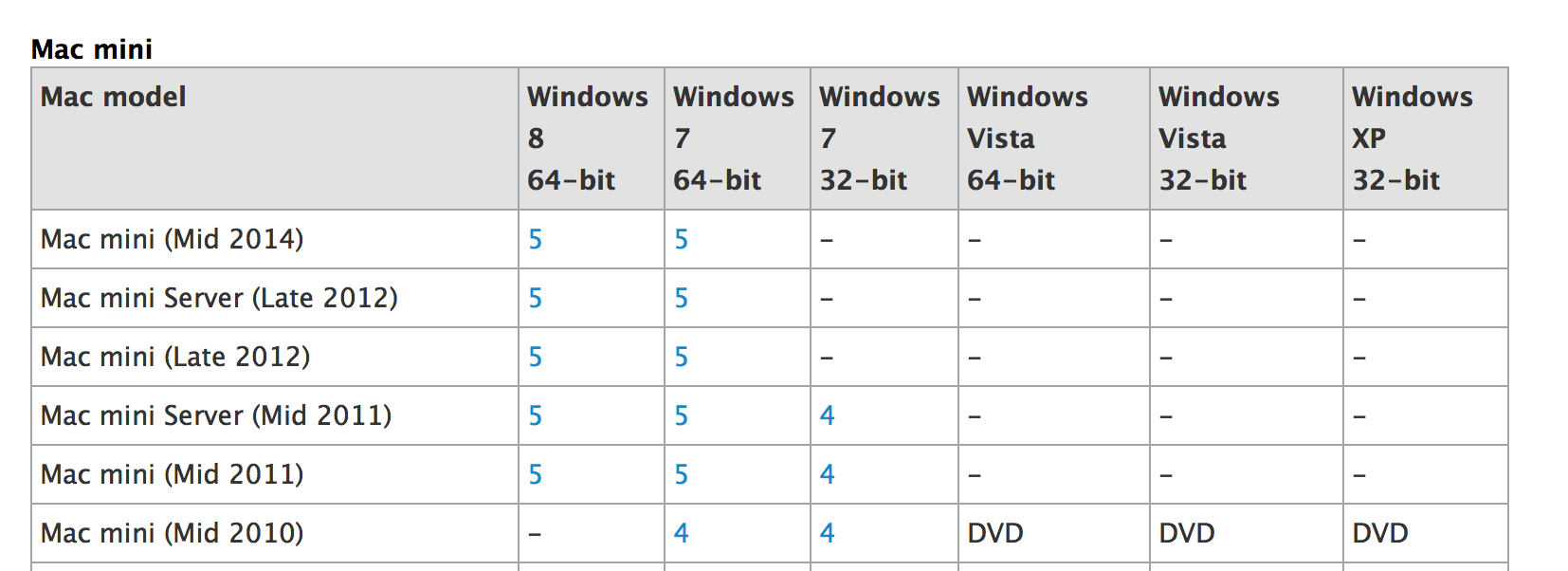
Apple support page also listed as yet unseen ‘mid-2014 iMac 27’

Site default logo image

The same Bootcamp support page that either reveals an upcoming Mac mini refresh or a misprint also listed an iMac 27-inch mid-2014′ model before the page was updated – spotted by French site Consomac.

The model was listed above the 21.5-inch mid-2014 iMac released last month. That model was a low-end one, with a 1.4GHz dual-core i5 processor and 500GB hard drive. That might suggest a new entry-level 27-inch iMac is on the way – though Apple doesn’t generally offer a low-spec version of the larger iMac … 
Expand
Expanding
Close

Site default logo image

Microsoft OneNote iPhone, iPad, & Mac apps updated with new features

Microsoft updated its OneNote apps for iPhone, iPad, and Mac today with a number of highly requested features including the ability to insert files, lock and unlock protected sections, PDF printouts, and much more.

In addition, the update also includes the ability to organize notebooks by moving and reordering sections and pages, support for formatted text copied from other apps, and an option to create notebooks and save them to OneDrive for Business.

The updated Microsoft OneNote for iPhone and for iPad is available on the App Store now. A full list of what’s new is below:

What’s New in Version 2.3

•Insert Files – You asked, we listened. Now you can insert files into your notes, open them with a double-tap, and easily share them using AirDrop.
•Protected Sections – Now you can lock or unlock password-protected sections created in OneNote for Windows.
•PDF Printouts – Add a PDF printout to any notebook page, then add your own notes.
•Organize Notebooks – Now you can move and reorder sections, and move pages anywhere you want in OneNote.
•Formatted Text – Copy and paste formatted text between application – whether it’s an article from Safari or a document in Word, any content you paste into OneNote will look great!
•Creating Notebooks – Now you can create notebooks and save them to OneDrive for Business. Have multiple accounts? No problem! It’s easy to select exactly where you want to store your new notebook.

The Microsoft OneNote for Mac app gets a similar update today plus the ability to share a page from OneNote through email. 

Mid-2014 Mac mini listed on Apple Support page, but no 2014 Mac mini in sight

Site default logo image


Apple seems to have inadvertently referenced a new model of Mac mini on an Apple Support page. The page was last modified yesterday, presumably to include information on the new MacBook Pro’s but instead lists “Mac mini (Mid 2014)” as a supported machine. There is a possibility that this is simply a human error on Apple’s part, of course, confusing the MacBook Pro and the Mac mini updates. There haven’t really been rumors of a new Mac mini being in the works, but due to the relative unimportance of the product in the Mac lineup, it is not of the question for it to have slid under the radar.


Expand
Expanding
Close

Apple refreshes entire Retina MacBook Pro lineup with improved processors and more RAM standard

Site default logo image

As expected, Apple has pushed out an upgrade to the Retina MacBook Pro lineup. Both the 15-inch and 13-inch models were updated, and two models received price drops.

Each 15-inch model received a modest processor speed bump, starting with a new 2.2 GHz chip in the base model, followed by 2.5 GHz in the upgraded version. The Turbo Boost speeds of each model are now up to 3.4 and 3.7 GHz, respectively. Both of the new models include 16 GB of RAM standard. The graphics processor in the upgraded model is still an NVIDIA GeForce 750M with 2 GB of VRAM.

A built-to-order option for a 2.8 GHz processor is also now available for the 15-inch model, which features Turbo Boost speeds of up to 4.0 GHz.


Expand
Expanding
Close

Modest Retina MacBook Pro refresh expected tomorrow, still with GeForce GT 750M but base RAM up to 16GB

Site default logo image

The unverified photo from a Chinese Apple Store appearing to show a slight refresh to the Retina MacBook Pro launch is accurate, claims French site MacG, citing a reliable source. The site claims that the refreshed models will go on sale tomorrow.

The refresh is a minor one, with a modest speed boost of 200MHz and an increase in RAM across the range to 16GB. Apple is also, for the first time, offering a 1TB SSD in a standard model … 
Expand
Expanding
Close

Site default logo image

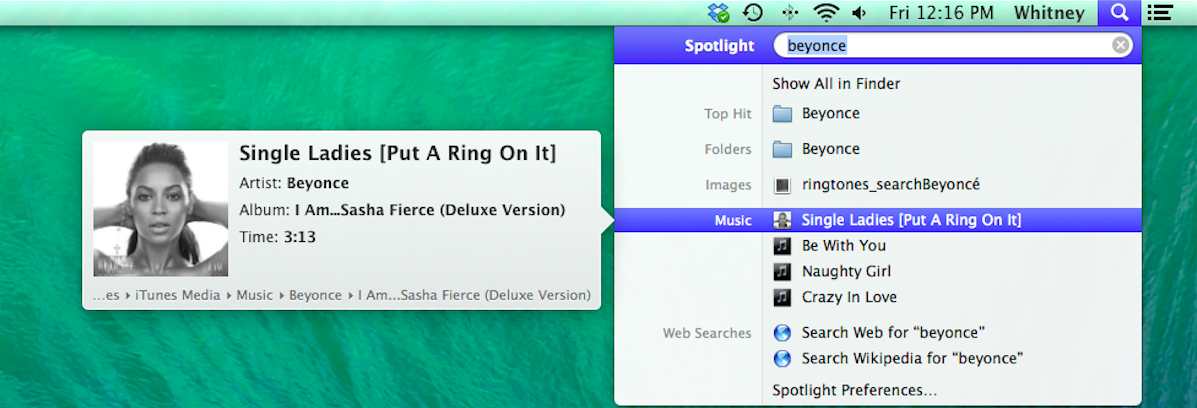
How-to: Use Spotlight and Smart Folders to search for anything on your Mac

In OS X, Spotlight is an effective way to search your entire hard drive for a file or folder, email, or any other file. There are many other things Spotlight can do, and searching for files is just one of them. Spotlight is also capable of looking up dictionary definitions, launching apps, performing calculations, previewing audio, video, documents, and other files. This article will outline some of the benefits of using Spotlight and how to use Smart Folders, which allow you to search for a file even if you don’t know its name.


Expand
Expanding
Close

Site default logo image

Apple: How to fix Yosemite Public Beta code if it says already been redeemed

Earlier today Apple opened up its public beta program for the upcoming OS X Yosemite release allowing the public to download the beta build from the Mac App Store. Those who signed up for the program received a code through Apple’s Beta Program website, but a number of users reported experiencing an error that said their code had already been redeemed. If you’re still having trouble, here’s the fix from Apple: Refresh the beta program redemption page when signed in to generate a new code (here). That’s it. The new code should work when entered into the Mac App Store.

Apple doesn’t plan to update the public beta build of the OS as much as the version available in its Developer Program, but testers will be able to update to the final public release of Yosemite through the Mac App Store when it’s released this fall. Info on the release, signing up, and known issues are available here.

Apple releases OS X Yosemite Public Beta

Site default logo image

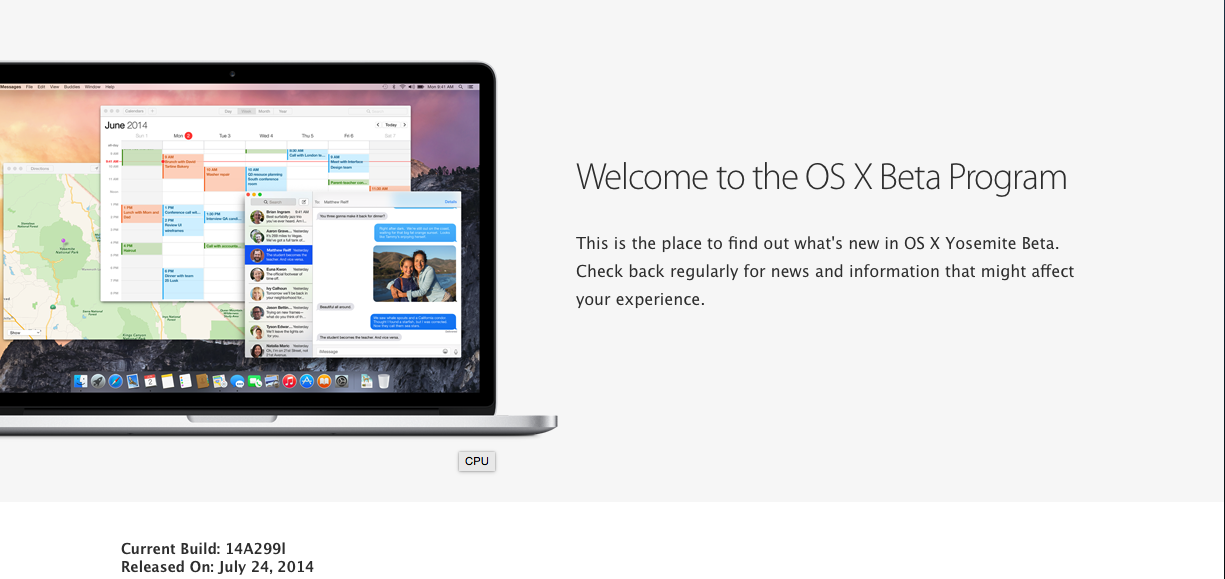
Apple has started sending out OS X Yosemite builds for Beta Program, as announced yesterday. The build is being sent out to a million Beta Program members. Participants can get a redemption code from the site, to redeem in the Mac App Store.

Apple has said that Apple will not update the Beta Program Yosemite builds as often as the developer seeds (which come out every two weeks, usually), but participants will be able to upgrade to the final public version of Yosemite seamlessly through the App Store, when it is released.  The seed released in the beta program is one build newer than the one released to developers on Monday.


Expand
Expanding
Close

Apple seeds Safari 7.1 and 6.2 beta 2 to developers, asks developers to test password and credit card autofill

Site default logo image

Earlier this month Apple seeded the first beta versions of Safari 7.1 (for Mavericks) and 6.2 (for Mountain Lion) to developers. Tonight a second beta has been published. Interestingly, aside from the focus areas outlined with the previous beta, Apple is also requesting that developers taking this beta for a spin try out the password and credit card auto-fill feature.

The 7.1 and 6.2 updates are expected to be the last big updates to those specific versions of Apple’s browser before the release of OS X Yosemite, which ships with Safari 8. The 7.1/6.2 update features big changes to the WebKit engine and extensions systems built into Safari. You can find the full seed notes for this beta below:


Expand
Expanding
Close

OS X Yosemite planned for late Oct. as Apple preps 4K desktop & 12-inch Retina MacBook

Site default logo image

While iOS 8 for the iPhone, iPad, and iPod touch is set for a September launch, Apple is planning to bring its next-generation Mac software, OS X Yosemite, into the wild a month later, in October, according to several sources. Apple plans to continue releasing OS X Yosemite Developer Previews every two to three weeks until a final Developer Preview is seeded on September 29th, according to the people. Apple is then expected to finish up work on Yosemite in early October and release a golden master build around October 10th, the sources said. Apple is also finishing up preparations to release a version of OS X Yosemite beta tomorrow to the first one million people who signed up for the public beta.


Expand
Expanding
Close

Apple ‘tentatively’ plans mid-September iPhone event as iOS 8 nears completion

Site default logo image

Apple is gearing up for its first major hardware and software launches of 2014. The Cupertino-based company is “tentatively” planning a keynote address in mid-September to announce the iPhone 6 and provide final details on iOS 8, according to sources briefed on the plans.

These people say that the second and third weeks of September are the mostly likely weeks for the event to be held, but they add that manufacturing uncertainties could alter the event’s timeframe. A decision has not been finalized, and sources made it clear that the plans are in flux.

The event will showcase at least the new iPhone 6 with a 4.7-inch screen, the sources say, but a final decision on debuting the larger, 5.5-inch “phablet” model at the event has not been made. The 4.7-inch variant of the new phone is farther along in both internal testing and manufacturing preparation, the sources added.


Expand
Expanding
Close

Apple releasing OS X Yosemite public preview tomorrow for free Beta Program members

Site default logo image

As we reported earlier this week, Apple has shared that it will open the public beta version of OS X Yosemite tomorrow, July 24th, for users wanting to preview the upcoming version of the Mac operating system ahead of its release targeted for this fall. Users can sign up to be an OS X Beta Program member on Apple’s Beta Program site.

Apple says the OS X Yosemite beta will be updated less frequently for the OS X Beta Program than the version via the OS X Developer Program, but users running the public beta of OS X Yosemite will be able to install the final release of OS X Yosemite over the beta version when it’s readied for release in the fall. The beta version available to OS X Beta Program members will also allow users to easily submit feedback for issues with the Mac operating system ahead of its official public debut.
Expand
Expanding
Close

iOS 8 & OS X Yosemite said to launch separately despite tight integration

Site default logo image

Even though Apple will begin integrating iOS and OS X in new, mutually beneficial ways with iOS 8 and OS X Yosemite, Apple currently plans to stagger the releases of the two operating systems, according to people briefed on the plans. iOS 8 will launch in September alongside the iPhone 6, and OS X Yosemite will launch approximately a month later, in October, according to the sources…


Expand
Expanding
Close

Site default logo image

Last week’s MacBook Air firmware update reportedly failing to install for some, leaving users with bricked machines

Apple released an EFI firmware update (version 2.9) for the mid-2011 MacBook Air last week to address problems the computer could have while waking from sleep, but recently users have started to report on the company’s support forum that the software was failing to install on their machines, and in some cases leaving them with completely non-functional computers, as first noted by MacRumors.

While some users report that their MacBook Airs shut down for several hours only to suddenly spring back to life, others claim that their machines still won’t startup. In other cases, users are finding that the Mac App Store prompts them to re-install the update over and over. So far there aren’t any reports of a successful resolution to the issue, even through AppleCare channels.

If you haven’t already installed the update, it may be best to sit this one out until Apple has fixed whatever problem seems to be plaguing users at the moment.

Here’s what analysts expect Apple to announce today: revenue up 8.5 percent, earnings up 18 percent

Site default logo image

With Fortune having now filled in the blanks in its analyst roundup, above are the final numbers Wall Street expects Apple to announce at around 1.30pm PT/4.30pm ET this afternoon.

With all 34 analysts having revealed their predictions, the consensus view is for year-on-year revenue to have grown by 8.5 percent, with earnings up 18.1 percent … 
Expand
Expanding
Close

Intel launches updated Haswell chips, likely to appear in upcoming MacBook Pro spec bump

Site default logo image

Intel has debuted the next generation of its Core i5 and i7 processors, according to a report from CPU World. Each of these updated chips sports a 200 MHz speed boost over its previous incarnation, which can currently be found in the MacBook Pro lineup. It’s likely that these processors will be found in a spec-bumped version of the MacBook Pro later this year.

The current series of MacBook Pro processors are available at clock speeds of 2.0 GHz (in the lowest-end 13-inch model) up to 2.6 GHz (in the top-of-the-line, built-to-order 15-inch model). The next-gen models released this week range from 2.2 to 3.0 GHz, which will provide a decent speed boost to each model.


Expand
Expanding
Close

EU accuses Apple of dragging its feet on protections for ‘misleading’ IAP-driven free apps

Site default logo image

The European Commission has complained that Apple is taking too long to implement protections for freemium games in the App Store, reports BBC News. The Commission has decreed that both Apple and Google, the two biggest app store vendors, must make the “true cost of apps” clear before purchase. However, officials are upset that Apple has not yet committed to any such measures.

“Regrettably, no concrete and immediate solutions have been made by Apple to date to address the concerns linked in particular to payment authorisation,” the Commission said in a statement.

“Apple has proposed to address those concerns. However, no firm commitment and no timing have been provided for the implementation of such possible future changes.


Expand
Expanding
Close

Buffer releases official app for Mac, lets you add to your queue from the menu bar

Buffer has released its first official app for the Mac today, bringing an easy way to add content to your Buffer queue right from the menu bar. Buffer already lets you share social media updates from multiple accounts at once via its web, iOS, and Android clients, but now you can do much the same via Mac OS X.


Expand
Expanding
Close

Apple’s Volume Purchase Program for apps coming soon to 16 new countries

Site default logo image

Apple is about to roll out its Volume Purchase Program, which allows business and education customers to purchase and distribute iOS apps in bulk for deployed devices, into 16 new countries. Apple’s website for both the Volume Purchase Program for Business and for Education have been updated to announce the expansion and now list the following countries as coming soon to the program:
Expand
Expanding
Close