Mac

See All Stories

Apple’s Mac lineup consists of MacBook, MacBook Air, MacBook Pro, iMac, Mac Pro, and Mac Mini. The Mac runs macOS for its operating system.
Mac lineup

History

The Mac is Apple’s lineup of computers, and it can be considered the company’s oldest product. The name “Mac” comes from the original Macintosh, which was introduced in 1984 and is also considered the first personal computer for the masses to have a graphical user interface. The first Macintosh hit the stores on January 24, 1984, costing $2,945.

Among all these years, Apple has introduced many different Mac models, ranging from desktops to laptops to professional tower machines. The current lineup consists of the MacBook Air, MacBook Pro, Mac mini, iMac, and Mac Pro. However, there have been other Mac models were discontinued, such as the eMac, MacBook, and iMac Pro.

The history of modern Macs began in 1998, a year after Steve Jobs returned to Apple. Apple had dozens of Macintosh computers at that time, but Steve decided to rethink the entire lineup. In 1998, Apple announced the iMac G3, which ditched the floppy disk and serial ports in favor of USB connectors.
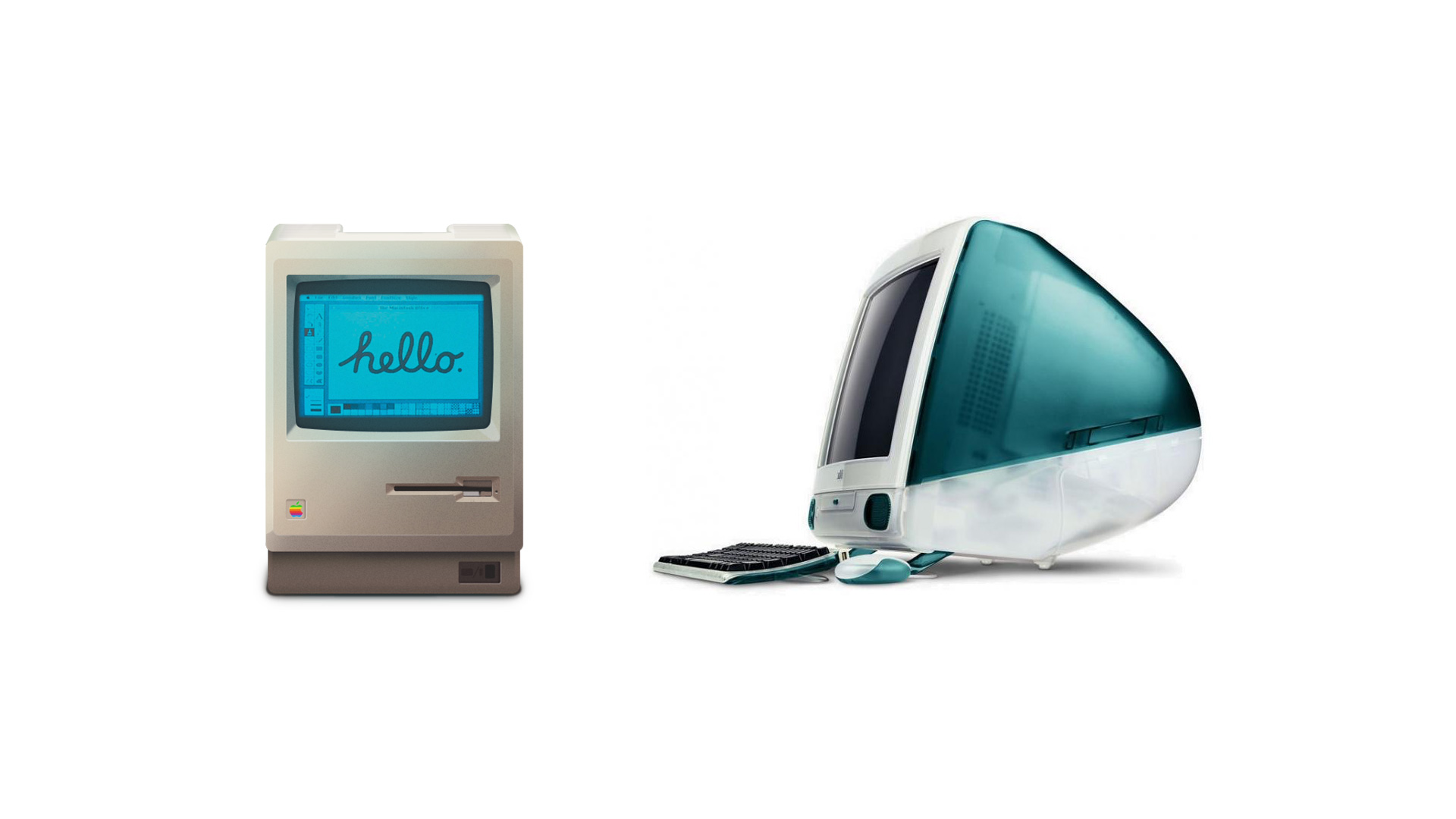
Macintosh and iMac G3.

Unlike the Macintosh, the first iMac was considered a huge success — not only for its technology, but also for its unique design with colorful translucent plastic. Apple quickly expanded the Mac lineup with other models, which included the iBook and PowerBook (which became the MacBook and MacBook Pro) and the PowerMac, which is now the Mac Pro.

macOS

What makes a Mac the Mac is the macOS operating system, which has also had a long history since the introduction of the first Macintosh. Initially called Mac OS, the operating system was rebuilt when Steve Jobs returned to Apple.

The first version of Mac OS X was released on March 24, 2001 with a new interface that is still present in some ways in current versions of macOS. Apple’s desktop operating system comes with many free applications such as Pages, Keynote, Numbers, iMovie, and GarageBand.

With macOS, users also have access to deep integrations with other Apple devices. For instance, you can answer calls and send SMS from your iPhone using your Mac. Handoff lets you switch from one device to the other and pick up where you left off. Apple Watch users can unlock their computer without entering a password, and you can even copy and paste between devices.
macOS Sonoma

Apple’s desktop operating system is also integrated with services offered by the company, such as iCloud, Apple Music, and Apple TV+.

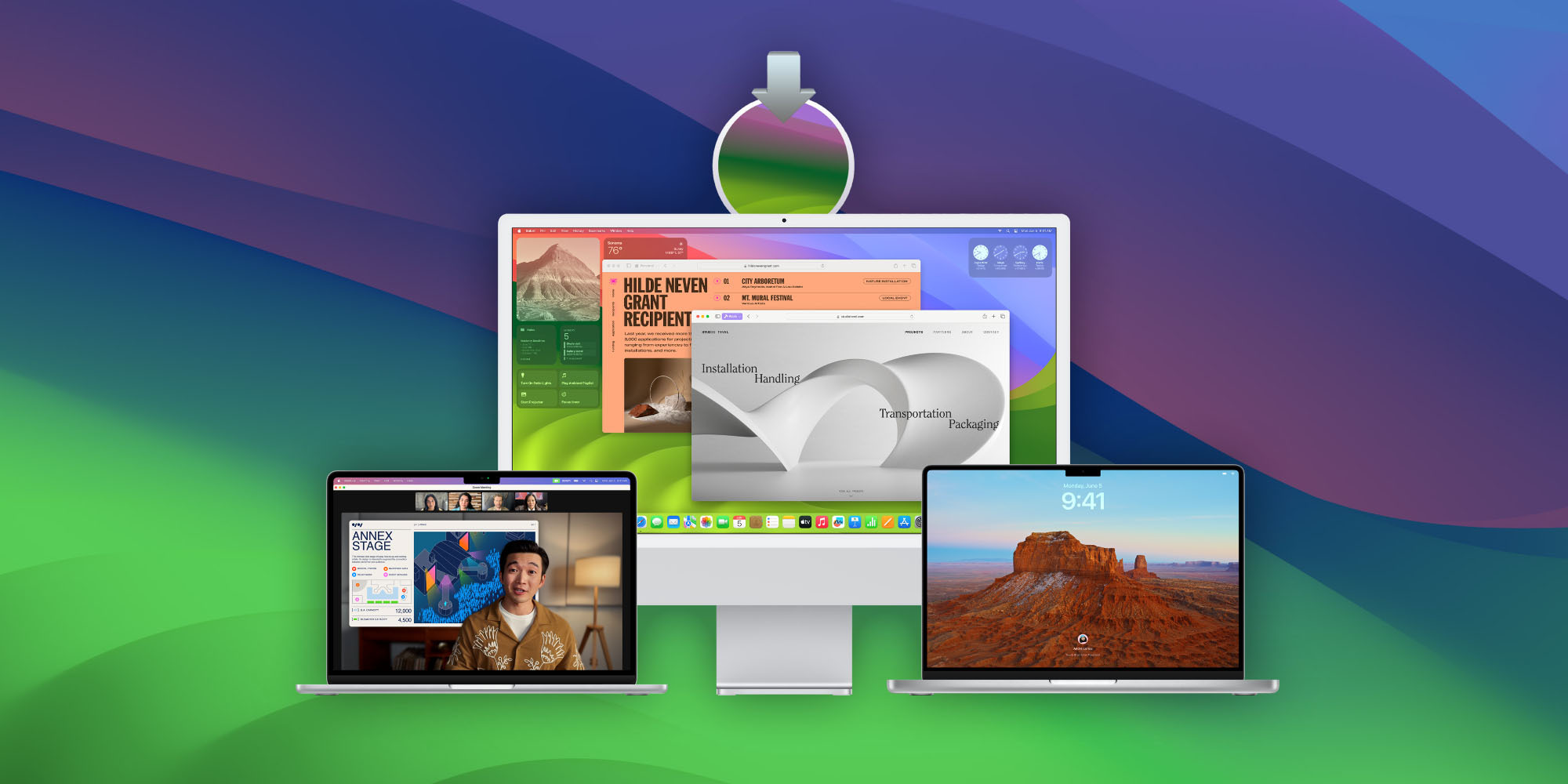
The current version of macOS is Sonoma (version 14), which features new slow-motion screen savers, widgets on desktop, camera effects on FaceTime and other apps, web apps, passkey sharing, improved PDF support, and Game Mode. The update also comes with a new API that lets developers easily port Windows games to macOS.

Architecture Transitions

The Mac has had three major architecture transitions in its history. Apple’s first computers ran on Motorola processors, but the company decided to migrate to the new PowerPC platform in 1994. While this brought benefits at the time, the PowerPC processors were not delivering what Apple expected.

It was in 2005 that Apple confirmed the transition from PowerPC to Intel. Intel processors had become faster and more efficient than PowerPC, which enabled the development of new Mac computers that were more powerful and also more compact. Developers have been given access to a Developer Transition Kit running Mac OS X Tiger with Intel Pentium 4 to update their apps before the transition begins.
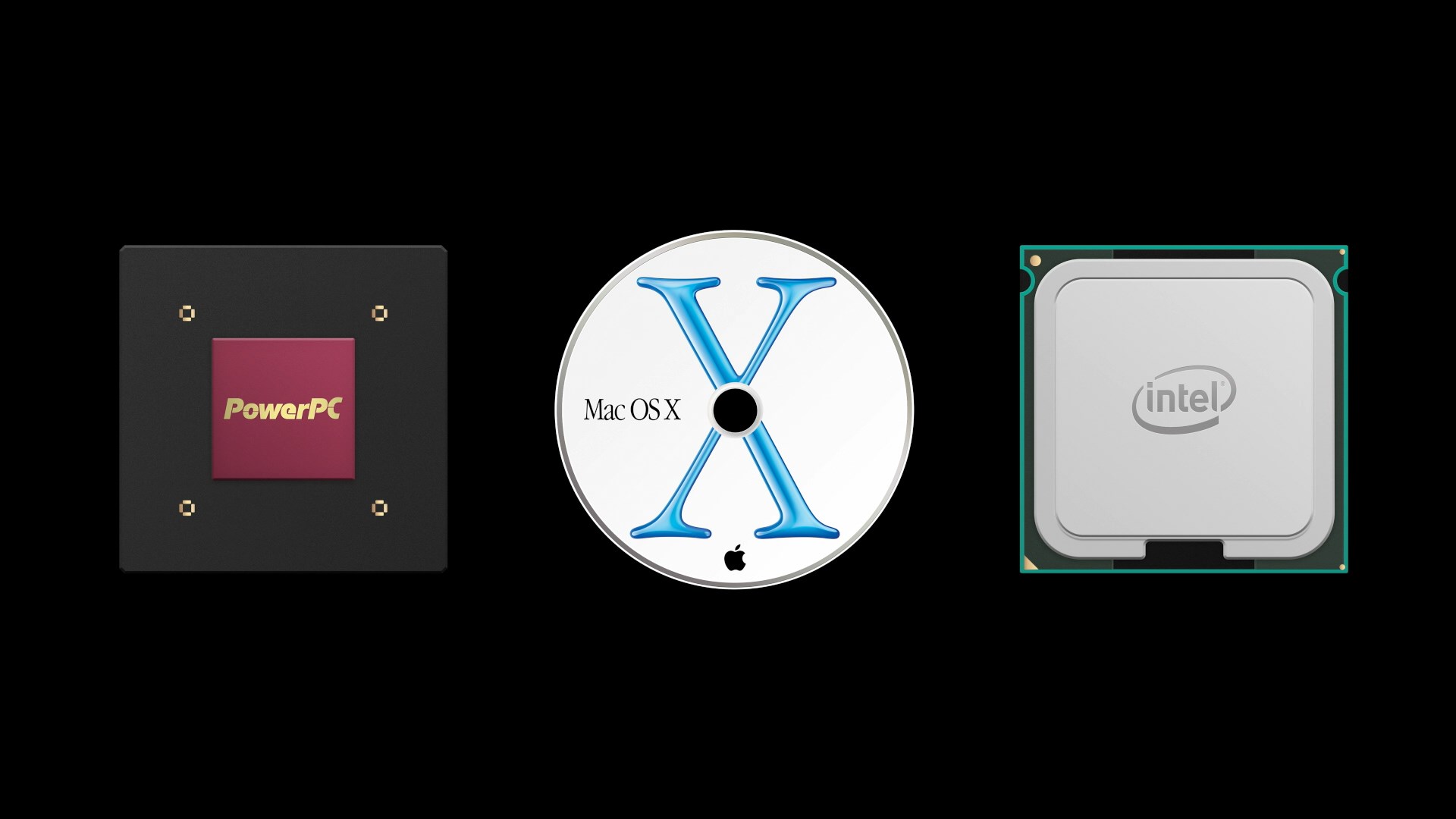
Power PC, Mac OS X, and Intel processor.

Apple said that the transition would begin in June 2006 and be finished by the end of 2007. However, the transition to Intel was fully completed in August 2006 when the company replaced the PowerMac with the new Intel Mac Pro.

As the years went by, Apple once again felt the need to have more powerful and efficient processors for its computers. This time, the company was already working on its own chips for the iPhone and iPad. In June 2020, Apple confirmed that it was changing the architecture of the Mac, now from Intel to ARM chips, which are called Apple Silicon.

Apple offered a Mac mini DTK running on the same A12Z Bionic chip as the 2020 iPad Pro. This way developers could once again update their apps ahead of the transition. In addition to being more powerful and energy efficient, the ARM architecture of Apple Silicon chips has enabled Macs to run iOS apps for the first time.
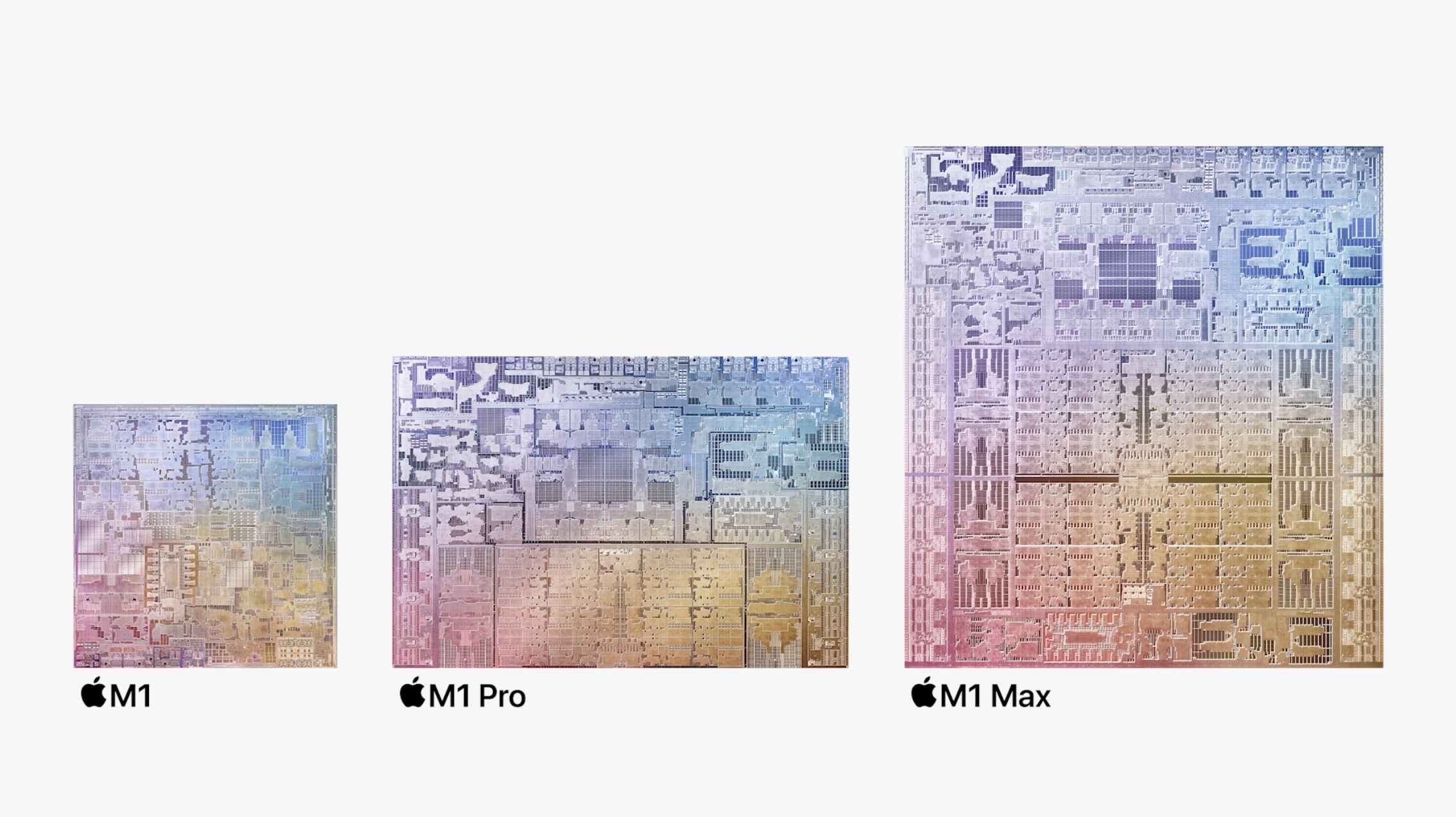
Apple M1 chip | Mac

The first Apple Silicon Macs were released in November 2020 with the M1 chip. The company later introduced more powerful variants of the M1 chip, called M1 Pro, M1 Max, and M1 Ultra. Macs with Apple Silicon have become known for being more powerful while consuming much less power, which has resulted in MacBooks with extended battery life.

In June 2022, Apple introduced the M2 chip, which is around 20% faster than the M1 and also supports more RAM. M2 also has more powerful variants: M2 Pro, M2 Max, and M2 Ultra.

Apple unveiled the M3, M3 Pro, and M3 Max chips in October 2023. The main highlight of this generation is the 3 nanometer technology, the same as the A17 Pro chip. The M3 family also features better GPUs with support for hardware-accelerated ray-tracing.

Current Mac lineup

Apple currently sells a variety of Mac computers, which includes MacBooks, Mac mini, iMac, and Mac Pro. While some of the Macs have already been updated with an Apple Silicon chip, others remain with Intel processors.

MacBook Air

The MacBook Air is Apple’s most affordable laptop and it has become popular for its light, compact design. The 2022 version is powered by the M2 chip and is offered with 8GB, 16GB, or 24GB of RAM. Plus, it has a new, edge-to edge 13.6-inch Retina display.

The laptop features Touch ID and has two Thunderbolt 3 compatible USB-C ports, a MagSafe connector for charging, and a headphone jack. Prices start at $1099 in the US. It’s offered in silver, space gray, starlight, and midnight.
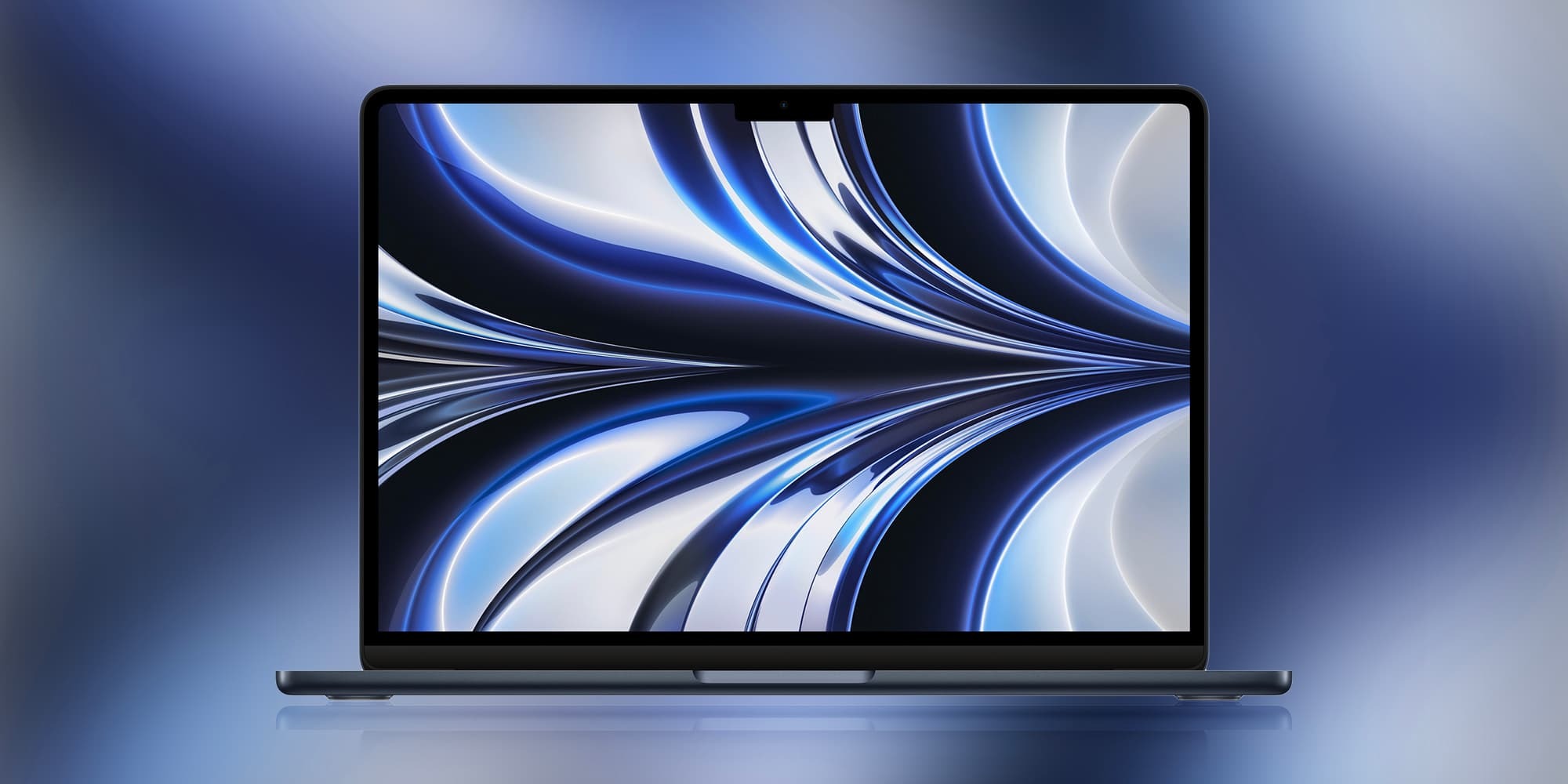
M2 MacBook Air.

A year later, Apple introduced the first 15-inch MacBook Air. It has essentially the same hardware as the smaller version with a similar design, but with a larger display. Prices start at $1299 in the US.Apple is still selling the M1 MacBook Air for prices starting at $999.

MacBook Pro

The 2023 MacBook Pro is available in multiple versions, and customers can choose between 14-inch and 16-inch screen sizes. For the first time, Apple has introduced a less expensive version of the 14-inch MacBook Pro with the base M3 chip. This version has the same design and display as the high-end versions, except that it only has two USB-C ports instead of three.
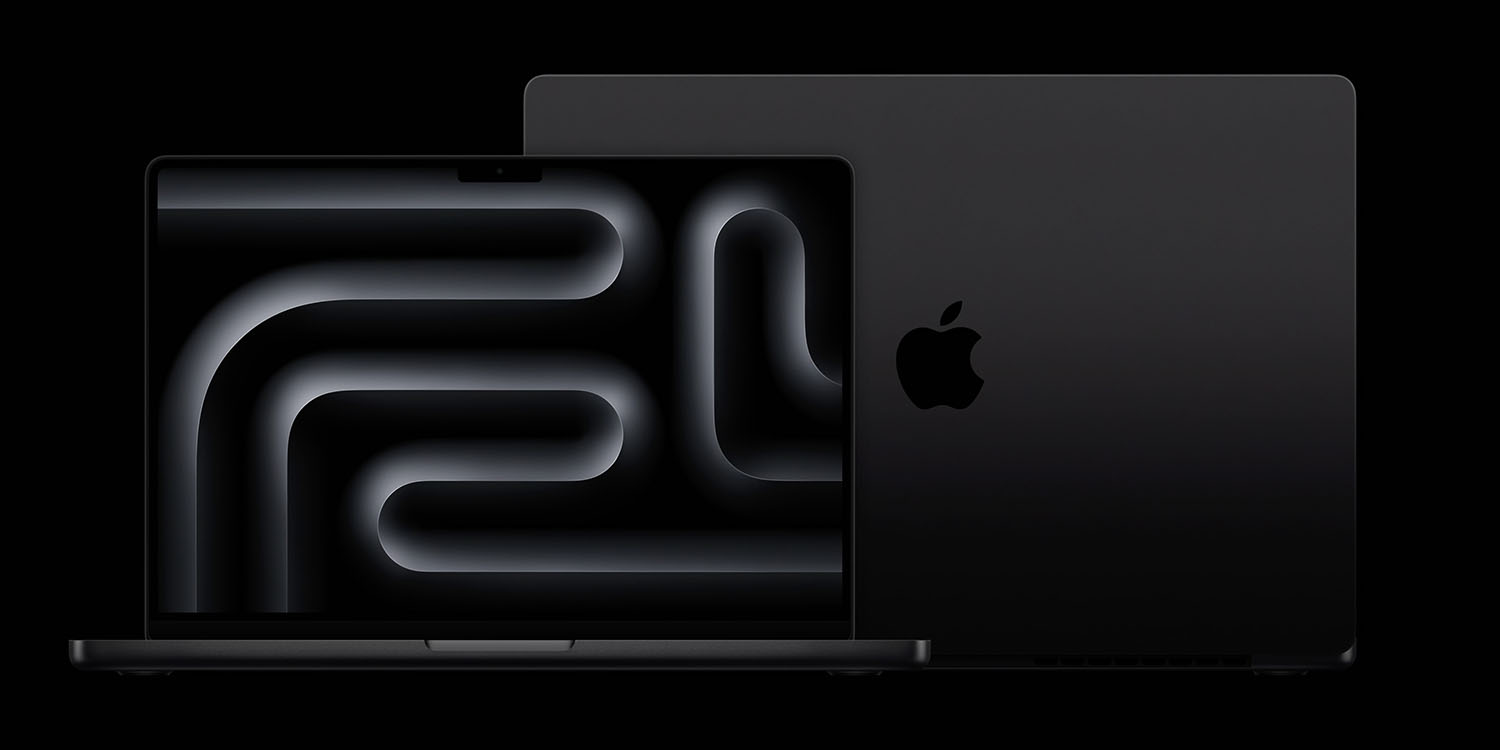
M3 MacBook Pro

The most expensive versions of the MacBook Pro are equipped with the more powerful M3 Pro and M3 Max chips. The laptop can be configured with up to 128GB of RAM and 8TB SSD. These versions also come in a new Space Black color.

Unlike the MacBook Air, the MacBook Pro comes with an HDMI port and an SD card reader. It also features MagSafe and Touch ID on the keyboard. Apple no longer sells MacBooks with the Touch Bar. Prices start at $1,599 in the US.

Mac mini

Mac mini is the cheapest Mac currently available since it’s basically a desktop without a built-in display or other peripherals. The base model with the M2 chip features one Ethernet port, two USB-C/Thunderbolt 4 ports, HDMI 2.0, two USB-A ports, and a headphone jack.

Apple sells a more powerful version of the Mac mini with the M2 Pro chip, which also comes with four USB-C ports instead of two. Mac mini can be configured with up to 32GB of RAM and up to 8TB of storage. Customers can also opt for a 10 Gigabit Ethernet port. The Apple Silicon Mac mini is only available in silver, while the now discontinued Intel model was available in space gray.
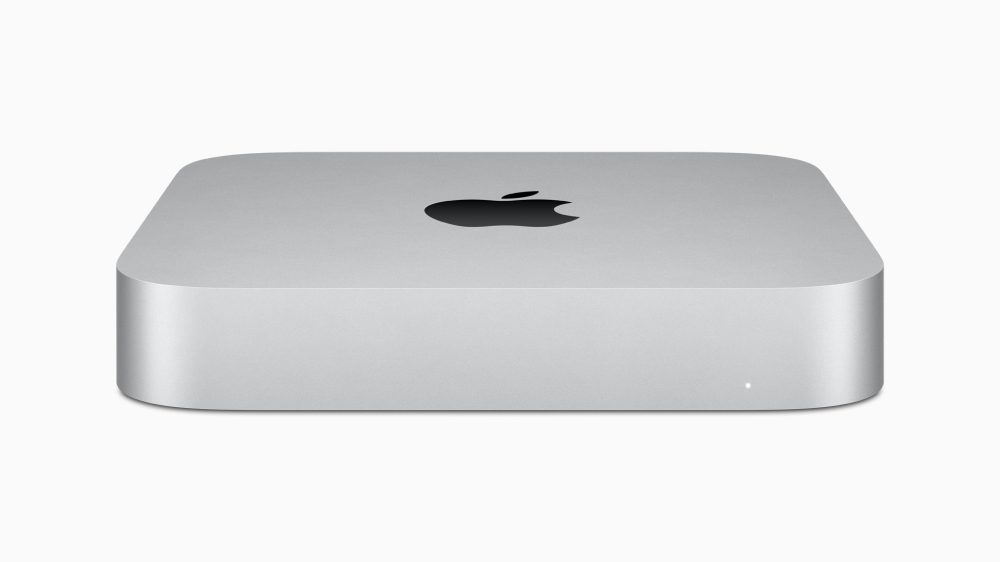
Apple Silicon Mac mini.

Prices for the Mac mini start at $599 in the US. Again, it’s worth noting that it doesn’t come with a keyboard or mouse in the box – you need to buy them separately or use your current ones.

Mac Studio

Mac Studio represents a new category between Mac mini and Mac Pro. It features a design based on the Mac mini, but with a taller body to support the more powerful hardware and also a better cooling system.

The new Mac Studio is targeted at professional users who work with demanding tasks such as video editing, 3D rendering, and machine learning. 

Embraced by creative pros everywhere, Mac Studio now delivers next-generation power in the form of the lightning-fast M2 Max and the boundary-breaking M2 Ultra. It packs outrageous performance and extensive connectivity in an unbelievably compact form, putting everything you need within easy reach and transforming any space into a studio.

By default, Mac Studio already comes with the M2 Max chip, 32GB of RAM, and 512GB SSD storage. A more expensive option lets users customize Mac Studio with M2 Ultra. While M2 Max has a 12-core CPU and a 30-core GPU, M2 Ultra doubles all of those specs. The new chip has a 24-core CPU and a 60-core GPU.

Mac Studio can also be configured with up to 192GB of RAM and 8TB of SSD storage. The machine offers up to six Thunderbolt ports, 10 Gigabit Ethernet, headphone jack, two USB-A ports, and one HDMI port.
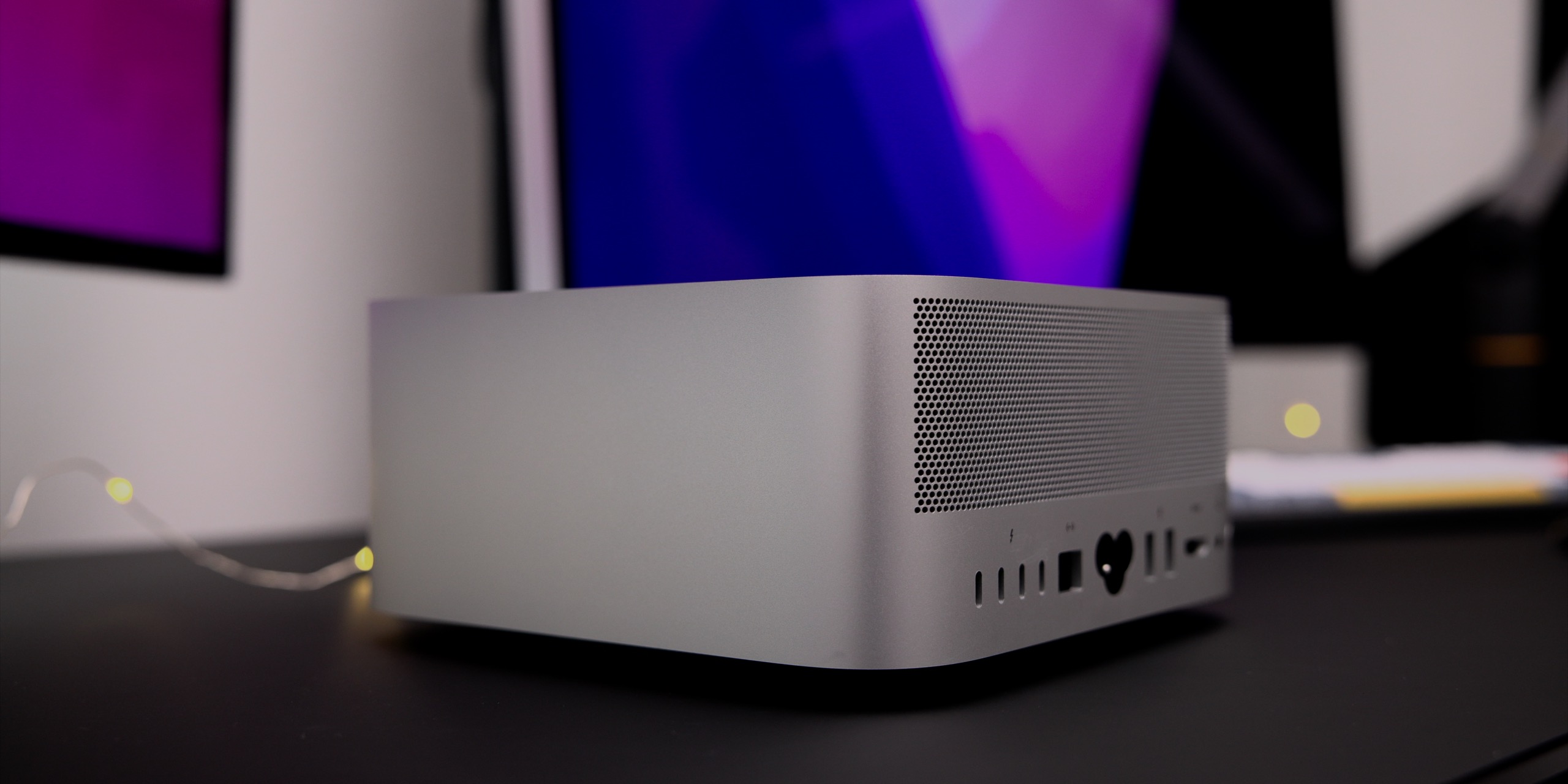
Mac Studio

Apple has been rumored to be working on new versions of this machine with the M3 Max and M3 Ultra chips. However, these versions may not be ready until 2025. Bloomberg’s Mark Gurman said in November last year that the M3 Ultra chip “hasn’t yet gone into broad testing” inside Apple.

In the US, prices for the Mac Studio with M2 Max chip start at $1999. The M2 Ultra chip version starts at $3999. Just like the Mac mini, Mac Studio doesn’t come with a keyboard and mouse in the box. You can find accessories for your Mac Studio here.

iMac

iMac is Apple’s most popular desktop computer with an all-in-one construction. It features a 4.5K display in its 24-inch version and a 5K display in the 27-inch version. At the same time, Apple still sells an entry-level iMac with a regular 1080p display.

The 24-inch iMac is the first to feature the M1 chip, the same as in the Mac mini, MacBook Air, and MacBook Pro. This allowed Apple to introduce a completely redesigned model with a slimmer design, which is also offered in seven new colors. Customers can customize the new 24-inch iMac with up to 16GB of RAM and 2TB of storage.
Site default logo image

The company ships the 24-inch iMac with Magic Mouse and Magic Keyboard, plus a Lightning cable for recharging accessories. Prices in the US start at $1299. Apple has discontinued its old 21.5-inch iMac and the 27-inch iMac 5K.

Mac Pro

Mac Pro is a computer built for professional users who depend on extremely powerful hardware. Available in tower and rack versions, it has a completely modular design. That means users can replace RAM, SSD, GPU, and other internal components.

By default, it features four USB-C/Thunderbolt 3 ports, two USB-A ports, and two 10Gb Ethernet ports. However, the ports can be expanded using the PCI Express slots. Apple also ships the computer with a Magic Mouse and Magic Keyboard, but it does not come with an external monitor included.

All models feature Intel Xeon W processors, which are the most powerful processors offered by Intel. Consumers can configure Mac Pro with up to 28-core processor, 1.5TB RAM, and 8TB of SSD storage. In addition to supporting multiple dedicated GPUs, Apple also offers the Afterburner card — which accelerates the decoding of ProRes videos.

The company recently updated the Mac Pro with new graphics card modules, which include Radeon Pro W6800X and Radeon Pro W6900X.

Site default logo image

Mac Pro prices start at $5999 in the US.

Rumors about upcoming Macs

Top stories about the Mac

More than 30% of U.S. children first use a mobile device while in diapers, says American Academy of Pediatrics

Updated parental guidelines are needed to help make informed decisions about the use of technology by children, says the American Academy of Pediatrics, as it revealed that more than 30% of U.S. children first use a mobile device while still in diapers. The AAP says that “digital life begins at a young age, and so must parental guidance.”

The Academy says that its existing policy statement was actually drafted before the first iPad was launched. A two-day symposium held earlier this year generated twelve key messages, based not just on limiting screen time but also on distinguishing helpful from harmful use of technology … 
Expand
Expanding
Close

Apple releases OS X El Capitan, featuring full-screen Split View, new Notes, revamped Spotlight Search, Safari 9 and more

Apple has officially released OS X El Capitan for the Mac, adding some new improvements as well as bringing parity with changes in iOS 9, released two weeks ago. OS X El Capitan (version 10.11), can be installed on any Mac that runs OS X Yosemite: simply download the free update from the Mac App Store. The release does not feature anything radically new — like the major visual overhaul that came last year — but there are new features as well as a strong focus on overall performance and stability improvements.

Here’s what’s new in Apple’s latest version of the Mac operating system …


Expand
Expanding
Close

Security researcher finds simple way to bypass Gatekeeper and allow a Mac to run malware

A security researcher has found an extremely simple way to bypass Gatekeeper to allow Macs to open any malicious app, even when it is set to open only apps downloaded from the Mac App Store.

Patrick Wardle, director of research at security firm Synack, told arsTechnica that once Gatekeeper okays an approved app, it pays no more attention to what that app does. The approved app can then open malicious apps – which Gatekeeper doesn’t check.

Wardle has found a widely available binary that’s already signed by Apple. Once executed, the file runs a separate app located in the same folder as the first one […] His exploit works by renaming Binary A but otherwise making no other changes to it. [He then] swaps out the legitimate Binary B with a malicious one and bundles it in the same disk image under the same file name. Binary B needs no digital certificate to run, so it can install anything the attacker wants … 


Expand
Expanding
Close

OS X El Capitan review roundup: a faster, smarter Mac OS

Apple is set to release OS X El Capitan to the world tomorrow, and as is usually the case with its new operating systems, the company has finally given reviewers the greenlight to make their opinions public.

For those wondering whether they should upgrade their Macs tomorrow afternoon, the reviewers generally agree that it’s well worth it, with big speed gains and improvements to usability making it easier than ever to get things done.

Below you’ll find a roundup of reviews for your perusal.


Expand
Expanding
Close

Does this ultra-lightweight, gold-colored, wedge-shaped laptop design look familiar to anyone?

LG has just announced an innovative new ultrabook. The LG Gram weighs a touch over two pounds, is available in a champagne gold color, has a wedge-shaped profile and is equipped with a black chiclet keyboard.

LG has a long history of developing innovative consumer electronics products and has applied that expertise, along with its laptop success in other markets, to the LG gram series in the U.S.,” said David VanderWaal, vice president of marketing, LG Electronics USA.

It does, though, come up a little short in the OS department: it runs Windows.

Such innovation does, of course, have a long history.

The Logic Pros: Routing 101 – creating multi-track FX Sends and Submix groups

In this week’s episode of The Logic Pros, after looking at some high quality hardware over the past few weeks or so, we are going back to basics with busses, aux tracks, sends and more. While Apple has made it about as easy as we can imagine for new users jumping into Logic for the first time, from Garageband or otherwise, a general understanding of these features can make a huge difference in the quality of a composition. The basic but powerful features allow creators to get a lot more mileage out of their DAWs, while providing features commonly used by professional producers/engineers on a daily basis:
Expand
Expanding
Close

Pixelmator for iOS 9 adds iPad split-screen multitasking, 64 megapixel image editing, more

Pixelmator today released the latest version of its photo editor for iPhone and iPad, Pixelmator version 2.1. The update brings full support for iPad iOS 9 multitasking, the ability to import and edit 8K resolution images, Open-In-Place document management across iOS and more.

As part of general improvements for iOS 9, such as adoption of Apple’s new system font (San Francisco) in the UI, the primary change is the addition of the iPad multitasking support. This means Pixelmator can now be docked to the side of the screen using Slide Over. On more recent iPads, you can also pop Pixelmator into Split View for true 2-app side-by-side multitasking.


Expand
Expanding
Close

Office 2016 for Mac now available outright for $150, no Office 365 subscription required

Update (via 9to5Toys.com): MacMall has Office Home and Student 2016 for $139.99 ($10 off) or Business for $20  off) with Tax in a few states.

After teasing it at the beginning of this year, Microsoft made Office 2016 available for Mac earlier this summer, but only for those that had an Office 365 subscription, which runs $9.99/mo or $100/year. Today, however, Microsoft has released a standalone version of Office 2016 for Mac, allowing anyone to purchase the software outright.

Purchasing Office 2016 for Mac without an Office 365 subscription will run you $150 for a Home & Student license, which lacks Outlook. With the purchase, you’ll also get 15GB of OneDrive storage. Office 365 subscribers get 1 terabyte of space. Office Home & Business 2016 for Mac is also available for $229.99 and includes Outlook. Both of those prices are up $10 from the previous versions of Office and for single licenses, as Microsoft continues to push users towards Office 365 plans.

Microsoft this time around is not offering a standalone business plan for Office. Instead, organizations are required to sign up for an Office 365 plan. Business plans start at $5 per users and increase in increments up to $12.50 per user, depending on what features you want.

Office 2016 for Mac features a redesigned suite of apps, including Word, Excel, PowerPoint, Outlook, and OneNote. The software also includes enhanced cloud functionality, including the ability for multiple users to collaborate on documents in real time when using the same app on different platform, including Mac, iPad, or PC. The apps are also all now optimized for devices with Retina displays.

You can purchase Office 2016 for Mac outright for $150 now via Microsoft’s website. Read our initial hands-on with the software here.

iAd Producer 5.1 released with minor bug fixes and improvements

In addition the release of watchOS 2 earlier today, Apple this evening has released iAd Producer 5.1, its advertisement development environment. The update comes a little over a year after the initial release of iAd Producer 5.0 last September. Today’s update is more minor than the release of iAd 5.0 was, which saw the addition of support for creating iTunes Radio ads on Mac and Windows.

iAd 5.1 comes in at 248MB and can be downloaded for free via Apple’s developer website or via the Mac App Store. The only change Apple lists is a fix for an issue where part of an ad could be displayed in the wrong orientation. There are likely some other minor bug fixes and performance improvements, as well.

Earlier this summer, a former Apple employee detailed an interesting use case for iAd Producer, explaining how it can be used to prototype iOS and Mac apps prior to development.

iAd Producer is available via Apple’s developer website now.

New iCloud Storage tiers now active, get 50 GB space for $0.99 per month

Apple has now activated the new iCloud Storage tiers, as announced last week at Apple’s September event. The new tiers do not bump the free tier — it remains at 5 GB. However, for $0.99 per month you now get 50 GB of storage, up from 20 GB. The 200 GB plan is now cheaper at $2.99 and the 1 TB plan is now half the price at $9.99 per month.


Expand
Expanding
Close

Apple confirms new international pricing for iCloud storage, but you can’t get it yet

After announcing significantly more generous pricing for iCloud storage last week, but showing only U.S. costs, Apple today confirmed international pricing for the simplified three-tier structure.

U.K. pricing starts at 79p/month for 50GB, rises to £2.49/mo for 200GB, and tops out at 1TB for £6.99/mo. Euro pricing is €0.99/€2.99/€9.99 respectively. Unusually for Apple, these prices are pretty much on par with U.S. pricing after allowing for VAT (European sales tax).

You can check out pricing for other countries in the Apple support document, updated today.

Note that you cannot immediately upgrade to these new storage tiers: iPhones currently show the old pricing when attempting an upgrade. It’s likely that the new pricing will start alongside the public rollout of iOS 9 later today.

It was revealed yesterday that Apple is creating a new software platform to unify all its cloud-based services.

MegaMac 2015 Bundle: 15 apps including Autodesk Pixlr Pro, Disk Drill Pro, many more: $25

Site default logo image

From 9to5Toys Specials:

The Mega Mac 2015 Bundle includes 15 great apps, and 9to5Toys Specials has it for $25 after using coupon code 9to5bundle at checkout to receive an additional $5 off.

The quality in this bundle is superb, with apps such as Autodesk’s photo editor Pixlr Pro, and data recovery app Disk Drill Pro, leading the way. Sticky Password stores your logins securely, and Spotdox offers remote access to documents on your Mac. There is more photography styling available through HDR Darkroom and Deep Dreamer, while Fetching saves your browser history to create a searchable library of visited sites. You can also tackle your inbox with Kiwi for Gmail and Email Archiver Pro, upgrade from TextEdit with FoldingText, and get the latest news on your desktop via Breaking for Mac. Commander One PRO offers fast app switching, and Macbooster keeps your Mac running smoothly, while My Net and PrivacyScan maintain security. The full 95% off list/priceguide can be found below or on Specials:
Expand
Expanding
Close

Opinion: Could the iPad Pro be a viable alternative to a MacBook?

The simplistic view of tablets versus laptops has always been that the former are for consumption and the latter are for creation. Traditionally, laptops are more powerful, they offer greater storage, they have better keyboards, they run more capable software, they are better suited to multi-tasking … there have been plenty of reasons to choose one over a tablet. In the Apple world, to choose some kind of MacBook over an iPad.

But those reasons, like the Apple tech in question, grow slimmer each year. Sure, MacBooks are more powerful, but today’s iPads are no slouches – I’ve even done a little video editing on my iPad Air 2 – and the iPad Pro is almost twice as powerful. MacBooks do still offer more storage, but that’s less important in a world of cloud-based document storage and streaming media. The best add-on keyboards for iPads may not be quite up there with MacBook ones, but they are close – and most of the difference that does remain is due to size. OS X does offer more capable software than iOS, but there’s some pretty serious software on iOS these days. iOS 9 makes side-by-side multitasking something we can now do on an iPad as well as a MacBook. And with each release, Apple gets closer to parity between mobile and desktop as it integrates technologies from both operating systems across platforms.

So the gap between the two is far smaller than it used to be – and the iPad Pro is about the narrow the gap even more. Will the iPad Pro be the point at which an iPad becomes a viable alternative to a MacBook … ? 
Expand
Expanding
Close

Make your MacBook chime like an iPhone when you plug it in to charge

The iPhone and iPad have made a cute little chime noise when plugged it into charge since their inception, but the Mac has no such noise as it uses the MagSafe light indicators to show charging status. This changed with the new 12-inch Retina MacBook which doesn’t have MagSafe so it uses the iOS chime sound to indicate charging. By default, this noise is simply disabled for other Macs …


Expand
Expanding
Close

Apple’s ‘Hey Siri’ Event Roundup: Upgraded iPhone 6s, Bigger iPad Pro, Revamped Apple TV + Apple Watch updates

Apple’s Wednesday, September 9th event is shaping up to be one of the largest in the company’s history. The Cupertino-based company is planning to unveil several major new products on stage, including a pair of new iPhones with revamped internals, a sequel to the Apple TV, a larger version of the iPad Air, a refreshed iPad mini, and new Apple Watch accessories. The company is also likely to discuss at least two of its latest software platforms: iOS 9 and watchOS 2. We’ve reported the lion’s share of what is to come at next week’s event, so this article outlines everything we’re expecting and adds some new details…


Expand
Expanding
Close

Apple applies for patent for fuel cell system that could power a MacBook “for days or even weeks”

The U.S. Patent and Trademark Office has today published a patent application from Apple for a fuel cell system designed to allow a MacBook to operate without external power “for days or even weeks.” The patent was published shortly after a British company rumored to be working with Apple managed to fit a fuel cell battery into an iPhone 6, powering it for a week at a time. We first reported on that project last summer.

While the patent refers only to a ‘portable computing device,’ both the text and diagrams specifically reference MagSafe, giving a clear indication that a MacBook is the device in question (even if Apple may be moving away from the system) … 
Expand
Expanding
Close

Xiaomi MacBook Air lookalike rumors resurface as Bloomberg reports Samsung talks

Xiaomi – a Chinese company noted for cloning Apple’s product designs, iOS look-and-feel and even keynotes – is once more rumored to be going after the MacBook Air with its own premium-look laptop.

Rumors first surfaced at the end of last year, with an apparently Photoshopped image very reminiscent of the MBA design. Xiaomi at the time denied that the image was its work, and said that it was actually a clone known as the Kaka i5. But Bloomberg reports that the company is indeed considering launching an ultra-light laptop in the first quarter of 2016.

Xiaomi Corp. is considering the introduction of its first laptop early next year, people with direct knowledge of the matter said, opening a new front in its battle against Apple Inc. and Lenovo Group Ltd. Xiaomi’s notebook may go on sale in the first quarter.

The company is said to have held talks with Samsung to discuss the supply of memory chips and displays for the un-named laptop. Both Xiaomi and Samsung declined to comment.

Intel unveils its Skylake CPUs with performance & battery life improvements across the board

While we already know much of what there is to know regarding Intel’s Skylake lineup of processors, the company tonight has officially taken the wraps off of the CPUs. As expected, the Skylake lineup consists of four different series, including the Y-Series that will power the 12-inch MacBook and the U-Series that will power the MacBook Air.


Expand
Expanding
Close