Mac

See All Stories

Apple’s Mac lineup consists of MacBook, MacBook Air, MacBook Pro, iMac, Mac Pro, and Mac Mini. The Mac runs macOS for its operating system.
Mac lineup

History

The Mac is Apple’s lineup of computers, and it can be considered the company’s oldest product. The name “Mac” comes from the original Macintosh, which was introduced in 1984 and is also considered the first personal computer for the masses to have a graphical user interface. The first Macintosh hit the stores on January 24, 1984, costing $2,945.

Among all these years, Apple has introduced many different Mac models, ranging from desktops to laptops to professional tower machines. The current lineup consists of the MacBook Air, MacBook Pro, Mac mini, iMac, and Mac Pro. However, there have been other Mac models were discontinued, such as the eMac, MacBook, and iMac Pro.

The history of modern Macs began in 1998, a year after Steve Jobs returned to Apple. Apple had dozens of Macintosh computers at that time, but Steve decided to rethink the entire lineup. In 1998, Apple announced the iMac G3, which ditched the floppy disk and serial ports in favor of USB connectors.
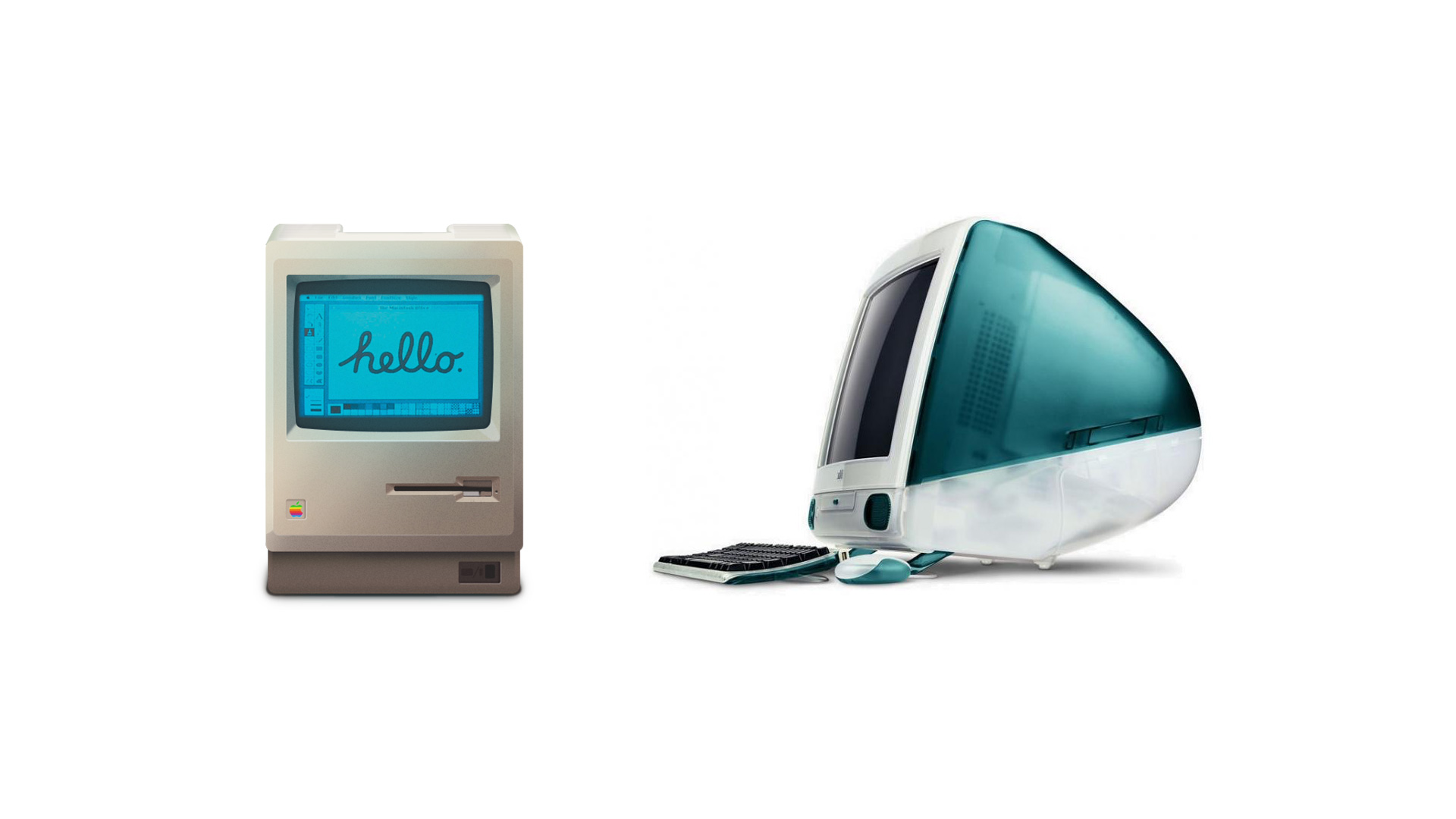
Macintosh and iMac G3.

Unlike the Macintosh, the first iMac was considered a huge success — not only for its technology, but also for its unique design with colorful translucent plastic. Apple quickly expanded the Mac lineup with other models, which included the iBook and PowerBook (which became the MacBook and MacBook Pro) and the PowerMac, which is now the Mac Pro.

macOS

What makes a Mac the Mac is the macOS operating system, which has also had a long history since the introduction of the first Macintosh. Initially called Mac OS, the operating system was rebuilt when Steve Jobs returned to Apple.

The first version of Mac OS X was released on March 24, 2001 with a new interface that is still present in some ways in current versions of macOS. Apple’s desktop operating system comes with many free applications such as Pages, Keynote, Numbers, iMovie, and GarageBand.

With macOS, users also have access to deep integrations with other Apple devices. For instance, you can answer calls and send SMS from your iPhone using your Mac. Handoff lets you switch from one device to the other and pick up where you left off. Apple Watch users can unlock their computer without entering a password, and you can even copy and paste between devices.
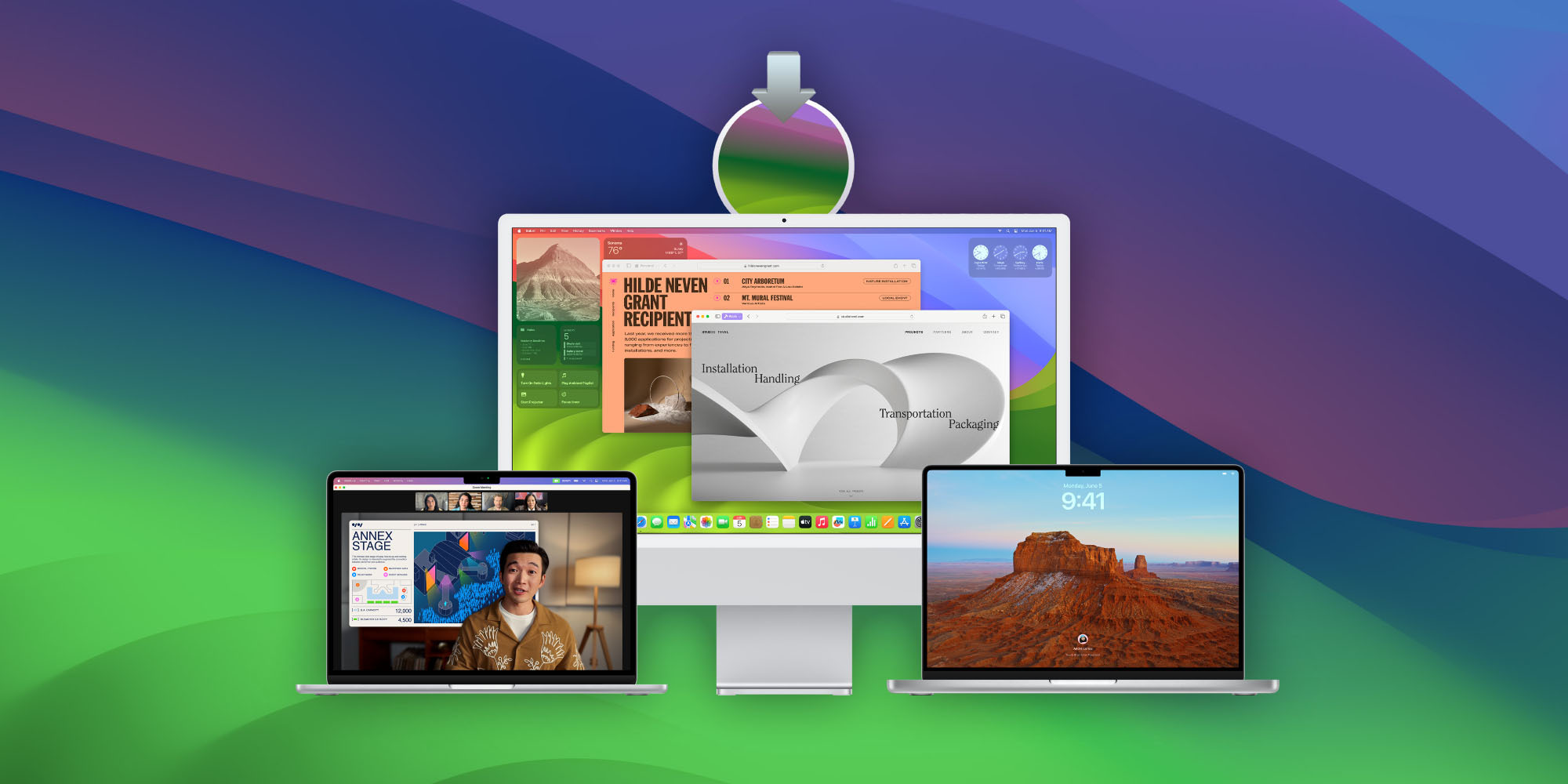
macOS Sonoma

Apple’s desktop operating system is also integrated with services offered by the company, such as iCloud, Apple Music, and Apple TV+.

The current version of macOS is Sonoma (version 14), which features new slow-motion screen savers, widgets on desktop, camera effects on FaceTime and other apps, web apps, passkey sharing, improved PDF support, and Game Mode. The update also comes with a new API that lets developers easily port Windows games to macOS.

Architecture Transitions

The Mac has had three major architecture transitions in its history. Apple’s first computers ran on Motorola processors, but the company decided to migrate to the new PowerPC platform in 1994. While this brought benefits at the time, the PowerPC processors were not delivering what Apple expected.

It was in 2005 that Apple confirmed the transition from PowerPC to Intel. Intel processors had become faster and more efficient than PowerPC, which enabled the development of new Mac computers that were more powerful and also more compact. Developers have been given access to a Developer Transition Kit running Mac OS X Tiger with Intel Pentium 4 to update their apps before the transition begins.
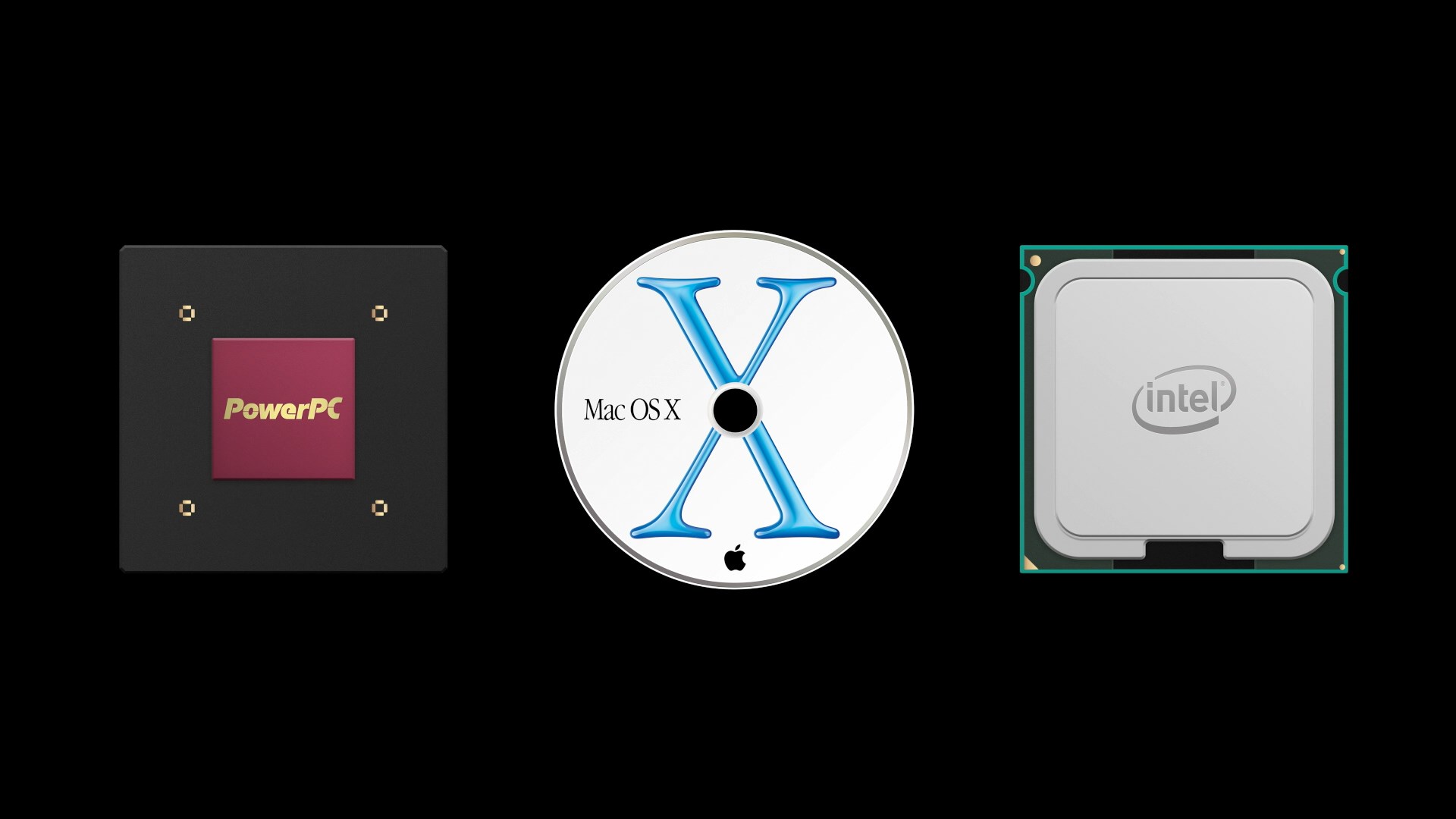
Power PC, Mac OS X, and Intel processor.

Apple said that the transition would begin in June 2006 and be finished by the end of 2007. However, the transition to Intel was fully completed in August 2006 when the company replaced the PowerMac with the new Intel Mac Pro.

As the years went by, Apple once again felt the need to have more powerful and efficient processors for its computers. This time, the company was already working on its own chips for the iPhone and iPad. In June 2020, Apple confirmed that it was changing the architecture of the Mac, now from Intel to ARM chips, which are called Apple Silicon.

Apple offered a Mac mini DTK running on the same A12Z Bionic chip as the 2020 iPad Pro. This way developers could once again update their apps ahead of the transition. In addition to being more powerful and energy efficient, the ARM architecture of Apple Silicon chips has enabled Macs to run iOS apps for the first time.
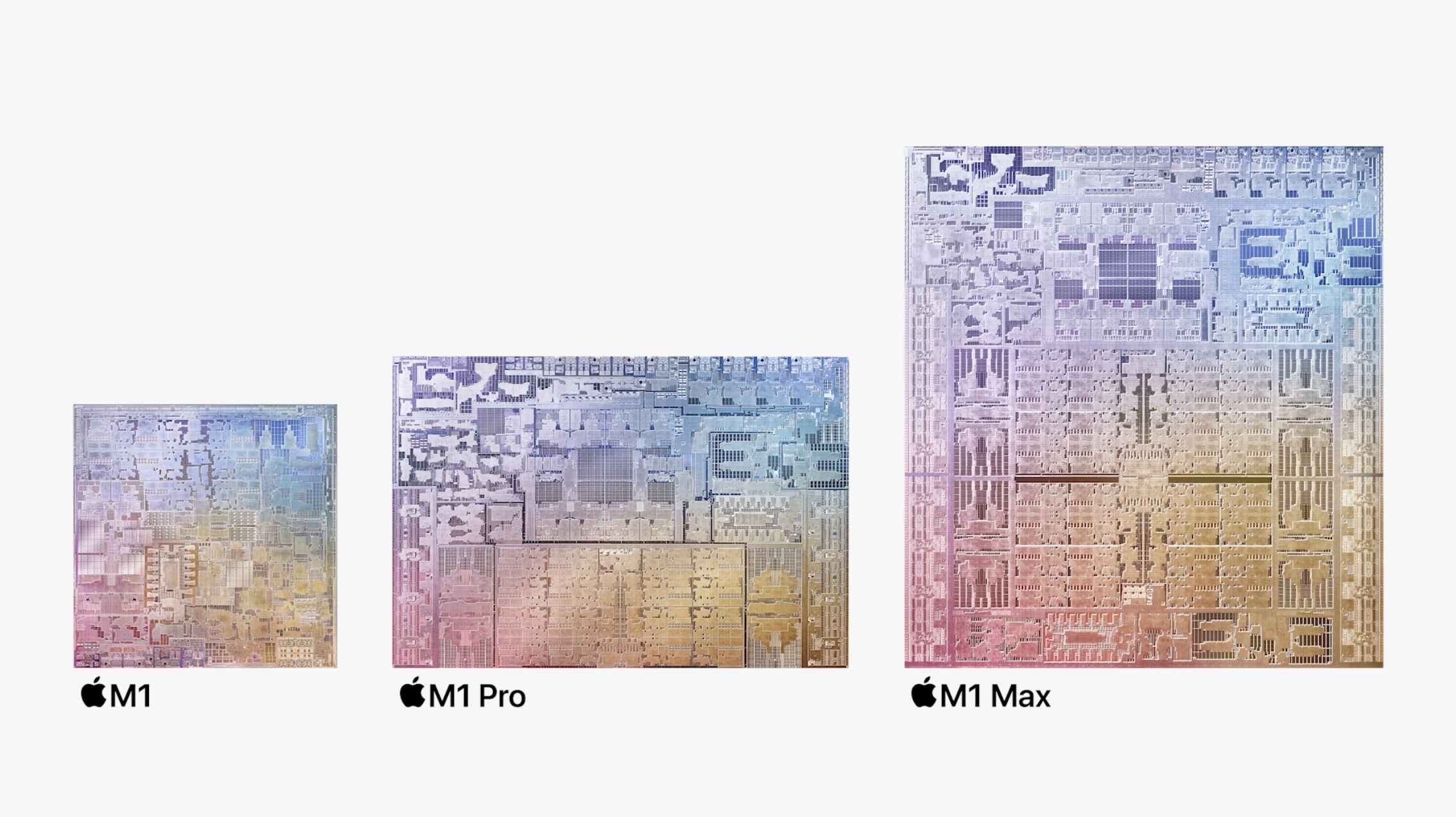
Apple M1 chip | Mac

The first Apple Silicon Macs were released in November 2020 with the M1 chip. The company later introduced more powerful variants of the M1 chip, called M1 Pro, M1 Max, and M1 Ultra. Macs with Apple Silicon have become known for being more powerful while consuming much less power, which has resulted in MacBooks with extended battery life.

In June 2022, Apple introduced the M2 chip, which is around 20% faster than the M1 and also supports more RAM. M2 also has more powerful variants: M2 Pro, M2 Max, and M2 Ultra.

Apple unveiled the M3, M3 Pro, and M3 Max chips in October 2023. The main highlight of this generation is the 3 nanometer technology, the same as the A17 Pro chip. The M3 family also features better GPUs with support for hardware-accelerated ray-tracing.

Current Mac lineup

Apple currently sells a variety of Mac computers, which includes MacBooks, Mac mini, iMac, and Mac Pro. While some of the Macs have already been updated with an Apple Silicon chip, others remain with Intel processors.

MacBook Air

The MacBook Air is Apple’s most affordable laptop and it has become popular for its light, compact design. The 2022 version is powered by the M2 chip and is offered with 8GB, 16GB, or 24GB of RAM. Plus, it has a new, edge-to edge 13.6-inch Retina display.

The laptop features Touch ID and has two Thunderbolt 3 compatible USB-C ports, a MagSafe connector for charging, and a headphone jack. Prices start at $1099 in the US. It’s offered in silver, space gray, starlight, and midnight.
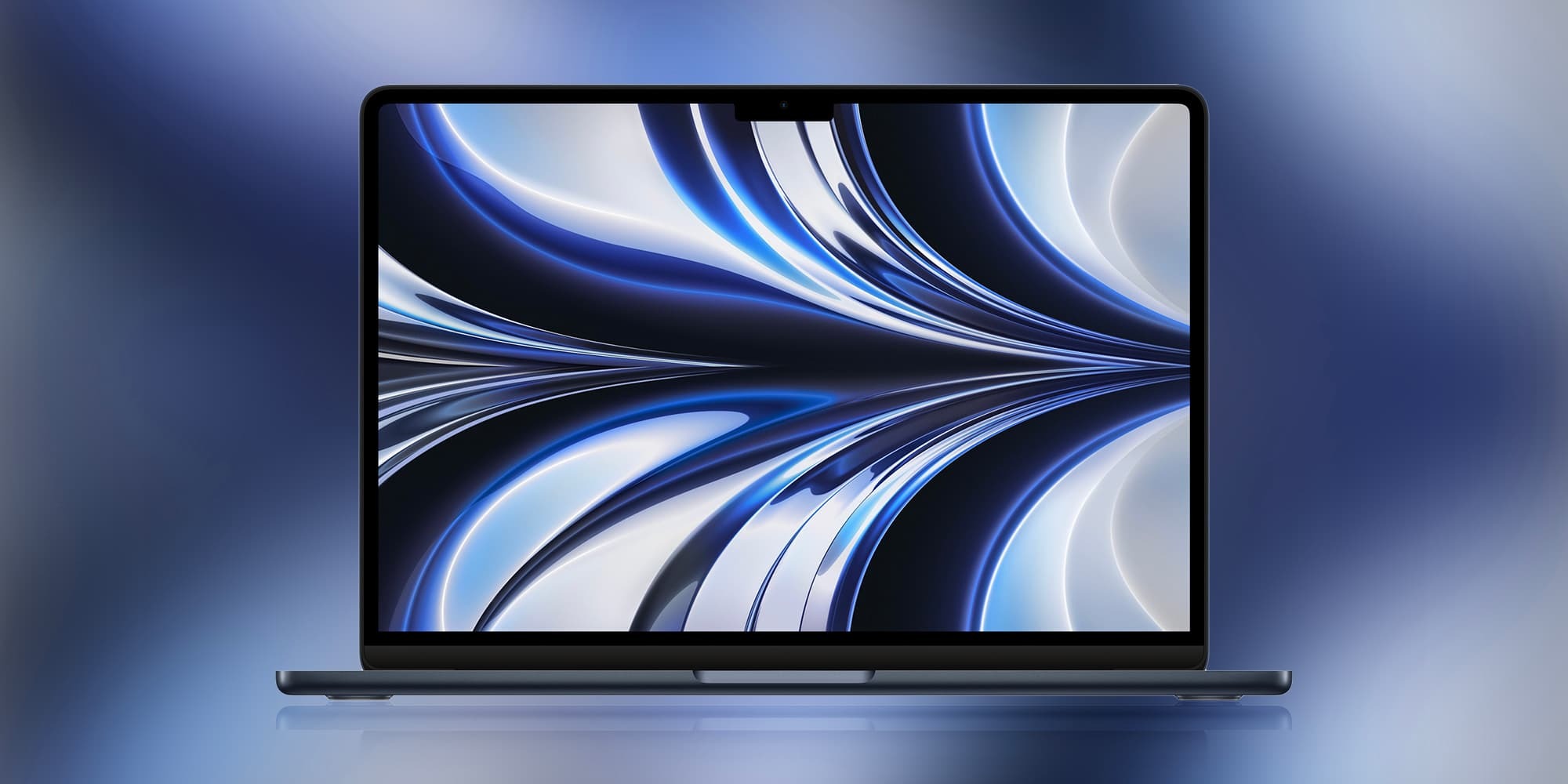
M2 MacBook Air.

A year later, Apple introduced the first 15-inch MacBook Air. It has essentially the same hardware as the smaller version with a similar design, but with a larger display. Prices start at $1299 in the US.Apple is still selling the M1 MacBook Air for prices starting at $999.

MacBook Pro

The 2023 MacBook Pro is available in multiple versions, and customers can choose between 14-inch and 16-inch screen sizes. For the first time, Apple has introduced a less expensive version of the 14-inch MacBook Pro with the base M3 chip. This version has the same design and display as the high-end versions, except that it only has two USB-C ports instead of three.
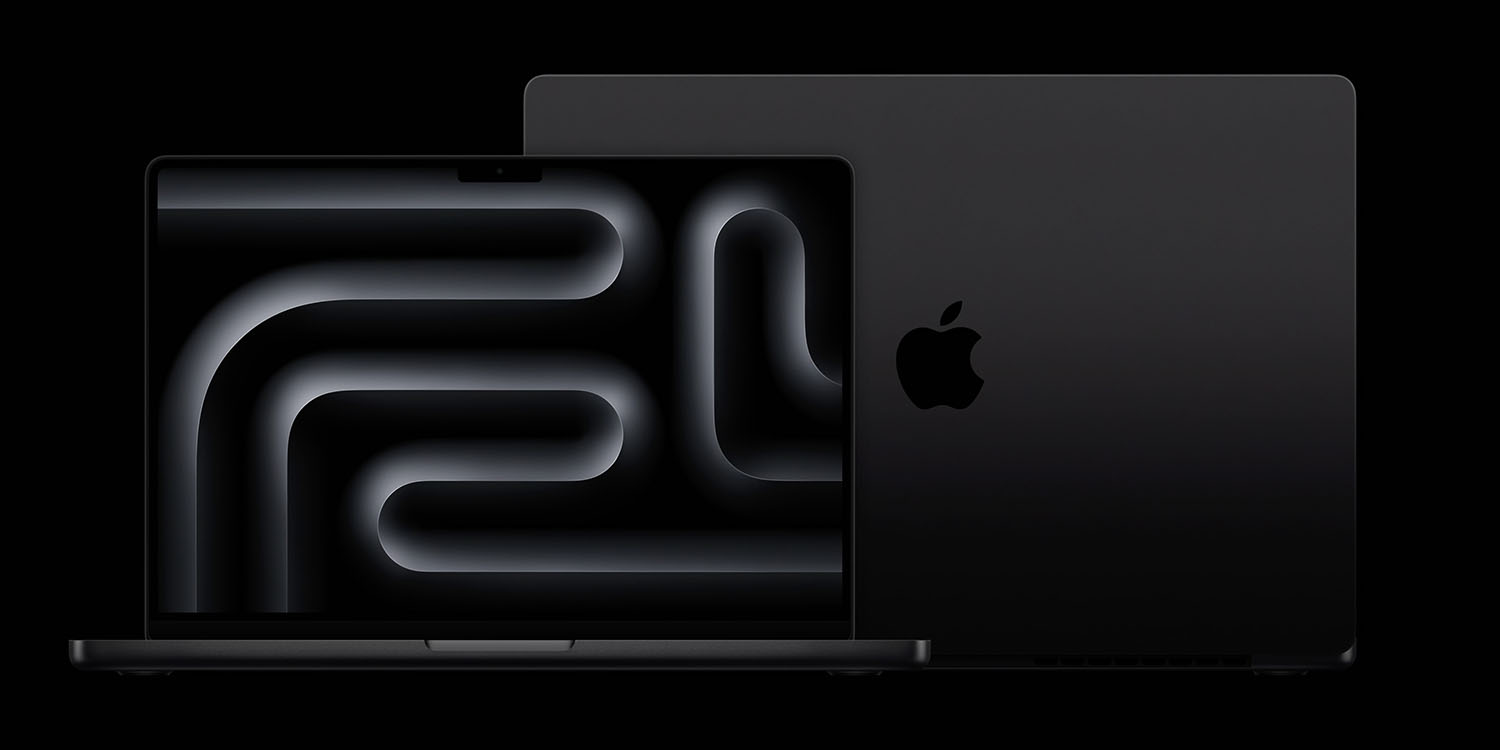
M3 MacBook Pro

The most expensive versions of the MacBook Pro are equipped with the more powerful M3 Pro and M3 Max chips. The laptop can be configured with up to 128GB of RAM and 8TB SSD. These versions also come in a new Space Black color.

Unlike the MacBook Air, the MacBook Pro comes with an HDMI port and an SD card reader. It also features MagSafe and Touch ID on the keyboard. Apple no longer sells MacBooks with the Touch Bar. Prices start at $1,599 in the US.

Mac mini

Mac mini is the cheapest Mac currently available since it’s basically a desktop without a built-in display or other peripherals. The base model with the M2 chip features one Ethernet port, two USB-C/Thunderbolt 4 ports, HDMI 2.0, two USB-A ports, and a headphone jack.

Apple sells a more powerful version of the Mac mini with the M2 Pro chip, which also comes with four USB-C ports instead of two. Mac mini can be configured with up to 32GB of RAM and up to 8TB of storage. Customers can also opt for a 10 Gigabit Ethernet port. The Apple Silicon Mac mini is only available in silver, while the now discontinued Intel model was available in space gray.
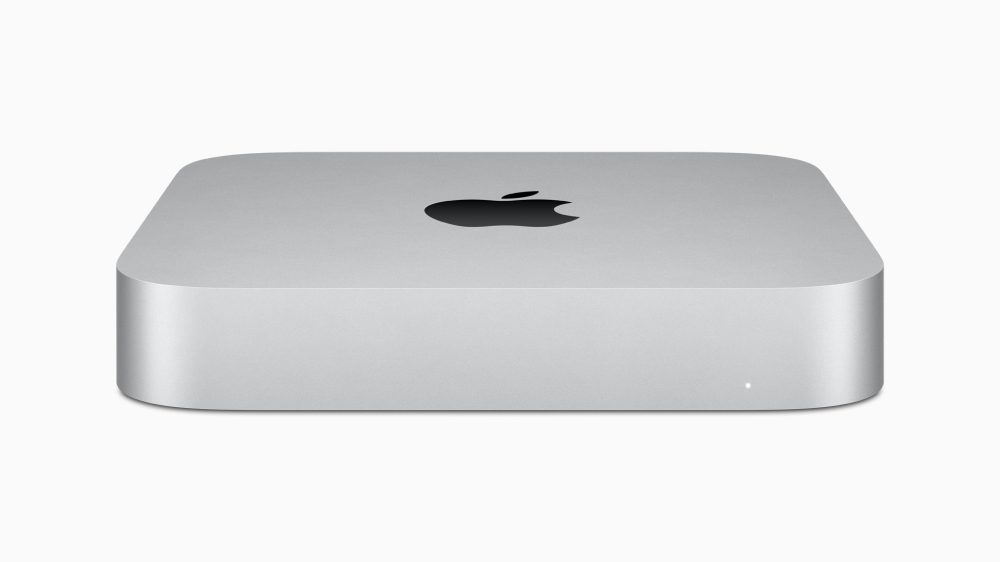
Apple Silicon Mac mini.

Prices for the Mac mini start at $599 in the US. Again, it’s worth noting that it doesn’t come with a keyboard or mouse in the box – you need to buy them separately or use your current ones.

Mac Studio

Mac Studio represents a new category between Mac mini and Mac Pro. It features a design based on the Mac mini, but with a taller body to support the more powerful hardware and also a better cooling system.

The new Mac Studio is targeted at professional users who work with demanding tasks such as video editing, 3D rendering, and machine learning. 

Embraced by creative pros everywhere, Mac Studio now delivers next-generation power in the form of the lightning-fast M2 Max and the boundary-breaking M2 Ultra. It packs outrageous performance and extensive connectivity in an unbelievably compact form, putting everything you need within easy reach and transforming any space into a studio.

By default, Mac Studio already comes with the M2 Max chip, 32GB of RAM, and 512GB SSD storage. A more expensive option lets users customize Mac Studio with M2 Ultra. While M2 Max has a 12-core CPU and a 30-core GPU, M2 Ultra doubles all of those specs. The new chip has a 24-core CPU and a 60-core GPU.

Mac Studio can also be configured with up to 192GB of RAM and 8TB of SSD storage. The machine offers up to six Thunderbolt ports, 10 Gigabit Ethernet, headphone jack, two USB-A ports, and one HDMI port.
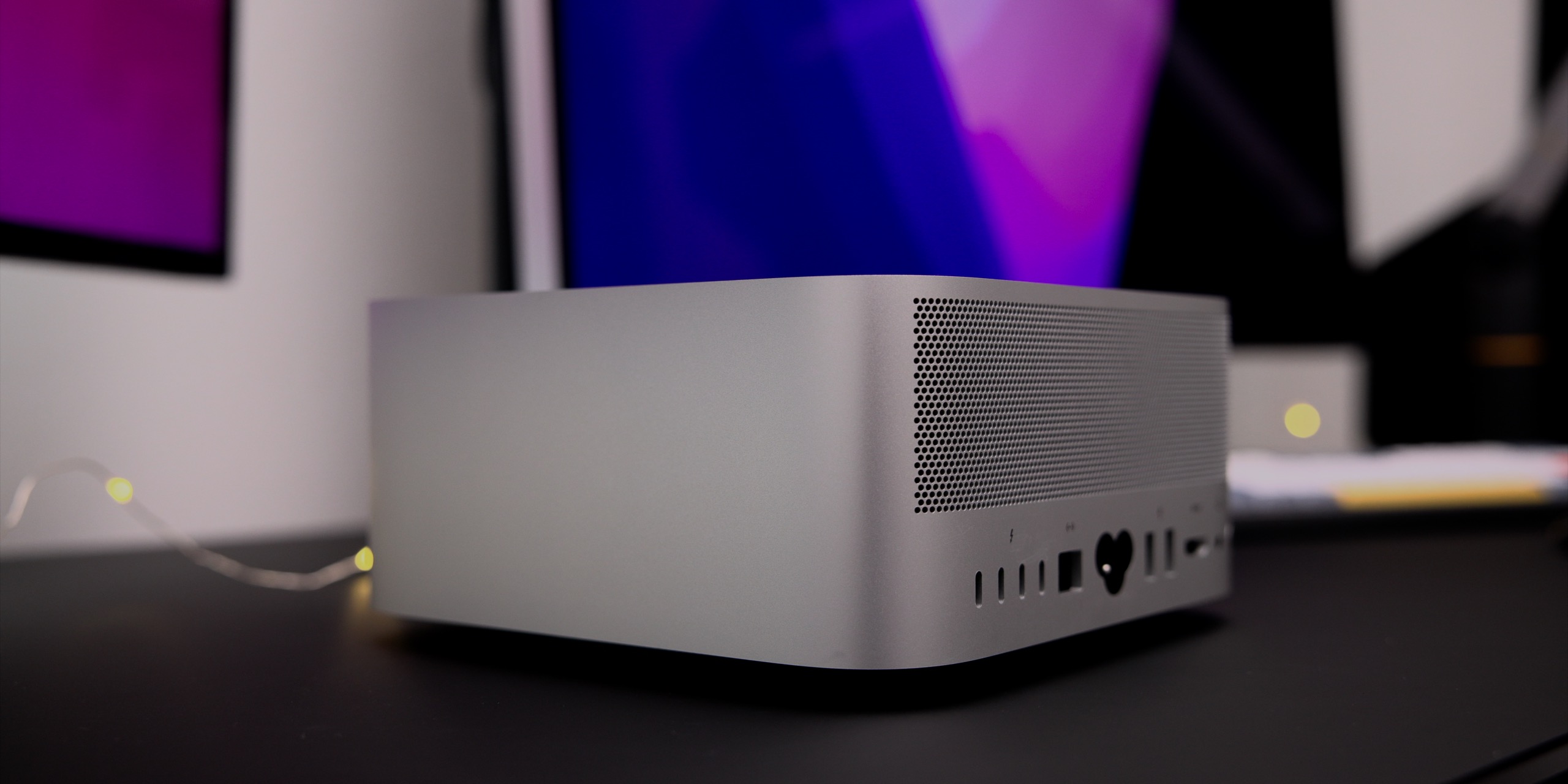
Mac Studio

Apple has been rumored to be working on new versions of this machine with the M3 Max and M3 Ultra chips. However, these versions may not be ready until 2025. Bloomberg’s Mark Gurman said in November last year that the M3 Ultra chip “hasn’t yet gone into broad testing” inside Apple.

In the US, prices for the Mac Studio with M2 Max chip start at $1999. The M2 Ultra chip version starts at $3999. Just like the Mac mini, Mac Studio doesn’t come with a keyboard and mouse in the box. You can find accessories for your Mac Studio here.

iMac

iMac is Apple’s most popular desktop computer with an all-in-one construction. It features a 4.5K display in its 24-inch version and a 5K display in the 27-inch version. At the same time, Apple still sells an entry-level iMac with a regular 1080p display.

The 24-inch iMac is the first to feature the M1 chip, the same as in the Mac mini, MacBook Air, and MacBook Pro. This allowed Apple to introduce a completely redesigned model with a slimmer design, which is also offered in seven new colors. Customers can customize the new 24-inch iMac with up to 16GB of RAM and 2TB of storage.
Site default logo image

The company ships the 24-inch iMac with Magic Mouse and Magic Keyboard, plus a Lightning cable for recharging accessories. Prices in the US start at $1299. Apple has discontinued its old 21.5-inch iMac and the 27-inch iMac 5K.

Mac Pro

Mac Pro is a computer built for professional users who depend on extremely powerful hardware. Available in tower and rack versions, it has a completely modular design. That means users can replace RAM, SSD, GPU, and other internal components.

By default, it features four USB-C/Thunderbolt 3 ports, two USB-A ports, and two 10Gb Ethernet ports. However, the ports can be expanded using the PCI Express slots. Apple also ships the computer with a Magic Mouse and Magic Keyboard, but it does not come with an external monitor included.

All models feature Intel Xeon W processors, which are the most powerful processors offered by Intel. Consumers can configure Mac Pro with up to 28-core processor, 1.5TB RAM, and 8TB of SSD storage. In addition to supporting multiple dedicated GPUs, Apple also offers the Afterburner card — which accelerates the decoding of ProRes videos.

The company recently updated the Mac Pro with new graphics card modules, which include Radeon Pro W6800X and Radeon Pro W6900X.

Site default logo image

Mac Pro prices start at $5999 in the US.

Rumors about upcoming Macs

Top stories about the Mac

Latest hint at ‘macOS’ rebranding of OS X appears in new App Store guidelines

Site default logo image

[UPDATE: Apple has changed the webpage to say Mac OS X, not macOS.]

It’s widely expected at this point that Apple will rebrand Mac OS X to simply ‘macOS’ next week at WWDC, but hidden in today’s announcements regarding the App Store was yet another hint at the change. In a FAQ from on the iTunes Connect website, Apple mistakenly refers to Mac OS X as ‘macOS,’ again prematurely hinting at the change.


Expand
Expanding
Close

How to watch Apple’s WWDC 2016 keynote live stream on Windows or Android

Apple last night confirmed it will live stream the opening press event for its Worldwide Developers Conference on Monday, but the stream is limited to certain devices. The company will stream the event to iPhone, iPad, and Mac users via its Safari browser, and to Apple TV users, and it’s also recently added support for Windows 10 via Microsoft Edge.


Expand
Expanding
Close

Report: ‘Major iTunes overhaul’ to be announced at WWDC alongside iOS 10 Apple Music revamp

Digital Music News is once again reporting that Apple is contemplating removing iTunes downloads for good, focusing solely on its Apple Music streaming service for distribution. Reading between the lines, it sounds like Apple is open to multiple scenarios depending on future market conditions, which could include ditching traditional music download model. However, it doesn’t sound like there are firm plans to do that anytime soon; Apple has already denied similar reports saying ‘It’s not true’.

More interestingly is the report’s take on Apple’s WWDC plans for iTunes. It claims that Apple will unveil a major overhaul of the iTunes app to simplify the core functions of the app (music) and better present the different music offerings Apple has, removing points of confusion about how Apple Music works alongside the iTunes Store.


Expand
Expanding
Close

‘Reliable’ supply chain source says Apple announcing new MacBook Air this month, but probably minor refresh

Site default logo image

Japanese blog Macotakara is citing a ‘reliable Chinese supplier’ as saying that Apple is planning to announce a new MacBook Air this month, with the model going on sale in August.

While the blog does have a reasonable track-record, there are a couple of reasons for not expecting this to be too big a deal if it happens at all …


Expand
Expanding
Close

Setups: My hardware setup for podcasting and voiceovers [Video]

Site default logo image

As someone who regularly does voiceover work and records podcasts, I need a setup that allows me to easily record on a whim. Any modern Mac could work for this setup, but I’m especially fond of the 12″ MacBook with its USB-C port. That single port, which handles data transfer, power, and display output, helps to simplify my configuration because all it requires is one cable to get started.

In this post, I’d like to share with you my setup for voiceovers and podcasting. What you’ll find is a rig that’s extremely easy to use and happens to look decent as well.
Expand
Expanding
Close

Site default logo image

New MacBook Pro concept envisions what an OLED fn-key row might look like

According to sources, a KGI analyst report, and leaked parts, Apple’s next MacBook Pro will feature an OLED capacitive touch panel that replaces the fn-key row. Such a change has been hotly debated online, with opponents lamenting the potential lack of tactile response for touch typing, and proponents salivating over the type of software flexibility that such a setup might offer.

Expand
Expanding
Close

Feature Request: WWDC 2016 wish list for iOS, MacOS, watchOS, and tvOS

Site default logo image

We know a fair amount about what to expect from WWDC next week — software heavy with Siri as a star and light on hardware — yet there is still plenty of room for surprises like HomeKit and Apple News from previous years. Expectations are especially light on watchOS and tvOS, the software that runs on Apple Watch and Apple TV, and there are plenty of new features that could improve the iPhone, iPad, and Mac. Here’s my Feature Request for each of Apple’s software platforms, WWDC 2016 edition.


Expand
Expanding
Close

Site default logo image

Apple issues OS X El Capitan 10.11.6 developer beta 2 for Mac + tvOS 9.2.2 beta 2 for Apple TV

[UPDATE 6/7: OS X 10.11.6 is now available for public beta testers as well.]

Apple has released the second OS X El Capitan 10.11.6 preview through the Mac App Store for developer testing. The software update to the Mac likely includes further bug fixes and performance improvements following similar releases throughout the year.


Expand
Expanding
Close

How-To: Drive a 4K display at 60 Hz with the 2016 MacBook

Site default logo image

The 2016 MacBook is capable of driving a 4K display at 60 Hz via a single USB-C cable. Such a feat is achievable via an easy-to-apply IOKit patch.

One of the great things about the new Intel hardware inside of the 2016 MacBook is that it’s capable of supporting 4K resolution at 60 Hz. The jump in refresh is a big deal, as anyone who’s tried to put up with running a 30 Hz refresh rate can attest to.

Operating at 30 Hz results in jerky and choppy cursor movement, and in some cases can induce headaches after prolonged use.

Sadly, the MacBook only supports 30 Hz out of the box for 4K resolution. It’s not immediately clear as to why this is, but on its support page, Apple makes it known that 4K resolution is limited to 30 Hz.

The good news is that it is possible to enable 60 Hz at native 4K resolution and 1080p (HiDPI/Retina) resolution on a 2016 MacBook. In fact, I just did so on the LG 27UD88 4K USB-C monitor that I recently reviewed. Watch the step-by-step process in our video tutorial for the details.
Expand
Expanding
Close

This week’s top stories: What to expect at WWDC 2016, iPhone 7 leaks, Apple’s Back to School deal & more

In this week’s top stories: iPhone 7 leaks, more on the rumored upcoming MacBook Pros with OLED touch bar, what’s in store for WWDC 2016, and much more.

Apple also launched its Back to School promo for 2016, and designer brand Coach started preparing for a launch of its Apple Watch bands next week. Head below for all of the handy links to these and our other top shared Apple stories this week.


Expand
Expanding
Close

Review: LG’s USB-C-enabled 4K Monitor lends single cable simplicity to 12″ MacBook owners, but not without some compromises

Site default logo image

If you’re looking for a 4K display that can be paired with your 12″ MacBook via a single USB-C cable, then your options are fairly limited. It seems that LG is one of the few display makers that has such a monitor available for sale.

LG’s 27UD88-W is a 27″ USB-C-enabled display. Its USB-C port allows MacBook owners to connect a single cable to drive the display, charge the machine, and facilitate data transfer.

As I alluded to in my recent 2016 MacBook post, the 27UD88-W isn’t perfect, but it’s one of the only games in town if you desire a 4K monitor with USB-C connectivity in tow.

If you’re a MacBook owner, should you consider purchasing one? Have a look inside for the details.
Expand
Expanding
Close

OS X 10.12 & Mac: What will Apple show off for Mac at WWDC 2016?

Apple’s WWDC 2016 will be light on new hardware announcements this year, but that will give the company plenty of stage time to show off big new releases on the software side. Siri for Mac, a Siri SDK for developers, an Apple Music and iTunes refresh, Touch ID features, and possibly a first look at new Macs, Apple has a lot of interesting in-development projects it could show off for Macs and OS X 10.12 at WWDC 2016. Below we roundup the rumored features for the next release of Apple’s Mac operating system and explore some of the possible new hardware we might see at the event later this month.


Expand
Expanding
Close

Opinion: Is the iOS vs Android battle headed down the same path as Mac vs PC?

Site default logo image

Yesterday, well-respected venture capitalist Mary Meeker released her annual Internet Trends Report. Inside the over 200 slide PowerPoint were some interesting numbers relating to the continuing battle between iOS and Android. As we reported last night, Meeker’s report showed iOS continue to decline in marketshare, while Android continues to gain. In many ways, the current split between Android and iOS in terms of market share and unit shipments is very similar to the split between Mac and PC shipments and marketshare. And it’s been a long time coming for Apple.


Expand
Expanding
Close

App Store, Apple Music, iTunes and other iCloud services down for some [U: Back up]

Update 2: Apple is reporting that the iCloud.com services have also been restored.

Update: Apple is reporting that the availability of some services has now been restored but several features of iCloud are still down and undergoing maintenance.

As noted by Apple’s system status page, a multitude of Apple services are currently experiencing instability and downtime for some users. The affected services include the App Store, Mac App Store, Apple TV services, iTunes In The Cloud and critical features like Find My iPhone. We have also had a few reports of Apple Music downtime, seemingly repeating the outage yesterday, but Apple’s official status report does not mention any problems with Apple Music at this time.


Expand
Expanding
Close

Apple readying new external 5K Display as current model goes out of stock, may feature integrated GPU

Update: No new Apple display at WWDC … timing unclear but integrated GPU next-gen Apple Display is still in development.

The current $999 (!) Thunderbolt Display is showing its age to put it mildly, now significantly overshadowed by Retina MacBooks and iMacs in terms of screen resolution and quality. Reaffirming earlier reports, we have heard that stock of the Thunderbolt Display at Apple Stores is quickly running out with no indications of more units on the way to replenish availability. This is often a good indicator that a refresh is imminent. We are led to believe that WWDC will be very light on new hardware. However, given the opportunity for cheers in the audience, perhaps Apple could announce the new display at the keynote with a release pencilled in for later in the year.

Independently, we have heard some rumblings about what the new display might offer. Finally bringing it up to speed with its Retina display Mac cousins, the new ‘Thunderbolt Display’ will likely feature a 5K resolution display 5120×2880 pixels. Moreover, sources indicate that Apple will take the display in a surprising direction, specifically suggesting that Apple plans to integrate a dedicated external GPU into the display itself


Expand
Expanding
Close

Leaked images claim to show MacBook Pro with OLED touch bar cutout, four USB-C ports

Site default logo image

Apple is reportedly set to introduce a major update to its MacBook Pro lineup sometime during the fourth quarter of this year. The update is said to bring a thinner design and a new OLED touch bar above the keyboard. Now, a set of spy shots claim to show the chassis of the refreshed MacBook Pro and where the reported OLED touch bar will be located.


Expand
Expanding
Close

Next-gen Intel Kaby Lake processors on track to launch this year as Samsung unveils new super-small SSDs

Site default logo image

We can usually get a decent idea of what the insides of an upcoming Mac will look like thanks to announcements from part manufacturers. A report last week detailed some of the changes that Apple has planned for its MacBook Pro refresh in the fourth quarter of this year and now Intel and Samsung have both made announcements that could offer a glimpse into what else Apple will introduce…


Expand
Expanding
Close

Limited availability may mean one of Apple’s most outdated products might see WWDC refresh

It’s been true for way too long now that Apple’s Thunderbolt Display is due for a comprehensive upgrade. Apple’s $999 27-inch display has a dated design and has much lower resolution than the Retina 5K iMac for $800 more. For those reasons and more, it’s been on everyone’s Do Not Buy list for quite some time, but that may be about to change.


Expand
Expanding
Close

Review: IXCC’s USB 3.0 to Type-C Adapter is a cheaper way to connect legacy USB devices to your MacBook

Site default logo image

If you own a MacBook and you wish to interface with legacy USB-A connections, you have several options. Apple itself produces a USB-C to USB Adapter, and it’s available for around $19. There’s also no shortage of third-party options available on Amazon and other resellers.

One such option, IXCC’s USB 3.0 to Type-C Convertor Cable, is a cheap and easy way to garner legacy USB device support on USB-C only MacBooks. Have a look at our brief hands-on video to witness the adapter in action.
Expand
Expanding
Close

This week’s top stories: new MacBooks incoming, iPhone 7 leaks, iOS 10 rumors, Siri SDK, & WWDC 2016

Site default logo image

The top Apple stories this week include reports of new MacBook models on the way, the latest rumored specs and features for iPhone 7, our roundup of features in the cards for iOS 10, and reports that Apple is developing dedicated hardware and a new SDK for Siri. As usual, below we’ve collected all of the handy links to these and our other top stories this week.


Expand
Expanding
Close

10 tips for new and prospective MacBook owners [Video]

Site default logo image

As someone coming from a 15″ MacBook Pro with Retina display, adjusting to the smaller form-factor of the 12″ MacBook takes some getting used to. But as brought out in our post highlighting 10 favorite MacBook features, the effort is worth it.

I’ve been using the 2016 MacBook as my primary computer since last week, and I’ve learned a lot about this little machine during my hands-on time. If you’re thinking about purchasing a new MacBook, or if you already own one, consider these tips to get more out of this tiny wonder.
Expand
Expanding
Close