AAPL Company

See All Stories

Breaking news from Cupertino. We’ll give you the latest from Apple headquarters and decipher fact from fiction from the rumor mill.
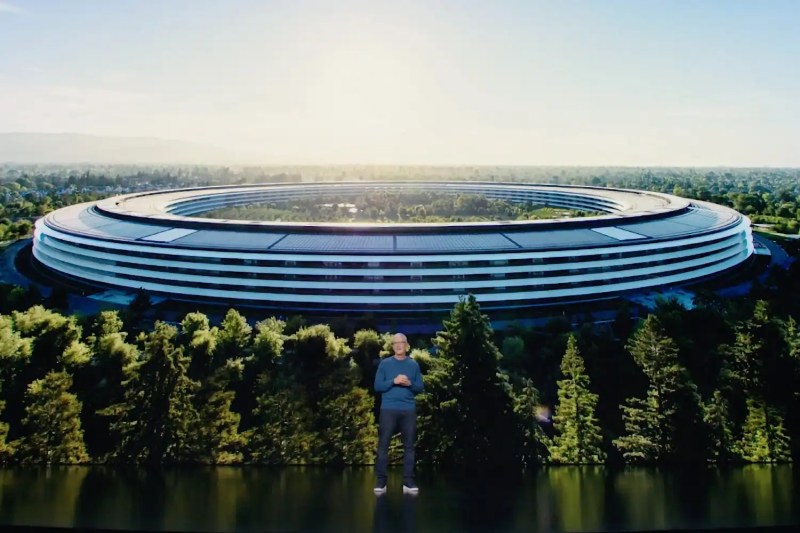
Apple Park Tim Cook AAPL

AAPL is a California-based computer company that became the most successful smartphone company in the world.

AAPL defined by Apple

Here’s how Apple defines itself:

Apple revolutionized personal technology with the introduction of the Macintosh in 1984. Today, Apple leads the world in innovation with iPhone, iPad, Mac, Apple Watch, and Apple TV. Apple’s five software platforms — iOS, iPadOS, macOS, watchOS, and tvOS — provide seamless experiences across all Apple devices and empower people with breakthrough services including the App Store, Apple Music, Apple Pay, and iCloud. Apple’s more than 100,000 employees are dedicated to making the best products on earth, and to leaving the world better than we found it.

Key AAPL history

From Apple I to iMac

Apple was founded in 1976 by Steve Jobs (Steve), Steve Wozniak (Woz), and (briefly) Ronald Wayne as a business partnership: Apple Computer Company. The following year it became Apple Computer, Inc. The company’s first product was the Apple I, a personal computer hand-built by Woz and sold in part-completed kit form. The Apple II and Apple III followed.

The modern Apple as we know it today began in 1983, with the launch of the first personal computer with a graphical user interface, the Lisa. Way too expensive to succeed, it was replaced by the Macintosh in 1984, launched with the single showing of a Ridley Scott commercial during the Super Bowl. The Macintosh transformed the world’s understanding of what a computer was, and would eventually lead to Microsoft adopting the GUI approach.

Steve Jobs and then Apple-CEO John Scully fell out in 1985, when Steve wanted to focus on the Macintosh while Scully wanted to put more attention on the Apple II, which was still selling well. That led to Steve being forced out of the company and going off to form NeXT.

Apple focused on selling Macintosh models at the highest possible margins, but would eventually fall foul of a mix of unsustainable pricing in the face of competition from Windows machines, and an overly complex product lineup. By 1996, the company was in trouble, and in 1997 Steve was brought back, along with the NeXT operating system, which would eventually form the basis of Mac OS X.

Steve simplified the Mac lineup and had industrial designer Jony Ive work on a whole new look for a consumer desktop Mac, the colorful iMac. The iMac, like the original Macintosh, again changed the world’s understanding of what a computer was, and who should want one.

From Apple Computer, Inc. to Apple, Inc.

In 2001, Apple launched the iPod. Although this wasn’t the first mp3 player, it was massively better than anything on the market at the time, and succeeded in turning a geeky piece of technology into a consumer electronics product with mass-market appeal.

The success of the iPod paved the way into other mobile devices. Apple was working on what would eventually become the iPad, when Steve realized that this was the basis of a smartphone. He diverted the team’s work into this, to launch the iPhone in 2007. The iPad launched later, in 2010.

The iPhone was yet another transformational product. While most other smartphones of the time were clunky devices with a keyboard and stylus, the iPhone was a sleek-looking device operated with a finger, and so simple that no user guide was needed. It was with the launch of the iPhone that Apple Computer, Inc. was renamed to Apple, Inc.

From Intel to Apple Silicon

While the iPhone, iPad, Apple Watch, and more are made with Apple-designed processors, the Mac lineup has historically relied on third-party companies for its CPUs. Over the years, Macs progressed from Motorola 680000 series chips through PowerPC to Intel.

In 2020, Apple began a two-year transition to the final stage in that journey, with Macs too finally getting Apple-designed chips. The first such is the M1 chip, used in the latest Mac mini, MacBook Air, and 13-inch MacBook Pro. Other Apple Silicon Macs followed.

AAPL today

Apple is one of the largest companies in the world. It was the first publicly traded company to hit a trillion-dollar valuation in 2018, $2 trillion in 2020, and $3T in 2022.

The company’s product lineup includes five different Mac families (MacBook Air, MacBook Pro, iMac, Mac Pro, and Mac mini); four iPad ranges (iPad mini, iPad, iPad Air, iPad Pro); four iPhone 12 models (12, 12 mini, 12 Pro, 12 Pro Max); three main Apple Watch models (SE, Series 3, Series 6); as well as other products, including Apple TV, AirPods, and HomePod mini.

In addition to hardware sales, Apple derives a growing proportion of its income from Services, including the App Store, iCloud, Apple Music, and Apple Pay.

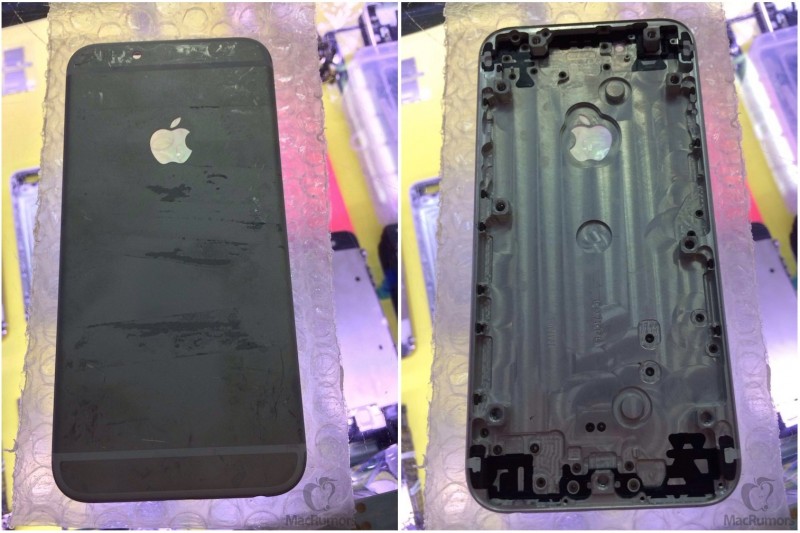
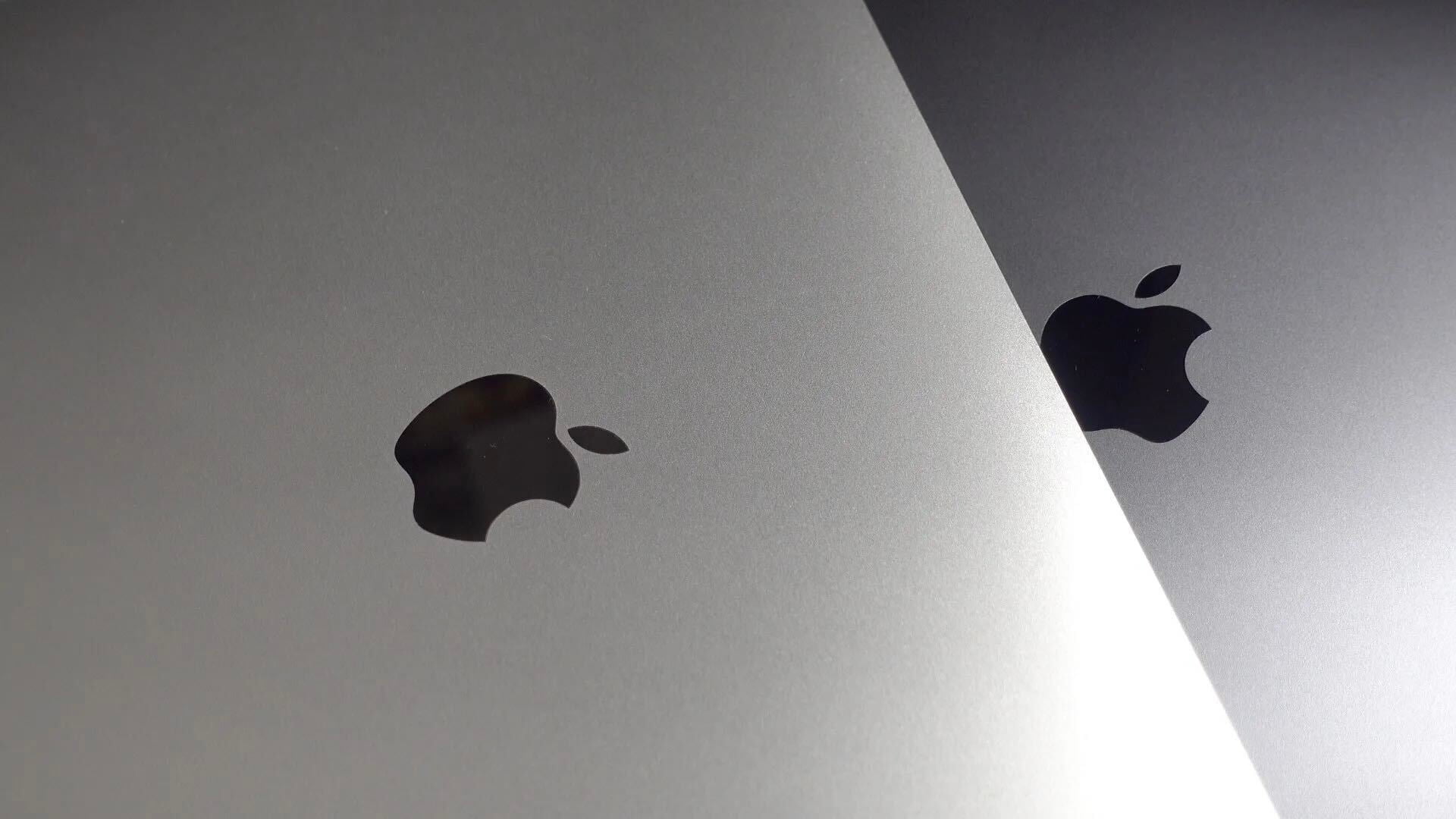
Supposed iPhone 6 back casing shown off in new video, including new dark black color

Site default logo image

In what will only continue the endless stream of iPhone 6 leaks, MacRumors brings attention to a couple of new photos and videos of the supposed iPhone 6 back. Interestingly, a new dark black piece has been seen for the first time, featuring a shade much darker than the current Space Gray iPhone 5s. Until today, only gray pieces have been spotted, which does make the legitimacy of the part somewhat questionable.

The post also highlights some new images and videos from Fed & Volk, who ostensibly possess mid-production units of the iPhone 6 rear. This case is the standard light gray variant, however, and matches the component leaks we have been seeing from other sources for many months now. See a video of the part after the break …


Expand
Expanding
Close

Vimeo announces redesigned Apple TV app w/ improved content discovery features

Site default logo image

Vimeo announced today that it’s launching an updated Apple TV app that introduces a redesigned user interface that cuts down on “the number of clicks it takes to watch a video and improves video discovery overall.” That mostly includes a redesigned menu that will give you quick access to the most popular videos as well as your Watch Later queue and your own content. 

“As the Vimeo On Demand collection continues to build (currently 10K titles and growing daily), it’s more important than ever to provide our viewers with a seamless living room experience,” said Nick Alt, VP of Mobile and TV, Vimeo. “Our ‘Watch Later’ feature makes videos found on Vimeo immediately accessible across all connected devices, and with this latest AppleTV update we’re making content even more discoverable.”

Features you’ll find in the new app include a redesigned Featured Home page that shows off highlights user channels and albums in addition to 20 curated channels chosen by Vimeo. Also new is a revamped Video Detail page that includes “background images, additional clip metadata such as audience ratings, reviews, extra features, and more content from creators.” Vimeo tells us that the new Apple TV app will also feature a VOD Trailers section that offers previews of upcoming feature films and series: 
Expand
Expanding
Close

Site default logo image

Apple’s former retail chief Ron Johnson talks working with Jobs on creation of retail stores (Video)

[youtube=https://www.youtube.com/watch?v=e_HByVsugQY]

Apple’s former retail chief Ron Johnson— the man in charge of retail when Apple first launched its brick and mortar stores back in 2001— recently sat down for a talk at Stanford where he gave some insight into the work that went into Apple’s original retail efforts. After a brief intro on his work before Apple, RoJo eventually gets into Apple retail stores, working with Steve Jobs, and the decision to redesign the Apple retail store experience at the last minute.

The thing I remember from Steve is you have to be willing to start again. We were launching the stores and one day he came up with the idea of the digital hub… The next week we were going to our weekly store meeting, we were designing the store…. I said Steve Ive been thinking and I think the store is organized all wrong… we’ve organized it like a retail store around products… the store should be organized on music and movies and things you do…

He also gives some insight into the decisions Apple made with its original retail store experience. For example, the ability to attract customers by offering high-speed internet connected display units for its Macs was something most others weren’t doing at the time.

There’s so many reasons to come… you can get help, you can bring the kids and play at the kid table, you can learn, you can surf the internet, check your mail…  when we launched the Apple Stores, guess what percent of people had broadband or high speed internet in the US? 3 percent… no one had ever seen a high-speed internet.. I said Steve this is going to make Apple computers seem really good because they are going to come try the internet and they’ll think they are fast. We created a place for communities to form where people could check their email and experience the Mac.

The rest of the interview is an interesting watch with Johnson telling many stories about lessons learned at Apple and his time working with Jobs. “When I started working with him he said Ron If you don’t mind I really want to not be an employee I want to be a friend… He had this intense way of developing these close relationships and the first time we met we talked for 2 or 3 hours… Through the years Steve and I would talk most days on the phone… The most misunderstood thing about Steve is that he’s the best delegator I’ve ever met.” 

Apple’s top lawyer reported Google to FTC over in-app purchases by kids

Site default logo image

Apple seemingly wasn’t too happy that it was singled out for an FTC investigation into making it too easy for children to make in-app purchases: following its own settlement back in January, the company’s general counsel Bruce Sewell promptly reported Google for the same thing, reports Politico.

“I thought this article might be of some interest, particularly if you have not already seen it,” Apple general counsel Bruce Sewell wrote to FTC Chairwoman Edith Ramirez and Democratic Commissioner Julie Brill, pointing to a report that criticized Google’s app store over the same issue of unauthorized purchases …


Expand
Expanding
Close

Site default logo image

Court rejects Apple’s attempt to dismiss claim that Siri infringes Chinese patent

Reuters reports that a Chinese court has rejected Apple’s attempt to dismiss a claim by local company Zhizhen Internet Technology that Siri infringed its speech-recognition patent.

Zhizhen Internet Technology first alleged in 2012 that Apple’s Siri technology copied parts of its Xiao i Robot software, with pre-trial proceedings taking place last year. Apple said that it had not been aware of the patent when work began on Siri, and asked China’s State Intellectual Property Office to declare the patent invalid.

The Chinese patent office declined Apple’s request, leading Apple to file suit against it. It is this suit that has been rejected, leaving Zhizhen free to pursue its case against Apple.

Apple has said it intends to appeal to the Beijing Higher People’s Court, but suggested that a settlement might be reached by adding that “we remain open to reasonable discussions with Zhizhen.”

The backend for Siri was originally developed by Nuance, the company behind Dragon Dictate, though there have been persistent rumors that Apple plans to replace this with its own technology.

Image credit: forbes.com

Site default logo image

‘Apple of China’ brand Xiaomi pips iPhone in latest Chinese app usage stats

Android may have the raw numbers, but iPhone users have always been the ones to make the most use of their phones – from web browsing through enterprise to paid apps. Mobile analytics company Flurry reports that one Android brand has finally caught up – but only in China.

Over the past 6 years, the average Apple iPhone consumer has spent more time in apps than consumers of every Android device we track- by a wide margin. This year, it looks like the story is about to change. In an analysis we conducted on a random sample of 23,000 devices in China throughout January 2014, we found that Xiaomi is now in the lead as far as time-spent in apps is concerned.

It’s no coincidence that the brand is Xiaomi. The company, and its CEO, has blatantly copied Apple’s marketing approach in every way from product launches right the way down to the Steve Jobs style clothing of the company’s founder. The company even recently announced an iPad mini clone known as the Mi Pad.

Xiaomi’s antics have so far been ignored by Apple, which has been focusing on developing good relationships with China, but given the company’s ambitious international expansion plans, there may come a time when Apple has to take a harder line.

(via TNW)

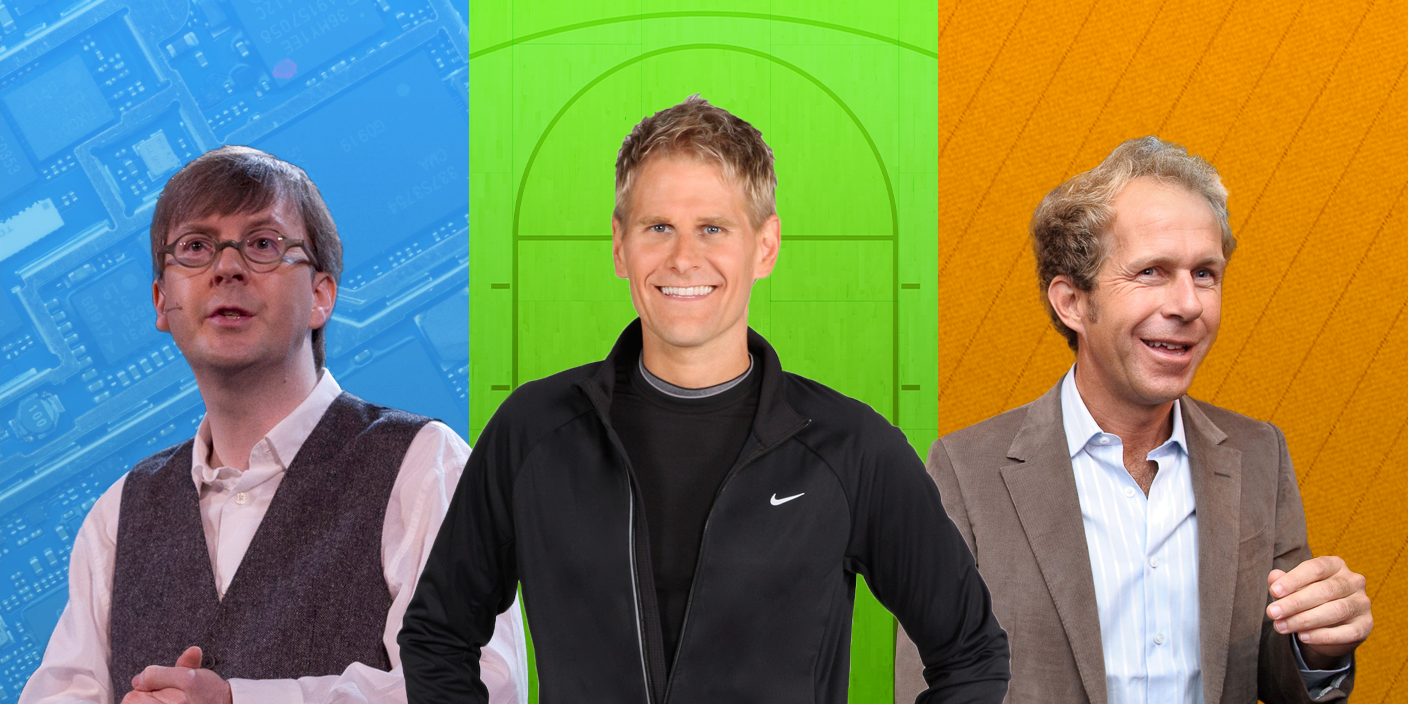
From fashion to fitness part II: Apple hires a pair of key Nike FuelBand engineers

Site default logo image

This is an update to a February post in which we rounded up all recent Apple hires pertinent to the development of the upcoming iWatch. This post includes the addition of several new hires and experts, including a pair of key Nike FuelBand hardware engineers, and the new hires are labeled with italics.

Apple has been developing a sensor-laden, fitness- and medical-focused wearable computer as indicated by several notable recent hires and information we have received from sources. The device will have a focus on both fashion and exercise as Apple has been testing the device with key professional athletes. We’re expecting the product to be announced in October of this year and ship by the holiday season. As the  launch of the “iWatch” approaches, we have compiled an up-to-date list (into categories of leadership, fashion, fitness, and health) of all known and pertinent recent Apple hires to provide a clearer picture of what Apple’s future wearable technologies could offer to consumers…


Expand
Expanding
Close

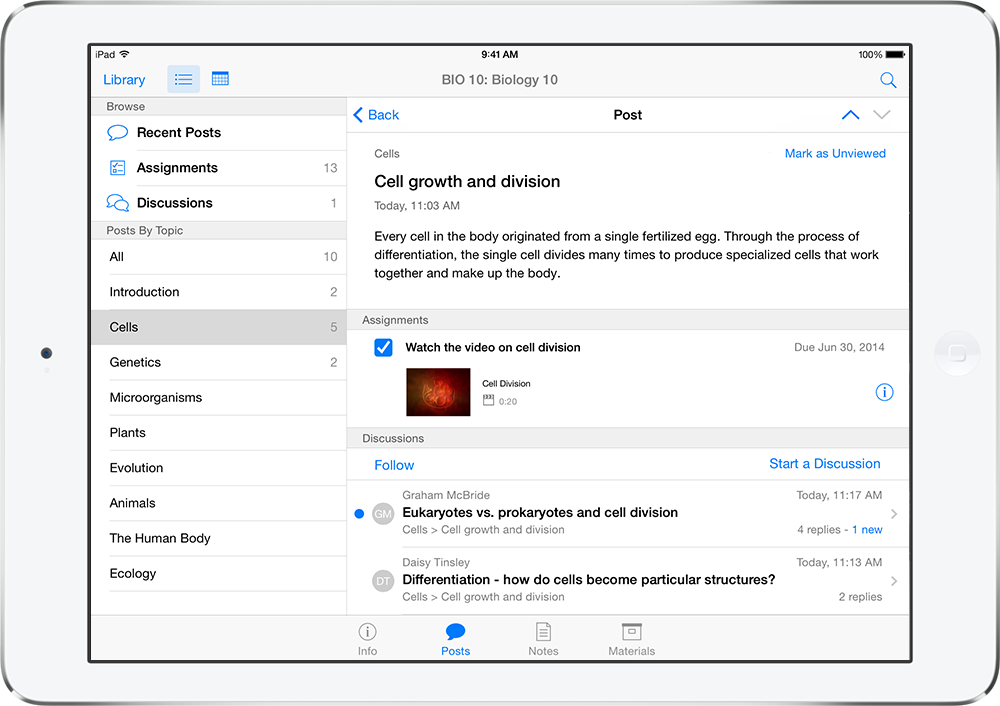
Apple launches iTunes U 2.0 with iPad-based course creation, student discussions, more

Site default logo image

Apple today issued a significant update to its iTunes U application for the iPhone, iPad, and iPod touch. The application focuses on enhancements for both teachers and students, and the application was first announced by Apple last week alongside the new Back to School retail initiatives.

Here’s what is new for students:


Expand
Expanding
Close

Fourth Swiss Apple Store coming to Basel on July 12th

Site default logo image

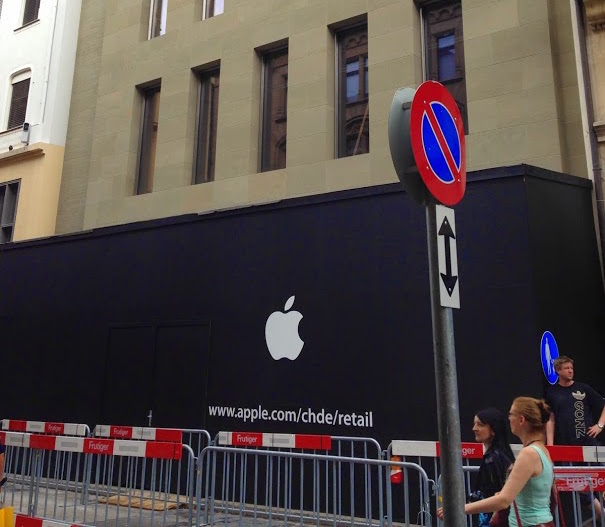
Apple will be opening up its fourth official retail store in Switzerland this weekend. A new store in the city of Basel will see its grand opening on Saturday, July 12th, according to a notice on Apple’s Retail Store website. Job listings for the store first appeared earlier this year on Apple’s jobs website. Apple has already surrounded the store with a black banner promoting the store’s website. Apple is also planning several new stores in China, Italy, and the United States under the guide of recently appointed retail head Angela Ahrendts.


Expand
Expanding
Close

Site default logo image

Apple Campus 2 sample architecture displayed in Germany

We’ve already seen a number of renders showing Apple’s ambitious Campus 2 project as well as the progress in Cupertino, California at the site of the future spaceship-like building. Now photos shared today by German site ifun.de depict an early shot of architectural samples with the design slated for Apple Campus 2.
Expand
Expanding
Close

Site default logo image

Apple Maps senior engineering manager leaves role for job at Uber

Chris Blumenberg, a senior engineering manager at Apple who manages the Maps Apps and Frameworks team, has left the Cupertino, California company for a new role at Uber, The Information reports. Blumenberg’s time spent at Apple dates back over 14 years according to his LinkedIn profile, and his past experience includes building the original Maps app for iPhone as well as porting the Safari web browser to iOS.

Uber, of course, is a relatively new transportation company founded in 2009 which offers pickups in various cities which can be arranged by a mobile application. Interestingly, Google has in part backed Uber through its Ventures arm investing in the startup with $250 million last fall and adding Uber integration into its the Google Maps app earlier this year. Uber is also a partner for Google’s self-driving car program.

As you may recall, Apple first introduced its in-house Maps data in 2012, which was met with enough user complaints to prompt a publicly posted apology from Apple CEO Tim Cook, as it began the process of moving away from relying on Google’s mapping data.

Site default logo image

Market share of iPhone may increase as U.S. smartphone growth tails off, predicts analyst

There are early signs that Apple’s market share of the U.S. smartphone market may increase as we move through the ‘Late Majority’ phase and into ‘Laggards’, suggests Asymco’s Horace Dediu.

For those who weren’t paying attention in economics classes in school, new products tend to experience an S-curve pattern to their growth. In the tech sector, Innovators are pretty much synonymous with techies.

Innovators (first 2.5%) need to be sold on the premise of novelty itself. Early adopters (next 13.5%) seek status and exclusivity. Early majority (34%) seek acceptance and Late Majority (34%) seek pragmatic productivity. Laggards (last 16%) seek safety.

If those percentages appear rather random, it’s because they are derived from the shape of the curve – the typical points at which it gets steeper or shallower.

With U.S. smartphone penetration now at 70 percent, we’re about two years into the Late Majority stage, with around two further years of growth to come. What Dediu’s analysis suggests is that iPhone growth has a steadier pattern to it than Android growth, which appears to be more closely driven by product launches and promotions. The more mature a market, the fewer product launches and promotions there are designed to drive adoption.

Why, when we are in a late stage of the market, does the iPhone do well when users are not incentivized to adopt? As we crossed 70% adoption, 1.4 million more users adopted the iPhone than Android.

Even if we look out to the last six months, iPhone added 15.5 million late majority users while Android added 14.2 million. If promotions decrease for the “late late majority” and laggards then would the iPhone do even better relative to Android?

Dediu points to the featurephone market as support for his hypothesis: at the tail-end of the curve, before smartphones took over, the most popular phone in the U.S. was the RAZR – a premium handset.

Apple acquires land to build another solar power farm in North Carolina

Site default logo image


The city of Claremont, NC has agreed to annex the land necessary for Apple to build a third solar farm near its data center in Maiden, the Hickory Daily Record reported (via MacRumors). Apple will make an initial investment of $55 million and indirectly create 75 jobs while constructing the 17.5-megawatt farm, which will be located at 3123 Kelly Blvd.

The farm won’t actually be located at the Maiden data center—or even in the city of Maiden, for that matter—though it will still be located in the same county as the other property.


Expand
Expanding
Close

Apple shares video of last week’s Pride Parade, showing support for equality and diversity

Site default logo image

[youtube https://www.youtube.com/watch?v=xdjAX5A-6qE&feature=em-uploademail]

Just over a week ago, thousands of Apple employees, including CEO Tim Cook, took to the streets of San Francisco to take part in the Pride Parade. The company has not been hesitant to share its views on LGBT rights, and the parade was yet another instance of that. This evening, Apple uploaded a video to its official YouTube channel showing off all of the effort that went into the Pride Parade last week and its “unwavering” support for equality and diversity.


Expand
Expanding
Close

iOS 8 beta 3 activates WiFi calling feature for U.S. T-Mobile iPhones

Site default logo image

<a href="https://twitter.com/matthewmspace/status/486222893349490688">Image via @matthewmspace</a>

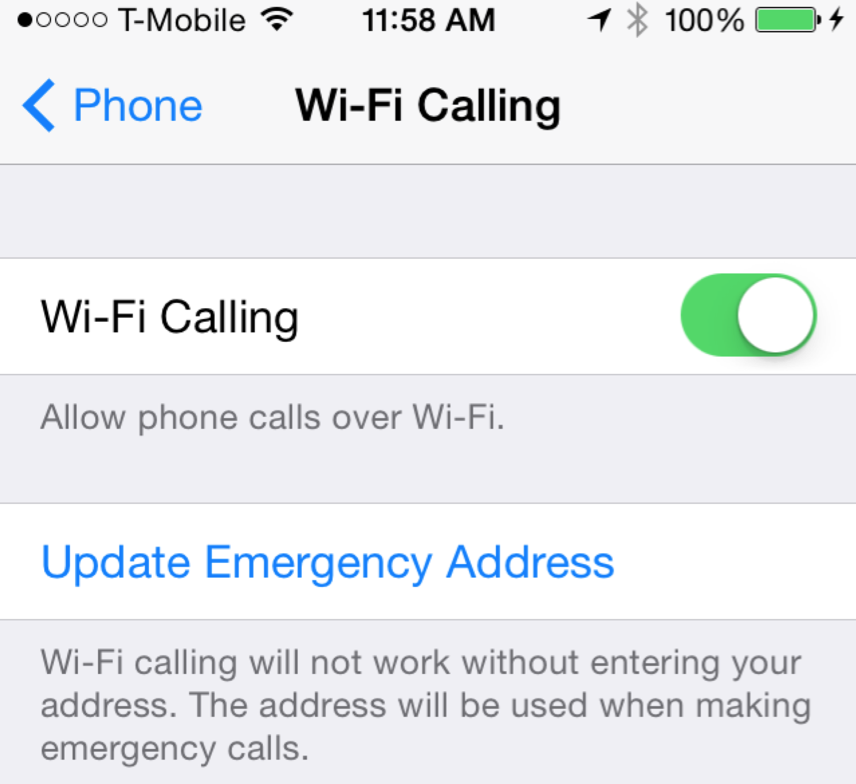
Besides adding performance and user-interface improvements, iOS 8 beta 3 has activated WiFi-calling for iPhones on T-Mobile in the United States. The feature, which was announced in June, brings the ability for T-Mobile customers to make phone calls on iPhones over a WiFi connection instead of a standard 3G or LTE connection. According to people who have used the feature on iOS 8 beta 3, the calls sound far better over WiFi than over cellular. The Setting for enabling WiFi calling is found under the Phone preferences in the Settings iPhone app. As can be seen in the image above, users are required to enter their physical address for emergencies for WiFi calling. This is presumably to assist emergency services for people who call for help over WiFi. Apple also discusses the feature in the iOS 8 beta 3 release notes:


Expand
Expanding
Close

Tim Cook ‘actively’ seeking to add new directors to Board

Site default logo image

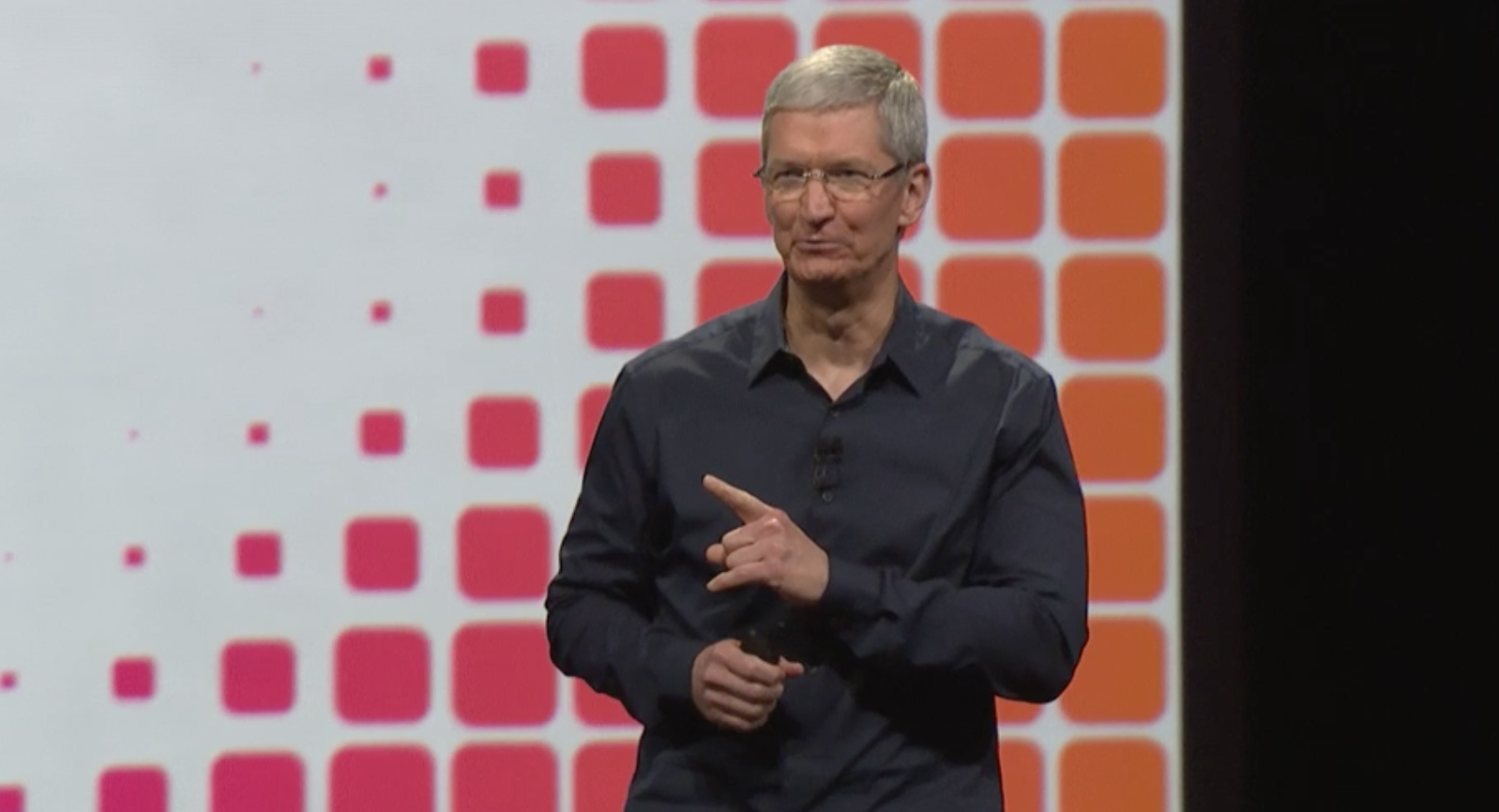
The Wall Street Journal today published a brief profile on Apple CEO Tim Cook as the Cupertino-based company continues to be shaped in the image of Cook rather than co-founder Steve Jobs. The profile has some interested tidbits, but it is otherwise light on new information aside from information regarding Cook’s plan for the Apple Board of Directors. According to the report, Cook is “actively” looking to add fresh faces to the Board:


Expand
Expanding
Close

iOS 8 beta 3 indicates iCloud Drive will also be accessible from iCloud.com

Site default logo image


iCloud Drive was first announced at WWDC. This feature is Apple’s new approach to iCloud file syncing, replacing Documents and Data. The new interface acts more like Dropbox, with one central folder containing all iCloud documents in one place. This gives more flexibility over the model used by iOS 7 and Mavericks, where iCloud documents are siloed within their own app’s containers.

At WWDC, Apple announced that iCloud Drive could be accessed from Mac, iOS devices or even PC’s (as shown by the iCloud Drive preview page). However, a new setup screen present in iOS 8 beta 3, released earlier today, shows that Apple is also planning to expose iCloud Drive on the web. Although people were surprised by native PC support, bringing iCloud Drive to the web enables even more flexibility, bridging any OS with a modern web browser.


Expand
Expanding
Close

Apple releases iOS 8 beta 3 to developers

Site default logo image

Apple has just released iOS 8 beta 3 build number 12A4318c to developers for the iPhone, iPad and iPod touch. The update is available in Software Update using the over-the-air update tool. Apple says the new beta brings various bug fixes and improvements. We’ll be updating this post as changes are found. You can send us what you find at tips@9to5Mac.com.


Expand
Expanding
Close

Site default logo image

Google’s co-founders on how the company differs from Apple

[youtube=https://www.youtube.com/watch?v=Wdnp_7atZ0M&start=1500]

In a ‘fireside chat’ with leading venture capitalist Vinod Khosla, Google co-founders Larry Page and Sergey Brin discuss everything from the moment they nearly sold the company to why they are cautious about moving into health technology. One interesting angle for Apple fans was how the two contrasted their approach to that of Apple.

Brin, who runs Google X, said that the experimental wing of the company was about making a number of bets and hoping that some of them paid off.

From my perspective – running Google X – that’s my job, is to invest in a number of opportunities, each one of which may be a big bet. […]

If you look at the self-driving cars, for example, I hope that that could really transform transportation around the world [but] it’s got many technical and policy risks. But if you are willing to make a number of bets like that, you’ve got to hope that some of them will pay off.

Page contrasted this approach with Apple, which focuses on a very small number of products.

I would always have this debate, actually, with Steve Jobs. He’d be like, ‘You guys are doing too much stuff.’ And I’d be like, ‘Yeah that’s true.’ And he was right, in some sense. But I think the answer to that – which I only came to recently, as we were talking about this stuff – is that if you’re doing things that are highly interrelated […] at some point, they have to get integrated.

Another difference between the two companies, say Page and Brin, is in their view of technology in the health sector. Apple’s long-awaited iWatch is of course believed to be equipped with multiple health and fitness sensors, and the Health app is a key feature of iOS 8. Google says that while it does have some health-related ambitions – such as glucose-reading contact lenses – it views the field with considerable caution.

Generally, health is just so heavily regulated. It’s just a painful business to be in. It’s just not necessarily how I want to spend my time. Even though we do have some health projects, and we’ll be doing that to a certain extent. But I think the regulatory burden in the U.S. is so high that think it would dissuade a lot of entrepreneurs.

You can watch the complete interview in the video above.

Foxconn prepares to replace workers with robots in iPhone 6 assembly process

Site default logo image

Photo: Thomson Reuters

Foxconn is preparing to enhance its assembly process with a new line of robots, the CEO of the iPhone manufacturer’s parent company said during a shareholder meeting. According to the executive, Apple will be the first company to reap the benefits of the new process, likely indicating that the iPhone 6 will be the first phone to be produced by the new machines.

Each of the planned 10,000 robots will cost the company between $20,000 and $25,000, and will be capable of churning out 300,000 smartphones on average. The machines, which are said to be in the final testing stages now, won’t be available for sale to other companies, according to CEO Terry Gou, as Foxconn will likely not have enough to meet its own needs.


Expand
Expanding
Close

Korean Fair Trade Commission rules that Apple must change App Store refund policy

Site default logo image

Apple has been ordered by the South Korean government to revise its App Store refund policy, the Korea Herald reports. The company’s current policy requires users to submit a request for a refund and have the case reviewed by an Apple employee before a refund will be considered.

The practice was ruled “unfair” by the Fair Trade Commission after numerous requests from the Citizens’ Coalition for Economic Justice. Apple told the Fair Trade Commission that it would create a new, automated refund system for the Korean App Store, and consider rolling the change out worldwide.


Expand
Expanding
Close

Apple to wipe all CloudKit data on July 7th, including iCloud Photos, Drive & Mail Drop for iOS 8 and Yosemite

Site default logo image

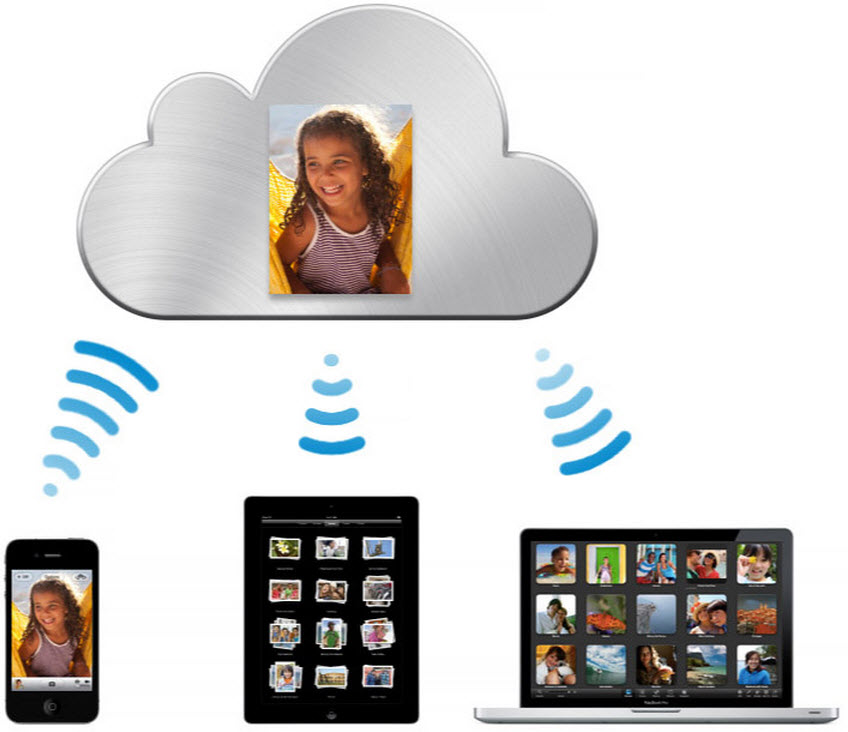
Apple has just informed developers that it will be wiping all CloudKit-based data stores on July 7th. This includes iCloud Photo Library, Mail Drop and iCloud Drive. Apple warned developers that this might happen with the release of the first iOS beta and it is not uncommon for wipes to happen several times during iOS and OS X beta cycles.

Dear Developer,

We will be performing a server-side data wipe on all CloudKit public and private databases for iOS 8 beta and OS X Yosemite Developer Preview users on July 7, 2014. The following iCloud features will be affected: iCloud Drive, iCloud Photo Library, and Mail Drop.

Photos and videos stored in iCloud Photo Library will remain on their original iOS 8 devices and will upload to iCloud Photo Library again automatically. iCloud Drive can be re-enabled from Set up Assistant after upgrade. If you choose to store your documents in iCloud Drive, your Documents & Data will automatically be copied to iCloud Drive. iCloud Drive will not update across earlier seeds or operating systems. Attachments sent through Mail Drop will expire and need to be resent after you upgrade.

If you have any questions, visit the Apple Developer Forums.

Best regards,
Apple Developer Technical Support

Affected files for Mail Drop and iCloud Drive will not transfer across automatically on the release of the next beta seed. Photos and videos will automatically restore, however, as they are not deleted from local storage. It is likely that new seeds of iOS 8 and OS X Yosemite will follow this data wipe, as new seeds of these operating systems are already due.


Expand
Expanding
Close