Mac

See All Stories

Apple’s Mac lineup consists of MacBook, MacBook Air, MacBook Pro, iMac, Mac Pro, and Mac Mini. The Mac runs macOS for its operating system.
Mac lineup

History

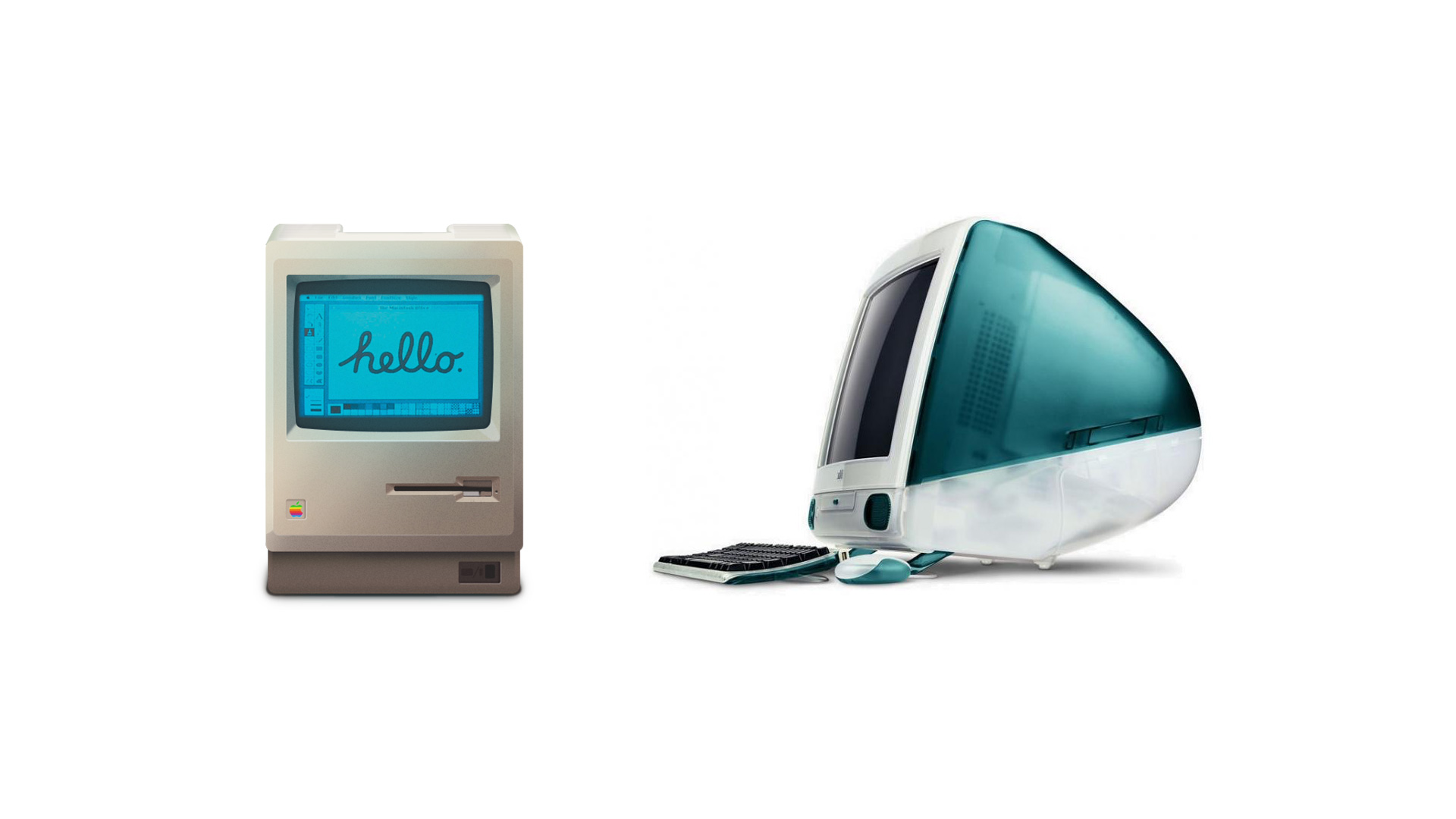
The Mac is Apple’s lineup of computers, and it can be considered the company’s oldest product. The name “Mac” comes from the original Macintosh, which was introduced in 1984 and is also considered the first personal computer for the masses to have a graphical user interface. The first Macintosh hit the stores on January 24, 1984, costing $2,945.

Among all these years, Apple has introduced many different Mac models, ranging from desktops to laptops to professional tower machines. The current lineup consists of the MacBook Air, MacBook Pro, Mac mini, iMac, and Mac Pro. However, there have been other Mac models were discontinued, such as the eMac, MacBook, and iMac Pro.

The history of modern Macs began in 1998, a year after Steve Jobs returned to Apple. Apple had dozens of Macintosh computers at that time, but Steve decided to rethink the entire lineup. In 1998, Apple announced the iMac G3, which ditched the floppy disk and serial ports in favor of USB connectors.
Macintosh and iMac G3.

Unlike the Macintosh, the first iMac was considered a huge success — not only for its technology, but also for its unique design with colorful translucent plastic. Apple quickly expanded the Mac lineup with other models, which included the iBook and PowerBook (which became the MacBook and MacBook Pro) and the PowerMac, which is now the Mac Pro.

macOS

What makes a Mac the Mac is the macOS operating system, which has also had a long history since the introduction of the first Macintosh. Initially called Mac OS, the operating system was rebuilt when Steve Jobs returned to Apple.

The first version of Mac OS X was released on March 24, 2001 with a new interface that is still present in some ways in current versions of macOS. Apple’s desktop operating system comes with many free applications such as Pages, Keynote, Numbers, iMovie, and GarageBand.

With macOS, users also have access to deep integrations with other Apple devices. For instance, you can answer calls and send SMS from your iPhone using your Mac. Handoff lets you switch from one device to the other and pick up where you left off. Apple Watch users can unlock their computer without entering a password, and you can even copy and paste between devices.
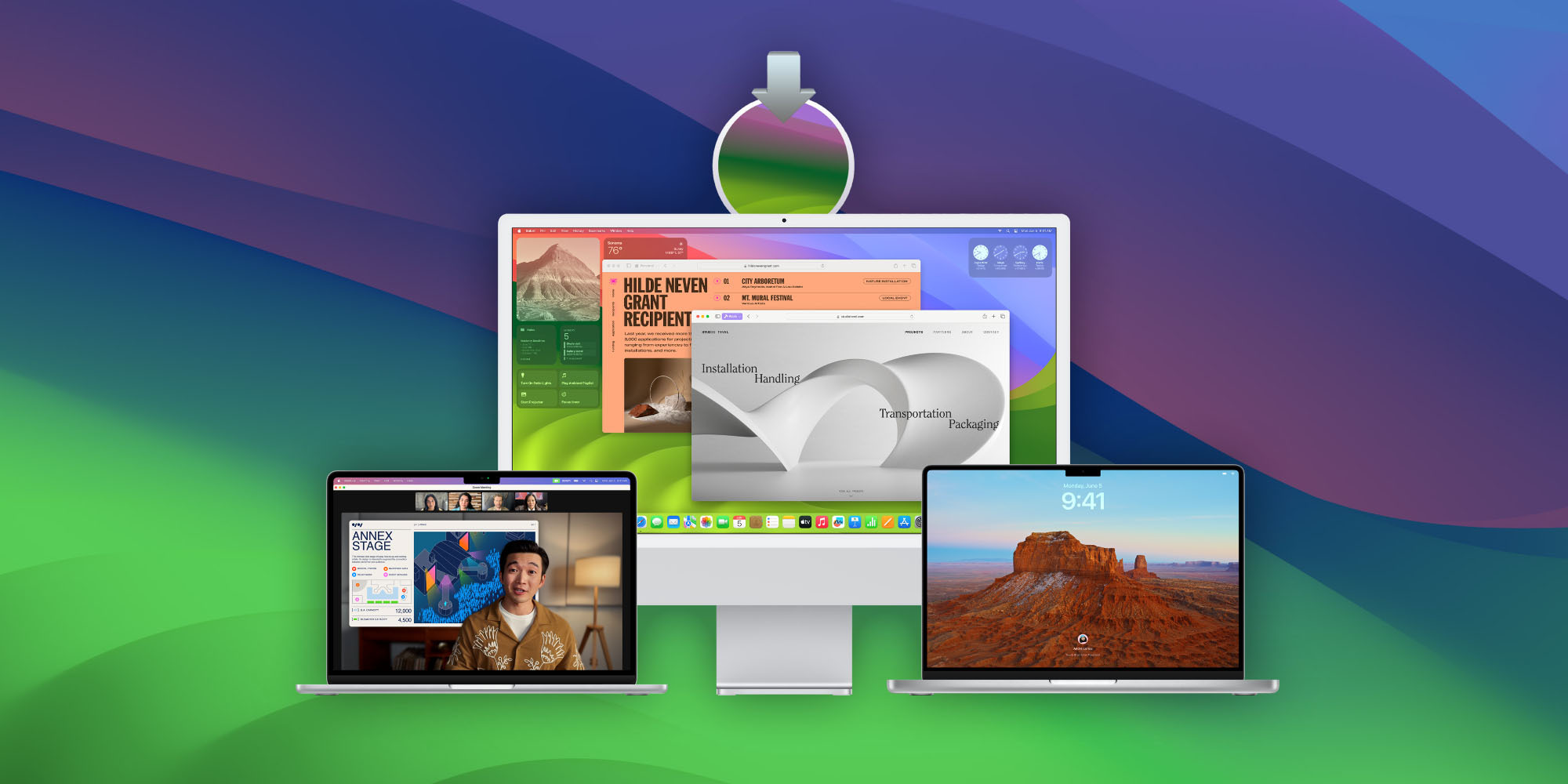
macOS Sonoma

Apple’s desktop operating system is also integrated with services offered by the company, such as iCloud, Apple Music, and Apple TV+.

The current version of macOS is Sonoma (version 14), which features new slow-motion screen savers, widgets on desktop, camera effects on FaceTime and other apps, web apps, passkey sharing, improved PDF support, and Game Mode. The update also comes with a new API that lets developers easily port Windows games to macOS.

Architecture Transitions

The Mac has had three major architecture transitions in its history. Apple’s first computers ran on Motorola processors, but the company decided to migrate to the new PowerPC platform in 1994. While this brought benefits at the time, the PowerPC processors were not delivering what Apple expected.

It was in 2005 that Apple confirmed the transition from PowerPC to Intel. Intel processors had become faster and more efficient than PowerPC, which enabled the development of new Mac computers that were more powerful and also more compact. Developers have been given access to a Developer Transition Kit running Mac OS X Tiger with Intel Pentium 4 to update their apps before the transition begins.
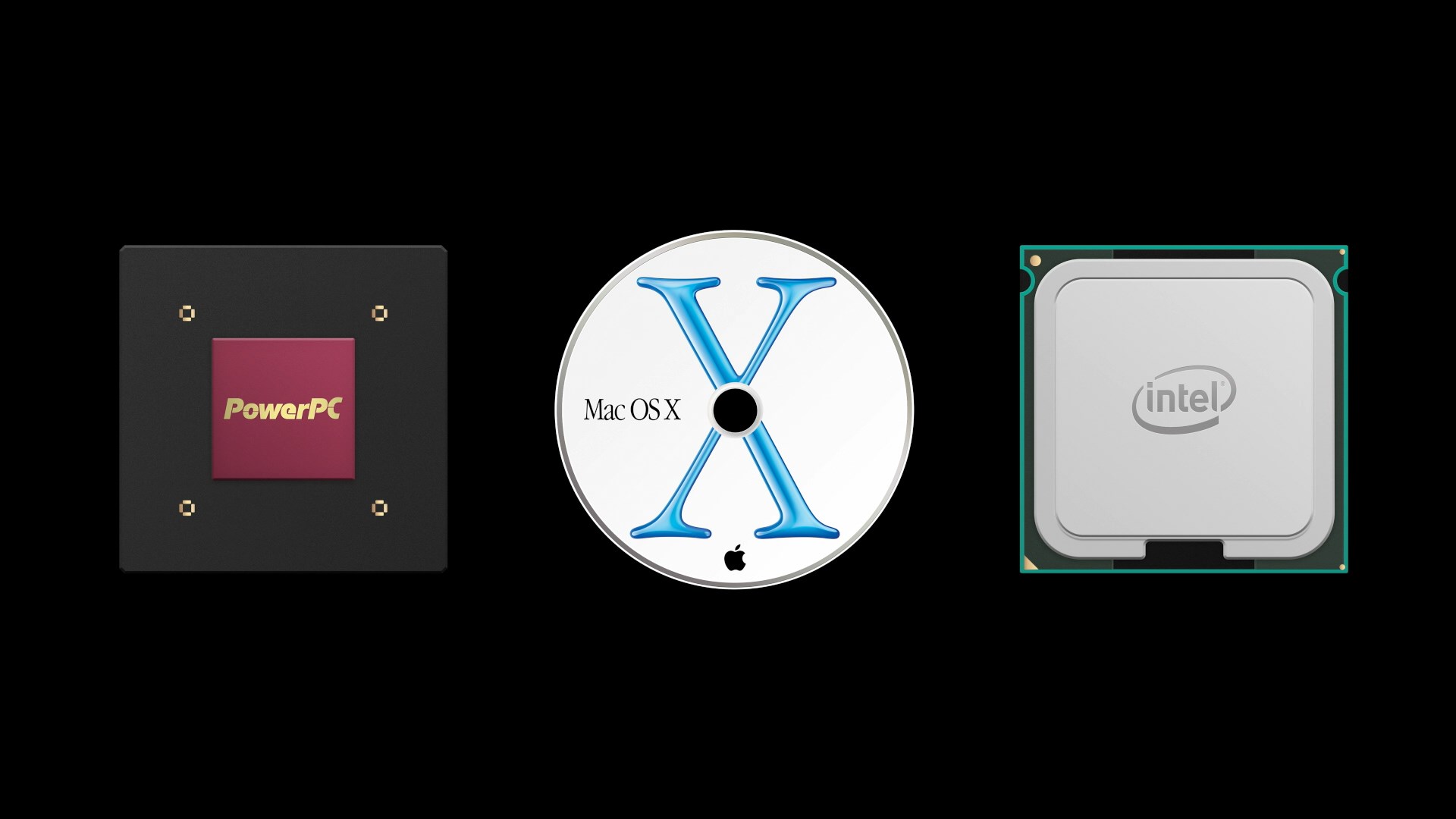
Power PC, Mac OS X, and Intel processor.

Apple said that the transition would begin in June 2006 and be finished by the end of 2007. However, the transition to Intel was fully completed in August 2006 when the company replaced the PowerMac with the new Intel Mac Pro.

As the years went by, Apple once again felt the need to have more powerful and efficient processors for its computers. This time, the company was already working on its own chips for the iPhone and iPad. In June 2020, Apple confirmed that it was changing the architecture of the Mac, now from Intel to ARM chips, which are called Apple Silicon.

Apple offered a Mac mini DTK running on the same A12Z Bionic chip as the 2020 iPad Pro. This way developers could once again update their apps ahead of the transition. In addition to being more powerful and energy efficient, the ARM architecture of Apple Silicon chips has enabled Macs to run iOS apps for the first time.
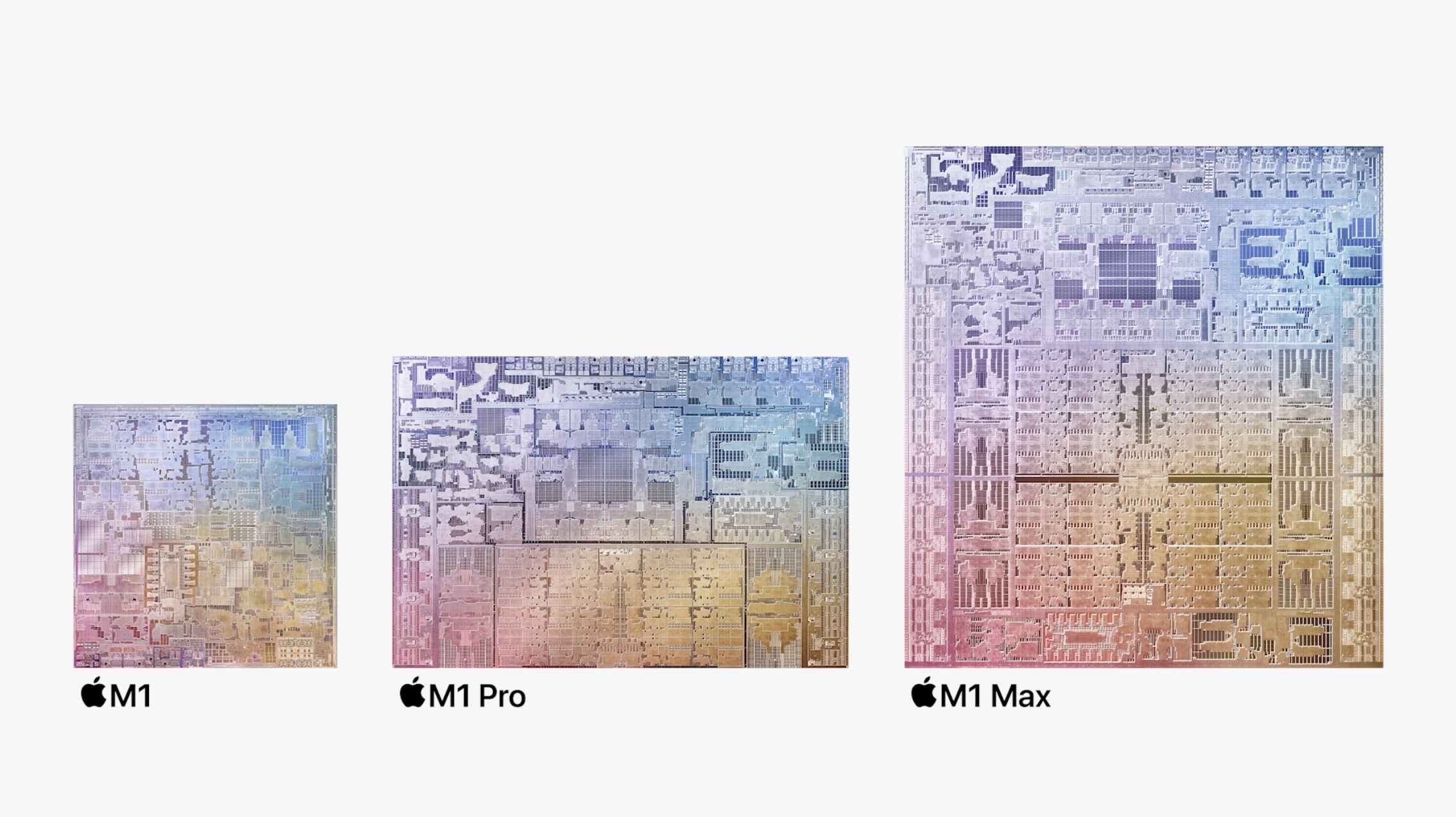
Apple M1 chip | Mac

The first Apple Silicon Macs were released in November 2020 with the M1 chip. The company later introduced more powerful variants of the M1 chip, called M1 Pro, M1 Max, and M1 Ultra. Macs with Apple Silicon have become known for being more powerful while consuming much less power, which has resulted in MacBooks with extended battery life.

In June 2022, Apple introduced the M2 chip, which is around 20% faster than the M1 and also supports more RAM. M2 also has more powerful variants: M2 Pro, M2 Max, and M2 Ultra.

Apple unveiled the M3, M3 Pro, and M3 Max chips in October 2023. The main highlight of this generation is the 3 nanometer technology, the same as the A17 Pro chip. The M3 family also features better GPUs with support for hardware-accelerated ray-tracing.

Current Mac lineup

Apple currently sells a variety of Mac computers, which includes MacBooks, Mac mini, iMac, and Mac Pro. While some of the Macs have already been updated with an Apple Silicon chip, others remain with Intel processors.

MacBook Air

The MacBook Air is Apple’s most affordable laptop and it has become popular for its light, compact design. The 2022 version is powered by the M2 chip and is offered with 8GB, 16GB, or 24GB of RAM. Plus, it has a new, edge-to edge 13.6-inch Retina display.

The laptop features Touch ID and has two Thunderbolt 3 compatible USB-C ports, a MagSafe connector for charging, and a headphone jack. Prices start at $1099 in the US. It’s offered in silver, space gray, starlight, and midnight.
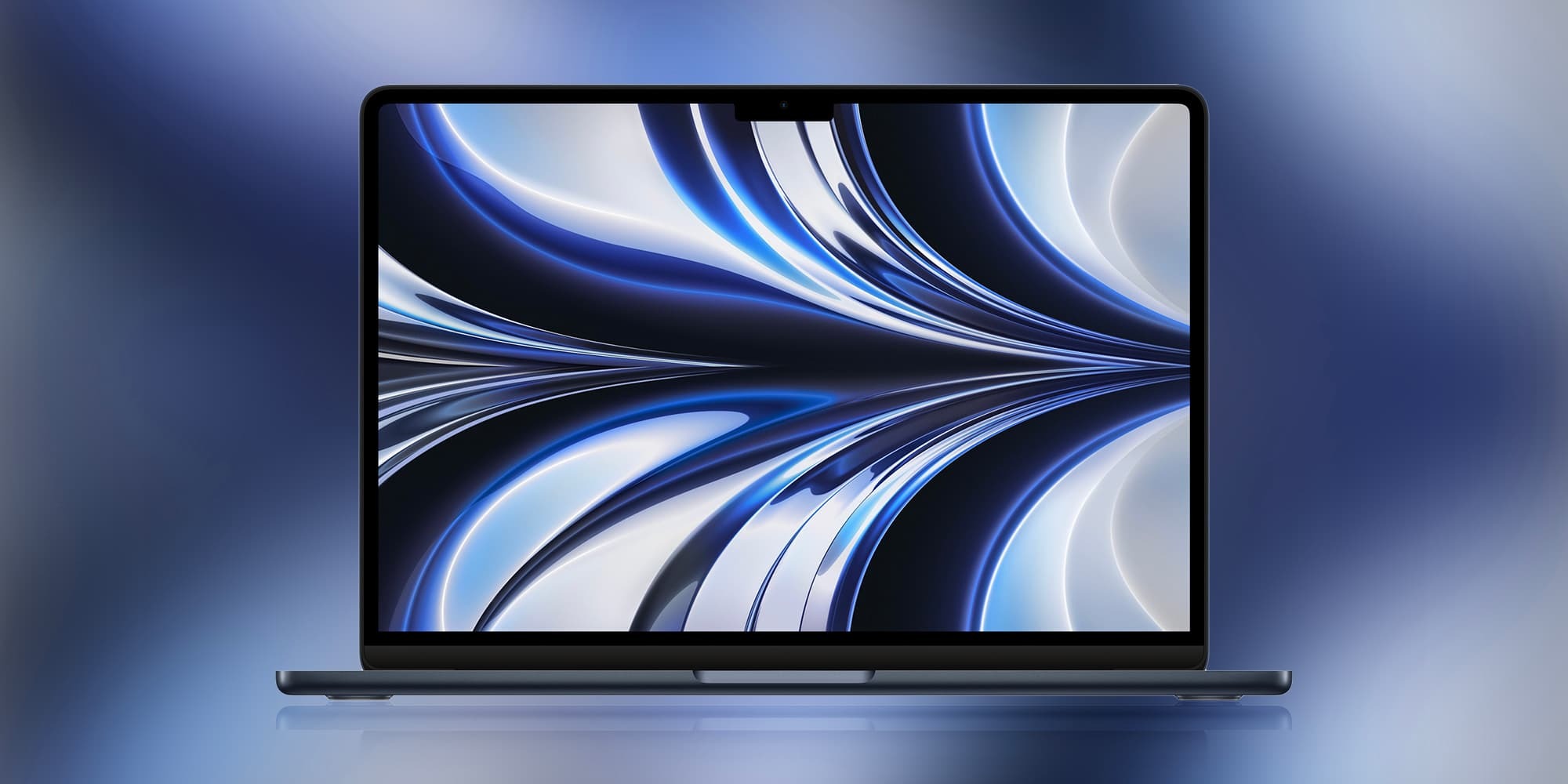
M2 MacBook Air.

A year later, Apple introduced the first 15-inch MacBook Air. It has essentially the same hardware as the smaller version with a similar design, but with a larger display. Prices start at $1299 in the US.Apple is still selling the M1 MacBook Air for prices starting at $999.

MacBook Pro

The 2023 MacBook Pro is available in multiple versions, and customers can choose between 14-inch and 16-inch screen sizes. For the first time, Apple has introduced a less expensive version of the 14-inch MacBook Pro with the base M3 chip. This version has the same design and display as the high-end versions, except that it only has two USB-C ports instead of three.
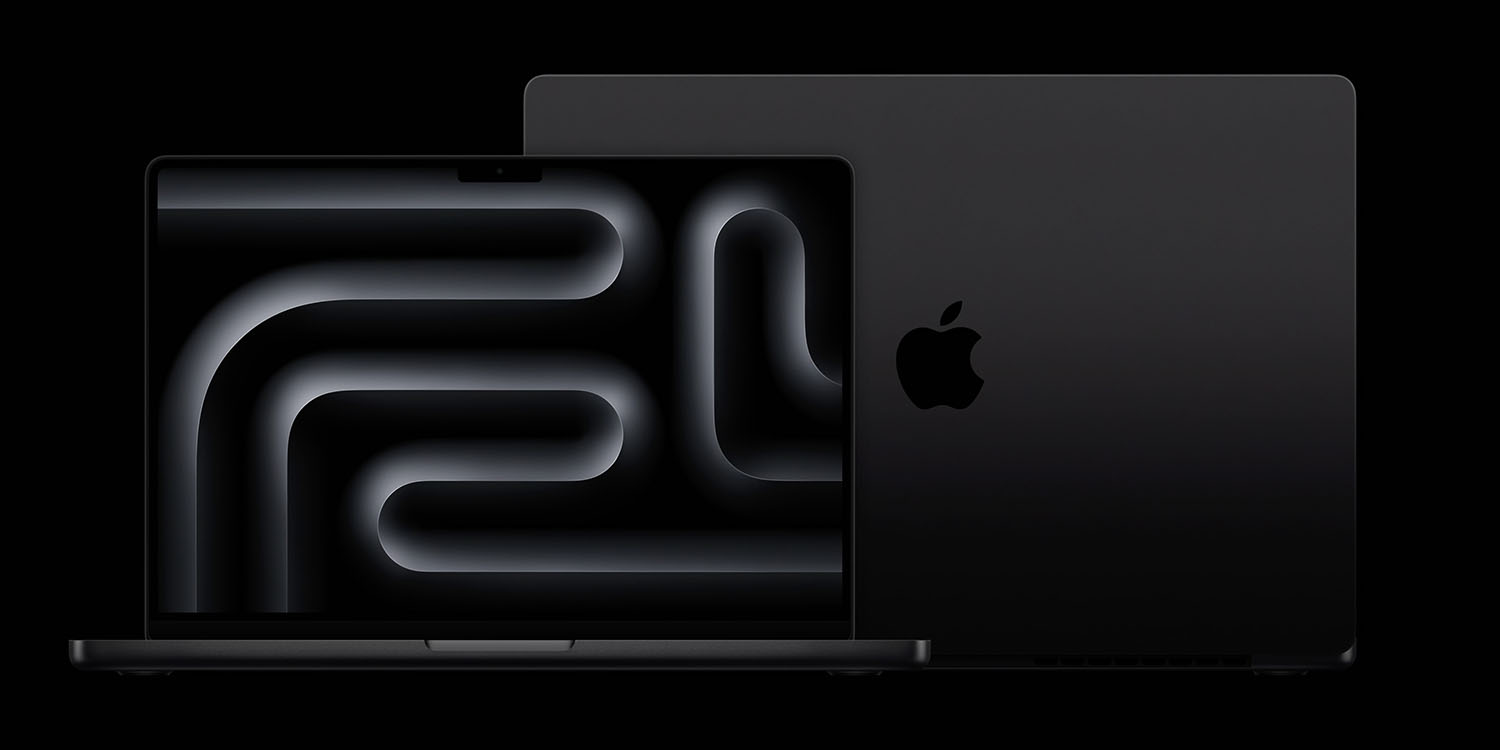
M3 MacBook Pro

The most expensive versions of the MacBook Pro are equipped with the more powerful M3 Pro and M3 Max chips. The laptop can be configured with up to 128GB of RAM and 8TB SSD. These versions also come in a new Space Black color.

Unlike the MacBook Air, the MacBook Pro comes with an HDMI port and an SD card reader. It also features MagSafe and Touch ID on the keyboard. Apple no longer sells MacBooks with the Touch Bar. Prices start at $1,599 in the US.

Mac mini

Mac mini is the cheapest Mac currently available since it’s basically a desktop without a built-in display or other peripherals. The base model with the M2 chip features one Ethernet port, two USB-C/Thunderbolt 4 ports, HDMI 2.0, two USB-A ports, and a headphone jack.

Apple sells a more powerful version of the Mac mini with the M2 Pro chip, which also comes with four USB-C ports instead of two. Mac mini can be configured with up to 32GB of RAM and up to 8TB of storage. Customers can also opt for a 10 Gigabit Ethernet port. The Apple Silicon Mac mini is only available in silver, while the now discontinued Intel model was available in space gray.
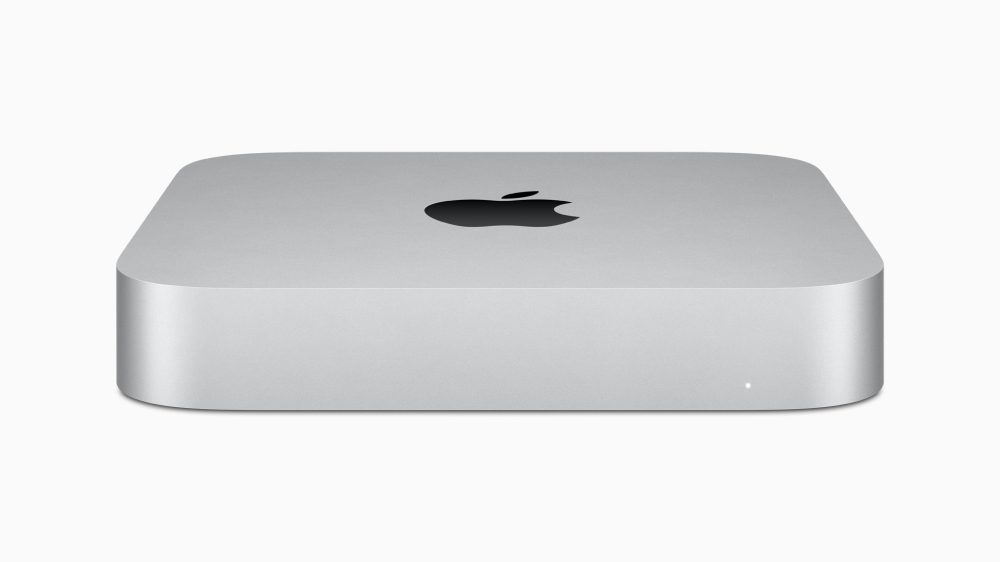
Apple Silicon Mac mini.

Prices for the Mac mini start at $599 in the US. Again, it’s worth noting that it doesn’t come with a keyboard or mouse in the box – you need to buy them separately or use your current ones.

Mac Studio

Mac Studio represents a new category between Mac mini and Mac Pro. It features a design based on the Mac mini, but with a taller body to support the more powerful hardware and also a better cooling system.

The new Mac Studio is targeted at professional users who work with demanding tasks such as video editing, 3D rendering, and machine learning. 

Embraced by creative pros everywhere, Mac Studio now delivers next-generation power in the form of the lightning-fast M2 Max and the boundary-breaking M2 Ultra. It packs outrageous performance and extensive connectivity in an unbelievably compact form, putting everything you need within easy reach and transforming any space into a studio.

By default, Mac Studio already comes with the M2 Max chip, 32GB of RAM, and 512GB SSD storage. A more expensive option lets users customize Mac Studio with M2 Ultra. While M2 Max has a 12-core CPU and a 30-core GPU, M2 Ultra doubles all of those specs. The new chip has a 24-core CPU and a 60-core GPU.

Mac Studio can also be configured with up to 192GB of RAM and 8TB of SSD storage. The machine offers up to six Thunderbolt ports, 10 Gigabit Ethernet, headphone jack, two USB-A ports, and one HDMI port.
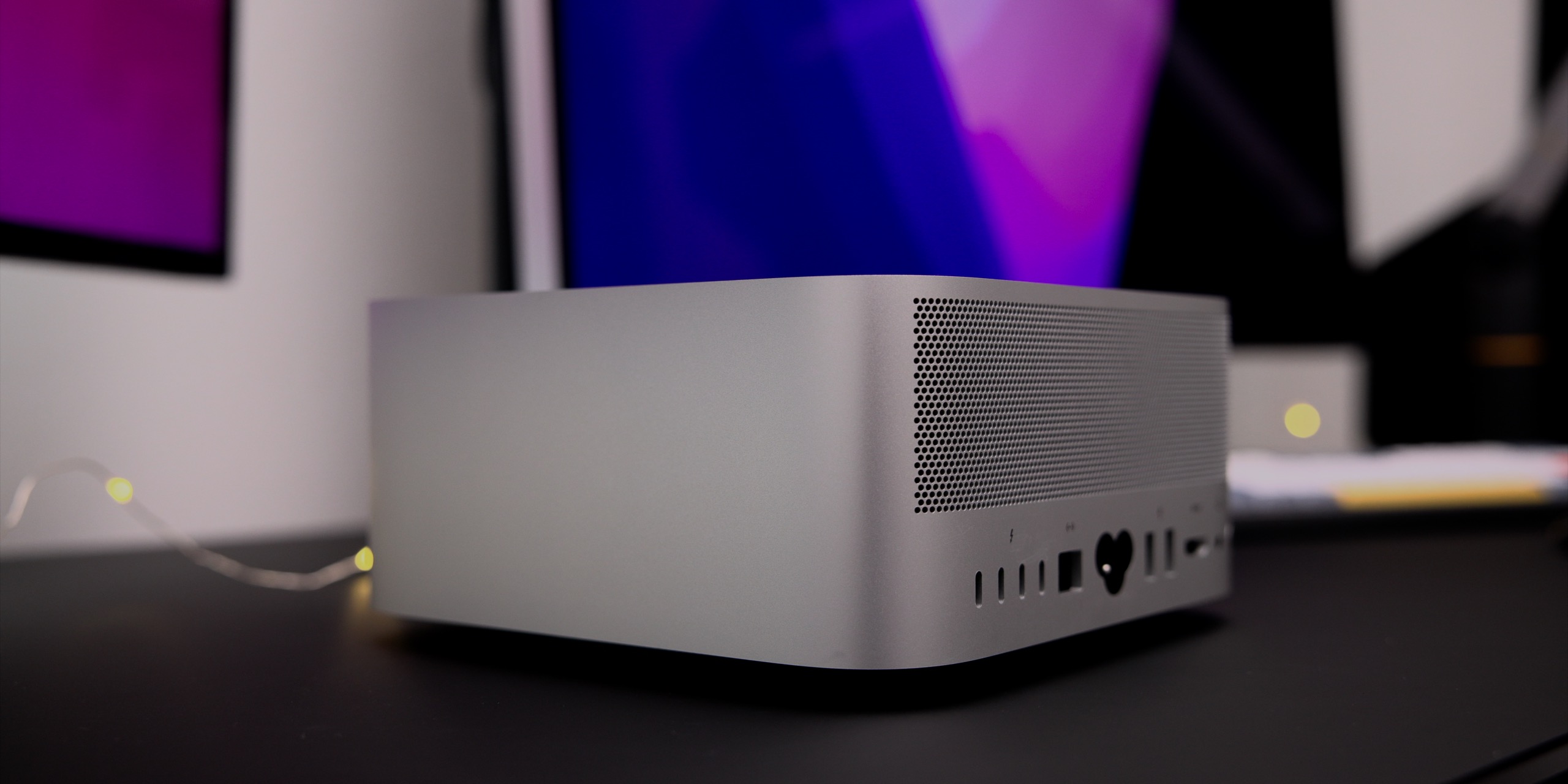
Mac Studio

Apple has been rumored to be working on new versions of this machine with the M3 Max and M3 Ultra chips. However, these versions may not be ready until 2025. Bloomberg’s Mark Gurman said in November last year that the M3 Ultra chip “hasn’t yet gone into broad testing” inside Apple.

In the US, prices for the Mac Studio with M2 Max chip start at $1999. The M2 Ultra chip version starts at $3999. Just like the Mac mini, Mac Studio doesn’t come with a keyboard and mouse in the box. You can find accessories for your Mac Studio here.

iMac

iMac is Apple’s most popular desktop computer with an all-in-one construction. It features a 4.5K display in its 24-inch version and a 5K display in the 27-inch version. At the same time, Apple still sells an entry-level iMac with a regular 1080p display.

The 24-inch iMac is the first to feature the M1 chip, the same as in the Mac mini, MacBook Air, and MacBook Pro. This allowed Apple to introduce a completely redesigned model with a slimmer design, which is also offered in seven new colors. Customers can customize the new 24-inch iMac with up to 16GB of RAM and 2TB of storage.
Site default logo image

The company ships the 24-inch iMac with Magic Mouse and Magic Keyboard, plus a Lightning cable for recharging accessories. Prices in the US start at $1299. Apple has discontinued its old 21.5-inch iMac and the 27-inch iMac 5K.

Mac Pro

Mac Pro is a computer built for professional users who depend on extremely powerful hardware. Available in tower and rack versions, it has a completely modular design. That means users can replace RAM, SSD, GPU, and other internal components.

By default, it features four USB-C/Thunderbolt 3 ports, two USB-A ports, and two 10Gb Ethernet ports. However, the ports can be expanded using the PCI Express slots. Apple also ships the computer with a Magic Mouse and Magic Keyboard, but it does not come with an external monitor included.

All models feature Intel Xeon W processors, which are the most powerful processors offered by Intel. Consumers can configure Mac Pro with up to 28-core processor, 1.5TB RAM, and 8TB of SSD storage. In addition to supporting multiple dedicated GPUs, Apple also offers the Afterburner card — which accelerates the decoding of ProRes videos.

The company recently updated the Mac Pro with new graphics card modules, which include Radeon Pro W6800X and Radeon Pro W6900X.

Site default logo image

Mac Pro prices start at $5999 in the US.

Rumors about upcoming Macs

Top stories about the Mac

Review: Apple’s Bluetooth keyboard becomes full-size w/ Satechi’s wireless aluminum keypad

Site default logo image

Satechi’s new Aluminum Wireless Keypad is the numeric keypad add-on Apple doesn’t make for its own wireless keyboard. Apple has a truly full-sized keyboard with the number/keypad option, but it’s only available as a wired keyboard. Its wireless Bluetooth keyboard, however, which it bundles with its Mac desktops and also sells separately, is shorter and doesn’t come with the old number pad.

That’s probably because the majority of users probably don’t miss it with the top number row suffice for occasional number input, so it’s understandable why Apple doesn’t pay much attention to it. But I personally like and miss the speed of using a keypad for quick commands in pro apps like Logic and punching in numbers in spreadsheets (it’s tax time…), so I’ve been testing Satechi’s new Aluminum Wireless Keypad that recently arrived.


Expand
Expanding
Close

This week’s top stories: iPhone SE & iPad Pro 9.7 reviews, iOS 9.3 troubles, iPhone 7 leaks, & Apple’s 40th b-day

Apple’s 40th birthday week came alongside some troubles for iOS 9.3, as our top stories this week surrounded a number of bugs, fixes and responses from Apple related to iOS 9.3 problems and the fix with the release of iOS 9.3.1.

But those issues were balanced out by our excitement over our first impressions with the new iPhone SE and 9.7-inch iPad Pro, as well as the latest leaks for iPhone 7 and other upcoming next-generation iPhones.


Expand
Expanding
Close

Apple invents ‘universal magnetic adapter’ to bring MagSafe to everything w/ a single port

Yesterday we detailed an Apple patent showing work on a stackable Smart Connector plug of sorts. Today we get a look at a similar invention aimed at making the I/O on future devices more versatile with Apple’s invention of a “Universal Magnetic Adapter” that could allow for more future-proof devices using only a single port. As pictured in the drawing accompanying the patent above, the technology allows for a single port that uses magnetic inserts as adapters for your various devices. Or in other words, MagSafe for everything using a single port and adapters for the various connectors.

In its patent, Apple describes the problem with the current mess of adapters and cables users have to deal:


Expand
Expanding
Close

Many Mac users unable to log in to iMessage & FaceTime after updating to OS X 10.11.4

Site default logo image

Apple earlier this week released the public stable version of OS X 10.11.4, but for a number of users the update process has been less than pleasant. A plethora of users are voicing issues on Apple’s support forums centered around logging in to iMessage and FaceTime following the update to OS X 10.11.4 El Capitan.


Expand
Expanding
Close

References to ‘early 2016 12-inch MacBook’ seen in latest OS X Server version

Site default logo image

Update: Pike’s Universum has done some more digging and discovered which processors Apple plans to use in its 12-inch MacBooks this year:

  • Intel® Core™ m3-6Y30 Processor (4M Cache, up to 2.20 GHz)
  • Intel® Core™ m5-6Y54 Processor (4M Cache, up to 2.70 GHz)
  • Intel® Core™ m7-6Y75 Processor (4M Cache, up to 3.10 GHz)

Earlier this week Apple introduced a new 4-inch iPhone SE, a smaller iPad Pro, and all new Apple Watch bands at its ‘Let us loop you in’ March event. Just as we expected, news about any update in the MacBook line wasn’t announced. But thanks to a tipster, we’re now discovering references to an ‘early 2016’ 12-inch MacBook with Retina display, which is presumably a follow up to the first generation hardware released last April.


Expand
Expanding
Close

Apple reportedly set to introduce new, thinner, 13 inch and 15 inch MacBooks by July

Digitimes has a mixed track record of reliability with regard to Apple rumors, but its latest report gels with expectations. The report claims Apple is preparing new 13 inch and 15 inch MacBooks to launch in the summer, by July. Although the publication does not say this, it indicates that new MacBook Pros are on the horizon perhaps debuting at WWDC, Apple’s developer conference.

Given Intel’s CPU roadmap, Apple laptops featuring the new Skylake processors are due. Therefore, it is not that much of a stretch to believe this report. A key feature of Skylake is power efficiency, which would allow Apple to make dramatically thinner laptops.


Expand
Expanding
Close

OS X 10.11.4 is now available, Mac gains Live Photos on Messages + secure Notes & more; iTunes 12.3.3 out as well

Site default logo image

Apple has officially released the OS X 10.11.4 El Capitan update through the Mac App Store. The software update is available for all Macs capable of running OS X 10.11. The Mac update delivers new features including Live Photo viewing and sharing through iMessage using the Messages app as well as secure password support for individual notes in the Notes app.


Expand
Expanding
Close

Apple may need to find new WiFi chip supplier as Broadcom reportedly scales back production

Apple may be left needing to find a new supplier of WiFi chips if a Digitimes report is accurate. The report claims that Broadcom is scaling back its WiFi chip production in favor of more profitable products.

As is often the case with Digitimes reports, the report is unclear, the opening stating that Broadcom is ‘looking to phase out its WiFi chip business’ while a quote ascribed to unnamed sources says instead that it plans to ‘significantly reduce resources allocated to its Wi-Fi chip business.’

Either way, though, Apple may need to find additional or replacement suppliers as it relies on the company’s chips across almost its entire product range. It’s reported that competitors MediaTek, Realtek Semiconductor and RDA Microelectronics have all received last-minute orders from Broadcom customers. It’s not known whether this includes Apple.

Photo: Broadcom WiFi Airport Card for Retina MacBook Pro (Aliexpress)

How-To: Remap Windows keyboards to match the Mac keyboard layout

Site default logo image

Over the last few days I’ve been finding myself using a keyboard designed for Windows users on my Mac. The reason behind such a change was that my MacBook Pro’s keyboard was causing wrist pain. The shallow key travel of the MacBook’s keyboard is partly to blame.

I just so happened to have an AmazonBasics wired keyboard available thanks to my recent Hackintosh build, so I decided to use it with my Mac. Immediately, I could sense relief in my wrists, but because this was a keyboard designed for Windows and not for Mac, the switch presented a whole new problem.
Expand
Expanding
Close

Notability gets improved Apple Pencil support, new themes, copy & paste for pages, more

Popular note taking and annotation app Notability is getting an update today for both iPad and Mac that includes improved Apple Pencil support, new themes, copy & paste for pages, and more.

For the iOS app, version 6.2.0 brings enhanced Apple Pencil integration that adds supports for improved palm rejection and one finger scrolling. “With these improvements, Notability offers the most fluid writing experience on iPad Pro, so customers can focus more easily on their ideas and notes. In addition, the update supports copy and pasting pages between notes, saving time.”

In addition, the updated iOS app is receiving some refreshed themes today for the spring season that users can find tucked under settings, and a new “define” button for non-English languages.

And Mac users are also getting the ability to copy and paste pages between notes with today’s update to version 2.2.0 of the Mac app. Other new features in the update include an “improved text box insertion on PDFs” and the same Define button for non-English languages that the updated iOS app received. 

The updated Notability apps for iPad and for Mac are available on the App Store now.

What’s New in Version 6.2.0

– Copy and paste individual pages into another note.
– One finger scrolling when using Apple Pencil.
– New Spring theme in settings.
– Define button for non-English languages.
– Bug fixes.

What’s New in Version 2.2.0

– Copy and paste pages into another note.
– Define button for non-English languages.
– Improved Text Box insertion on PDFs.
– Bug fixes.

Buy Parallels ($49-$79) & get 7 Mac apps free: 1Password, Parallels Access, & more (Reg. $269)

Starting today, Parallels is offering a new bundle for a limited time that will let you get 81% off 7 great Mac apps with the purchase or upgrade of Parallels Desktop for Mac ($50-$79).

That means if you either purchase Parallels Desktop for $79.99, or upgrade to the latest version for $49.99, you’ll get the following 7 apps free: 1Password, CleanMyMac, Kaspersky for Mac, PDF Expert, PDF Office for iPad & Parallels Access.

Get the Parallels Power Bundle now


Expand
Expanding
Close

Future MacBook SSDs could get even faster as Mac compatibility confirmed for super-fast Optane tech

Apple’s PCIe SSDs are already very fast, in part due to the Non-Volatile Memory Express (NVMe) protocol used in the latest MacBooks, which dramatically reduces latency times. But future models could get even faster as MacWorld notes that the very latest SSD tech is compatible with NVMe.


Expand
Expanding
Close

Neat plug adapter turns Mac and iPad chargers into slimline units that fit behind your sofa

As Gizmodo observed, Apple puts a lot of thought into product design, but seems to forget everything it knows when it comes to power adapters (with one exception). The standard Mac adapter sticks out about half a mile from the wall, which can be a pain when the socket is behind a sofa. Ten One Design has a solution in the form of Blockhead.


Expand
Expanding
Close

Happy Hour Podcast 057 | Apple gets social, Macs for ransom, and iOS 10 wishlists

This week Apple joined Twitter. Yep. Along with that, Zac and Benjamin discuss OS X’s first ransomware, and later on we’ll go over our iOS 10 wishlist and talk about what Apple needs to make the next version better than ever. The Happy Hour podcast is available for download on iTunes and through our dedicated RSS feed. Big thanks to Harry’s this episode.

[soundcloud url=”https://api.soundcloud.com/tracks/251054382″ params=”auto_play=false&hide_related=false&show_comments=true&show_user=true&show_reposts=false&visual=true” width=”100%” height=”150″ iframe=”true” /]


Expand
Expanding
Close

OWC introduces Aura PCIe flash storage upgrades for late model MacBook Pros and MacBook Airs

Site default logo image

Today, aftermarket Mac upgrade specialists OWC announced that the long-awaited PCIe flash storage upgrades for late model Mac laptops are now available. MacBook Pro, as far back as the Late-2013 product cycle, and MacBook Air, as far back as the Mid-2013 product cycle, are eligible to upgrade. Upgrades include a 480GB or a 1TB PCIe-based flash storage solution.

Considering that many of these Macs shipped with anemic 128GB or 256GB SSDs, this can be considered a major upgrade. For instance, with MacBook Airs that featured 128GB of flash storage space, a 1TB upgrade equals 8x the storage space, a significant increase in eligible storage.
Expand
Expanding
Close

Yoink: A great utility for moving files around OS X [Video]

Site default logo image

Yoink is a utility available on the Mac App Store that I find to be extremely useful. When you begin dragging a file on a Mac with Yoink installed, the utility’s interface appears on the side of the screen. Yoink serves as a temporary holding area for files on your Mac as you move them between apps, folders, and wherever else in the Finder.

There are few apps that I consider to be must-haves on OS X, but Yoink is certainly one of them. Moving files around the Mac is easier with Yoink installed, especially if you make the most of using full screen apps. Watch our video walkthrough inside to see how.
Expand
Expanding
Close

First OS X ransomware detected in the wild, will maliciously encrypt hard drives on infected Macs [Update: How to fix]


Update: Version 2.92 of Transmission has now been released. This claims to actively remove the ‘KeyRanger’ malware files from the infected Mac.

OS X users have today been hit with the first known case of Mac ‘ransomware’ malware, found in the Transmission BitTorrent client released last week. Infected versions of the app include ‘KeyRanger’ malware that will maliciously encrypt the user’s hard drive after three days of being installed. The malware then asks for payment to allow the user to decrypt the disk and access their data — the ‘ransom’.


Expand
Expanding
Close

Final Cut Pro X: Getting started with Library management and organization [Video]

Site default logo image

Final Cut Pro X has gone through a lot of changes since it first debuted as a reboot back in 2011. Since then, the app has grown up significantly, but it’s been able to retain its relatively low barrier to entry in the process. Final Cut Pro X is remarkably simple to learn, but it has a fairly high ceiling for growth.

In this initial tutorial, I’m going to cover some of the basics about one of the fundamental aspects of Final Cut Pro X: library management. Knowing how Libraries are created and what they contain is extremely important. It’s one of the first steps in really getting to know Final Cut Pro X.
Expand
Expanding
Close