Mac

See All Stories

Apple’s Mac lineup consists of MacBook, MacBook Air, MacBook Pro, iMac, Mac Pro, and Mac Mini. The Mac runs macOS for its operating system.
Mac lineup

History

The Mac is Apple’s lineup of computers, and it can be considered the company’s oldest product. The name “Mac” comes from the original Macintosh, which was introduced in 1984 and is also considered the first personal computer for the masses to have a graphical user interface. The first Macintosh hit the stores on January 24, 1984, costing $2,945.

Among all these years, Apple has introduced many different Mac models, ranging from desktops to laptops to professional tower machines. The current lineup consists of the MacBook Air, MacBook Pro, Mac mini, iMac, and Mac Pro. However, there have been other Mac models were discontinued, such as the eMac, MacBook, and iMac Pro.

The history of modern Macs began in 1998, a year after Steve Jobs returned to Apple. Apple had dozens of Macintosh computers at that time, but Steve decided to rethink the entire lineup. In 1998, Apple announced the iMac G3, which ditched the floppy disk and serial ports in favor of USB connectors.
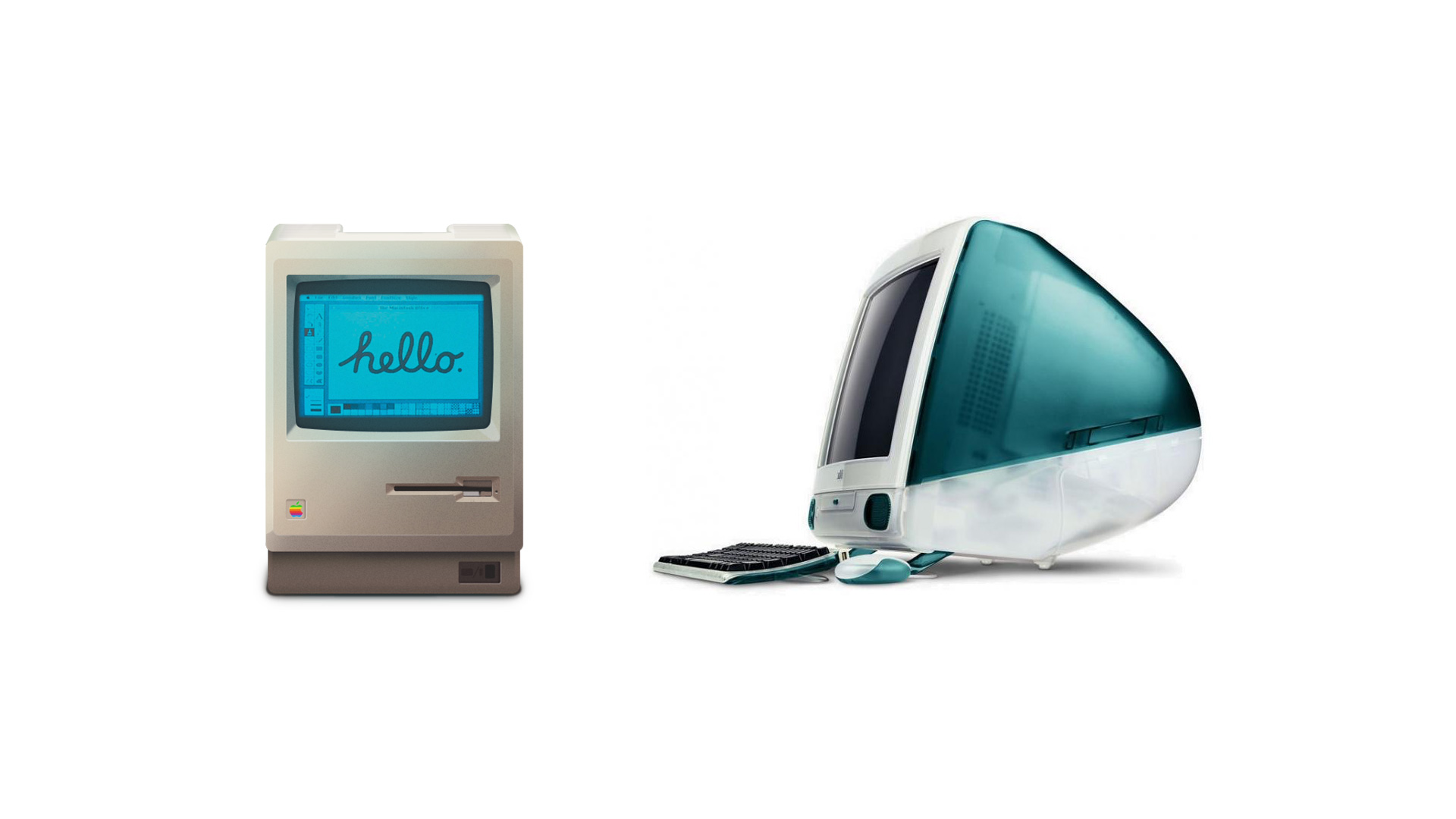
Macintosh and iMac G3.

Unlike the Macintosh, the first iMac was considered a huge success — not only for its technology, but also for its unique design with colorful translucent plastic. Apple quickly expanded the Mac lineup with other models, which included the iBook and PowerBook (which became the MacBook and MacBook Pro) and the PowerMac, which is now the Mac Pro.

macOS

What makes a Mac the Mac is the macOS operating system, which has also had a long history since the introduction of the first Macintosh. Initially called Mac OS, the operating system was rebuilt when Steve Jobs returned to Apple.

The first version of Mac OS X was released on March 24, 2001 with a new interface that is still present in some ways in current versions of macOS. Apple’s desktop operating system comes with many free applications such as Pages, Keynote, Numbers, iMovie, and GarageBand.

With macOS, users also have access to deep integrations with other Apple devices. For instance, you can answer calls and send SMS from your iPhone using your Mac. Handoff lets you switch from one device to the other and pick up where you left off. Apple Watch users can unlock their computer without entering a password, and you can even copy and paste between devices.
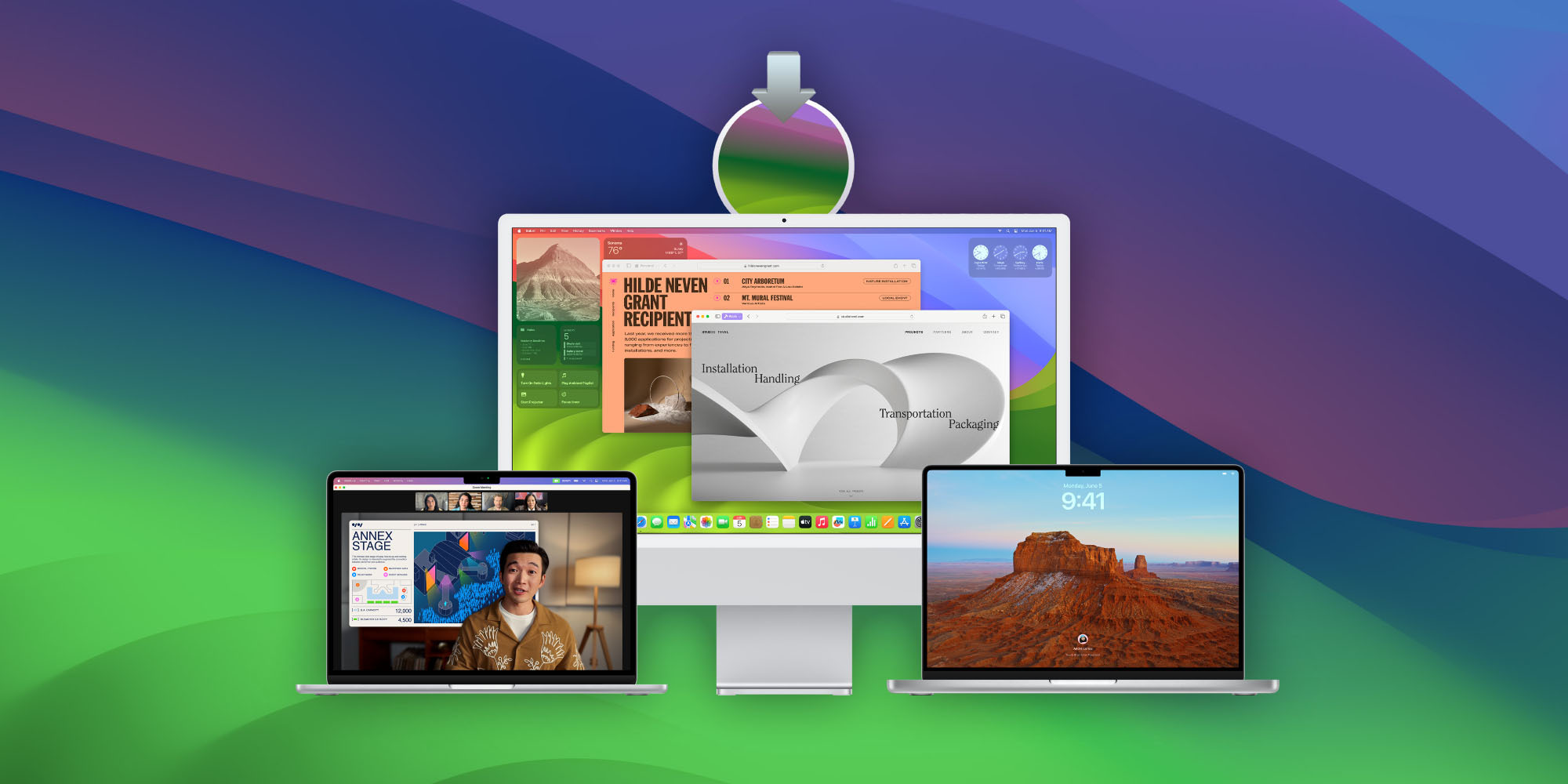
macOS Sonoma

Apple’s desktop operating system is also integrated with services offered by the company, such as iCloud, Apple Music, and Apple TV+.

The current version of macOS is Sonoma (version 14), which features new slow-motion screen savers, widgets on desktop, camera effects on FaceTime and other apps, web apps, passkey sharing, improved PDF support, and Game Mode. The update also comes with a new API that lets developers easily port Windows games to macOS.

Architecture Transitions

The Mac has had three major architecture transitions in its history. Apple’s first computers ran on Motorola processors, but the company decided to migrate to the new PowerPC platform in 1994. While this brought benefits at the time, the PowerPC processors were not delivering what Apple expected.

It was in 2005 that Apple confirmed the transition from PowerPC to Intel. Intel processors had become faster and more efficient than PowerPC, which enabled the development of new Mac computers that were more powerful and also more compact. Developers have been given access to a Developer Transition Kit running Mac OS X Tiger with Intel Pentium 4 to update their apps before the transition begins.
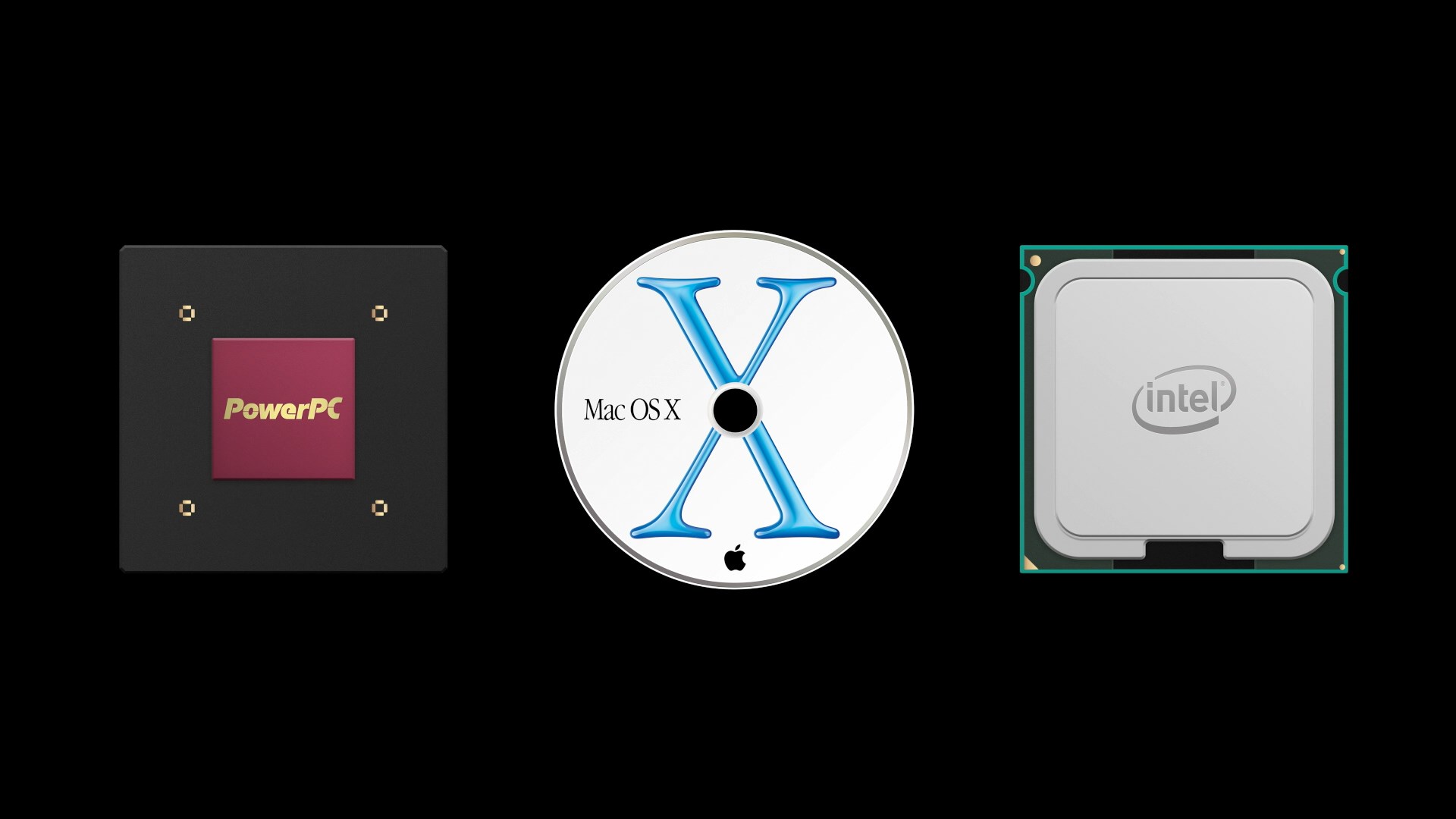
Power PC, Mac OS X, and Intel processor.

Apple said that the transition would begin in June 2006 and be finished by the end of 2007. However, the transition to Intel was fully completed in August 2006 when the company replaced the PowerMac with the new Intel Mac Pro.

As the years went by, Apple once again felt the need to have more powerful and efficient processors for its computers. This time, the company was already working on its own chips for the iPhone and iPad. In June 2020, Apple confirmed that it was changing the architecture of the Mac, now from Intel to ARM chips, which are called Apple Silicon.

Apple offered a Mac mini DTK running on the same A12Z Bionic chip as the 2020 iPad Pro. This way developers could once again update their apps ahead of the transition. In addition to being more powerful and energy efficient, the ARM architecture of Apple Silicon chips has enabled Macs to run iOS apps for the first time.
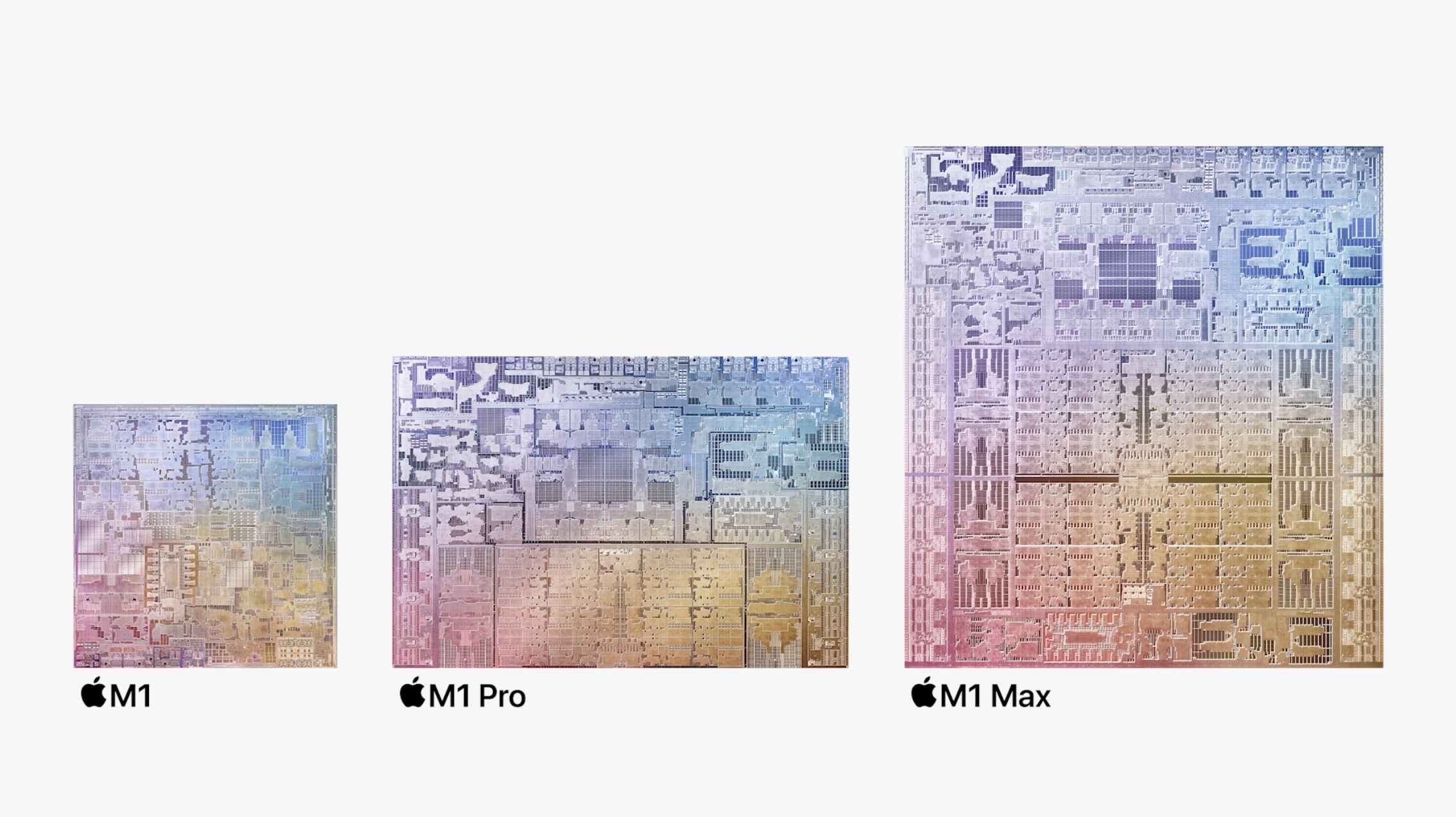
Apple M1 chip | Mac

The first Apple Silicon Macs were released in November 2020 with the M1 chip. The company later introduced more powerful variants of the M1 chip, called M1 Pro, M1 Max, and M1 Ultra. Macs with Apple Silicon have become known for being more powerful while consuming much less power, which has resulted in MacBooks with extended battery life.

In June 2022, Apple introduced the M2 chip, which is around 20% faster than the M1 and also supports more RAM. M2 also has more powerful variants: M2 Pro, M2 Max, and M2 Ultra.

Apple unveiled the M3, M3 Pro, and M3 Max chips in October 2023. The main highlight of this generation is the 3 nanometer technology, the same as the A17 Pro chip. The M3 family also features better GPUs with support for hardware-accelerated ray-tracing.

Current Mac lineup

Apple currently sells a variety of Mac computers, which includes MacBooks, Mac mini, iMac, and Mac Pro. While some of the Macs have already been updated with an Apple Silicon chip, others remain with Intel processors.

MacBook Air

The MacBook Air is Apple’s most affordable laptop and it has become popular for its light, compact design. The 2022 version is powered by the M2 chip and is offered with 8GB, 16GB, or 24GB of RAM. Plus, it has a new, edge-to edge 13.6-inch Retina display.

The laptop features Touch ID and has two Thunderbolt 3 compatible USB-C ports, a MagSafe connector for charging, and a headphone jack. Prices start at $1099 in the US. It’s offered in silver, space gray, starlight, and midnight.
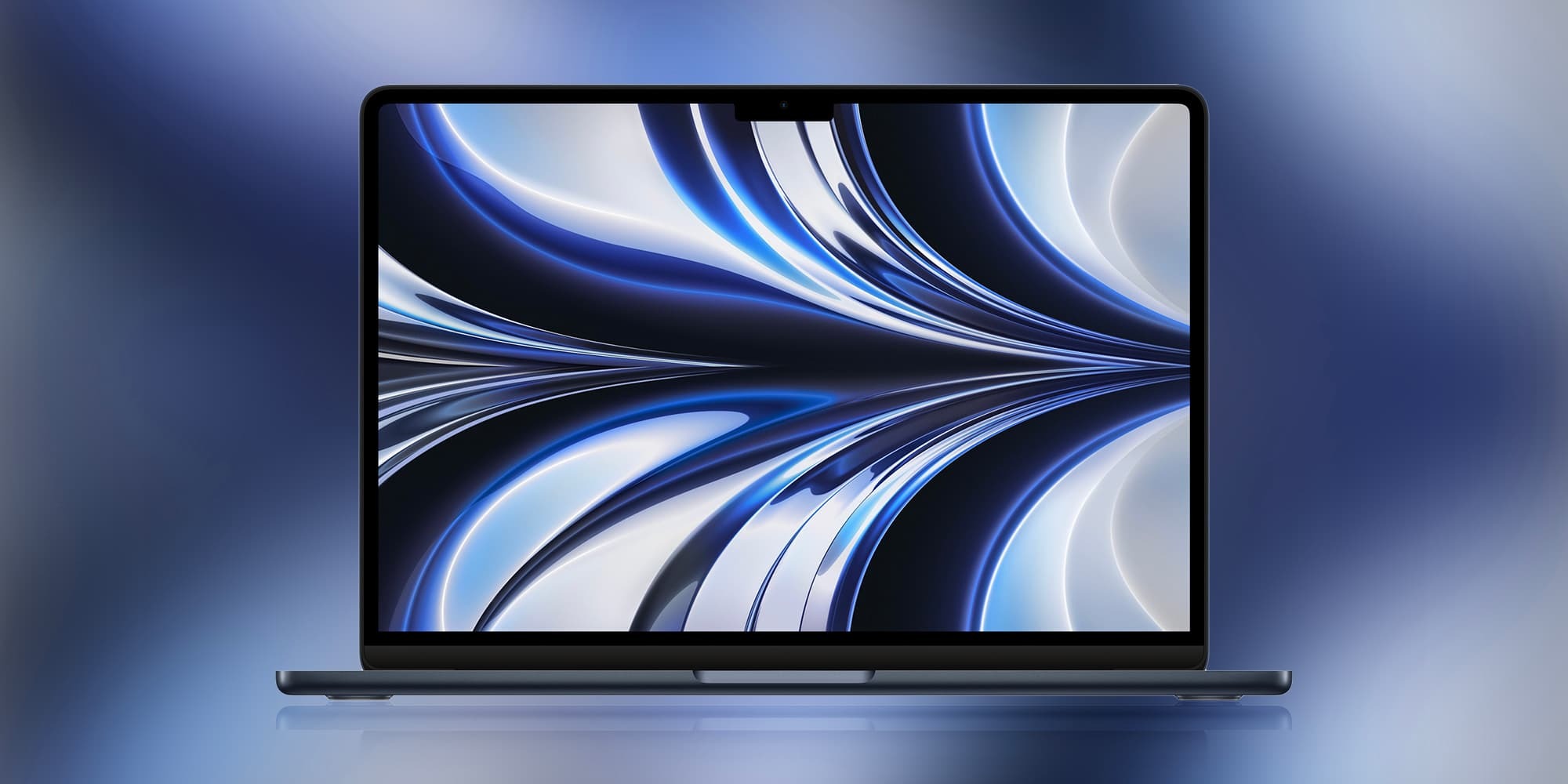
M2 MacBook Air.

A year later, Apple introduced the first 15-inch MacBook Air. It has essentially the same hardware as the smaller version with a similar design, but with a larger display. Prices start at $1299 in the US.Apple is still selling the M1 MacBook Air for prices starting at $999.

MacBook Pro

The 2023 MacBook Pro is available in multiple versions, and customers can choose between 14-inch and 16-inch screen sizes. For the first time, Apple has introduced a less expensive version of the 14-inch MacBook Pro with the base M3 chip. This version has the same design and display as the high-end versions, except that it only has two USB-C ports instead of three.
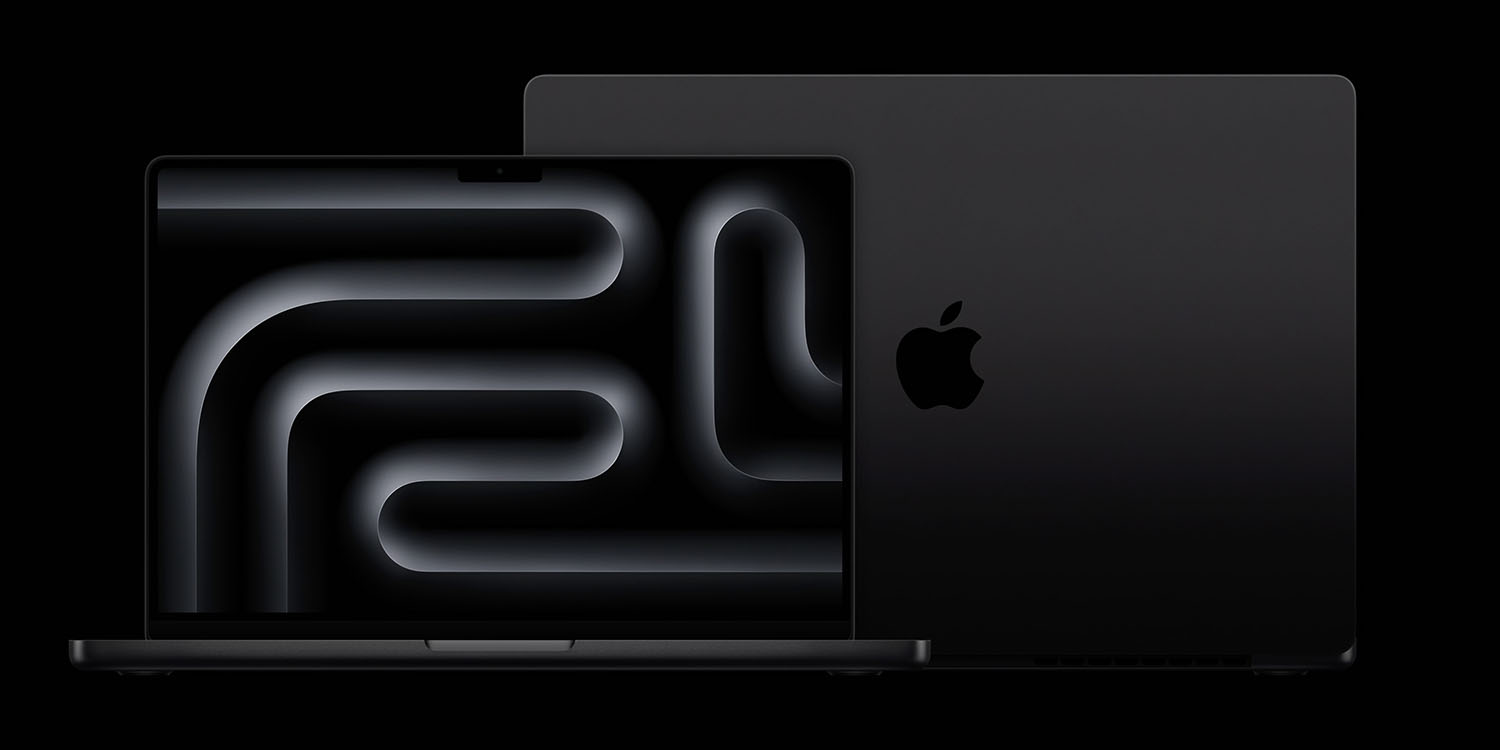
M3 MacBook Pro

The most expensive versions of the MacBook Pro are equipped with the more powerful M3 Pro and M3 Max chips. The laptop can be configured with up to 128GB of RAM and 8TB SSD. These versions also come in a new Space Black color.

Unlike the MacBook Air, the MacBook Pro comes with an HDMI port and an SD card reader. It also features MagSafe and Touch ID on the keyboard. Apple no longer sells MacBooks with the Touch Bar. Prices start at $1,599 in the US.

Mac mini

Mac mini is the cheapest Mac currently available since it’s basically a desktop without a built-in display or other peripherals. The base model with the M2 chip features one Ethernet port, two USB-C/Thunderbolt 4 ports, HDMI 2.0, two USB-A ports, and a headphone jack.

Apple sells a more powerful version of the Mac mini with the M2 Pro chip, which also comes with four USB-C ports instead of two. Mac mini can be configured with up to 32GB of RAM and up to 8TB of storage. Customers can also opt for a 10 Gigabit Ethernet port. The Apple Silicon Mac mini is only available in silver, while the now discontinued Intel model was available in space gray.
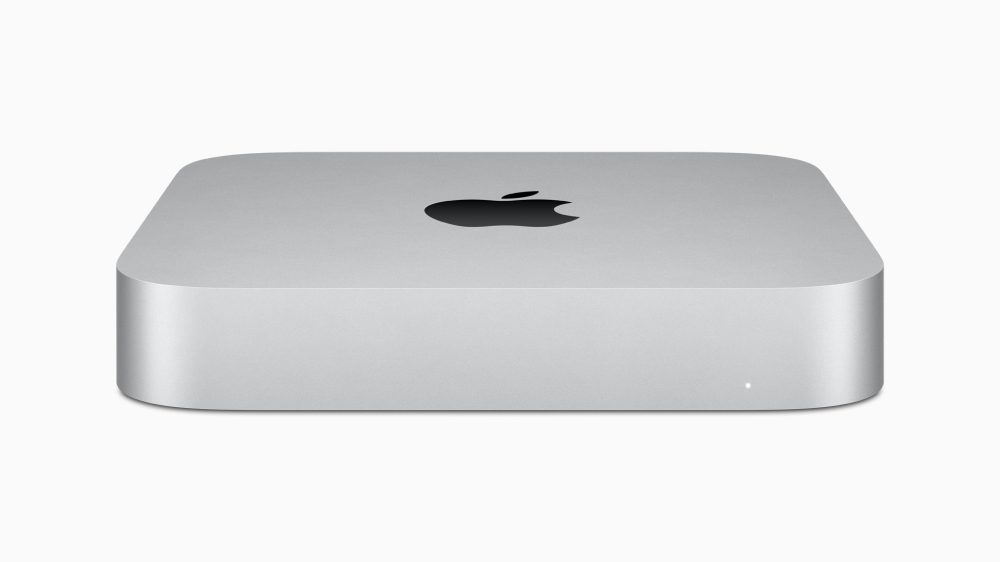
Apple Silicon Mac mini.

Prices for the Mac mini start at $599 in the US. Again, it’s worth noting that it doesn’t come with a keyboard or mouse in the box – you need to buy them separately or use your current ones.

Mac Studio

Mac Studio represents a new category between Mac mini and Mac Pro. It features a design based on the Mac mini, but with a taller body to support the more powerful hardware and also a better cooling system.

The new Mac Studio is targeted at professional users who work with demanding tasks such as video editing, 3D rendering, and machine learning. 

Embraced by creative pros everywhere, Mac Studio now delivers next-generation power in the form of the lightning-fast M2 Max and the boundary-breaking M2 Ultra. It packs outrageous performance and extensive connectivity in an unbelievably compact form, putting everything you need within easy reach and transforming any space into a studio.

By default, Mac Studio already comes with the M2 Max chip, 32GB of RAM, and 512GB SSD storage. A more expensive option lets users customize Mac Studio with M2 Ultra. While M2 Max has a 12-core CPU and a 30-core GPU, M2 Ultra doubles all of those specs. The new chip has a 24-core CPU and a 60-core GPU.

Mac Studio can also be configured with up to 192GB of RAM and 8TB of SSD storage. The machine offers up to six Thunderbolt ports, 10 Gigabit Ethernet, headphone jack, two USB-A ports, and one HDMI port.
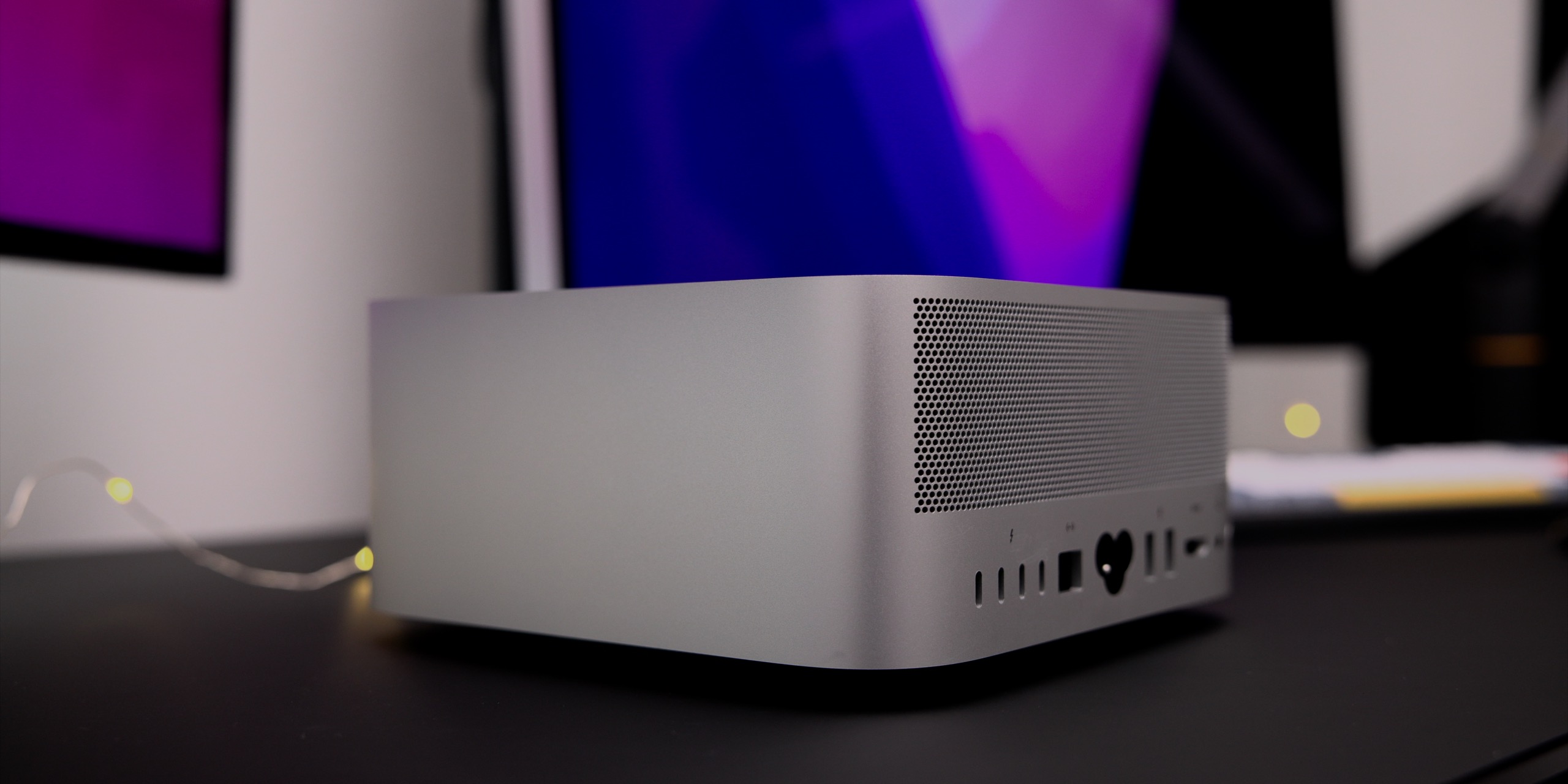
Mac Studio

Apple has been rumored to be working on new versions of this machine with the M3 Max and M3 Ultra chips. However, these versions may not be ready until 2025. Bloomberg’s Mark Gurman said in November last year that the M3 Ultra chip “hasn’t yet gone into broad testing” inside Apple.

In the US, prices for the Mac Studio with M2 Max chip start at $1999. The M2 Ultra chip version starts at $3999. Just like the Mac mini, Mac Studio doesn’t come with a keyboard and mouse in the box. You can find accessories for your Mac Studio here.

iMac

iMac is Apple’s most popular desktop computer with an all-in-one construction. It features a 4.5K display in its 24-inch version and a 5K display in the 27-inch version. At the same time, Apple still sells an entry-level iMac with a regular 1080p display.

The 24-inch iMac is the first to feature the M1 chip, the same as in the Mac mini, MacBook Air, and MacBook Pro. This allowed Apple to introduce a completely redesigned model with a slimmer design, which is also offered in seven new colors. Customers can customize the new 24-inch iMac with up to 16GB of RAM and 2TB of storage.
Site default logo image

The company ships the 24-inch iMac with Magic Mouse and Magic Keyboard, plus a Lightning cable for recharging accessories. Prices in the US start at $1299. Apple has discontinued its old 21.5-inch iMac and the 27-inch iMac 5K.

Mac Pro

Mac Pro is a computer built for professional users who depend on extremely powerful hardware. Available in tower and rack versions, it has a completely modular design. That means users can replace RAM, SSD, GPU, and other internal components.

By default, it features four USB-C/Thunderbolt 3 ports, two USB-A ports, and two 10Gb Ethernet ports. However, the ports can be expanded using the PCI Express slots. Apple also ships the computer with a Magic Mouse and Magic Keyboard, but it does not come with an external monitor included.

All models feature Intel Xeon W processors, which are the most powerful processors offered by Intel. Consumers can configure Mac Pro with up to 28-core processor, 1.5TB RAM, and 8TB of SSD storage. In addition to supporting multiple dedicated GPUs, Apple also offers the Afterburner card — which accelerates the decoding of ProRes videos.

The company recently updated the Mac Pro with new graphics card modules, which include Radeon Pro W6800X and Radeon Pro W6900X.

Site default logo image

Mac Pro prices start at $5999 in the US.

Rumors about upcoming Macs

Top stories about the Mac

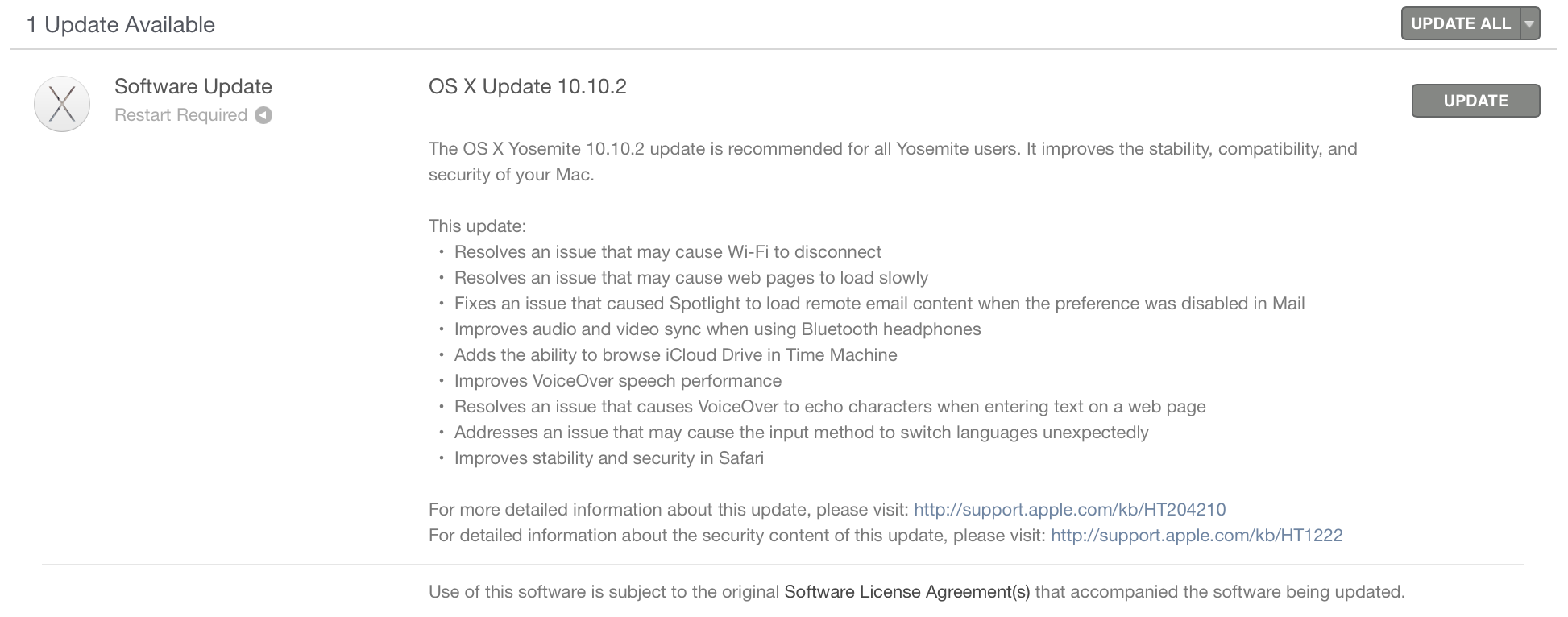
Apple releases OS X Yosemite 10.10.2 with WiFi fixes, iCloud Drive in Time Machine

Site default logo image

In line with our report from earlier this week, Apple has released OS X Yosemite 10.10.2 via the Mac App Store. The update brings the changes that we detailed in our previous report:

  • Resolves an issue that may cause WiFi to disconnect
  • Resolves an issue that may cause web pages to load slowly
  • Fixes an issue that caused Spotlight to load remote email content when the preference was disabled in Mail
  • Improves audio and video sync when using Bluetooth headphones
  • Adds the ability to browse iCloud Drive in Time Machine
  • Improves VoiceOver speech performance
  • Resolves an issue that causes VoiceOver to echo characters when entering text on a web page
  • Addresses an issue that may cause the input method to switch languages unexpectedly
  • Improves stability and security in Safari

Apple also released iOS 8.1.3 with various bug fixes today.


Expand
Expanding
Close

1Password for iOS adds one-time password tool for two factor auth, new login creator, more

Site default logo image

The popular secure password management app 1Password is out with a big update today adding new features on both iOS and Mac. Arriving in version 5.2 of 1Password for iOS is a new login creator tool, a one-time password tool for use with two factor auth, new entry fields for pro users, and more. On the Mac side, 1Password version 5.1 was released adding a number of improvements to sync. This includes the ability to sync secondary vaults to iOS over WiFi. More on the major new features below:


Expand
Expanding
Close

AAPL earnings will come in well above upper end of company’s guidance, say analysts, at $68.3B

Site default logo image

Fortune has done its usual analyst poll ahead of Apple announcing its Q1 earnings tomorrow, and Wall Street is expecting the company to significantly out-perform its earnings guidance of $63.5 to $66.5B.

The consensus among the analysts Fortune polled — 20 professionals and 15 amateurs — is that Apple’s total sales for fiscal Q1 2015 will come in at about $68.3 billion, up 21% year over year.

That would be $1.8B above the upper end of the expectations Apple set back in October … 
Expand
Expanding
Close

Twitter’s war on developers continues: Tweetbot for Mac falls victim to token limit, gets pulled from App Store

Site default logo image

In November, 9to5Mac brought you an exclusive interview on Twitter’s limitations on third-party developers with the Iconfactory’s Gedeon Maheux. In the original article, Maheux said that development on Twitterrific 5 for Mac had stalled due to Twitter’s strict limits on how many users can login to a particular application.

While Twitterrific 5 is the first application to have been stuck in development because of these limits, another popular client seems to have claimed the title of the first Twitter app for Mac to run into the token ceiling: Tweetbot.


Expand
Expanding
Close

Tim Cook agreed to allow Chinese government to conduct security audits on Apple devices – local media

Site default logo image

Beijing News reports that Tim Cook has agreed to allow China’s State Internet Information Office to carry out security audits of Apple products sold in the country. Cook reportedly made the offer during his meeting with China’s Cyberspace Administration minister Lu Wei in December.

China has long expressed suspicion over the security of Apple products, seemingly resulting from frosty relations with the U.S. Government. A state-run TV station in China described the iPhone as a “national security concern” last July due to its location-tracking capabilities. Apple responded by pointing out that location data is stored on the phone, not on Apple’s servers, and is encrypted … 
Expand
Expanding
Close

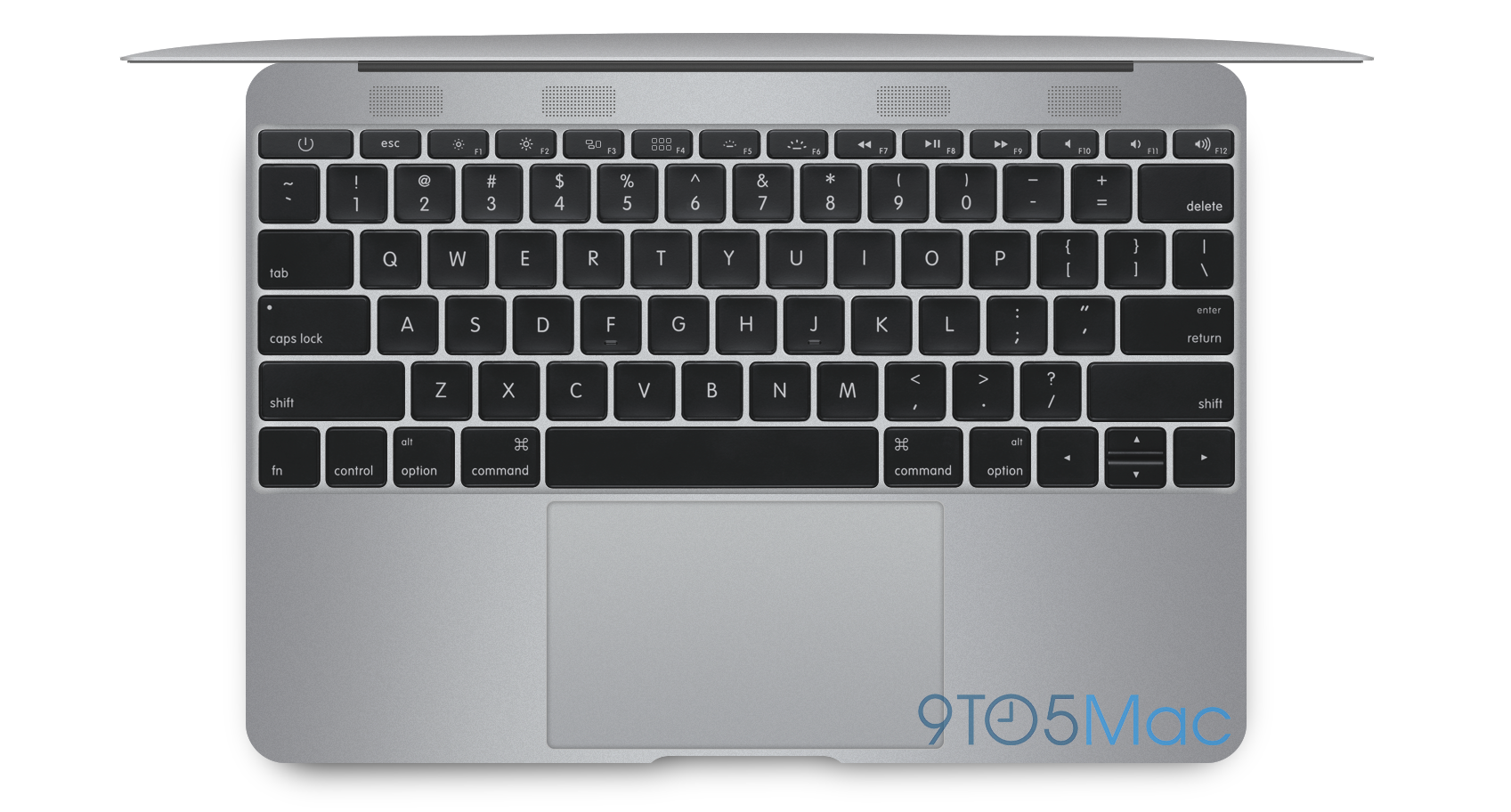
Alleged photos of 12-inch MacBook Air lid and display appear online

Site default logo image

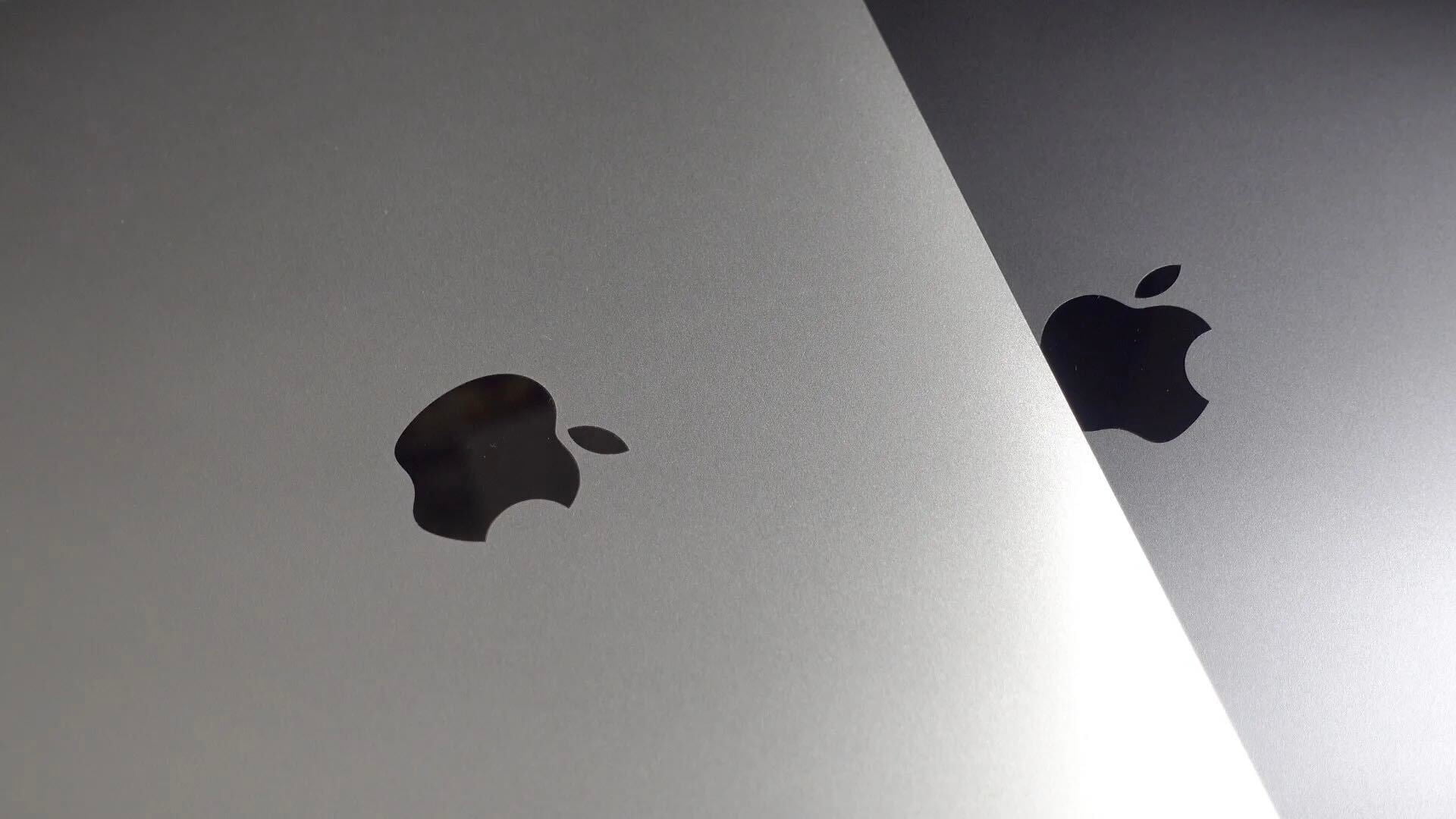
Photos of what is claimed to be the lid and display for the upcoming 12-inch MacBook Air have been published by iFanr. 9to5Mac exclusively reported earlier this month that Apple was planning to launch a mid-size variant of its notebook computer lineup, and these photos seem to provide even further evidence of that being that the case.

The legitimacy of the photos has not been determined, but you can see several additional photos below, including shots comparing it to current Apple devices such as the iPad and existing MacBooks.


Expand
Expanding
Close

Amazon releases Kindle Textbook Creator for Mac, a cross-platform iBooks Author competitor

Site default logo image

Apple first released its iBooks Author Mac app for creating interactive textbooks for the iBooks Store back in 2012, and now Amazon is delivering its own textbook composing Mac app for publishing to the Kindle Store. Kindle Textbook Creator, announced today, is available in beta for both Mac and PC with the competitive benefit of publishing to the cross-platform Kindle Store, which is available on iOS, Mac, Android, and more.
Expand
Expanding
Close

Review: CalDigit’s Mac hub Thunderbolt Station 2 competes on pricing, size, and build quality

Site default logo image

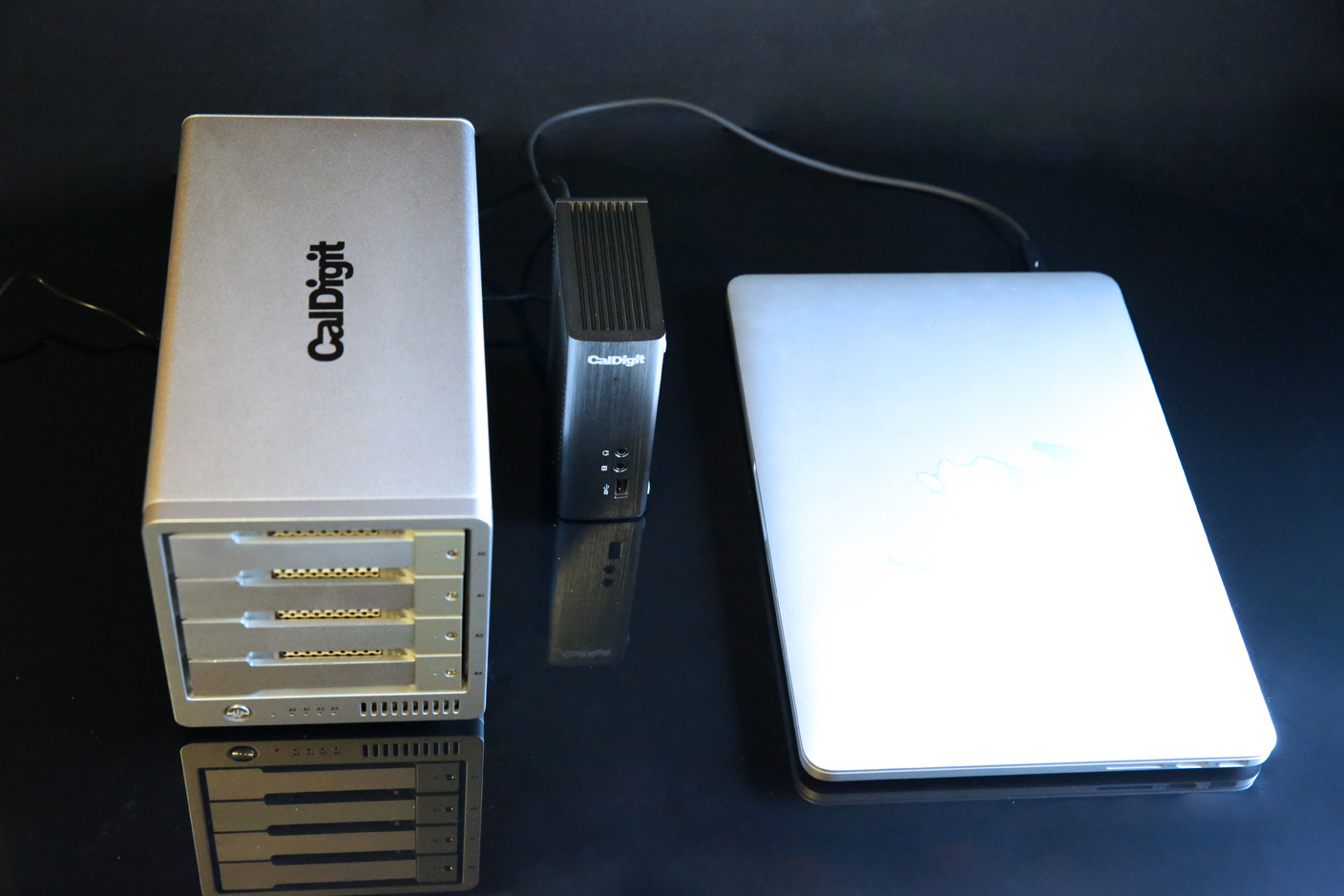
Despite USB 3.0’s growing popularity with consumers, Thunderbolt remains a viable alternative for professional users, particularly video makers willing to pay a premium for guaranteed high speeds. Over the past year, several Thunderbolt 2 hubs have come to market — boxes with one Thunderbolt 2 connection to a computer, one for a Thunderbolt accessory, and multiple ports to connect USB, audio, video, and Ethernet accessories. The idea: keep all of your gear hooked up to the hub, then use a single cable to connect it all to your Mac.

Known for large, heavy, professional-grade Mac accessories, CalDigit has just released Thunderbolt Station 2 ($199), which squeezes the same functionality offered by Belkin’s $300 Thunderbolt 2 Express Dock HD and Elgato’s $230 Thunderbolt 2 Dock (review) into a smaller, denser-feeling enclosure, at a lower MSRP — sort of. In reality, Thunderbolt Station 2 has some very specific benefits and one limitation that place it on par with its competitors, making the choice between them a more personal decision…


Expand
Expanding
Close

Apple pushes pre-release OS X 10.10.2 (14C106a) preview to testers

Site default logo image

After several preview releases to testers, Apple has pushed yet another OS X 10.10.2 build to pre-release Yosemite testers through the Updates section of the Mac App Store. Previous builds of the Mac operating system focused on improving bugs with WiFi, Mail, and VoiceOver, and this pre-release seed is no exception. We’ll update our coverage with what we find in the latest pre-release seed.
Expand
Expanding
Close

Site default logo image

Microsoft will give away Windows 10 … just like OS X

Image via Brad Sams

Microsoft announced today at its Windows 10 briefing that it will make the next major version of its operating system free for consumers. Windows 10 will be a free upgrade for for the first year for Windows 7, Windows 8.1, and Windows Phone 8.1 users. Users who upgrade will continue to have access to the latest versions for free when using the same device. For comparison, Apple has offered updates to each of its software updates, including major operating system versions, for free since 2013 with the release of OS X 10.9 Mavericks for the Mac.
Expand
Expanding
Close

Site default logo image

State of the Union press gallery “looks like a damn Apple ad,” observes political reporter

We’re used to seeing row upon row of Macbooks at tech press events, but the popularity of Apple’s laptop seems equally strong among mainstream journalists. The Huffington Post’s senior congressional reporter Michael McAuliff tweeted that the press gallery at last night’s State of the Union address “looks like a damn Apple ad.”

By far the majority of the laptops visible in the photo of the press gallery above the House floor have the familiar glowing Apple logo.

[tweet https://twitter.com/mmcauliff/status/557715212858839040]

The White House also embraced technology by posting the full text of the speech as a blog post on Medium before the President got up to speak. As last year, though, there were few references to technology in the address, the main one urging Congress “to finally pass the legislation we need to better meet the evolving threat of cyber-attacks, combat identity theft, and protect our children’s information.”

Microsoft also had to look out at a sea of glowing Apple logos when launching Windows 10 …

[tweet https://twitter.com/AustenAllred/status/558029756277743616/]

Dropbox will no longer support OS X 10.5 or older starting May 18th

Site default logo image

Dropbox has announced through an email to users on older versions of OS X that it will soon be discontinuing support for computers running Leopard or other older versions of the operating system. Users still running anything older than OS X 10.6 will need to upgrade in order to continue using future versions of the Dropbox app.

Users who don’t upgrade will still be able to use the web-based Dropbox manager, but will be automatically signed out of the Mac app. From that point forward, they will not be able to login back into the Mac client until they are on a newer version of OS X.

The changes will go into effect on May 18th, so users still have plenty of time to upgrade their software (or hardware, if necessary). The full email is included below:


Expand
Expanding
Close

Review: MacID, the app that lets you unlock your Mac using Touch ID on your iPhone

Site default logo image

[youtube=https://www.youtube.com/watch?v=OuDa0pzmMP0]

No sooner did we get Touch ID on our iPhones than it started to feel horribly old-fashioned and tedious to have to login to our Macs by typing in a password. Apple will no doubt add Touch ID sensors to Macs soon I imagine, but if you can’t wait that long–or don’t want to have to lay out the cash on a new Mac–there’s an app for that.

MacID is a $4 app allowing your iPhone to unlock your Mac via Bluetooth LE. As you can see from the above video, once you’ve performed the setup, unlocking your Mac is as simple as selecting the device on your iPhone and then placing a finger or thumb on the Touch ID sensor …


Expand
Expanding
Close

Site default logo image

Sid Meier’s Starships, a new interstellar strategy game, heads to Mac & iPad early this year

[youtube=https://www.youtube.com/watch?v=CgCt3zWkxCg]

2K and developer Firaxis today announced Sid Meier’s Starships, a new interstellar strategy game arriving early this year on Mac, iPad and PC. The game extends the sci-fi universe introduced last year in Civilization: Beyond Earth, the latest title in Sid Meier’s Civilization series.

The Starships press release describes gameplay as taking “the role of a fleet commander after the age of the Seeding, and tasking them to lead their starships across the universe to defend planets against various enemies, grow their empire, and usher in a new age of peace in the galaxy.” That includes turn-based combat with customizable starships and dynamically generated missions.

Not only will Starships borrow from the universe of Civilization: Beyond Earth, but players with both games will also find integration between the two that 2K says “will enhance and expand the depth of both game experiences.”

“When designing Starships, I was intrigued by the idea of exploring the next chapter in the story of Civilization: Beyond Earth. What happens after we colonize our new home and eventually build starships to take to the stars? What has become of our long-lost brothers and sisters from the planet Earth?” said Sid Meier, director of creative development at Firaxis Games. “My goal was to create an experience that focuses on starship design and combat within a universe filled with interstellar adventure, diplomacy, and exploration.”

2K says the game will arrive sometime in early 2015 for Mac, PC and iPad. Screenshots are below:

Intel CEO says relationship with Apple strong amid rumors of Apple-designed Mac processors

Site default logo image

As we reported earlier this week, often reliable KGI is predicting that Apple will bring its in-house designed A-series processor to an entry-level Mac sometime in 2016 with TSMC and Samsung expected to fab the potential A9X and A10X chips, respectively. As the move to put non-Intel chips in the Mac lineup would be a departure for the company, CNBC asked Intel CEO Brian Krzanich about the chip-maker’s business plans with Apple…
Expand
Expanding
Close

Review: Duet, the app that turns your iPad into a Lightning-connected Mac monitor

Site default logo image

I’m a big-screen fan. It’s the reason my primary Mac is still a 17-inch MacBook Pro, and why I have that hooked up to a 27-inch Apple Thunderbolt Display when I’m in my home office. When travelling, though, I have fewer pixels to play with. Sure, I could get a 15-inch Retina MacBook Pro, but I favor physical screen space over smaller screen elements.

There are existing apps out there, like Air Display, that let you use an iPad as a second monitor for a Mac, but they work via WiFi, which poses two problems. First, they often don’t work on WiFi hotspots, which you’re likely to be using when away from home. Second, even when they do work, there is an annoying amount of lag.

Which is where Duet comes in. Instead of using WiFi, it feeds the video signal from your Mac to iPad using a standard Lightning or 30-pin cable. Built by ex-Apple engineers, I figured it ought to be work well, so put it to the test … 
Expand
Expanding
Close

Apple adds refurbished Retina 5K iMac to online store, prices start at $2,119

Site default logo image

Apple has recently added the 27-inch iMac with Retina display, originally released in October 2014, to the refurbished section of its online store. Currently, the baseline 5K iMac with a 3.5 GHz quad-core Core i5 processor, 8 GB of RAM, a 1 TB Fusion Drive, and an AMD Radeon R9 graphics processor will cost you $2,119 refurbished from Apple. That’s $380 – or 15%- off the price of a new model.


Expand
Expanding
Close

Touching the dial: How iTunes Radio could be tuned for a better user experience

Site default logo image

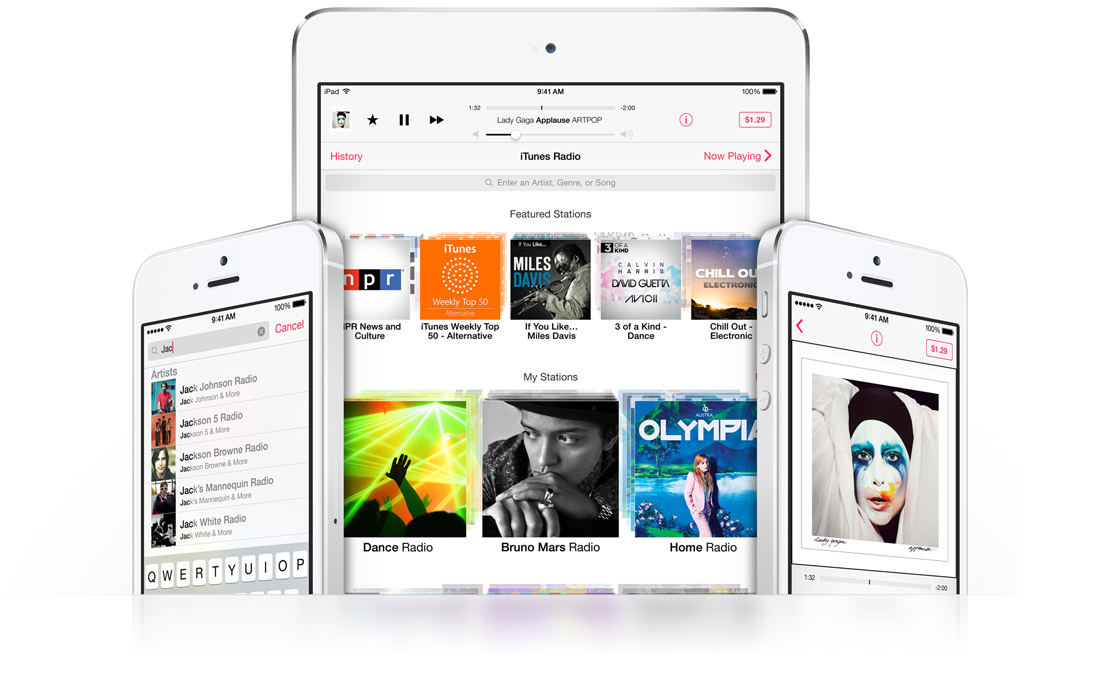
iTunes Radio, Apple’s first real foray into streaming music, made its public debut back in June 2013, where it was announced alongside iOS 7. Over a year since its release, the service hasn’t exactly taken over the world, quite literally. It’s still only available in the United States and Australia. If you compared iTunes Radio today with iTunes Radio as it existed the day it was first available to use, you’ll notice that not much has really changed.

Of course, just last May, Apple announced its acquisition of Beats Electronics, which brought along with it Beats Music, a robust and almost entirely different approach to streaming music. While Apple may seek to integrate Beats Music more tightly with iTunes in the future, at this time it hasn’t.

So in the meantime, what could Apple do to make iTunes Radio more appealing to customers? Some might say the music selection is limited, or that streaming doesn’t always work correctly. However, focusing on the service strictly from a feature standpoint, there are many small changes and additions Apple could implement that would have a huge impact on the usefulness and utility of iTunes Radio. Let’s take a look.


Expand
Expanding
Close

Apple seeds new OS X 10.10.2 beta with build number 14C99d to developers

Site default logo image

Apple has released a new beta version of OS X 10.10.2 to developers through the App Store’s software update mechanism and the Mac Developer Center. The update, which has a build number of 14C99d (compared to 14C94b in the previous release) is not yet available to AppleSeed users.

The 10.10.2 update will include fixes for common Wi-Fi problems, issues with the built-in Mail app, VoiceOver, and more. With only one week passing between pre-release builds, it seems the patch is getting closer to completion, and could be expected for public release soon.

Google rolling out updated Drive app for Mac w/ new status menu & bandwidth control

Google is rolling out an updated version of its Google Drive app for Mac and PC this week with a few handy new features. First, you’ll find (as you can see above) that Google has updated the status menu to show much more information than before. Now, you can see the files that are being synced up to the cloud as well as a check mark next to them that will appear as they do so. The app will also make it clear which files are currently syncing and which files are yet to be synced. Additionally, hovering over an item will let you share it straight from the menu.


Expand
Expanding
Close

Site default logo image

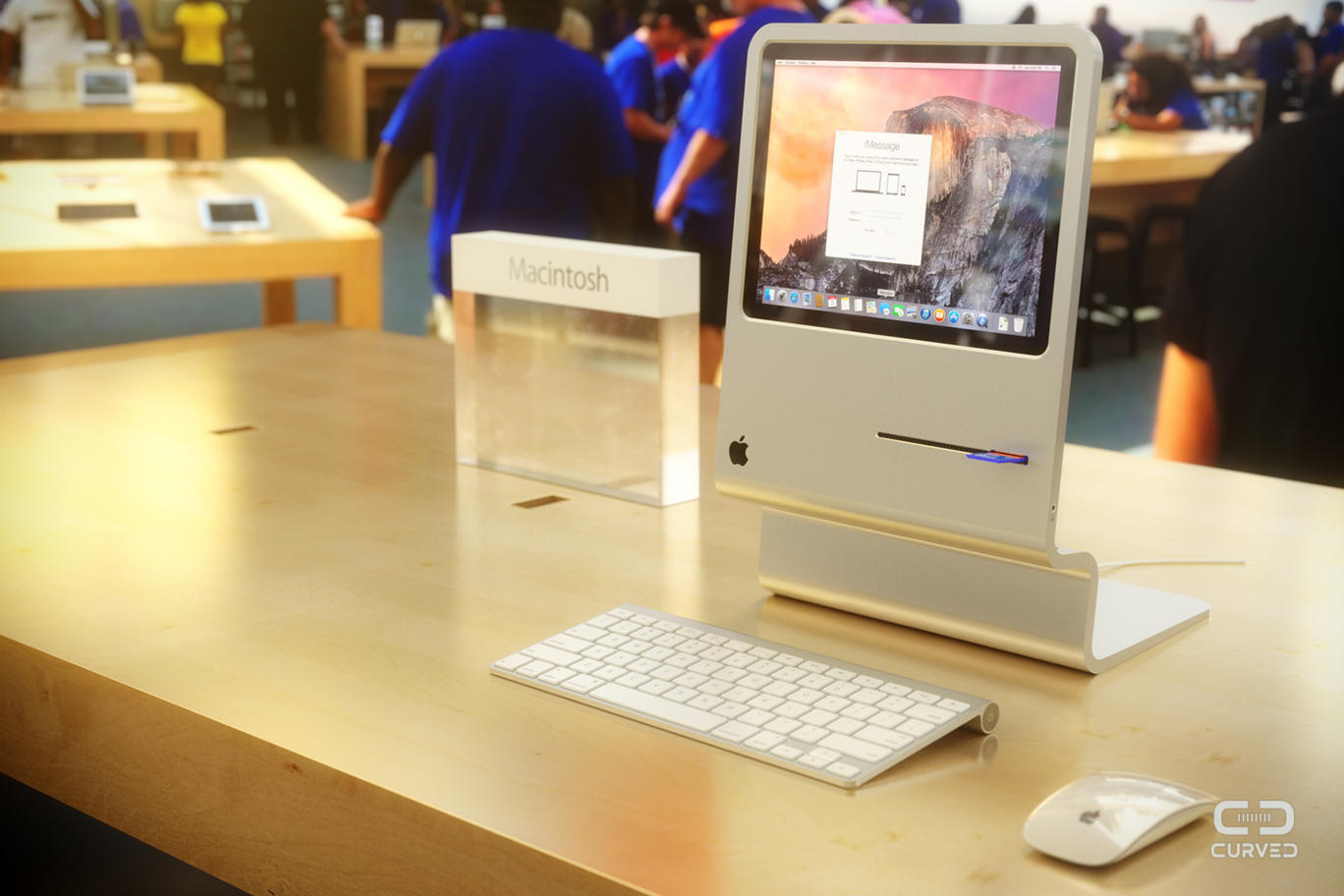
Gorgeous neo-retro Mac Neue redesigns original Apple Mac as thin, metal silhouette

Beautiful renderings from German site Curved/labs depict a stunning metallic ode to Apple’s original Macintosh computer. While acknowledging the enhanced functionality of Apple’s latest computers, such as the Retina iMac, Curved/labs suggests that the company often neglects its own design history when releasing new machines – the inspiration for this “tribute.”
Expand
Expanding
Close

KGI: Apple is designing its own Mac processors; Intel and Global Foundry added to Apple’s chipmaking stable

Site default logo image

Is an A-series chip destined for a future model of the 12-inch MacBook Air?

A KGI report predicts that Apple will begin using its own processors for Macs “in the next 1-2 years,” with a specific prediction of a Samsung-fabbed A10X chip powering at least one Mac made in 2016. The wording appears to suggest an entry-level machine–possibly a future model of the 12-inch MacBook Air.

Apple may launch Mac products that use own AP [Application Processor] in next 1-2 years. This prediction is based on the assumption that Apple’s self-developed AP performs at a level between Intel’s Atom and Core i3 and is good enough for Mac. Using self developed AP can help Apple better control the timing of Mac launches and Mac product features.

With performance between an Atom and Core i3, the chip would not be suitable for mid- to high-end Macs.

An accompanying table (below) shows an A10X chip made with a 10-nanometer process to be made by Samsung at some point during 2016 …


Expand
Expanding
Close

Site default logo image

12 inch MacBook Air production reportedly ramping for Q1 debut, will replace current 11 inch Air


Digitimes, which has a mixed track record when it comes to Apple products, is claiming that the 12 inch Air will debut in the first quarter of 2015, as production ramps at manufacturer Quanta. 9to5Mac posted an exclusive report about this device last week, pictured in the mockup above. The device is expected to be razor-thin with just one USB Type C port doubling as both power and connectivity.


Expand
Expanding
Close