Mac

See All Stories

Apple’s Mac lineup consists of MacBook, MacBook Air, MacBook Pro, iMac, Mac Pro, and Mac Mini. The Mac runs macOS for its operating system.
Mac lineup

History

The Mac is Apple’s lineup of computers, and it can be considered the company’s oldest product. The name “Mac” comes from the original Macintosh, which was introduced in 1984 and is also considered the first personal computer for the masses to have a graphical user interface. The first Macintosh hit the stores on January 24, 1984, costing $2,945.

Among all these years, Apple has introduced many different Mac models, ranging from desktops to laptops to professional tower machines. The current lineup consists of the MacBook Air, MacBook Pro, Mac mini, iMac, and Mac Pro. However, there have been other Mac models were discontinued, such as the eMac, MacBook, and iMac Pro.

The history of modern Macs began in 1998, a year after Steve Jobs returned to Apple. Apple had dozens of Macintosh computers at that time, but Steve decided to rethink the entire lineup. In 1998, Apple announced the iMac G3, which ditched the floppy disk and serial ports in favor of USB connectors.
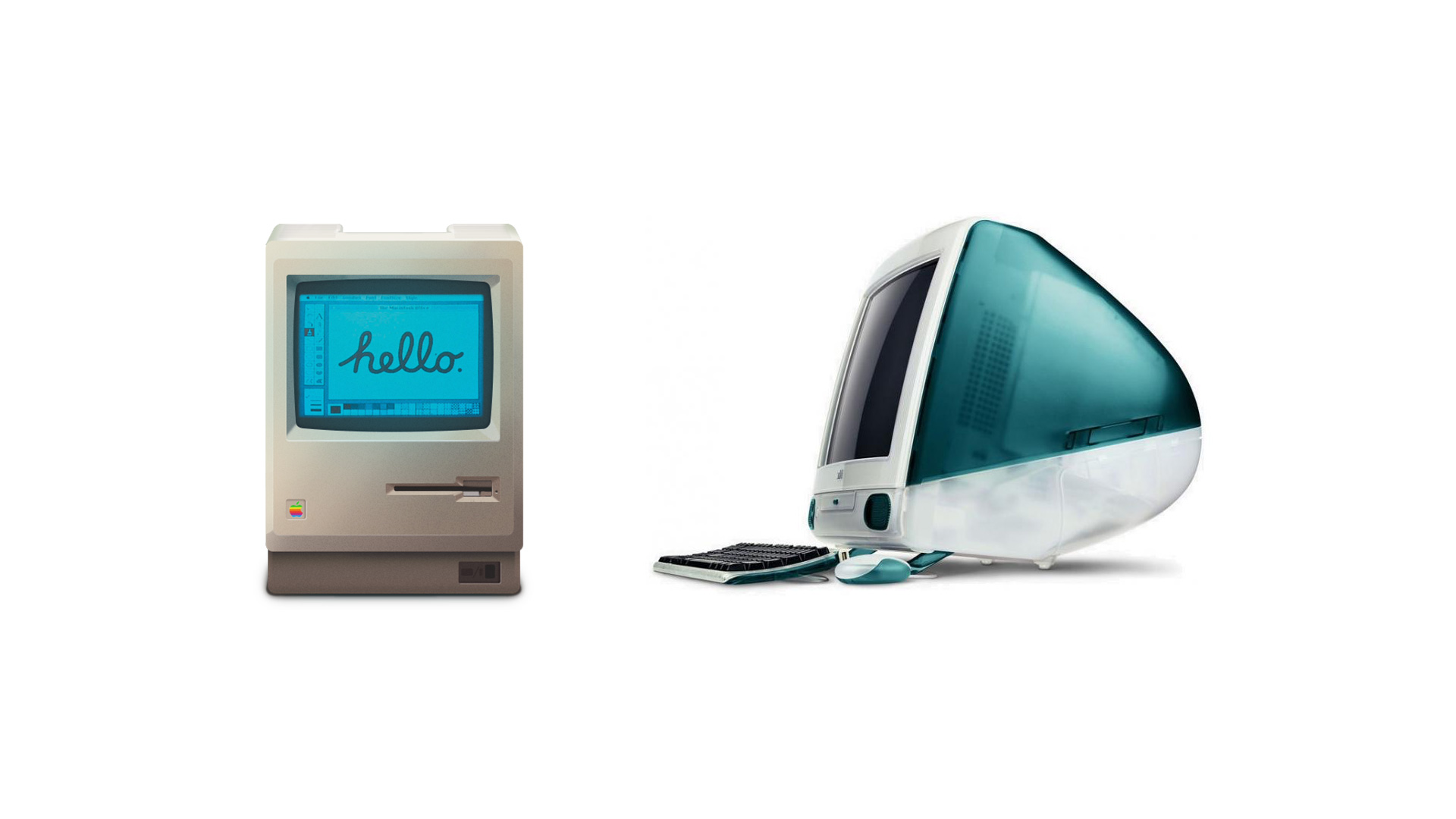
Macintosh and iMac G3.

Unlike the Macintosh, the first iMac was considered a huge success — not only for its technology, but also for its unique design with colorful translucent plastic. Apple quickly expanded the Mac lineup with other models, which included the iBook and PowerBook (which became the MacBook and MacBook Pro) and the PowerMac, which is now the Mac Pro.

macOS

What makes a Mac the Mac is the macOS operating system, which has also had a long history since the introduction of the first Macintosh. Initially called Mac OS, the operating system was rebuilt when Steve Jobs returned to Apple.

The first version of Mac OS X was released on March 24, 2001 with a new interface that is still present in some ways in current versions of macOS. Apple’s desktop operating system comes with many free applications such as Pages, Keynote, Numbers, iMovie, and GarageBand.

With macOS, users also have access to deep integrations with other Apple devices. For instance, you can answer calls and send SMS from your iPhone using your Mac. Handoff lets you switch from one device to the other and pick up where you left off. Apple Watch users can unlock their computer without entering a password, and you can even copy and paste between devices.
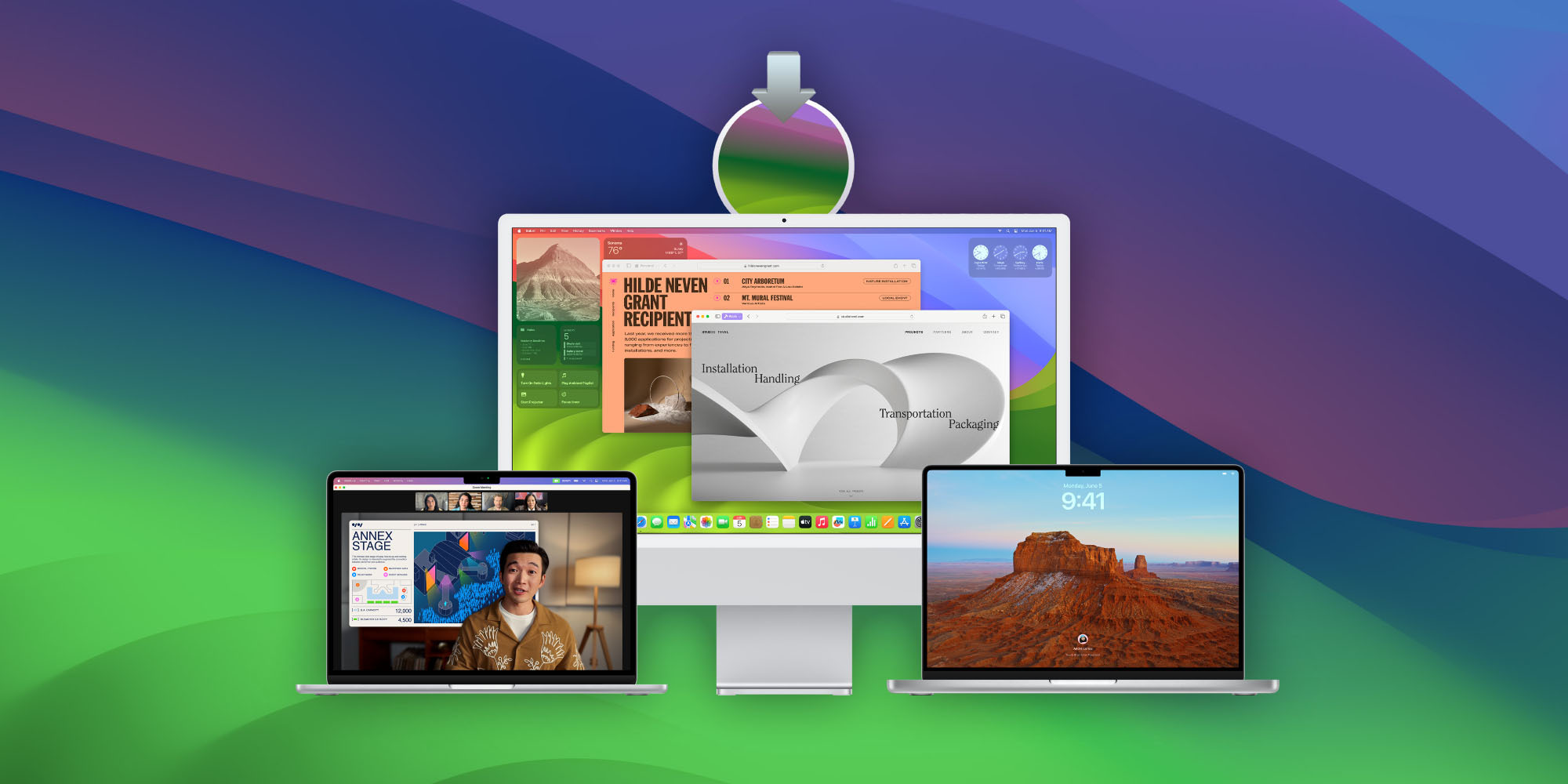
macOS Sonoma

Apple’s desktop operating system is also integrated with services offered by the company, such as iCloud, Apple Music, and Apple TV+.

The current version of macOS is Sonoma (version 14), which features new slow-motion screen savers, widgets on desktop, camera effects on FaceTime and other apps, web apps, passkey sharing, improved PDF support, and Game Mode. The update also comes with a new API that lets developers easily port Windows games to macOS.

Architecture Transitions

The Mac has had three major architecture transitions in its history. Apple’s first computers ran on Motorola processors, but the company decided to migrate to the new PowerPC platform in 1994. While this brought benefits at the time, the PowerPC processors were not delivering what Apple expected.

It was in 2005 that Apple confirmed the transition from PowerPC to Intel. Intel processors had become faster and more efficient than PowerPC, which enabled the development of new Mac computers that were more powerful and also more compact. Developers have been given access to a Developer Transition Kit running Mac OS X Tiger with Intel Pentium 4 to update their apps before the transition begins.
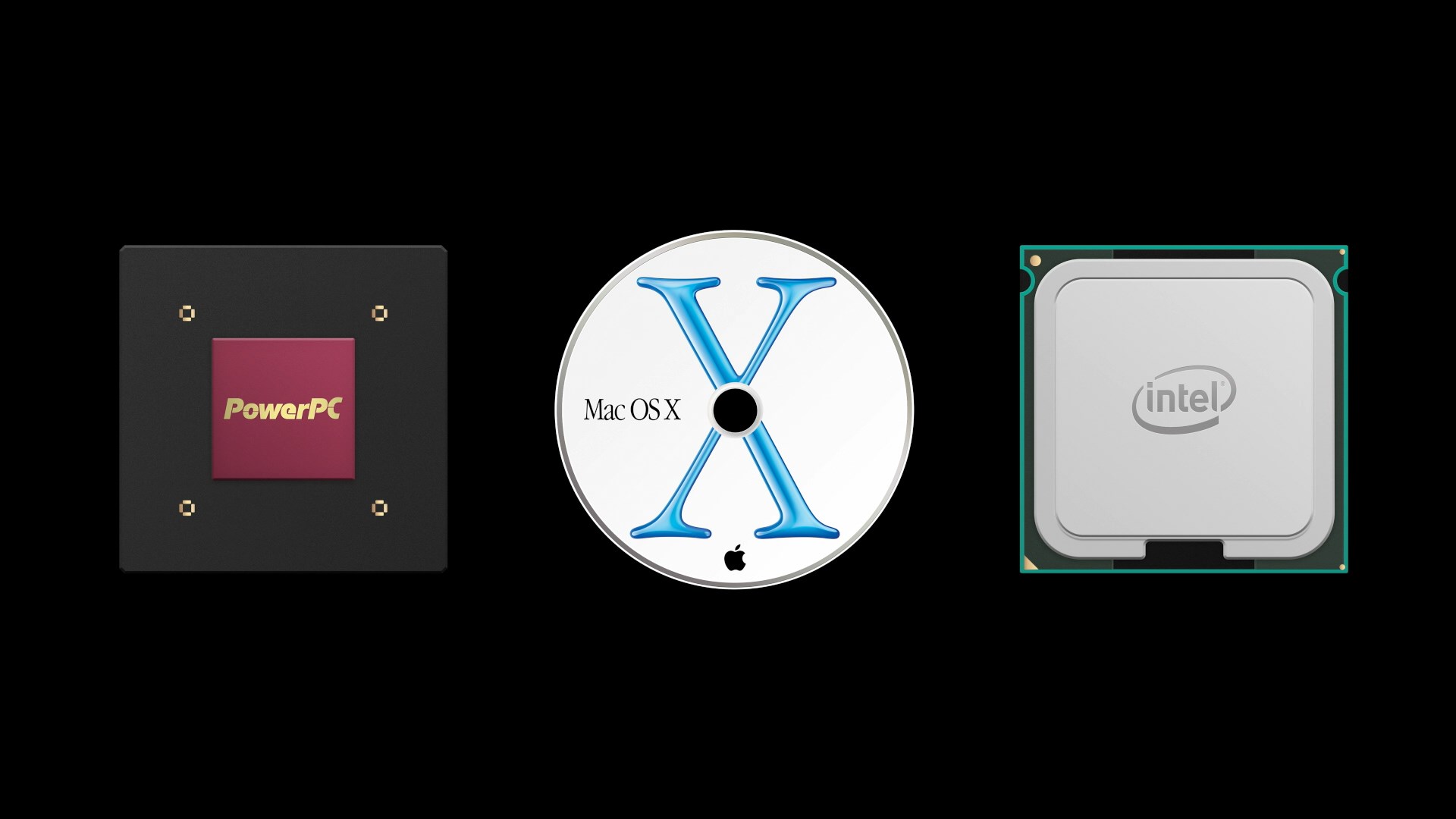
Power PC, Mac OS X, and Intel processor.

Apple said that the transition would begin in June 2006 and be finished by the end of 2007. However, the transition to Intel was fully completed in August 2006 when the company replaced the PowerMac with the new Intel Mac Pro.

As the years went by, Apple once again felt the need to have more powerful and efficient processors for its computers. This time, the company was already working on its own chips for the iPhone and iPad. In June 2020, Apple confirmed that it was changing the architecture of the Mac, now from Intel to ARM chips, which are called Apple Silicon.

Apple offered a Mac mini DTK running on the same A12Z Bionic chip as the 2020 iPad Pro. This way developers could once again update their apps ahead of the transition. In addition to being more powerful and energy efficient, the ARM architecture of Apple Silicon chips has enabled Macs to run iOS apps for the first time.
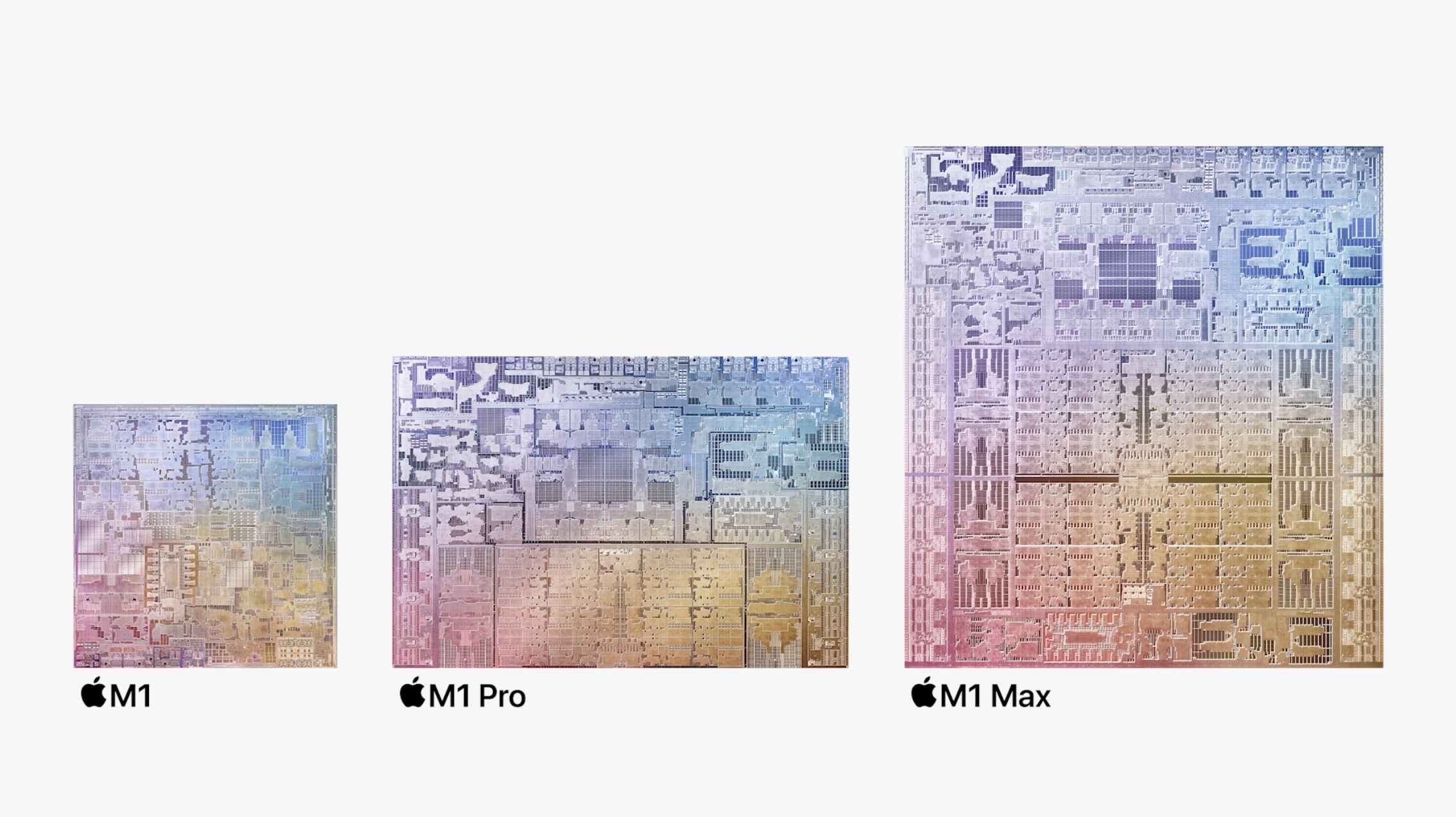
Apple M1 chip | Mac

The first Apple Silicon Macs were released in November 2020 with the M1 chip. The company later introduced more powerful variants of the M1 chip, called M1 Pro, M1 Max, and M1 Ultra. Macs with Apple Silicon have become known for being more powerful while consuming much less power, which has resulted in MacBooks with extended battery life.

In June 2022, Apple introduced the M2 chip, which is around 20% faster than the M1 and also supports more RAM. M2 also has more powerful variants: M2 Pro, M2 Max, and M2 Ultra.

Apple unveiled the M3, M3 Pro, and M3 Max chips in October 2023. The main highlight of this generation is the 3 nanometer technology, the same as the A17 Pro chip. The M3 family also features better GPUs with support for hardware-accelerated ray-tracing.

Current Mac lineup

Apple currently sells a variety of Mac computers, which includes MacBooks, Mac mini, iMac, and Mac Pro. While some of the Macs have already been updated with an Apple Silicon chip, others remain with Intel processors.

MacBook Air

The MacBook Air is Apple’s most affordable laptop and it has become popular for its light, compact design. The 2022 version is powered by the M2 chip and is offered with 8GB, 16GB, or 24GB of RAM. Plus, it has a new, edge-to edge 13.6-inch Retina display.

The laptop features Touch ID and has two Thunderbolt 3 compatible USB-C ports, a MagSafe connector for charging, and a headphone jack. Prices start at $1099 in the US. It’s offered in silver, space gray, starlight, and midnight.
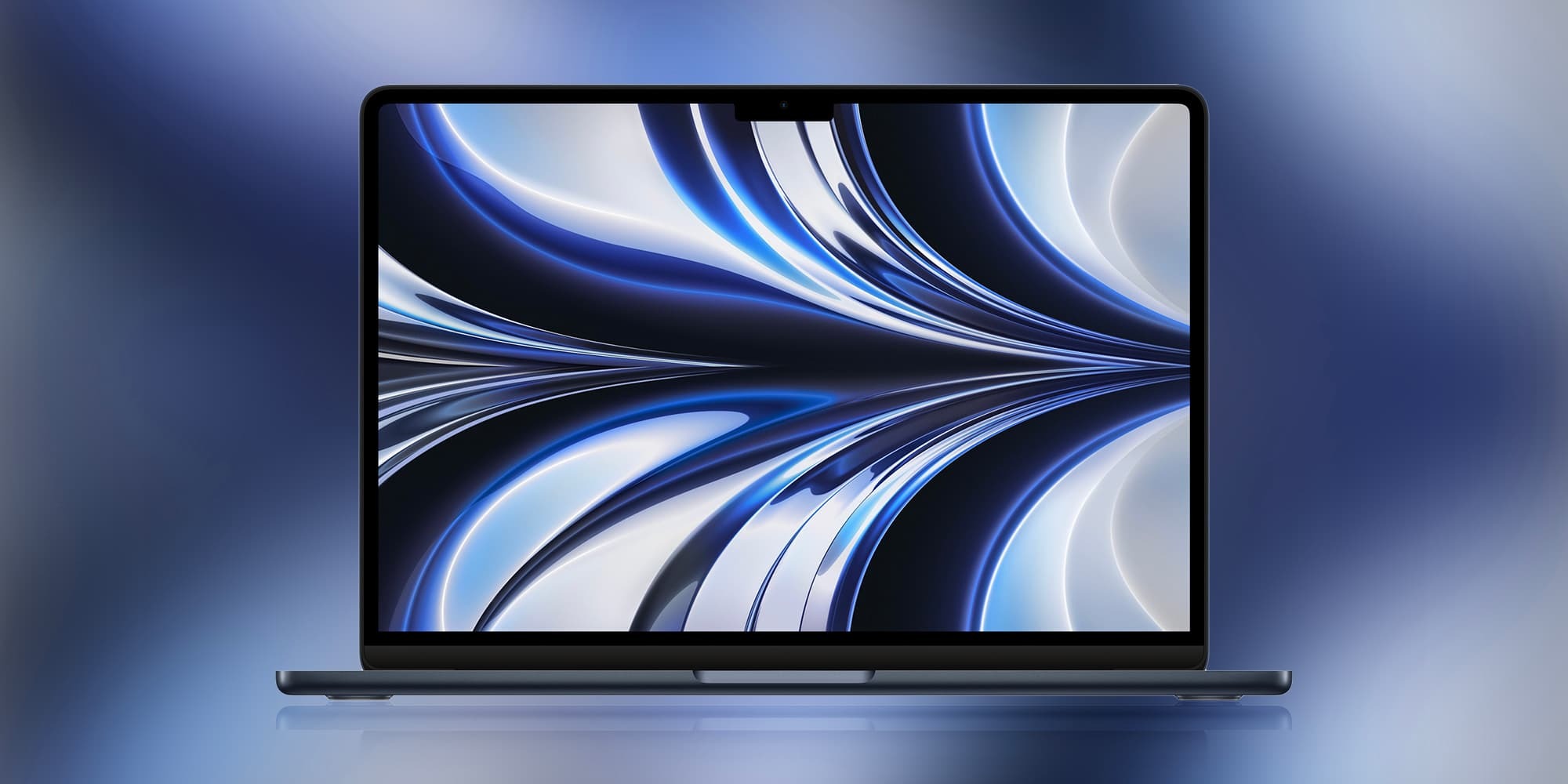
M2 MacBook Air.

A year later, Apple introduced the first 15-inch MacBook Air. It has essentially the same hardware as the smaller version with a similar design, but with a larger display. Prices start at $1299 in the US.Apple is still selling the M1 MacBook Air for prices starting at $999.

MacBook Pro

The 2023 MacBook Pro is available in multiple versions, and customers can choose between 14-inch and 16-inch screen sizes. For the first time, Apple has introduced a less expensive version of the 14-inch MacBook Pro with the base M3 chip. This version has the same design and display as the high-end versions, except that it only has two USB-C ports instead of three.
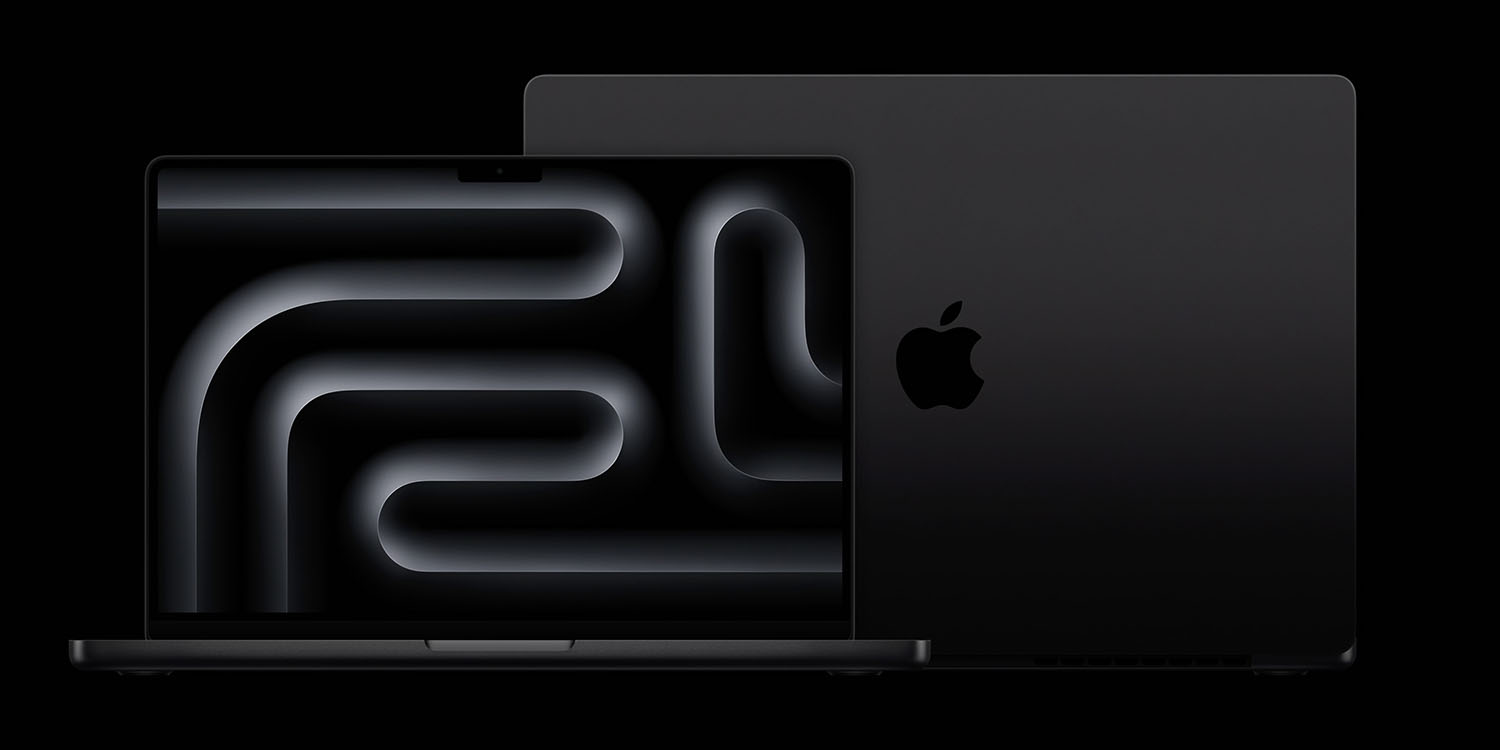
M3 MacBook Pro

The most expensive versions of the MacBook Pro are equipped with the more powerful M3 Pro and M3 Max chips. The laptop can be configured with up to 128GB of RAM and 8TB SSD. These versions also come in a new Space Black color.

Unlike the MacBook Air, the MacBook Pro comes with an HDMI port and an SD card reader. It also features MagSafe and Touch ID on the keyboard. Apple no longer sells MacBooks with the Touch Bar. Prices start at $1,599 in the US.

Mac mini

Mac mini is the cheapest Mac currently available since it’s basically a desktop without a built-in display or other peripherals. The base model with the M2 chip features one Ethernet port, two USB-C/Thunderbolt 4 ports, HDMI 2.0, two USB-A ports, and a headphone jack.

Apple sells a more powerful version of the Mac mini with the M2 Pro chip, which also comes with four USB-C ports instead of two. Mac mini can be configured with up to 32GB of RAM and up to 8TB of storage. Customers can also opt for a 10 Gigabit Ethernet port. The Apple Silicon Mac mini is only available in silver, while the now discontinued Intel model was available in space gray.
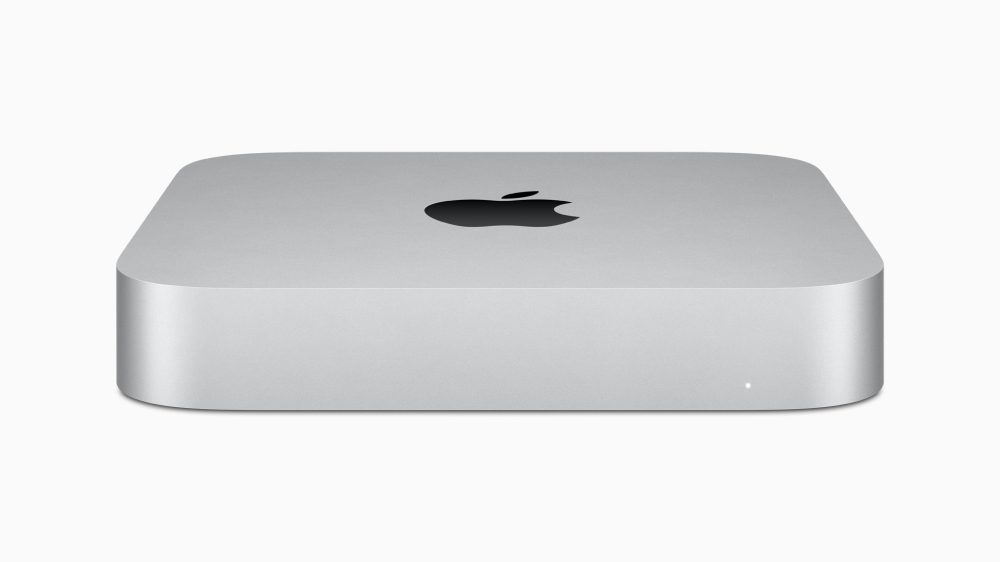
Apple Silicon Mac mini.

Prices for the Mac mini start at $599 in the US. Again, it’s worth noting that it doesn’t come with a keyboard or mouse in the box – you need to buy them separately or use your current ones.

Mac Studio

Mac Studio represents a new category between Mac mini and Mac Pro. It features a design based on the Mac mini, but with a taller body to support the more powerful hardware and also a better cooling system.

The new Mac Studio is targeted at professional users who work with demanding tasks such as video editing, 3D rendering, and machine learning. 

Embraced by creative pros everywhere, Mac Studio now delivers next-generation power in the form of the lightning-fast M2 Max and the boundary-breaking M2 Ultra. It packs outrageous performance and extensive connectivity in an unbelievably compact form, putting everything you need within easy reach and transforming any space into a studio.

By default, Mac Studio already comes with the M2 Max chip, 32GB of RAM, and 512GB SSD storage. A more expensive option lets users customize Mac Studio with M2 Ultra. While M2 Max has a 12-core CPU and a 30-core GPU, M2 Ultra doubles all of those specs. The new chip has a 24-core CPU and a 60-core GPU.

Mac Studio can also be configured with up to 192GB of RAM and 8TB of SSD storage. The machine offers up to six Thunderbolt ports, 10 Gigabit Ethernet, headphone jack, two USB-A ports, and one HDMI port.
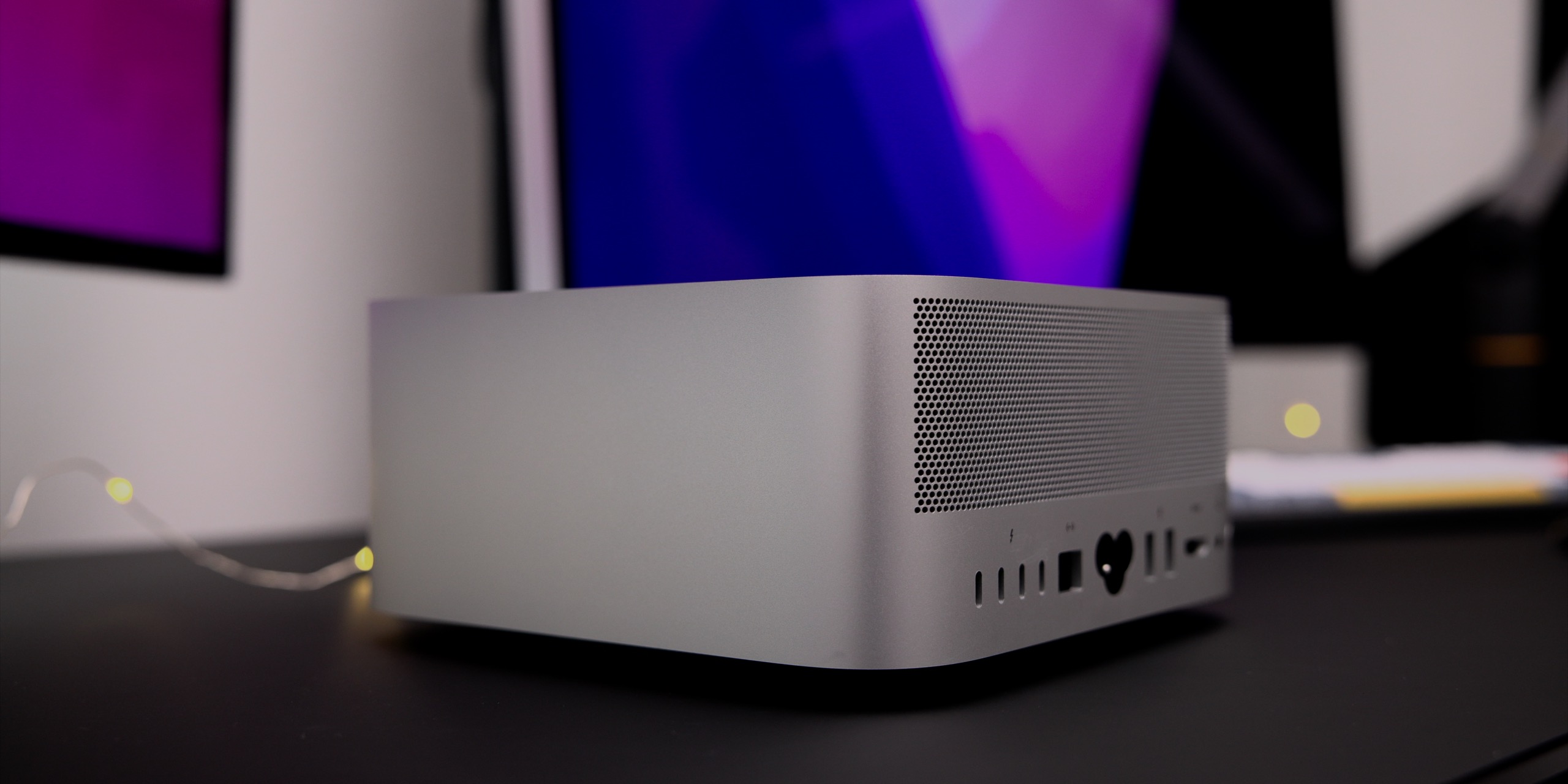
Mac Studio

Apple has been rumored to be working on new versions of this machine with the M3 Max and M3 Ultra chips. However, these versions may not be ready until 2025. Bloomberg’s Mark Gurman said in November last year that the M3 Ultra chip “hasn’t yet gone into broad testing” inside Apple.

In the US, prices for the Mac Studio with M2 Max chip start at $1999. The M2 Ultra chip version starts at $3999. Just like the Mac mini, Mac Studio doesn’t come with a keyboard and mouse in the box. You can find accessories for your Mac Studio here.

iMac

iMac is Apple’s most popular desktop computer with an all-in-one construction. It features a 4.5K display in its 24-inch version and a 5K display in the 27-inch version. At the same time, Apple still sells an entry-level iMac with a regular 1080p display.

The 24-inch iMac is the first to feature the M1 chip, the same as in the Mac mini, MacBook Air, and MacBook Pro. This allowed Apple to introduce a completely redesigned model with a slimmer design, which is also offered in seven new colors. Customers can customize the new 24-inch iMac with up to 16GB of RAM and 2TB of storage.
Site default logo image

The company ships the 24-inch iMac with Magic Mouse and Magic Keyboard, plus a Lightning cable for recharging accessories. Prices in the US start at $1299. Apple has discontinued its old 21.5-inch iMac and the 27-inch iMac 5K.

Mac Pro

Mac Pro is a computer built for professional users who depend on extremely powerful hardware. Available in tower and rack versions, it has a completely modular design. That means users can replace RAM, SSD, GPU, and other internal components.

By default, it features four USB-C/Thunderbolt 3 ports, two USB-A ports, and two 10Gb Ethernet ports. However, the ports can be expanded using the PCI Express slots. Apple also ships the computer with a Magic Mouse and Magic Keyboard, but it does not come with an external monitor included.

All models feature Intel Xeon W processors, which are the most powerful processors offered by Intel. Consumers can configure Mac Pro with up to 28-core processor, 1.5TB RAM, and 8TB of SSD storage. In addition to supporting multiple dedicated GPUs, Apple also offers the Afterburner card — which accelerates the decoding of ProRes videos.

The company recently updated the Mac Pro with new graphics card modules, which include Radeon Pro W6800X and Radeon Pro W6900X.

Site default logo image

Mac Pro prices start at $5999 in the US.

Rumors about upcoming Macs

Top stories about the Mac

Apple award-winning iOS game Leo’s Fortune comes to the Mac (+ promo code giveaway)

Leo’s Fortune previously won an Apple Design Award for its game on iOS, thanks to its engaging gameplay and beautiful art style. Over the last year, it has become a smash hit across multiple platforms including iPhone, iPad, Android and more. Today, the same great game is now available in the Mac App Store for $6.99 accompanied by beautiful high-resolution textures.

Voyage through lush environments from mossy forests and arid deserts, to pirate cities and snowy mountains. Survive vicious traps and solve physics-based puzzles through 24 levels of treacherous adventure. Follow the trail of gold and uncover the truth behind Leo’s stolen fortune. Finish Leo’s Fortune to unlock Hard-core Mode: try to beat the whole game without dying to unlock a special prize! Compete with your Game Center friends to beat as many levels as you can in the fastest time possible.


Expand
Expanding
Close

Opinion: Why has Apple bought Faceshift? Six intriguing possibilities …

Not too long after the first rumors surfaced, Apple has given its usual non-confirmation that it has acquired Faceshift, the company behind the technology Star Wars used to animate the faces of CGI characters. It’s not an obvious fit for Apple, so what could be the thinking behind the purchase?

Like Apple’s patents, it is sometimes easy, I think, to read too much into some of the company’s acquisitions. Sure, it doesn’t go around acquiring companies randomly, but it may not always be after the complete package. It may well be that there is some small element of the company’s technology that Apple wants, or it may be an acquihire – where it’s the engineers rather than the specific tech the company wants.

But in this particular case, there is reason to suspect that Apple does have an interest in the broad brush-strokes of what Faceshift does … 
Expand
Expanding
Close

WordPress gets a Mac app alongside completely rebuilt, open-source WordPress.com

Today online publishing platform WordPress, which powers approximately 25% of websites on the Internet (this site included), is getting a major redesign with a completely rebuilt wordpress.com and the introduction of a new Mac app. We’ve been getting a taste of the improvements incrementally over the last year, but today is the company’s official launch.
Expand
Expanding
Close

Poll: Is Tim Cook right that a converged Mac and iPad would be too compromised a device?

Tim Cook has consistently spoken out against the possibility of converging iOS and OS X devices, most famously saying that “you can converge a toaster and refrigerator, but these things are probably not going to be pleasing to the user.”

He repeated this line earlier this week, stating that Apple wants to make “the best tablet in the world and the best Mac in the world – and putting those two together would not achieve either.”

However, some of your comments suggest that not all of you agree, so we’ve adopted the suggestion of one commentator and posed the question … 
Expand
Expanding
Close

Site default logo image

A bundle of Mac App Bundles, more than 50 total apps over 90% off

From 9to5toys.com:

As we approach Black Friday we are at the Nexus of the Mac application bundle universe with not 1, not 2, but 3 impressive Mac Bundles happening at the same time.

First up is MacHeist’s “Hall of Fame Bundle” which includes greats such as TechTool Pro, Graphic Converter, Stuffit Deluxe, Nisus Writer Pro, Poser, Fetch FTP and more for $15 (or choose the bottom row for “Name your own price”. This one has sold over 10,000 copies but ends in a day so you might want to get hopping.

Next up is Bundlehunt which costs a little more but they let you pick out any 10 of a selection of 30 apps which I love as a concept. This includes ForkLift, Pixa, Flux V, RapidWeaver, Boom 2, Secret Folders Pro, Jump Desktop + 23 great Mac apps. Even if you only need a few of these, the $19.99 price tag means you are getting a steal.

And finally probably the most impressive array of apps is from our own specials.9to5toys.com which using $5 code 9TO5BFMB at checkout drops the bundle price down to $34.99. A great price for most of these Mac Apps on their own. PDF Pen, Aftershot Pro 2, Drive Genius, Mixtape Pro, MacXDVD Ripper, Busy Contacts, Prizmo 3, Motion Composer and more.


Expand
Expanding
Close

Tweetbot for Mac now works in full screen and split view on OS X El Capitan

Tweetbot for Mac has learned a handy new feature with the latest update just released. Tweetbot for Mac now supports OS X’s full screen mode, including El Capitan’s new Split View feature that lets you run two full screen apps side-by-side. This works a lot like the split view multitasking features on the iPad Pro, iPad Air 2, and iPad mini 4. Tweetbot 2.2 also brings a few other changes to the Mac…
Expand
Expanding
Close

OS X El Capitan 10.11.2 beta 4 hits the Mac App Store

Apple is continuing to develop the upcoming OS X El Capitan 10.11.2 update, and today released the latest test version. OS X El Capitan Update Developer Beta 4 is now available in the Mac App Store. Public beta testers can also find the new version today. Check the Updates tab to download, install, and restart your Mac if you’re testing the latest beta version. 
Expand
Expanding
Close

Opinion: iPad Pro can’t replace my Retina MacBook, but it’s the best entertainment iPad yet

When I reviewed the 12-inch MacBook with Retina display earlier this year, my one question was this: could I possibly use such a low power machine reliably for work? For blog posting and editing, switching between chat apps and email, and keeping up with a few Twitter accounts, the single-port MacBook is totally fine, and the Retina display was an upgrade over the dated one on my old MacBook Air.

While I’d like to apply that same question to the iPad Pro, which has a slightly larger display and effectively twice the battery life of my MacBook, the difference in how iOS and OS X handle multitasking and window management currently limit my ability to apply my same workflows from the Mac to the iPad. That didn’t stop me from lusting after the iPad Pro when it hit stores last week. Despite the Pro in its name, I think the new iPad is the best content consumption tablet on the planet. 
Expand
Expanding
Close

Apple adds Foursquare business listings to Apple Maps

Apple has quietly confirmed that it’s adding business listing information from Foursquare to Apple Maps. The addition was spotted on Apple’s acknowledgements page for Maps listing the various contributors of data for Apple’s mapping service (via Apple Maps Marketing).

It’s unclear exactly how Apple is using Foursquare data, but it’s likely users will begin to notice points of interest related data from the service appearing soon. Apple already partners with various companies for the data and other features it uses in Maps including TomTom, booking.com, TripAdvisor, Yelp and others.

Apple uses Yelp and booking.com, for example, to show reviews for local points of interest like restaurants and hotels, and it’s possible Apple will be tapping into Foursquare for similar features.

Foursquare claims to have over 2 million businesses using the service and over 70 million tips, which are essentially reviews and comments for local businesses, submitted by users.

Tim Cook again rules out converged Mac and iPad, says a single device would be too compromised

Apple CEO Tim Cook has ruled out the possibility of Apple merging iOS and OS X to create a single category of device. Speaking to the Irish Independent, Cook said that such a device would be too compromised.

“We feel strongly that customers are not really looking for a converged Mac and iPad,” said Cook. “Because what that would wind up doing, or what we’re worried would happen, is that neither experience would be as good as the customer wants. So we want to make the best tablet in the world and the best Mac in the world. And putting those two together would not achieve either. You’d begin to compromise in different ways.”

He said that some were reading too much into the way Apple has brought the two platforms closer together …

Expand
Expanding
Close

9to5Mac Holiday Gift Guide: Best picks for the Apple photographer

If you own an iPhone or Mac, you’re probably a photographer — either with your iPhone’s camera or a standalone camera you connect to your Mac. Just as iPhoto’s simple editing and storage tools helped Apple sell iMacs, photography has become a major marketing focus for iPhones, empowering people to capture increasingly beautiful images and videos with the one device they’re always carrying.

Over the past year, I’ve reviewed some of the very best hardware, software, and services available to Apple-loving photographers. And I’ve spent the last month adding new choices to the list. So just in time for the holidays, I’ve put together 9to5Mac’s Holiday Gift Guide with top photography picks, at price points ranging from $2.99 to $2,200. From basic accessories to smart photo backup solutions to amazing photo-to-wall art printing services, there’s something for everyone inside…


Expand
Expanding
Close

PSA: Have ‘damaged’ Mac App Store apps today? A quick reboot should fix it

The Mac App Store noticeably experienced some problems last night / early this morning with downloaded apps. Upon opening affected apps, the system would say that the app is ‘damaged’ and cannot be opened, just like the examples from Graham. It certainly seems scary at first glance.

The error message recommends reinstalling your apps individually. While this will fix the problem, it’s a pain to do and isn’t necessary at all: your apps are fine, but the error message makes the situation sound far worse than it is. To simply fix the problem, just reboot your Mac, running OS X Yosemite or El Capitan, and the problem will ‘magically’ go away.

The more interesting question is, why did this happen at all?


Expand
Expanding
Close

Opinion: The humble MacBook Air is a secret workhorse

I’ve long recommended the MacBook Air to friends who want something a little more capable than an iPad but don’t need their machine to do any heavy lifting. But recent experience has now led me to go rather further …

I’ve written at length about why I’m doggedly sticking to my four-year-old 17-inch MacBook Pro as my main machine. The tl;dr version is that I really like working on a large screen, and I also like having all my files on board when travelling – something I can do because I upgraded it to 2 x 1TB SSDs.

I mentioned a couple of weeks ago that it fell victim to the GPU problem that has afflicted a number of 2011-2013 MacBook Pros. The first symptoms were everything slowing to a crawl when connected to my 27-inch Thunderbolt display, followed by random crashes and then the characteristic graphics distortion that confirmed the logic board as the culprit.

The good news was that Apple would fix it free of charge under its Repair Extension Program. The bad news was that it would take a week, during which time my second Mac – a Mid 2013 11-inch MacBook Air usually used exclusively as a mobile writing device – would have to take over all its duties. I wondered how well it would cope … 
Expand
Expanding
Close

Google Chrome leaves OS X cats out in the cold

Google has announced in an official blog post that its Chrome browser no longer supports a number of older Mac OS X versions. Google initially prepared users a few months ago that a move away from these platforms would be coming by the end of this year. Today is that day, and Google Chrome will no longer get software feature or security updates on the following Mac platforms:

  • Mac OS X 10.6 – “Snow Leopard”
  • Mac OS X 10.7 – “Lion”
  • Mac OS X 10.8 – “Mountain Lion”

On the Mac side, it’s essentially everything before Apple moved to its California-inspired version names (or anything with a cat name). The company also announced that it’ll be ending support for Windows versions XP and Vista, so it’s not just older Mac users who will no longer get updates. The reason behind the end in support is simple: Apple and Microsoft don’t actively support those platforms any more, and so Chrome will no longer actively support them either. This doesn’t mean Chrome will no longer work, it just means it won’t get any more security or software updates on machines running these versions of the OSes.

If you’re still running one of the aforementioned software versions, Google encourages you to upgrade to a more modern OS, since there are now security risks (however small) attached to using them. If you’re not sure which version of Mac OS X you’re running, you can find out by simply clicking the Apple logo in your top toolbar, and clicking ‘About this Mac’.

Feature Request: A Magic AirPort Extreme with smart downloads, better debugging + prioritized devices

Feature Request is a new regular 9to5Mac series where authors offer their opinions on how to improve popular hardware or software products.

Apple’s AirPort wireless routers aren’t cheap, but many people — including me — keep buying them because they “just work” most of the time. Connect an AirPort Extreme or AirPort Express to your cable modem and you’ll get a consistently great wireless connection across all of your Macs, iPads, iPhones, iPod touches, and accessories, as well as non-Apple products. But the AirPorts could do more, and Apple knows it. Four years ago, the company was openly working on some cool next-generation router features that apparently didn’t wind up in its devices. These days, with Apple TVs and AirPlay streaming at the peak of their popularity, Apple’s routers need to be smarter about streaming high-bitrate video and audio. Here’s how AirPort routers should take the next steps forward…


Expand
Expanding
Close

Site default logo image

Apple releases Xcode 7.1.1 w/ fixes for critical Interface builder, debugging, and UI testing issues

Three weeks after the release of Xcode 7.1 to developers, Apple today has released Xcode 7.1.1 to the Mac App Store. The update brings about a handful of under-the-hood fixes relating to the new features added with the more significant 7.1 update last month.

Apple says that Xcode 7.1.1 improves the overall stability of the app, making for an improved developer experience. Apple also says the update fixes “critical issues” in the Interface Builder, debugging, and UI testing.

Last month, Xcode 7.1 added support for the new Apple TV’s tvOS, as well as storyboard support for 3D Touch gestures, a new workflow to add a devices for development and testing, and a handful of other minor changes.

Xcode 7.1.1 is available now from the Mac App Store.

Review: Zolt’s Laptop Charger Plus is a 3-in-1 MagSafe-ready Mac, iPad + iPhone power adapter

When Zolt announced the Laptop Charger Plus ($100) at CES this year, I was skeptical that the accessory — a practical, logical power solution — would actually make it to market. Zolt promised that it would work with any laptop, including Macs with MagSafe connectors, and at that point, zero third-party MagSafe accessories were available to purchase. But a week ago, a company called Beaver sent us Quarter, the first MagSafe-based battery pack and car charger. And now Zolt is sending out review samples of the finished Laptop Charger Plus, complete with both MagSafe 1 and MagSafe 2 cables (the $20 “Optional MacBook Accessory Cable”), which will hit stores in less than two weeks. Are MagSafe accessories finally about to become a real thing?

The Laptop Charger Plus continues the concept Twelve South pioneered with the $35 PlugBug, leveraging a MacBook wall adapter to charge both your laptop and a USB-based device, such as an iPhone or iPad. But Zolt’s execution goes several steps further, as it fully replaces any 11″ or 13″ MacBook’s wall adapter with something smaller while adding two extra USB ports. Even if the price is a bit steep, the all-in-one functionality may justify the expenditure for travelers with limited bag space…


Expand
Expanding
Close

How-To: Go beyond OS X Photos + make amazing wall art from your Mac’s pictures (Part 4)

Several months ago, I wrote a three-part guide to making amazing wall art from your Mac’s photos (part 1, part 2, part 3) — a popular series that readers told me they’d really enjoyed. The premise: as photography has gone digital, most of the pictures we take have become trapped on our computers, rarely seeing the light of day. Turning your favorite photos into large-format wall art is a great way to decorate your home or office, and with the recent introduction of the iPhone 6s and 6s Plus, higher-resolution photos and ultra-high-res panoramas are possible, increasing the image quality of even your everyday snaps.

Even though Apple’s OS X Photos app focuses on making small prints, photo books, and calendars, there are some great third-party photo-to-wall art services out there. Previously, I looked at how to turn your photos into large-sized metal, acrylic, and canvas wall art. This brand new part 4 explores three additional services, looking for the first time at photo prints on wood, as well as spotlighting several nice variations on prior themes…


Expand
Expanding
Close

iOS 9.2 beta 2 brings AT&T Wi-Fi calling to the Mac and other devices

Apple has built support for AT&T’s NumberSync technology into iOS 9.2 beta 2, which was released to developers earlier today. Currently Apple’s Continuity feature allows users to use their Mac, iPad, or iPod touch to make phone calls as long as the computer (or other iOS device) is connected to the same Wi-Fi network as their iPhone.

The software upgrade will allow users to enable Wi-Fi calling on all of those devices and make and receive calls without the need to be on the same network, or even in the same area.

Below you’ll find steps to setup and start using the feature now.


Expand
Expanding
Close